
Propagation
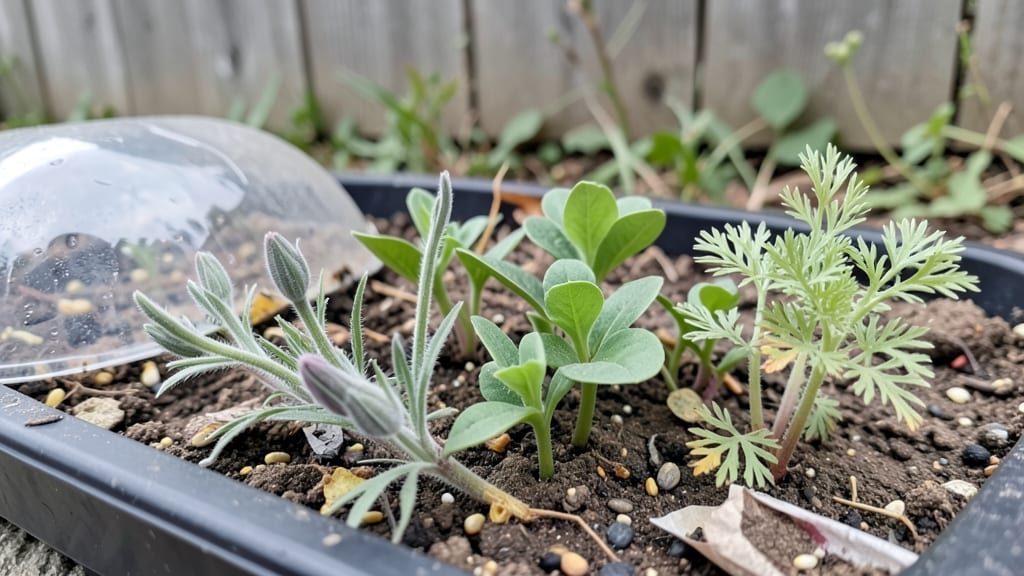
The wildflower seed germination time can vary wildly—from just a week to over two months—so patience and prep are key, as I discovered when my black-eyed Susans finally broke through the soil after 90 days. 🌱 The secret isn’t just patience, though; it’s understanding when and how to break their natural dormancy, especially with cold stratification, which mimics winter’s chilling effect.
Most wildflower seeds need moist, cool conditions to germinate, but the timing varies wildly. Spring-bloomers like poppies often sprout in 10-14 days if sown in fall or stratified first, while tough perennials like coneflowers might take 3-4 weeks even under perfect conditions.
The key is matching the seed’s native growing season—some need a winter chill, others prefer warm soil.
With the right tricks—like soaking seeds overnight or using a damp paper towel to mimic spring rains—you can cut germination time in half. Imagine watching those first fuzzy green shoots push through the soil in just 7-10 days instead of waiting weeks.
The payoff? A meadow bursting with color by late summer, all from seeds that cost pennies and need almost no maintenance once established.
Whether you’re sowing in fall for spring blooms or spring for summer color, the same principles apply. The biggest mistake? Skipping stratification for seeds that need it—so let’s fix that before you even buy your first packet.
📚 In This Guide
- What you need
- Instructions
- Tips and common mistakes
- Wrapping up and next steps
What you need
- ● Wildflower seeds: Choose native or regionally adapted varieties (e.g., Echinacea purpurea, Rudbeckia hirta, or Coreopsis lanceolata). Buy 1–2 lbs for a small garden or 5–10 lbs for larger areas.
- ● Germination medium: Potting soil: 2–3 lbs of seed-starting mix (sterile, peat-based, or coco coir blend). Avoid garden soil—it’s too dense!
- ● Paper towels or coffee filters: 2–4 sheets (for cold stratification method).
- ● Containers: Plastic ziplock bags: 2–4 quart-sized (for cold stratification).
- ● Seed trays or pots: 1–2 trays (with drainage holes) or 4–6 small pots (2–3" deep) for direct sowing.
- ● Water: 1 gallon of room-temperature, dechlorinated water (let tap water sit out for 24 hours or use filtered water).
- ● Cold stratification setup: Refrigerator: With a 34–40°F (1–4°C) temperature range (most home fridges work!).
- ○ Optional: A seed stratification mat or cooling pad for precise temperature control.
- ● Spray bottle: 1 (for gentle watering—avoid over-saturating seeds!).
- ● Plant labels: 50–100 (to track varieties and germination dates).
- ● Heat mat: 1 (70–75°F for warm-season seeds like Gaillardia or Salvia).
- ● Grow lights or sunny windowsill: 1–2 (south-facing window or LED grow lights for 12–16 hours/day after stratification).
- ● Humidity dome or plastic wrap: 1–2 (to retain moisture during early stages).
- ● pH test kit: 1 (ideal soil pH: 6.0–7.0 for most wildflowers).
- ● Garden gloves: 1 pair (to protect hands from soil and prickly seeds like Thistle).
How to cold stratify wildflower seeds for faster germination
Cold stratification mimics nature's winter cycle—here's how to break dormancy and get those wildflower seeds sprouting reliably.
🌱 Step 1: Prepare Seeds for Stratification
Fill a clean, breathable container—like a mesh bag or paper towel-lined plastic bag—with the wildflower seeds. I like to use a damp paper towel to wrap them first; this keeps moisture even while allowing airflow. The key is moist but not soggy—squeeze the towel gently and it should feel like a wrung-out sponge. Place the wrapped seeds in a resealable plastic bag with a few small air holes punched in the top.
Label the bag with the seed type and date—some seeds need 30-90 days of cold treatment, so tracking matters. I tuck the bag into the fridge's crisper drawer where temps hover around 35-45°F. This mimics winter's natural chilling period that breaks seed dormancy. Check weekly to ensure the towel stays moist; if it dries, mist lightly with water.
❄️ Step 2: Cold Treat for the Required Duration
Most wildflower seeds need 4-12 weeks of cold stratification, depending on the species. Native prairie mixes often require the full 8-12 weeks, while woodland wildflowers may only need 4-6 weeks. I mark my calendar when I start—some seeds can over-stratify and rot if left too long.
After the cold period, remove the seeds from the fridge and let them sit at room temperature for 24-48 hours to acclimate. You'll see the seeds start to "chatter" or crack slightly as they prepare to germinate. This is your signal they're ready for planting. If you're impatient, you can speed up the process by soaking the seeds in warm water for 12 hours before planting—just don't overdo it, or they'll absorb too much moisture and rot.
🌿 Step 3: Plant Stratified Seeds at the Right Time
Sow stratified seeds in late winter to early spring, about 4-6 weeks before your last frost date. Wildflowers thrive when planted in cool, moist soil—this gives them a head start before summer heat arrives. Scatter seeds thinly over prepared soil (no need to bury them; most wildflower seeds need light to germinate). Lightly press them into the surface with your hand or a board.
Water gently but thoroughly to settle the seeds into the soil. A fine mist setting on your watering can prevents seeds from washing away. I like to use a fan on low for 10-15 minutes daily after planting to simulate wind and help seeds settle deeper into the soil. This also prevents fungal growth, which can smother tiny seedlings before they emerge.
☀️ Step 4: Provide Consistent Moisture and Light
Keep the soil evenly moist but not waterlogged until germination occurs. Wildflower seeds often take 2-4 weeks to sprout after planting, depending on the species and weather. I use a spray bottle to mist the area daily, especially in hot or windy conditions. A clear plastic dome or row cover can help retain moisture while allowing light through—just remove it once seedlings appear to prevent overheating.
Once the first true leaves emerge (not the initial seed leaves), thin seedlings to 6-12 inches apart, depending on the mature plant size. This prevents overcrowding and ensures each plant gets enough sunlight and nutrients. Watch for leggy growth—a sign the seedlings need more light. If they stretch toward a window, move them to a sunnier spot or supplement with a grow light for 12-14 hours daily.
🌼 Step 5: Transition to Outdoor Conditions
After seedlings develop 2-3 sets of true leaves, it's time to harden them off. Start by placing them outside in a sheltered spot for 1-2 hours the first day, gradually increasing their time outdoors over 7-10 days. This slow adjustment prevents shock from temperature and wind fluctuations. By the time they're ready for the garden, they'll be tough enough to handle real-world conditions.
Transplant seedlings into their final location on a cool, cloudy day to reduce stress. Water deeply at the base to encourage root growth, and mulch lightly with 1-2 inches of organic mulch to retain moisture and suppress weeds. Within 4-6 weeks, you should see vibrant new growth as your wildflowers establish themselves. Patience is key—wildflowers often take 1-2 years to reach full bloom, but the wait is worth it for the pollinators they'll attract.
Tips & tricks for perfect wildflower seed germination
These practical tricks will help you maximize your wildflower seed germination success through cold stratification.
Moisture Balance: The damp paper towel technique in Step 1 is crucial—wring it out thoroughly to avoid soggy conditions that can cause mold. I like to place the wrapped seeds in a sealed container with a small air gap to maintain humidity without trapping excess moisture. For extra insurance, you can place a damp paper towel at the bottom of the bag before adding the seeds, creating a self-regulating moisture environment.
Temperature Consistency: Maintain that 35-45°F range in your fridge's crisper drawer for optimal results. Some refrigerators have hot or cold spots—rotate the bag periodically to ensure even exposure. If you notice condensation inside the bag during the 4-12 week stratification period, open it briefly to air out before resealing. This prevents anaerobic conditions that can harm seeds.
Visual Readiness Cues: In Step 2, look for that "chattering" sound when you shake the bag gently—it's your signal the seeds are ready. The seeds should also develop a slight crack or split when pressed lightly between your fingers. This physical change indicates the internal mechanisms are activating. If you're impatient, the optional 12-hour warm water soak can help jumpstart this process, but don't exceed this time or risk overhydration.
Species-Specific Timing: Native prairie mixes typically need the full 8-12 weeks of cold treatment, while woodland varieties may only require 4-6 weeks. I recommend checking the seed packet for specific recommendations, as some species like lupines or milkweeds have particularly stringent requirements. If you're mixing species, consider stratifying them separately to avoid one type getting over-treated.
Pro Tips for Wildflower Seed Germination Time
- These practical tricks will help you maximize your wildflower seed germination success through cold stratification.
- Moisture Balance: The damp paper towel technique in Step 1 is crucial—wring it out thoroughly to avoid soggy conditions that can cause mold.
- Temperature Consistency: Maintain that 35-45°F range in your fridge's crisper drawer for optimal results.
Frequently asked questions
Got questions about wildflower seed germination? You’re not alone! Here are answers to the most common concerns—plus pro tips to help your seeds sprout like a dream.
How long does it take for wildflower seeds to germinate?
Germination time varies by species, but most wildflower seeds sprout within 10–30 days under ideal conditions (proper moisture, temperature, and stratification). Some native varieties, like Black-Eyed Susan or Coneflower, may take up to 6 weeks. Always check the seed packet for specifics!
Do I need to cold stratify all wildflower seeds?
Not all! Many wildflower seeds require cold stratification (like Lupine or Milkweed), while others (e.g., Sunflower or Cosmos) germinate quickly in warm soil. Check the seed packet or use a stratification chart to avoid guesswork.
What’s the best way to speed up germination?
Cold stratification is your secret weapon! Place seeds in a damp paper towel, seal them in a bag, and refrigerate for 2–4 weeks (or follow species-specific times). For faster results, try a heat mat (70–80°F) once stratified. Patience pays off—don’t overwater or move them too soon!
Why aren’t my wildflower seeds sprouting?
Common culprits include:
- Improper stratification: Too short or too long can stall growth.
- Poor moisture: Keep soil consistently damp (not soggy!).
- Temperature swings: Most seeds need stable warmth (60–75°F) after stratification.
- Old seeds: Viability drops after 1–2 years. Test a few seeds first!
Can I plant wildflower seeds in fall instead of spring?
Fall planting mimics nature’s rhythm—seeds stratify naturally over winter and sprout in spring. For best results:
- Plant 4–6 weeks before your first frost.
- Avoid late fall sowing (seeds may rot).
- Use a light mulch to protect seeds from erosion.
Wrapping up and next steps
Growing wildflowers from seed is a rewarding journey, and understanding germination time—especially with cold stratification—can make all the difference! 🌱 Whether you're a seasoned gardener or just starting, patience and the right techniques will help you unlock vibrant blooms.
Now that you’re armed with tips on moisture, temperature, and timing, it’s time to roll up your sleeves and give those seeds the care they deserve.
Your next step? Plant, observe, and celebrate those first sprouts! Keep a germination journal to track progress, and don’t hesitate to share your wildflower magic with fellow gardeners. Happy growing—your future meadow awaits! 🌸