Planting
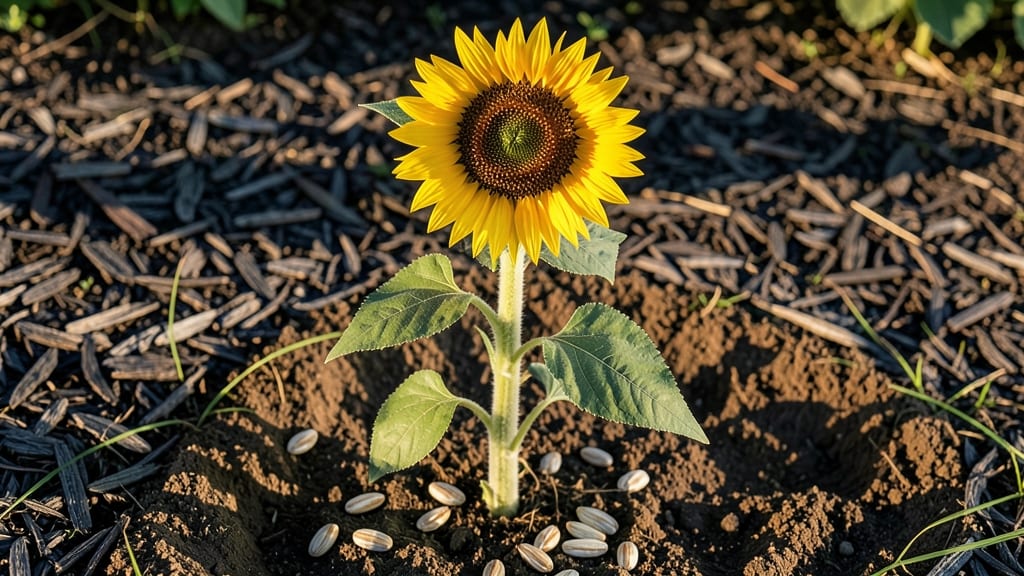
Here are sunflower planting tips that’ll turn your garden into a sunlit masterpiece—if you avoid my rookie mistake of crowding seeds too tightly. 🌻 giving them room ensures each plant reaches its full potential, sometimes towering over six feet tall.
The secret starts with soil that drains well but holds moisture—think loose, amended ground with compost mixed in. Sunflowers love warmth, so wait until after the last frost when soil temperatures hit at least 55°F.
Plant seeds just 1 inch deep, spacing them 6 inches apart for dwarf varieties or 12-18 inches apart for giants. A little patience here pays off with fewer fights for sunlight and nutrients.
📚 In This Guide
- What you need
- Instructions
- Tips and common mistakes
- Wrapping up and next steps
What you need
- ● Sunflower seeds: Choose heirloom or hybrid varieties (e.g., ‘Mammoth,’ ‘Autumn Beauty,’ or ‘Teddy Bear’). Buy 1–2 lbs (enough for 50–100 plants, depending on spacing). Opt for untreated seeds for organic gardening.
- ● Well-draining soil: Sunflowers thrive in loamy, slightly acidic soil (pH 6.0–7.5). Amend heavy clay with compost or sand (1–2 inches mixed into the top 6–12 inches of soil).
- ● Fertilizer: Balanced fertilizer (10-10-10 or 5-10-10): Apply 1–2 tbsp per plant at planting time and again when stems reach 12 inches tall.
- ○ Phosphorus-rich fertilizer (e.g., bone meal): Optional but helpful for root and flower development (1 tbsp per hole).
- ● Watering can or hose: With a gentle spray nozzle to avoid displacing seeds.
- ● Garden gloves: Protect your hands from thorns (especially on larger varieties).
- ● Garden trowel or transplant spade: For digging holes 1–2 inches deep and spacing seeds properly.
- ● Measuring tape or ruler: Critical for spacing seeds 6–24 inches apart (depending on variety).
- ○ Stakes or trellis (optional): For tall varieties (>6 feet), use 5–6 ft bamboo stakes or a lightweight trellis to support stems.
- ● Mulch (straw or shredded leaves): Spread 2–3 inches around plants to retain moisture and suppress weeds.
- ● Pruning shears: For trimming dead foliage or harvesting seeds later.
- ● Sunlight: Full sun (6–8 hours daily)—sunflowers are not shade-tolerant!
- ● Warm soil: Wait until after the last frost when soil temps reach 50°F+ (use a soil thermometer if needed).
- ● Spacious plot: Plan for 18–24 inches between rows for air circulation (critical for disease prevention).
- ● Patience: Germination takes 7–14 days—keep soil moist but not soggy!
Step-by-step sunflower planting for optimal growth
Here's how to plant sunflowers for maximum height and bloom—proven spacing tricks that prevent overcrowding and ensure strong stems.
🌱 Step 1: Choose the Right Location and Prepare Soil
Sunflowers thrive in full sun with at least 6-8 hours of direct sunlight daily. I always pick the sunniest spot in my garden, even if it means moving other plants—sunflowers won’t tolerate shade. Before planting, loosen the soil to a depth of 12 inches with a garden fork to improve drainage and root penetration.
Sunflowers prefer well-draining soil with a slightly acidic to neutral pH (6.0-7.5). If your soil is heavy clay or sandy, mix in 2-3 inches of compost to improve fertility and moisture retention. I like to work in a handful of 5-10-10 fertilizer per planting hole for an extra nutrient boost, especially if the soil is poor.
🪴 Step 2: Plant Seeds at the Correct Depth and Spacing
For 4 sunflower plants, plant seeds 1 inch deep and space them 6 inches apart in rows that are 2-3 feet apart. This spacing prevents overcrowding, which leads to weak stems and fewer blooms. I use my finger to mark planting spots—just press it into the soil to create a small hole, drop in 1-2 seeds per spot, and cover lightly with soil.
Here’s the thing—sunflower seeds are large, so planting 2 per hole gives you a backup in case one doesn’t germinate. Once seedlings emerge, thin to the strongest one per spot. If you’re growing giant varieties, increase spacing to 12-18 inches between plants to give their massive roots room to spread.
☀️ Step 3: Water Deeply and Maintain Moisture
After planting, water deeply to settle the soil and encourage root growth. Sunflowers have deep taproots, so the first watering should penetrate 6-8 inches into the soil. I use a soaker hose or watering can with a long spout to avoid disturbing the seeds. Keep the soil consistently moist but not soggy—sunflowers hate waterlogged roots.
Water every 2-3 days until the first true leaves appear, then reduce to once every 5-7 days once established, depending on rainfall. You’ll know moisture is right when the top 2 inches of soil feel slightly damp but not clinging. Overwatering leads to weak stems and disease, while underwatering stunts growth—balance is key.
✂️ Step 4: Thin Seedlings and Monitor for Pests
When seedlings reach 4-6 inches tall and have 2-3 true leaves, thin them to 1 strong plant per spot. Gently grasp the thinnest seedlings at the base and pull them straight up—never twist or yank, as this can damage the roots of remaining plants. I always do this on a cloudy day to reduce stress on the plants.
Watch for sunflower moths, slugs, or aphids, which can chew leaves or lay eggs. If you spot damage, handpick pests early in the morning when they’re sluggish. For larger infestations, spray with neem oil or insecticidal soap—just avoid chemical pesticides, as they can harm pollinators and leave residues on edible seed heads.
🌿 Step 5: Support Tall Varieties and Harvest Seeds
If growing giant sunflower varieties (8+ feet), stake them early to prevent toppling. I use 3-foot bamboo stakes placed 6 inches from the stem and tie the main stem loosely with soft plant ties every 2 feet up the stalk. This gives them stability without restricting growth. For shorter varieties, staking isn’t necessary unless in windy areas.
Harvest seeds when the back of the flower head turns yellow and the petals drop. Cut the head with 6 inches of stem and hang it upside down in a dry, well-ventilated spot for 2-3 weeks until the seeds rattle inside. Once dry, rub the head to release seeds—store them in a paper bag in a cool, dark place for next year’s planting.
Tips & tricks for perfect sunflower planting
These proven techniques will help you grow sunflowers that reach their full potential—taller, healthier, and more vibrant than ever.
Sunlight Strategy: That 6-8 hours of direct sunlight is non-negotiable, but here's the thing—morning sun is more important than afternoon. Position your sunflowers to catch the first rays of sunlight, which gives them the energy boost they need to grow straight and strong. If you're in a region with intense afternoon sun, consider providing some afternoon shade for young seedlings to prevent stress.
Soil Preparation Secret: When loosening soil to 12 inches deep, focus on breaking up any compacted layers. I use a garden fork to create vertical channels that encourage deep root growth—sunflowers need that space to establish strong taproots. For heavy clay soil, add 2-3 inches of compost and mix it in thoroughly. This improves drainage while retaining moisture, which is crucial for those first critical weeks of growth.
Spacing Hack for Giant Varieties: The standard 6 inches apart works for most varieties, but if you're growing giants (8+ feet), increase spacing to 12-18 inches between plants. Here's what I do: I mark the spots with small stakes before planting, then use a measuring tape to ensure perfect spacing. This prevents overcrowding, which leads to weak stems and fewer blooms—trust me, your sunflowers will thank you with bigger, brighter flowers.
Watering Wisdom: That first deep watering should penetrate 6-8 inches—use a long-handled shovel to check moisture depth if you're unsure. I like to water in the early morning so the soil has time to dry slightly during the day, reducing the risk of fungal diseases. And here's a pro move: mulch around your plants with straw after they're established. It helps maintain that consistent moisture while keeping weeds at bay.
Pro Tips for Sunflower Planting Tips
- These proven techniques will help you grow sunflowers that reach their full potential—taller, healthier, and more vibrant than ever.
- Sunlight Strategy: That 6-8 hours of direct sunlight is non-negotiable, but here's the thing—morning sun is more important than afternoon.
- Soil Preparation Secret: When loosening soil to 12 inches deep, focus on breaking up any compacted layers.
Frequently asked questions
Got questions about growing sunflowers?
You’re not alone! Here are answers to the most common queries—from timing to troubleshooting—to help you cultivate happy, healthy sunflowers with confidence.
When is the best time to plant sunflowers?
Sunflowers thrive in warm soil, so plant them after the last frost when temperatures consistently stay above 50°F (10°C). For most regions, this means late spring to early summer. If you’re in a warm climate, you can even plant in early spring or late summer for a fall harvest!
How long does it take for sunflowers to grow?
Sunflowers grow fast! From seed to full bloom, expect 80–120 days, depending on the variety. Dwarf varieties mature in as little as 60 days, while giant varieties may take up to 150 days. Keep an eye on your plants—they’ll surprise you with their speed!
What should I do if my sunflower leaves look chewed or damaged?
Chewed leaves are often a sign of insects like beetles, caterpillars, or deer. Try these fixes:
- Handpick larger pests in the morning.
- Use neem oil or insecticidal soap for mild infestations.
- Apply row covers early in the season to deter deer and rabbits.
Most sunflowers are resilient and will recover quickly!
Can I grow sunflowers in containers or small spaces?
Dwarf varieties (like ‘Teddy Bear’ or ‘Moulin Rouge’) thrive in 5-gallon pots or raised beds. Just ensure the container has drainage holes and is at least 12–18 inches deep. For larger varieties, opt for a whirlpool planter or a big pot—sunflowers love room to stretch their roots!
Will sunflowers survive a light frost?
Sunflowers are tender annuals and won’t tolerate frost well. If a light frost hits after planting, cover seedlings with a row cover or blanket to protect them. However, once they’re established (with 2–3 true leaves), they can handle cooler temps—just avoid frost at any growth stage.
Do sunflowers need full sun, or can they grow in partial shade?
Sunflowers love full sun (6+ hours daily), but they’ll tolerate partial shade (4–6 hours) if you’re in a hot climate. In shady spots, expect smaller blooms and stems. If you’re growing them for seeds or height, prioritize sun—it’s key to their success!
Wrapping up and next steps
Planting sunflowers is a rewarding experience that brings vibrant beauty and joy to your garden! 🌻 By following these proven spacing tricks, you’ll ensure strong stems, abundant blooms, and healthier plants from start to finish.
Whether you’re a beginner or a seasoned gardener, the key lies in patience, proper preparation, and a little love for nature.
Now that you’re armed with expert tips, it’s time to roll up your sleeves and get growing! Start by marking your garden beds and plant your sunflower seeds with confidence—soon, you’ll be watching those cheerful faces turn toward the sun. Happy planting! 🌱