
Planting
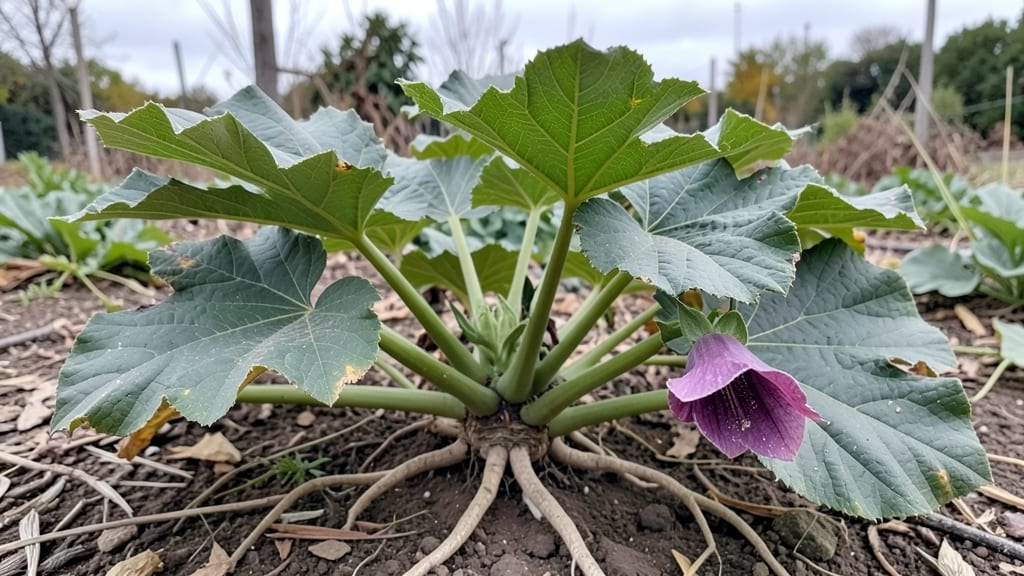
Growing the devil's flower plant—Lobelia erinus—is like adding a splash of neon to your garden, and it actually survives winter. 🌿 This trailing beauty thrives in cooler climates, producing vibrant blue, purple, or white blooms that cascade like tiny waterfalls over containers and garden edges.
The name might sound ominous, but this plant is anything but—it’s a hardy, low-maintenance stunner that even black-thumb gardeners can master.
You’ll need well-draining soil (regular potting mix works), partial shade to protect its delicate leaves, and consistent moisture—think of it like a thirsty houseplant but tougher. Plant it in hanging baskets, window boxes, or along garden borders where its trailing habit can shine.
The key to keeping it blooming is deadheading spent flowers and fertilizing lightly every few weeks. Unlike many annuals, this one often self-seeds, giving you free plants year after year.
What you’ll end up with is a garden corner that looks like it belongs in a postcard—soft, velvety foliage framed by clusters of tiny, jewel-toned flowers. It’s perfect for adding color to shady spots where other plants struggle, and it even attracts pollinators like bees and butterflies.
Plus, it’s non-toxic, so pets and kids can enjoy it too. The only downside? You might need to pinch back leggy stems to keep it bushy.
Works in zones 3-11, making it one of the most adaptable annuals around. For experienced gardeners, try propagating from cuttings in early spring to get a head start on the season. Ready to turn your garden into a devilishly beautiful display? Let’s get growing!
📚 In This Guide
- What you need
- Instructions
- Tips and common mistakes
- Wrapping up and next steps
What you need
- ● Devil’s Flower Seeds or Tubers: 3–5 seeds (if starting from seed) or 1–2 mature tubers (for faster growth). Opt for organic, disease-free sources.
- ● Well-Draining Soil Mix: 50% premium potting soil + 30% perlite + 20% compost (or a pre-mixed cactus/succulent blend). Critical for preventing root rot!
- ● Growing Containers: 1–2 ceramic or terracotta pots (10–12 inches deep) with drainage holes, or a raised bed (if planting outdoors).
- ● Slow-Release Fertilizer: 1 packet of balanced organic fertilizer (10-10-10 or similar) for nutrient-rich soil.
- ● Garden Trowel: 1 medium-sized trowel for planting tubers/seeds.
- ● Spray Bottle: For gentle watering (avoid over-saturating seeds).
- ○ Pruning Shears: Small pair for trimming dead foliage or harvesting (optional but handy!).
- ● pH Test Kit: To ensure soil pH is 6.0–7.0 (Devil’s Flower prefers slightly acidic to neutral soil).
- ○ Grow Lights (Optional): LED full-spectrum lights if growing indoors with limited sunlight.
- ● Sunlight: Full sun (6+ hours daily) or partial shade in hot climates. Pro tip: Morning sun is ideal to avoid scorching!
- ● Temperature: Hardy to 20°F (-6°C), but thrives in 60–75°F (15–24°C). Use frost cloth in colder zones if needed.
- ● Watering Schedule: Water deeply once weekly (reduce in winter). Never let soil stay soggy!
- ● Patience: Tubers take 2–3 years to mature and bloom. Seeds may take even longer!
Step-by-Step instructions for cultivating devil's flower plants
Here's how I grow these hardy perennials—no fuss, just stunning frost-resistant blooms that come back every year.
🌱 Step 1: Choose the Perfect Planting Spot
Devil's flower thrives in partial shade to full sun, but I've found it handles morning sun best—especially in hotter climates. Look for a spot where it gets at least 4-6 hours of indirect light daily. Too much harsh afternoon sun can scorch the leaves, while too little light means fewer blooms.
Well-draining soil is critical. These plants hate soggy roots, so if your soil stays wet for more than a day after rain, amend it with 2-3 inches of compost or plant in a raised bed. I always test drainage by digging a hole, filling it with water, and watching how quickly it drains—if it takes longer than an hour, improve the site first.
💧 Step 2: Plant at the Right Time and Depth
Spring is ideal for planting devil's flower, but I've successfully transplanted in early fall too. Dig a hole twice as wide as the root ball but only as deep—the top of the root ball should sit level with the surrounding soil. Pressing the soil too hard around the roots can suffocate them.
Space plants 18-24 inches apart to give them room to spread. I like to plant mine in small clusters of three for a fuller look. Water deeply right after planting to settle the soil and remove any air pockets around the roots. You'll know it's done right when the soil surface looks slightly firm but not compacted.
☀️ Step 3: Water Wisely for Strong Growth
Water devil's flower once a week during the first growing season, but adjust based on rainfall. The key is deep watering—soak the soil until it's 6 inches deep rather than giving shallow drinks. This encourages deep root growth, which makes the plant more drought-tolerant over time.
After the first year, these plants are remarkably drought-resistant. You'll see it when the leaves start to wrinkle slightly—that's your signal to water. Overwatering is the biggest mistake I see; these plants prefer to dry out between waterings. In winter, cut back to watering every 3-4 weeks unless you're in a particularly dry climate.
✂️ Step 4: Prune for Health and More Blooms
Deadhead spent blooms regularly to encourage more flowers. I use clean, sharp scissors to snip just above a set of leaves or a new growth node. This prevents the plant from wasting energy on seed production. Prune lightly in early spring to shape the plant and remove any dead or damaged foliage.
In late fall, cut back the foliage by one-third to tidy up the plant and prepare it for winter. Don't worry about removing all the leaves—some natural mulch helps protect the roots from freezing temperatures. I always prune on a dry day to prevent fungal issues from spreading.
🪴 Step 5: Protect and Maintain Year-Round
Devil's flower is famously frost-resistant, but young plants or extreme cold may need protection. In zones with below 10°F winters, mound 2-3 inches of mulch around the base of the plant. I use shredded bark or straw, keeping it 2 inches away from the stems to prevent rot.
Fertilize lightly in early spring with a balanced 10-10-10 fertilizer. Too much nitrogen leads to lush foliage but fewer flowers. You'll know it's working when you see new growth within 2-3 weeks of applying fertilizer. Avoid fertilizing in late summer—it encourages tender new growth that won't survive winter.
Tips & tricks for perfect devil's flower plant cultivation
A few simple strategies that'll help your devil's flower thrive with minimal effort.
Location is Everything: In Step 1, when choosing your planting spot, pay special attention to the morning sun rule. I've found that devil's flower handles morning sun beautifully, especially in hotter climates. If you're unsure about your spot, try this test: place a white board where you're considering planting and check it after 4-6 hours. If it's warm but not scorching, that's your ideal location.
Soil Test Matters: Before planting, don't skip the drainage test mentioned in Step 1. I learned this the hard way—after losing a few plants to soggy roots. Fill a hole with water and time how long it takes to drain. If it takes longer than an hour, you'll need to amend your soil with 2-3 inches of compost or create a raised bed. Well-draining soil is the foundation for healthy devil's flower.
Watering Wisdom: When you're establishing your plants in Step 3, remember that devil's flower prefers deep watering to shallow drinks. Aim to soak the soil until it's 6 inches deep—this encourages strong root development. After that first year, you'll notice the plants become remarkably drought-tolerant. The wrinkling leaves signal is your friend—it's nature's way of telling you it's time to water.
Pruning Payoff: In Step 4, when deadheading spent blooms, be strategic about where you cut. Always snip just above a set of leaves or a new growth node. This simple technique prevents the plant from wasting energy on seed production and encourages more blooms. I've seen plants double their flower production just by being consistent with this pruning method.
Pro Tips for The Devil'S Flower Plant
- A few simple strategies that'll help your devil's flower thrive with minimal effort.
- Location is Everything: In Step 1, when choosing your planting spot, pay special attention to the morning sun rule.
- Soil Test Matters: Before planting, don't skip the drainage test mentioned in Step 1.
Frequently asked questions
Is The Devil’s Flower really frost-resistant?
This plant thrives in USDA Zones 3-8 and handles winter down to -30°F (-34°C). Its rhizomes (underground stems) act like built-in insulation, so no extra protection is needed unless you’re in an extreme microclimate. Just plant in well-draining soil, and it’ll bounce back yearly.
How long does it take for The Devil’s Flower to bloom?
Patience pays off—first blooms typically appear 2-3 years after planting from seed, but divided rhizomes (transplants) may flower in their first or second spring. For faster results, opt for nursery-grown plants. Once established, expect 3-4 weeks of dramatic, nodding blooms in late spring.
What’s the best alternative if my garden gets too shady?
If your space is too dark (full shade = <6 hours of light), try these shade-tolerant cousins:
- Bleeding Heart (Dicentra spectabilis) – Similar heart-shaped blooms, but less cold-hardy.
- Japanese Anemone (Anemone × hybrida) – Thrives in shade and blooms late summer.
- Hellebore (Helleborus niger) – Winter-blooming and shade-loving.
Why aren’t my Devil’s Flower leaves turning green?
Yellowing or pale leaves usually signal nutrient deficiencies or overwatering. Try this:
Yes! Deadhead spent blooms to encourage more flowers, but wait until foliage yellows (late summer/early fall). Then, cut back stems to the ground—the rhizomes store energy for next year’s growth. Never prune before winter; the plant relies on leaves for photosynthesis until dormancy.
If leaves stay yellow, check for pests like slugs (they love tender new growth).
Do I need to cut back Devil’s Flower after blooming?
Wrapping up and next steps
The Devil’s Flower Plant isn’t just a stunning, frost-resistant addition to your garden—it’s a low-maintenance superstar that rewards patience with vibrant blooms year-round. Whether you’re a seasoned gardener or a curious beginner, this hardy plant proves that beauty and resilience go hand in hand. 🌱
Ready to level up your green thumb? Start by gathering your supplies, picking the perfect spot, and following the steps above. Before you know it, your garden will be bursting with dramatic, devilishly beautiful flowers—and you’ll be the envy of the neighborhood! 🌸✨