
Pests
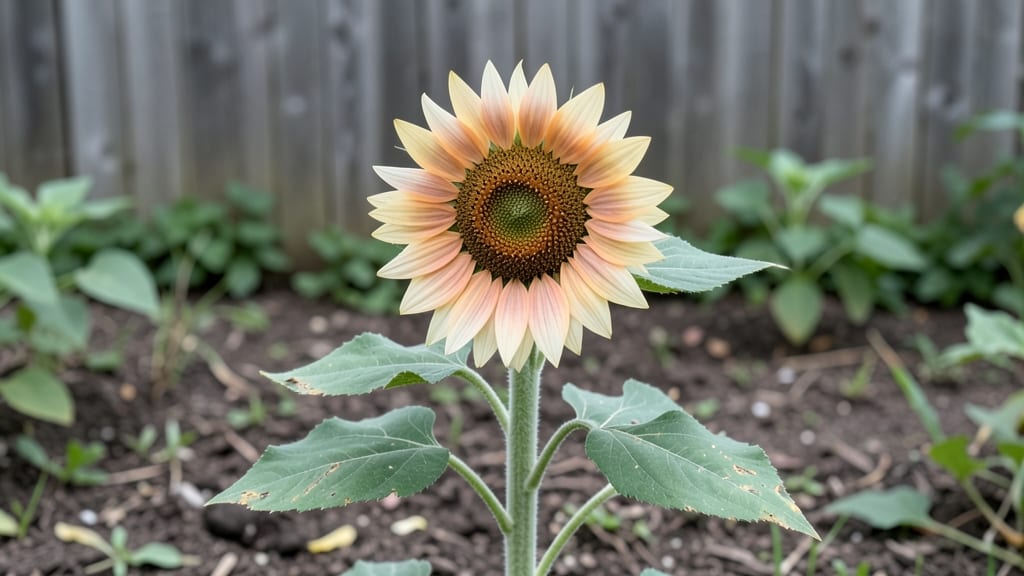
The colors of teddy bear sunflowers—peach, cream, and soft yellow—bring a burst of whimsical charm to any garden with their velvety petals. 🌻 I fell in love with them after seeing how they transformed a child’s play area. into a fairy-tale setting—those oversized, fuzzy blooms look like giant teddy bears hugging the sun.
The secret to their magic lies in their textured petals and playful colors, which stand out against traditional sunflowers with their bold, uniform hues.
These sunflowers thrive in full sun and well-drained soil, making them perfect for flower beds, borders, or even large containers near play spaces. Pair them with purple coneflowers or lavender to create a soft, dreamy contrast, or plant them alongside marigolds for a pop of golden warmth.
Their low-maintenance nature means they’ll keep blooming from mid-summer through fall, giving kids a living playground of color.
Imagine a garden where children can pick flowers for crafts or simply admire the giant "teddy bears" swaying in the breeze. The fuzzy texture invites touch, and the sunny hues brighten even the dullest days.
With proper spacing (about 2 feet apart), they’ll grow tall enough to frame a sandbox or shade a picnic table while adding a touch of whimsy to outdoor living.
For best results, plant them in early spring after the last frost—May works well in most zones—and watch them grow into a living centerpiece that kids and adults alike will adore.
Their late-season blooms also attract bees and butterflies, turning your garden into a buzzing, beautiful ecosystem. Ready to add some magic to your outdoor space?
📚 In This Guide
- What you need
- Instructions
- Tips and common mistakes
- Wrapping up and next steps
What you need
- ● Sunflower seeds: 1 lb (preferably Teddy Bear variety—check seed packets for non-GMO and heirloom options)
- ● Potting soil: 5–10 gallons (lightweight, well-draining mix with compost)
- ● Containers or garden beds: 5–10 large pots (12"+ diameter) or
- ● Direct-sow space in a sunny, well-drained area (6+ hours of sunlight/day)
- ● Fertilizer: Balanced, slow-release (10-10-10 ratio) or organic options like fish emulsion
- ● Watering can or hose: With a gentle spray nozzle
- ○ Garden gloves: (Optional but highly recommended for little hands!)
- ● Pastel or bright paint: Non-toxic, kid-safe (for decorating pots with sunflower faces!)
- ● Stickers or markers: To add whimsical details like teddy bear ears or smiles
- ● Pebbles or decorative rocks: For pot drainage and aesthetic appeal
- ● Sunflower-themed toys: Stuffed animals, books, or plushies to inspire play alongside your garden
How to create a whimsical teddy bear sunflower garden for kids
Bring playful charm to your yard with these cheerful, child-friendly blooms that grow fast and brighten every corner.
🌱 Step 1: Choose the Right Varieties for Playful Color
Select dwarf teddy bear sunflower varieties like 'Teddy Bear' or 'Moulin Rouge' for compact growth (typically 2-3 feet tall). These stay manageable for kids to reach while still making a bold statement. I always pick mixed colors—deep reds, sunny yellows, and creamy whites—to create a rainbow effect that delights little ones.
Buy seeds from a reputable supplier to ensure true colors and disease resistance. Avoid giant varieties—they can overwhelm small spaces and become top-heavy in wind. Plant at least 4-6 plants to create a cohesive focal point that kids can admire from all angles.
☀️ Step 2: Prepare a Sunny, Well-Drained Spot
Teddy bear sunflowers thrive in full sun (6+ hours daily) and loose, fertile soil. Clear the area of weeds and rocks, then loosen the top 6-8 inches of soil with a garden fork. Amend with 2 inches of compost to improve drainage and nutrient availability—sunflowers hate soggy roots.
If your soil is heavy clay, mix in 1 part perlite or coarse sand to help water drain. Test the spot by digging a small hole—if water pools instead of draining within 15 minutes, raise the bed slightly or create a mound. Kids love digging in the soil, so make it easy for them to help with light raking and compost mixing.
💧 Step 3: Plant Seeds at the Right Depth and Spacing
Sow seeds ½ inch deep and 12-18 inches apart in rows 2 feet apart to allow airflow and prevent fungal diseases. Press the soil gently around each seed to ensure good contact—this helps roots anchor quickly. I like to let kids drop the seeds into the holes (with supervision) to make planting feel like a game.
Water deeply right after planting to settle the soil and trigger germination. Keep the area consistently moist (not soggy) until seedlings reach 3-4 inches tall. Use a gentle watering can or soaker hose to avoid disturbing the soil—sunflower seeds are tiny and can wash away easily.
🌿 Step 4: Maintain with Minimal Fuss for Long-Lasting Blooms
Once established, water deeply 1-2 times per week, aiming for 1 inch of water total. Let the top 1-2 inches of soil dry between waterings to prevent rot. Fertilize lightly with a balanced 10-10-10 formula when plants are 6 inches tall, using ½ teaspoon per plant. Too much fertilizer makes stems weak and prone to falling over.
Watch for aphids or powdery mildew—common in humid areas. Spray plants with a neem oil solution (1 tsp per quart of water) at the first sign of pests. Deadhead spent blooms to encourage more flowers and prevent self-seeding (unless you want surprises next year!). Kids can help with this step by gently pinching off faded blooms.
⏰ Step 5: Enjoy the Whimsical Display and Plan for Next Year
The fun doesn’t end when the flowers bloom! Let kids measure the sunflowers weekly to track growth—it’s a great way to teach patience and observation. When blooms fade, leave the seed heads for birds or cut them for dried arrangements. Save seeds from the best-colored flowers to replant next season.
For a lasting display, plant annuals like marigolds or zinnias around the sunflowers to extend the color show. Add a small bench or stepping stones nearby so kids can sit and enjoy their garden masterpiece. The goal is a space that sparks joy—so let creativity guide the details!
Tips & tricks for perfect whimsical teddy bear sunflower gardens
Creating a magical sunflower garden for kids doesn't have to be complicated—just a few simple tricks can make all the difference in how vibrant and playful your garden becomes.
Variety Selection: When choosing your dwarf teddy bear sunflower varieties, look for seed packets that specify "mixed colors" or "rainbow blends." These often include not just the classic yellows but also deep reds, oranges, and creamy whites that create that magical rainbow effect kids adore. I've found that 'Moulin Rouge' varieties often have the most consistent color variations—worth the slightly higher price for that extra wow factor.
Soil Preparation: The 15-minute drainage test in Step 2 is crucial—don't skip it! If your soil drains too slowly, create a raised bed using landscape fabric and compost to improve drainage. For heavy clay soil, mix in equal parts perlite and compost (not just sand) for better structure. Kids love helping with this step, so turn it into a "garden detective" game where they test different spots for drainage.
Planting Engagement: Make planting day extra special by letting kids decorate their own seedling markers using popsicle sticks and washable markers. Write each child's name on their plants so they can take ownership. For the ½-inch planting depth, use a ruler or even a popsicle stick marked with the measurement to ensure consistency—this prevents planting too deep, which can delay germination.
Maintenance Made Fun: Turn watering into a learning activity by using measuring cups to demonstrate the 1-inch weekly water requirement. For pest control, let kids mix the neem oil solution (1 tsp per quart) in a spray bottle—they'll love the "garden scientist" role. And when deadheading, turn it into a game of "find the faded flowers" with small prizes for the most found!
Pro Tips for Teddy Bear Sunflower Colors
- Creating a magical sunflower garden for kids doesn't have to be complicated—just a few simple tricks can make all the difference in how vibrant and playful your garden becomes.
- Variety Selection: When choosing your dwarf teddy bear sunflower varieties, look for seed packets that specify "mixed colors" or "rainbow blends."
- Soil Preparation: The 15-minute drainage test in Step 2 is crucial—don't skip it!
Frequently asked questions
about teddy bear sunflower colors in your whimsical garden—here’s what you need to know!What colors do teddy bear sunflowers typically come in?
Teddy bear sunflowers (like Helianthus ‘Teddy Bear’) usually bloom in cheerful yellow centers with dark brown or chocolate petals. Some varieties may have hints of orange or cream, but these classic hues are the most common. For extra whimsy, mix them with other sunflower shades like red, pink, or bi-color varieties!
How do I keep pests away from my sunflower garden?
Sunflowers can attract pests like aphids or beetles, but you can deter them naturally! Spray neem oil or introduce ladybugs for organic control. Row covers or companion planting (like marigolds or basil) also help. Avoid overwatering, as soggy soil invites fungus—keep the base dry but the roots hydrated!
When is the best time to plant teddy bear sunflowers?
Plant seeds 2–3 weeks after your last frost in spring (or late summer for fall blooms). They thrive in full sun (6+ hours/day) and well-draining soil. For a longer bloom time, stagger plantings every 2–3 weeks. Cold-hardy varieties can even survive light frosts!
Can I dye teddy bear sunflowers to change their color?
Nope! Sunflower colors are genetically set and can’t be dyed like fabric. However, you can paint their stems or leaves with non-toxic acrylic paint (like gold, pink, or pastel shades) for a playful touch. Just avoid painting the blooms—it may harm bees and butterflies!
What’s the best way to preserve dried teddy bear sunflowers?
Cut stems at an angle, strip leaves, and hang them upside down in a dry, dark place for 1–2 weeks. For extra durability, spray with hairspray before drying. Store in paper bags to prevent moisture. Pro tip: Add a dried flower preservative (like silica gel) to keep them vibrant for months!
Wrapping up and next steps
Transforming your kids’ play area with teddy bear sunflower colors is a fun, creative way to blend beauty with function—while keeping pests at bay! 🌻 These vibrant blooms not only brighten up spaces but also attract beneficial pollinators, reducing the need for harsh chemicals.
Whether you’re planting them in pots, raised beds, or as borders, their cheerful hues and pest-repelling properties make them a must-have for any family-friendly garden.
Ready to turn your outdoor space into a whimsical haven? Start small—pick a sunny spot, gather your supplies, and let the kids join in the planting fun! Soon, you’ll have a playful, pest-resistant paradise that grows as colorful as their imaginations.