
Flowers
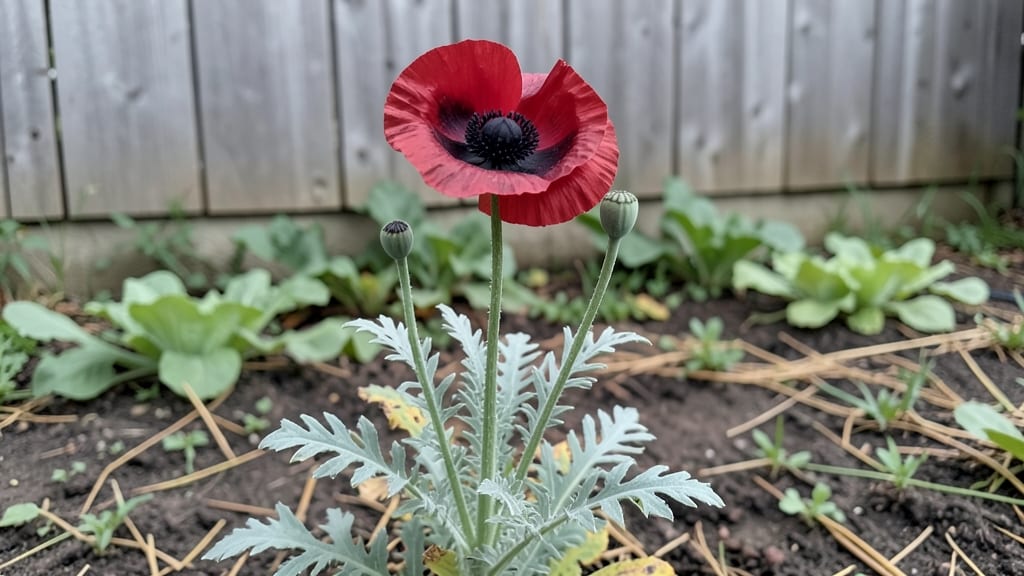
The Moulin Rouge flower isn’t just a plant—it’s a statement piece that turns Pacific Northwest gardens into a dramatic love story. 🌹 Picture deep, velvety red blooms that catch the light like a sunset over Puget Sound, their rich hue impossible to ignore.
This isn’t your grandmother’s garden flower; it’s bold, modern, and designed to steal the show in borders, containers, or mixed beds where it demands attention.
What makes it work so well in PNW gardens? Its disease-resistant nature means fewer worries about rain and cooler temperatures, while its compact growth habit fits perfectly in tight spaces or alongside other perennials.
Pair it with silvery foliage like lamb’s ear or soft blues from delphiniums, and you’ve got a color palette that feels both classic and fresh—like a favorite painting you’ve always wanted in your home.
You’ll end up with a garden that feels alive with movement, as the blooms sway in the breeze and catch the eye from every angle.
The secret is placement: tuck it where it gets morning sun but afternoon shade, and watch it thrive while creating a focal point that neighbors will envy. This isn’t just gardening—it’s curating a space that tells a story.
Whether you’re designing a cottage-style border or a modern container arrangement, Moulin Rouge delivers drama without the fuss. Let’s make your garden the talk of the neighborhood—one bold bloom at a time.
📚 In This Guide
- What you need
- Instructions
- Tips and common mistakes
- Wrapping up and next steps
What you need
- ● Seeds or bulbs: 10–20 Papaver orientale seeds (or 5–10 bulbs) in deep red or burgundy shades. Choose heirloom or hybrid varieties for vibrant color.
- ● Well-draining soil: 1–2 cubic yards of loamy, slightly alkaline soil (pH 6.5–7.5). Mix in coarse sand or perlite (1 part sand to 3 parts soil) to prevent root rot—critical for PNW’s rainy climate!
- ● Sunlight access: A full-sun spot (6+ hours of direct light daily). Partial shade may reduce bloom intensity.
- ● Watering can or hose: With a gentle spray nozzle (poppies hate soggy roots!).
- ● Garden trowel (for planting seeds/bulbs ½–1 inch deep).
- ● Pruners or shears (for deadheading spent blooms).
- ○ Mulch (optional): 2–3 inches of gravel or straw mulch to retain moisture and deter weeds.
- ○ Fertilizer (optional): Low-phosphorus, high-potassium fertilizer (e.g., 5-10-10) applied sparingly in early spring.
- ● Timing: Plant seeds in early spring (March–April) or bulbs in fall (September–October) for PNW’s mild winters.
- ● Patience: Seeds may take 10–14 days to germinate; bulbs bloom in 1–2 years.
- ● Climate prep: Protect young plants from late frosts (use row covers if needed).
How to grow Moulin Rouge flowers for stunning Pacific Northwest gardens
Here's my foolproof method for cultivating these dramatic red blooms—perfect for PNW's cooler climate.
🌱 Step 1: Choose the Right Location and Soil Prep
Moulin Rouge (also called Dahlia 'Moulin Rouge') thrives in full sun to partial shade, making it ideal for PNW gardens where direct sun can be intense. I always plant mine where they get at least 4-6 hours of morning sun and afternoon shade—this prevents the petals from scorching in summer afternoons.
Amend your soil with 2-3 inches of compost mixed into the top 12 inches of soil. These dahlias love rich, well-draining soil with a slightly acidic pH (around 6.0-6.5). If your native soil is heavy clay, create a raised bed or mound to improve drainage—waterlogged roots will kill your plants faster than anything else.
🪴 Step 2: Plant Tubers at the Right Depth and Time
Wait until after your last frost date (usually mid-May in the PNW) before planting. Break up the tuber clusters gently, ensuring each section has at least one "eye" (a small bump where new growth emerges). Plant each section 4-6 inches deep—deeper than you might think, as this encourages strong root development.
Space your tubers 18-24 inches apart in rows 24 inches apart to allow for mature plant size. I always plant mine in early June when soil temperatures reach 60°F—warmer soil speeds up germination and helps prevent rot. Water thoroughly after planting to settle the soil around the tubers.
☀️ Step 3: Provide Consistent Watering and Support
Water your Moulin Rouge dahlias deeply 2-3 times per week, aiming for 1-1.5 inches of water per week. The key is consistent moisture—let the top 2 inches of soil dry out between waterings, but never let the roots dry completely. I use drip irrigation to keep water at the base and prevent fungal diseases that thrive in wet foliage.
Install sturdy stakes or a cage support system at planting time. These dahlias grow 3-5 feet tall with dramatic blooms that need support. I like to use 6-foot bamboo stakes> tied with soft plant ties—this prevents damage to the stems as they grow. Pinch back the central stem when it reaches 12 inches tall to encourage bushier growth and more blooms.
✂️ Step 4: Deadhead and Fertilize for Continuous Blooms
Remove spent blooms by cutting the stem back to the nearest set of leaves. This redirects the plant's energy into producing new flowers instead of seed heads. I do this every 2-3 days during peak bloom season> (July through September in the PNW). Regular deadheading keeps your plants looking tidy and encourages non-stop flowering.
Feed your dahlias with a balanced 10-10-10 fertilizer> every 4-6 weeks> during the growing season. Start with half-strength fertilizer when you see new growth appear in spring, then increase to full strength as the plants establish. Stop fertilizing in late summer to allow the tubers to mature properly for winter storage.
⏰ Step 5: Prepare for Winter and Store Tubers Properly
When the first frost threatens (usually late September to early October in the PNW), cut back the foliage to 6 inches above ground level. Dig up the tubers carefully, shaking off excess soil but leaving some attached to prevent damage. Let them dry in a shady, well-ventilated area for 1-2 days> before storing.
Store the tubers in a cool, dark place at 35-45°F> with good air circulation. I use a cardboard box filled with dry peat moss or vermiculite. Check them monthly and discard any tubers that show signs of rot. With proper storage, your Moulin Rouge tubers will produce stunning blooms year after year—just like the bold romance they're named for.
Tips & tricks for perfect Moulin Rouge dahlias
Here's what I've learned after growing these bold beauties for years in the Pacific Northwest—tricks that make all the difference between good dahlias and showstopping blooms.
Soil Prep Secret: The 2-3 inches of compost in Step 1 isn't just about nutrients—it's about creating the perfect crumbly texture. I like to mix in a handful of perlite or coarse sand to improve drainage, especially if your soil is naturally dense. This helps prevent the dreaded "black spot" fungal disease that can ruin your plants. Think of it as giving your dahlias a cozy, well-drained nest to grow in.
Timing is Everything: Those 4-6 hours of morning sun in Step 1 are critical for PNW gardens. I've found that positioning your dahlias on the east side of your garden gets them perfect morning light while avoiding the harsh afternoon sun that can bleach those gorgeous red petals. And don't forget—if you're in a particularly cool microclimate, you might need to extend that morning sun to 6 hours to compensate.
Watering Wisdom: The 2-3 times per week watering in Step 3 works perfectly, but here's the trick: water in the morning so the foliage has all day to dry. Wet leaves at night invite fungal problems, especially in our damp PNW climate. I also like to water at the base rather than overhead—this keeps those dramatic blooms clean and looking their best for longer. A simple drip irrigation system makes this effortless.
Fertilizer Strategy: When you start with half-strength fertilizer in Step 4, don't be tempted to go full strength too soon. I've seen many gardeners over-fertilize early on, which leads to lush foliage but fewer blooms. Once you see those first true leaves appear (about 3-4 weeks after planting), then you can gradually increase to full strength. And remember—stop fertilizing by late summer to let those tubers mature properly for next year.
Pro Tips for Moulin Rouge Flower
- Here's what I've learned after growing these bold beauties for years in the Pacific Northwest—tricks that make all the difference between good dahlias and showstopping blooms.
- Soil Prep Secret: The 2-3 inches of compost in Step 1 isn't just about nutrients—it's about creating the perfect crumbly texture.
- Timing is Everything: Those 4-6 hours of morning sun in Step 1 are critical for PNW gardens.
Frequently asked questions
Got questions about growing the stunning Moulin Rouge flower in your Pacific Northwest garden? You’re not alone! Here are answers to the most common inquiries to help you cultivate this bold beauty with confidence.
What’s the best time to plant Moulin Rouge flowers in the PNW?
Plant your Alstroemeria ‘Moulin Rouge’ in early spring (March–April) or late summer (August–September) for optimal root establishment. The PNW’s mild winters allow for late planting, but avoid frost—these perennials thrive in USDA Zones 5–9. Pro tip: If planting in fall, do it at least 6 weeks before the first frost to prevent winter damage.
How do Moulin Rouge flowers handle PNW rain?
These flowers are drought-tolerant once established, but the PNW’s frequent rain is no problem—they love well-draining soil. To prevent root rot, ensure your planting spot has sandy loam or amended clay soil with a 3-inch mulch layer (like wood chips or straw). Avoid soggy soil by planting on a slight slope or in raised beds if your yard stays wet.
Can I grow Moulin Rouge flowers in containers?
These flowers thrive in 12–18-inch pots with drainage holes. Use a lightweight potting mix blended with perlite or sand. Place containers in full sun to partial shade (6+ hours of sunlight daily). For container gardening, fertilize every 4–6 weeks with a balanced liquid fertilizer to keep blooms vibrant.
What pests or diseases should I watch for with Moulin Rouge?
Common issues include aphids, spider mites, and slugs—especially in the damp PNW. Aphids can be sprayed off with water or treated with neem oil. Slugs? Set out beer traps or use iron phosphate bait. For fungal diseases (like powdery mildew), ensure good airflow and avoid overhead watering. If leaves yellow, check for overwatering—these flowers prefer moderate moisture, not soggy soil.
How do I keep Moulin Rouge blooming all season?
Deadhead spent blooms regularly to encourage new flowers. Feed with a low-nitrogen, high-phosphorus fertilizer (like 5-10-10) every 6–8 weeks during the growing season. In the PNW, mulch heavily in late fall to protect roots and promote early spring growth. With proper care, these flowers can bloom from late spring to frost!
Wrapping up and next steps
The Moulin Rouge flower isn’t just a burst of color—it’s a statement of bold romance and resilience, perfect for transforming Pacific Northwest gardens into vibrant escapes. With its striking red blooms and easy-care nature, this beauty thrives even in cooler climates, proving that drama and durability can coexist.
Whether you’re a seasoned gardener or just starting, adding this showstopper is a rewarding step toward creating a garden that feels like a Moulin Rouge dream.
Ready to bring this fiery charm to your space? Start small: plant a single Moulin Rouge in a pot or alongside other Northwest-friendly perennials, and watch your garden transform. Grab your tools and dive into planting today! 🌸