
Blooming
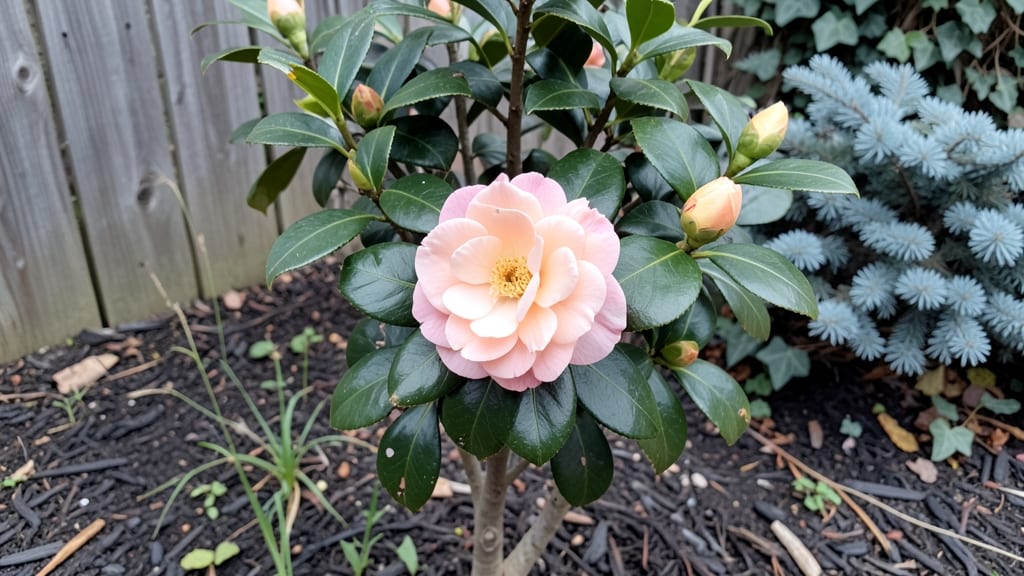
The state flower of Georgia, the peach blossom, isn’t just a flower—it’s a fragrant spring canopy that transforms any garden into a pollinator paradise. 🌸 The moment those delicate pink petals unfurl, they blanket the air with a sweet, honeyed scent that draws bees, butterflies, and hummingbirds in droves.
My first peach tree in the yard became the heart of the garden overnight, not just for its beauty but for the way it turned a quiet corner into a buzzing ecosystem.
The magic happens when you pair it with native companions like azaleas, redbuds, and viburnums—they extend the blooming season from late winter through early summer. Even in small spaces, a single peach tree creates drama, its branches heavy with blossoms that cascade like confetti.
The cultural symbolism runs deep too: these blossoms represent Georgia’s agricultural heritage and resilience, making them a meaningful centerpiece for any landscape.
You’ll end up with a garden that feels alive in ways store-bought annuals never could. The fragrance lingers on warm mornings, the branches sway with pollinators, and the tree’s mature shape adds year-round structure.
It’s the kind of plant that makes neighbors stop and ask, “What’s that incredible smell?”—and then they’re hooked for life.
Works in full sun to partial shade, though the sweetest fragrance comes from trees planted where they get at least 6 hours of sunlight daily. Perfect for traditional Southern gardens, modern pollinator landscapes, or even as a striking focal point in urban courtyards.
Let’s make your garden the talk of the neighborhood—starting with this iconic blossom.
📚 In This Guide
- What you need
- Instructions
- Tips and common mistakes
- Wrapping up and next steps
What you need
- ● Peach tree blossoms: Fresh-cut stems (4–6 inches long) or dried blossoms (if preserving). Pro tip: Pick blossoms in the early morning for the best fragrance! 🌸
- ● Container: A clean vase, mason jar, or even a repurposed bottle (hold at least 12 oz of water).
- ● Water: Room-temperature tap water (avoid distilled or softened water—it lacks minerals for longevity).
- ● Pruners or sharp scissors: For clean cuts (sterilize with rubbing alcohol if reusing).
- ○ Floral preservative (optional but recommended): A packet like Floralife or homemade mix (sugar + bleach + vinegar).
- ● Greenery fillers: Eucalyptus, ferns, or ivy to complement the blossoms.
- ● Ribbon or twine: For a rustic bouquet or garden stake.
- ● Spray bottle: For misting dried blossoms to revive them.
- ● Garden soil or mulch: If planting peach tree saplings (pH 6.0–7.0 preferred).
- ● Pollinator-friendly plants: Native Georgia flowers (e.g., black-eyed Susans) to pair with peach trees.
How to cultivate a Georgia peach blossom canopy for pollinators
Here's how I create a fragrant, pollinator-friendly spring display using Georgia's state flower.
🌱 Step 1: Select and Prepare the Right Peach Variety
Choose a self-pollinating peach variety like 'Elberta' or 'Redhaven'—these produce abundant blossoms even without cross-pollination. I always select trees grafted onto nematode-resistant rootstock to prevent soil-borne diseases that weaken flowering. The tree should be 3-5 years old when planted, as younger trees focus energy on root growth rather than blossoms.
Before planting, prune any dead or crossing branches to open the canopy. This creates space for sunlight to reach inner branches where blossoms form. I make cuts just outside the branch collar, using clean, sharp pruners to prevent tearing. The goal is to shape a vase-like form with a wide base and narrower top—this encourages blossoms to develop along the scaffold branches.
☀️ Step 2: Plant in Full Sun with Well-Draining Soil
Georgia peach blossoms thrive in full sun (6-8 hours daily), so choose a south-facing location. Amend native clay soil with 3-4 inches of compost and 1 inch of sand to improve drainage—peach trees hate soggy roots. I dig a hole twice as wide as the root ball but only as deep as the container's bottom.
Place the tree so the graft union sits 2-3 inches above soil level. This prevents the rootstock from sending up unwanted suckers. Backfill with native soil mixed with compost, tamping gently to remove air pockets. Water deeply to settle the soil, then apply 2-3 inches of mulch around the base, keeping it 6 inches away from the trunk to prevent rot.
💧 Step 3: Water and Fertilize for Maximum Blossoms
Water newly planted trees 1-2 times weekly until established, providing 1-2 gallons per watering. During bloom season, increase to 2-3 gallons twice weekly—blossoms are heavy and require consistent moisture. I water deeply in the morning to reduce fungal risks and let the tree absorb moisture before evening humidity sets in.
Apply a balanced 10-10-10 fertilizer in early spring before buds swell, then switch to a low-nitrogen, high-phosphorus formula (5-10-10) during bloom to encourage flower production. Avoid high-nitrogen fertilizers—they promote leafy growth at the expense of blossoms. I also side-dress with composted manure in late winter to boost soil biology, which improves nutrient uptake.
✂️ Step 4: Prune Strategically to Enhance Blossoms
Prune 2-3 times yearly: first in late winter to remove dead wood, then after harvest to shape the tree, and finally in early summer to thin out crowded branches. I focus on open-center pruning, removing branches that grow inward or cross—this improves air circulation and sunlight penetration, both critical for blossom production.
Watch for water sprouts (vigorous vertical shoots) and remove them immediately. These steal energy from blossom production. Thin out clusters of blossoms to 1-2 per spur—overcrowded blossoms yield smaller fruit and reduce overall bloom quantity. The key is balance: enough blossoms for a stunning display, but not so many that the tree struggles to support them.
🐝 Step 5: Support Pollinators During Bloom Season
Plant native pollinator-friendly companions like blackberry bushes, crimson clover, or butterfly weed within 50 feet of your peach tree. These provide nectar sources when peach blossoms fade. I also install a small water feature nearby—a shallow dish with pebbles and fresh water attracts bees and butterflies.
Avoid pesticides entirely during bloom season—even "organic" sprays can harm pollinators. If aphids appear, blast them off with a strong stream of water instead. Healthy trees with robust canopies naturally resist most pests. By mid-spring, you'll see a sea of pink blossoms that draws bees, butterflies, and hummingbirds, creating a living tapestry of color and life.
Tips & tricks for perfect Georgia peach blossom canopy
Here's how to transform your Georgia peach tree into a fragrant spring spectacle that pollinators will adore.
Tree Selection is Everything: When choosing between 'Elberta' and 'Redhaven', I always opt for 'Redhaven' in warmer Georgia regions—it blooms slightly later, avoiding late spring frosts that can damage blossoms. For colder microclimates, 'Elberta' is more frost-tolerant. Remember, self-pollinating varieties like these produce abundant blossoms, but planting two different varieties within 50 feet creates a pollinator paradise with better fruit set.
Soil Preparation Secret: The 3-4 inches of compost and 1 inch of sand in Step 2 isn't just about drainage—it's about creating the perfect microbial environment. Georgia's native clay soil benefits from this amendment for years. I like to add a handful of mycorrhizal fungi to the planting hole too; these beneficial fungi help the tree's roots absorb water and nutrients more efficiently, setting the stage for vigorous blossoming.
Watering Wisdom: Those 1-2 gallons per watering in Step 3 should be applied slowly to avoid runoff, especially in clay soil. I use a soaker hose for newly planted trees to deliver water directly to the root zone without wetting the foliage—this prevents fungal diseases that can stress the tree during bloom season. During the critical 2-3 gallons twice weekly period, I split the watering into morning and late afternoon sessions to maximize absorption.
Pruning Precision: When thinning blossom clusters to 1-2 per spur in Step 4, focus on removing the smallest blossoms first—they're less likely to develop into fruit anyway. This strategic thinning ensures the remaining blossoms get optimal sunlight and air circulation, which translates to larger, more vibrant blooms. I always prune on dry days to minimize disease risk, and I sterilize my pruners with rubbing alcohol between cuts to prevent spreading any potential pathogens.
Pro Tips for State Flower Georgia Peach Blossom
- Here's how to transform your Georgia peach tree into a fragrant spring spectacle that pollinators will adore.
- Tree Selection is Everything: When choosing between 'Elberta' and 'Redhaven', I always opt for 'Redhaven' in warmer Georgia regions—it blooms slightly later, avoiding late spring frosts that can damage blossoms.
- Soil Preparation Secret: The 3-4 inches of compost and 1 inch of sand in Step 2 isn't just about drainage—it's about creating the perfect microbial environment.
Frequently asked questions
about Georgia’s state flower, the peach blossom, are common among gardeners, nature lovers, and curious minds! Here are some answers to help you appreciate and care for these delicate blooms.When do peach blossoms bloom in Georgia?
Peach blossoms typically bloom in late winter to early spring, usually between February and April, depending on weather conditions. Warmer winters may trigger earlier blooms, while cold snaps can delay them. These fleeting flowers last only 5–7 days, making them a stunning but short-lived spring spectacle!
Why aren’t peach blossoms the same color as peaches?
Peach blossoms are usually pale pink to white, while peaches themselves range from yellow to white. The blossoms’ color is tied to pollinator attraction—bright, soft hues stand out to bees and butterflies, ensuring fruit production. The fruit’s color develops later as it ripens, influenced by sunlight and genetics.
Are peach blossoms good for pollinators?
Absolutely!
Peach blossoms are a superfood for pollinators, providing nectar and pollen for bees, butterflies, and hummingbirds. Planting peach trees (or native alternatives like Prunus angustifolia) supports local ecosystems. Just avoid pesticides during bloom time to protect these vital visitors!
Can I grow peach blossoms in containers or small gardens?
While full-sized peach trees need space, dwarf varieties (like ‘Bonanza’ or ‘Redhaven’) thrive in containers or small yards. Ensure the pot is at least 15–20 gallons with drainage, and place it in full sun. For blossoms without fruit, try ornamental Prunus species like ‘Okame’ cherry, which mimics the look with easier care.
What should I do if my peach tree’s blossoms fall off?
Blossom drop can happen due to cold weather, frost, or poor pollination. If it’s early spring, wait a few days—new blooms may emerge. For persistent issues, check for pests (like aphids) or disease (e.g., bacterial leaf spot). Improve soil health with compost and ensure the tree gets 6–8 hours of sunlight daily.
Are there non-fruiting peach trees just for blossoms?
Yes! Ornamental peach trees (e.g., ‘Frostweed’ or ‘Chickasaw’) focus on stunning blossoms without producing fruit. They’re low-maintenance and perfect for landscapes. Just note they’re not cold-hardy—plant in USDA Zones 5–9 for best results.
Wrapping up and next steps
The Georgia peach blossom isn’t just a symbol of Southern beauty—it’s a lifeline for pollinators and a celebration of spring’s fleeting magic. 🌸 From nurturing your own blossoms to appreciating their role in ecosystems, every step connects you to nature’s rhythms. Ready to dive deeper?
Take the next step: plant a peach tree or visit a local garden to witness these fragrant blooms in person. Share your journey with fellow gardeners or explore how you can support pollinator-friendly landscapes in your community!