
Planting
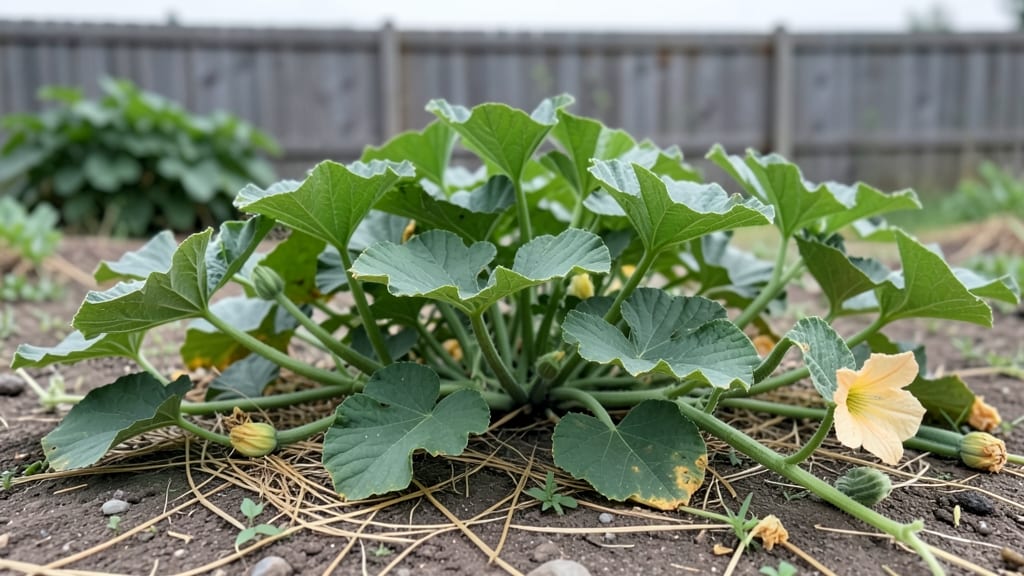
Your squash plant is covered in flowers but refuses to set fruit—this is one of the most frustrating garden mysteries. 🌿 I’ve spent three summers watching my zucchini and butternut squash bloom only to see those flowers fall off without a trace, and I finally cracked the code on why it happens.
The good news? It’s almost always fixable with a few targeted adjustments.
The most common culprits are pollination problems, temperature swings, or nutrient imbalances—all of which you can diagnose with a quick walk around your garden.
Squash flowers are notoriously picky about weather (too hot or too cold shuts down pollinators), and even healthy plants can drop blossoms if they’re not getting enough phosphorus or calcium.
The fix often starts with a closer look at the flowers themselves: male flowers (with stems) and female flowers (with tiny squash bumps) need different care.
Once you identify the issue, the solutions are simple: hand-pollinate stubborn flowers, adjust watering to avoid stress, or add a balanced fertilizer. Within 7–10 days, you’ll see those female flowers swelling into fruit instead of wilting away. The key is acting fast—before the next heatwave or pest outbreak hits.
This works for all summer squash varieties, from bush types to vining varieties, and even applies to winter squash if you’re growing them in warm climates. Let’s get those plants producing before the season slips away.
📚 In This Guide
- What you need
- Instructions
- Tips and common mistakes
- Wrapping up and next steps
What you need
- ● Hand lens or magnifying glass (1x) – For closely inspecting flowers, stems, and leaves for pests or damage.
- ● Pruning shears or sharp scissors – Sterilized (rubbing alcohol wipe) for trimming dead blooms or vines.
- ● pH testing kit (soil or liquid) – To check soil acidity (ideal range: 6.0–7.0 for squash).
- ● Organic fertilizer (balanced 10-10-10 or compost) – 1–2 cups per plant, applied every 2–3 weeks.
- ● Watering can with a fine rose attachment – For gentle, deep watering (avoid wetting flowers).
- ● Yellow sticky traps (2–4 traps) – To monitor for squash vine borers or other pests.
- ● Baking soda solution (1 tsp baking soda + 1 quart water + few drops of dish soap) – For fungal issues like powdery mildew.
- ● Row covers or lightweight fabric – To protect flowers from extreme heat or pests during pollination.
- ● Pollination spray (e.g., sugar water or commercial pollinator spray) – Mix 1 tbsp sugar + 1 cup water for a DIY boost.
- ● Thermometer – To check daytime temps (squash thrives in 70–90°F; above 90°F can cause blossom drop).
- ● Compost or well-rotted manure – Improves soil fertility and moisture retention.
- ● Neem oil or insecticidal soap – For treating pests like aphids or mites that stress plants.
How to fix squash plants that flower but never produce fruit
Here’s the straightforward approach I’ve used to turn struggling squash plants into fruit-bearing powerhouses.
🌱 Step 1: Check for Pollination Problems
Most squash flowers need hand-pollination if bees aren’t visiting. On warm, dry days, bees avoid flowers, leaving them to drop without fruit. I check flowers in the morning—if they’re open but no bees buzz around, it’s time to help.
Use a small paintbrush or cotton swab to transfer pollen from the male flowers (the ones with long stems) to the female flowers (the ones with tiny squash bumps at their base). Do this for 3-5 days until you see bees returning. Real talk: this is the fastest fix for blossom drop.
☀️ Step 2: Adjust Watering and Fertilizing Practices
Overwatering or uneven moisture stresses plants and causes flowers to drop. I water squash plants deeply once every 2-3 days—enough so the soil stays 1-2 inches moist but never soggy. You’ll know it’s right when the topsoil feels damp but not wet.
Too much nitrogen (from fertilizer) also leads to leafy growth and no fruit. Switch to a low-nitrogen, high-phosphorus fertilizer (like 5-10-10) and apply it every 3-4 weeks during flowering. Avoid fertilizing right after transplanting—wait until the plants show 4-6 true leaves first.
✂️ Step 3: Thin Out Overcrowded Vines
Squash plants need space to grow strong. If vines are tangled or leaves block sunlight, flowers won’t develop properly. I prune back any overly vigorous side shoots that aren’t producing flowers, keeping only the healthiest 2-3 main vines per plant.
Remove any yellowing or diseased leaves immediately—they sap energy from the plant. Thin plants so they’re 3-4 feet apart (or follow your variety’s spacing). This ensures better airflow and more sunlight, which directly boosts fruit production.
💧 Bonus: Monitor Temperature and Humidity
Squash flowers drop when temperatures hit above 90°F or drop below 55°F. If your area gets hot, provide afternoon shade with a light cloth or row cover. I also mist the plants early in the morning to keep humidity up—just enough to see tiny water droplets on leaves.
If humidity’s too low, flowers won’t last long enough for pollination. A simple drip irrigation system (set to run in the early morning) keeps roots happy and flowers viable.
Tips & tricks for reviving your squash plants
Here’s how to turn those blooming squash plants into fruit-bearing champions—without losing your gardening sanity.
Timing is Everything: Hand-pollinate squash flowers in the morning when they’re fresh and open. I’ve found that doing this for 3-5 days gives bees time to catch on and take over. If you miss the morning window, wait until late afternoon—but never pollinate after 3 PM, as flowers close and won’t accept pollen.
Soil Moisture Secrets: The 1-2 inch moist guideline is key, but here’s the trick: water deeply only when the topsoil feels dry to the touch. I use a moisture meter to check—if it reads dry at 1 inch, it’s time to water. Overwatering causes blossom drop faster than any other factor, so let the soil dry slightly between waterings.
Fertilizer Timing: Wait until your squash plants have 4-6 true leaves before fertilizing—this is when they’re ready to handle nutrients. I switch to a 5-10-10 formula during flowering because the extra phosphorus promotes fruit development. Pro tip: Mix fertilizer with water and apply it in the morning so plants have all day to absorb it.
Temperature Rescue: If your area hits above 90°F, provide afternoon shade with lightweight row covers or even a simple white sheet draped over a frame. For cooler nights below 55°F, I’ve had success using floating row covers to trap heat. The goal is to keep flowers viable long enough for pollination to happen naturally.
Pro Tips for Squash Plant Flowers But No Fruit
- Here’s how to turn those blooming squash plants into fruit-bearing champions—without losing your gardening sanity.
- Timing is Everything: Hand-pollinate squash flowers in the morning when they’re fresh and open.
- Soil Moisture Secrets: The 1-2 inch moist guideline is key, but here’s the trick: water deeply only when the topsoil feels dry to the touch.
Frequently asked questions
Got squash blossoms but no fruit?
You’re not alone—this is a common gardening puzzle! Below, we’ve rounded up the most frequently asked questions about why your squash plants are flowering but not producing fruit, plus quick fixes to turn those blooms into a bountiful harvest.
Why are my squash flowers falling off without forming fruit?
This usually happens due to pollination failure—either from pests, poor weather, or lack of pollinators like bees. Squash flowers are perfectly designed for cross-pollination, so if the male flowers (with long stems) aren’t transferring pollen to the female flowers (with tiny squash bumps at the base), the blossoms drop. Try hand-pollinating or check for pests like squash vine borers.
How long does it take for squash to fruit after flowering?
With proper pollination, female squash flowers should develop into fruit within 7–14 days. If you’ve been patient for 3+ weeks and still see no growth, it’s time to troubleshoot. Check for nutrient deficiencies (especially nitrogen or phosphorus), watering issues, or environmental stressors like extreme heat or cold.
Can squash plants produce fruit without bees?
Yes! While bees are the #1 pollinators, you can mimic their work with a paintbrush or cotton swab. Gently transfer pollen from male flowers (the ones with no bulge at the base) to the female flowers (look for the tiny squash forming behind the bloom). Do this in the morning when flowers are open and pollen is fresh.
What can I do if my squash plants keep dropping flowers?
Start with these 3 quick fixes:
- Hand-pollinate flowers daily (especially if bees are scarce).
- Ensure consistent watering—drought stress causes blossom drop.
- Add a balanced fertilizer (like 10-10-10) to boost nutrient uptake.
Can I still eat the flowers if no fruit develops?
Squash blossoms are edible and delicious—try them in fritters, risotto, or stuffed with cheese. Harvest male flowers (long stems) first, as they’re more tender. Female flowers (with the tiny squash) can also be eaten, but remove the ovary if it’s already forming. Pro tip: Pick flowers in the morning for peak flavor!
Wrapping up and next steps
Don’t let blossom drop discourage you—your squash plant is totally fixable! 🌱 The key is patience, consistency, and addressing the root causes (literally!). Whether it’s pollination issues, nutrient gaps, or environmental stress, small tweaks can turn those pretty flowers into a bountiful harvest.
Ready to take action? Start by observing your plants daily—note the flowers, soil, and weather. Try one fix at a time (like hand-pollinating or adjusting watering) and track progress. Soon, you’ll be rewarded with plump, healthy squash! 🎉
Next step: Pick one solution from this guide and implement it this week. Your future meals (and garden bragging rights) will thank you!