
Flowers
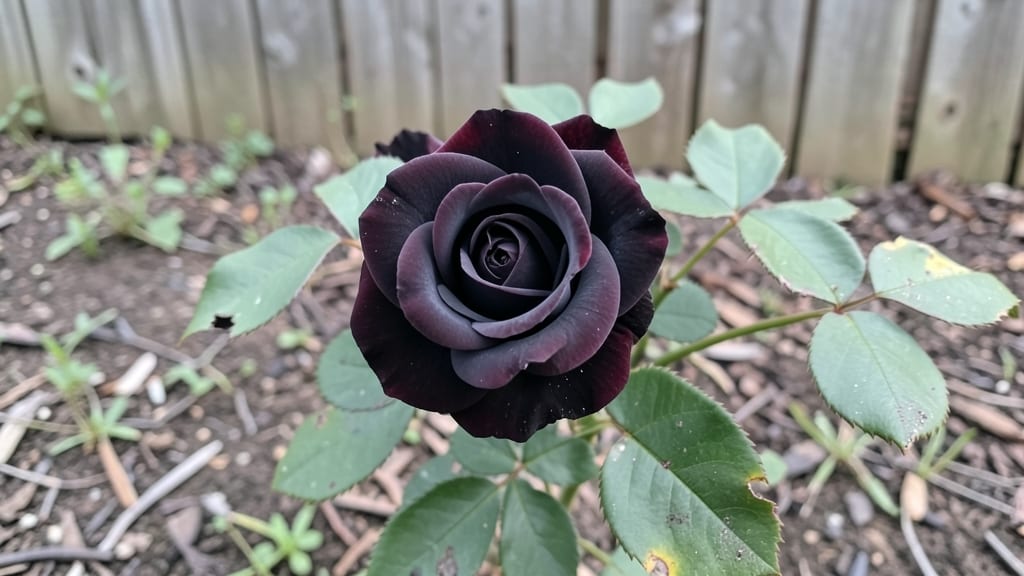
The real black rose flower you’ve always dreamed of—like the deep, velvety "Black Baccara"—exists, and it thrives in your Pacific Northwest garden with stunning drama. 🌿 These near-black hybrids aren’t just striking; they love cooler climates, making them the perfect star for your outdoor oasis. proper care, blooming reliably even when summer fog rolls in.
The secret to their darkest hue lies in well-draining soil rich in organic matter—think composted leaves and a handful of bone meal at planting time. Morning sun and afternoon shade prevent fading, while consistent watering (about 1 inch per week) keeps those velvety petals lush.
Prune in early spring to encourage strong new growth, and you'll get second flushes of blooms through September.
What you end up with is a rose that looks like midnight in your garden—rich, mysterious, and completely photogenic. The trade-off? They demand vigilance against black spot (spray with neem oil preventatively) and require staking to support their heavy blooms.
But the payoff—those deep, jewel-toned flowers—makes every extra step worth it.
Perfect for cutting gardens, cottage-style borders, or as a statement plant near your patio. These roses handle PNW's damp summers better than most, but they still need good air circulation to prevent mildew. Start with one "Black Baccara" and prepare to be the envy of your neighborhood.
📚 In This Guide
- What you need
- Instructions
- Tips and common mistakes
- Wrapping up and next steps
What you need
- ● Black rose plant: 1 Rosa 'Black Baccara' (the most popular true black rose variety) or Rosa 'Black Magic' (darker red-black hybrid). Available at nurseries or online plant shops.
- ● Alternative: Rosa 'Black Pearl' or Rosa 'Black Chocolat' for deeper hues.
- ● Well-draining potting mix: 1 bag (50 lbs) of high-quality garden soil mixed with 20% perlite or coarse sand to prevent root rot (critical in PNW’s damp climate!).
- ● Container or garden bed: Container option: 1 15-20 gallon pot with drainage holes (terracotta or fabric grow bags work best).
- ● Garden bed option: A sunny, slightly elevated spot (to avoid waterlogging) with 6+ hours of sunlight daily.
- ● Fertilizer: 1 balanced rose fertilizer (e.g., 10-10-10 or 5-10-5) for planting.
- ● 1 slow-release granular fertilizer (e.g., Osmocote) for ongoing nutrition.
- ● Garden tools: 1 trowel (for planting)
- ● 1 pruners (sterilized with rubbing alcohol)
- ● 1 gloves (to protect from thorns)
- ● Mulch: 1 bag of wood chips or straw (2–3 inches thick) to retain moisture and regulate soil temperature.
- ○ Support structure (optional but recommended): 1 rose trellis, cage, or sturdy stakes (6+ feet tall for climbing varieties).
- ● Pro tip: Use galvanized wire for DIY trellises—black roses need support!
- ● Watering supplies: 1 hose with adjustable nozzle or watering can (avoid overhead watering to prevent fungal issues).
- ○ 1 moisture meter (optional but helpful for PNW’s unpredictable rain).
- ● Frost cloth: 1 roll (for young plants during late spring/early fall frosts).
- ● Epsom salt: 1 small bag (for magnesium boost in acidic PNW soils).
- ● Fungicide (preventative): 1 bottle of copper-based fungicide (e.g., Copper Soap) to combat common PNW fungal threats like black spot.
How to grow a real black rose in Pacific Northwest climates
Here’s how to cultivate the dramatic, velvety beauty of real black roses—with PNW-specific adjustments.
🌱 Step 1: Choose the Right Black Rose Variety
True black roses aren’t naturally occurring—they’re deep maroon or burgundy cultivars that appear black in full sun. My top pick for the PNW is ‘Black Baccara’ or ‘Black Magic,’ both of which handle cooler summers better than tropical varieties. These roses thrive in zones 5-9, making them perfect for Seattle, Portland, and the Willamette Valley.
Buy bare-root plants in early spring (March-April) from a reputable nursery. You’ll want 4-5 plants to create the bold impact these roses deserve. Look for sturdy canes with multiple buds—they’ll establish faster than spindly stems. I always check for signs of disease or pest damage before bringing them home.
☀️ Step 2: Select a Sunny, Sheltered Location
Black roses need at least 6 hours of direct sun daily, but the PNW’s cloudy summers mean you’ll need to maximize light exposure. South-facing walls or fences work best—these surfaces absorb and reflect heat, helping the roses bloom even on overcast days. If your yard lacks full sun, consider a raised bed with reflective mulch or a south-facing window for container growing.
Protect plants from harsh coastal winds by placing them near a sturdy barrier. I’ve seen roses struggle in exposed sites—leaves scorch and canes break under constant wind stress. Amend the soil with 2-3 inches of compost before planting to improve drainage, which is critical in our rainy climate. The goal is well-draining soil that holds moisture without becoming waterlogged.
🪴 Step 3: Plant with Proper Spacing and Support
Dig a hole twice as wide as the root ball but no deeper—black roses hate having their graft unions buried. Space plants 3-4 feet apart to allow airflow and prevent fungal diseases like black spot, which thrives in the damp PNW. I always loosen the roots gently if they’re circling before placing the plant in the hole.
Install a 5-6 foot tall rose trellis or arbor at planting time—black roses grow upright but can get top-heavy with blooms. Stake each plant immediately with 3-4 foot bamboo stakes tied loosely to the canes. Use soft plant ties that won’t cut into the stems as they thicken. Water deeply after planting to settle the soil around the roots—you’ll see the soil surface firm up slightly when it’s properly settled.
💧 Step 4: Water and Fertilize for PNW Conditions
Water deeply 2-3 times per week during the first growing season, aiming for 1-1.5 gallons per plant each time. The PNW’s cool summers mean roses won’t need as much water as in hot climates, but consistent moisture is key—especially during flowering. I check soil moisture by sticking my finger 2 inches deep; if it feels dry, it’s time to water.
Feed roses with a balanced organic fertilizer (10-10-10) in early spring, then switch to a low-nitrogen, high-phosphorus formula (5-10-10) when buds form. I avoid synthetic fertilizers—they can burn roots in our acidic soils. Mulch with 3 inches of wood chips to retain moisture and regulate soil temperature. Remove mulch in late winter to prevent rot during the rainy season.
✂️ Step 5: Prune for Health and Dramatic Blooms
Prune black roses in early spring (March) before new growth begins. Remove dead, diseased, or crossing branches first, then cut back last year’s growth by one-third. I look for outward-facing buds when making cuts—they’ll produce the most dramatic blooms. Open the center of the plant by thinning interior branches to improve airflow and prevent fungal issues.
Deadhead spent blooms regularly to encourage continuous flowering. Black roses are repeat bloomers, but they need consistent care. After the first frost (usually October in the PNW), give your roses a light pruning to remove any remaining leaves or damaged canes. Apply a 2-3 inch layer of mulch to protect roots from freezing temperatures. I’ve found that well-mulched roses handle our wet winters much better than those left exposed.
Tips & tricks for growing stunning black roses in the Pacific Northwest
These PNW-specific tips will help you avoid common pitfalls and create a dramatic black rose display that thrives in our unique climate.
Variety Selection Wisdom: While 'Black Baccara' and 'Black Magic' are my top recommendations for the PNW, consider 'Black Pearl' if you're in a slightly warmer microclimate like the Willamette Valley. These varieties handle our cooler summers better than tropical roses, but even they appreciate a little extra protection during late spring frosts. I've seen 'Black Baccara' produce the most velvety blooms in Seattle's cooler summers—worth the extra effort to find a reputable nursery that carries these specific cultivars.
Sunlight Strategy for Cloudy Days: The PNW's infamous cloud cover means you'll need to get creative with sunlight exposure. If your garden lacks natural south-facing walls, consider installing a reflective mulch made from white gravel or even a white plastic sheet on the north side of your rose bed. This can increase light exposure by up to 30%—critical for those deep maroon blooms to develop their signature "black" appearance. I've had success with raised beds that get afternoon sun, even when morning light is blocked by trees.
Soil Preparation Secret: Before planting, mix 1 part compost with 2 parts native soil and add a handful of perlite or coarse sand to improve drainage. Our rainy climate means waterlogged soil is the #1 enemy of healthy black roses. I always do a "perk test" before planting: Dig a hole, fill it with water, and see how quickly it drains. If it takes more than 30 minutes, you need to amend that soil further. The goal is soil that holds moisture but doesn't stay soggy—black roses hate "wet feet."
Winter Protection Hacks: After your first frost (usually October in the PNW), give your roses an extra layer of protection by wrapping the canes with burlap or rose cones and adding 4-6 inches of straw mulch around the base. I've found that even our hardy 'Black Magic' roses benefit from this extra insulation during particularly cold winters. For container-grown roses, move pots to a sheltered location against a south-facing wall and wrap them in bubble wrap. This simple step has saved my roses from winter damage multiple times.
Pro Tips for Real Black Rose Flower
- These PNW-specific tips will help you avoid common pitfalls and create a dramatic black rose display that thrives in our unique climate.
- Variety Selection Wisdom: While 'Black Baccara' and 'Black Magic' are my top recommendations for the PNW, consider 'Black Pearl' if you're in a slightly warmer microclimate like the Willamette Valley.
- Sunlight Strategy for Cloudy Days: The PNW's infamous cloud cover means you'll need to get creative with sunlight exposure.
Frequently asked questions
Got questions about growing or caring for real black roses? You’re not alone—these dramatic flowers spark curiosity! Here are answers to the most common queries, from planting tips to troubleshooting.
Can real black roses grow in the Pacific Northwest’s rainy climate?
Yes! While they prefer well-drained soil, black roses (like Bourbon ‘Black Baccara’) thrive in PNW’s mild, wet conditions. Just avoid soggy roots—amend soil with compost and ensure containers have drainage holes if growing in pots. Their deep color actually brightens in diffused light, making them perfect for shaded gardens.
How long does it take for a black rose bush to bloom?
Patience pays off! Expect the first flowers 1–2 years after planting, depending on climate and care. Young bushes focus on root growth, but with consistent watering and balanced fertilizer (like 10-10-10 in spring), you’ll see dramatic blooms by late summer. Prune spent flowers to encourage repeat blooming.
Why are my black roses turning brown or crispy?
Brown edges or wilting often signal underwatering or fungal issues (like black spot). Check soil moisture—black roses need 1–2 inches of water weekly (more in summer). For fungal problems, spray with neem oil or copper fungicide. Morning watering prevents evening dampness that fuels disease.
Are there black rose alternatives that are easier to grow?
If black roses seem high-maintenance, try these dramatic, low-fuss alternatives:
- ‘Velvet Fascination’ Hydrangea: Deep burgundy blooms that thrive in shade.
- ‘Onyx Odyssey’ Petunia: Nearly black flowers with minimal care.
- ‘Black Lace’ Elderberry: Dark foliage and berries for year-round interest.
- ‘Midnight’ Snapdragon: Velvety purple-black spikes, perfect for containers.
Can I cut black roses for bouquets, and how do I make them last?
Cut stems at a 45-degree angle and place in lukewarm water with a flower preservative (or a pinch of sugar + bleach). Change water every 2 days and trim stems under water to prevent clogging. Keep blooms in a cool spot away from direct sun—they’ll last 7–10 days!
Pro Tip: Boost black rose color by adding a drop of red food coloring to the vase water—it enhances their dramatic hue!
Wrapping up and next steps
The real black rose isn’t just a striking centerpiece—it’s a symbol of resilience and elegance that thrives in the Pacific Northwest’s unique climate. With the right care, soil, and attention to pests, you can cultivate these dramatic blooms and transform your garden into a showstopper.
Whether you’re a seasoned gardener or a curious beginner, the key is patience and passion!
Ready to take the next step? Start small—plant one or two black roses in a sunny spot and watch your garden bloom with bold confidence. 🌿✨ Happy gardening!