
Flowers
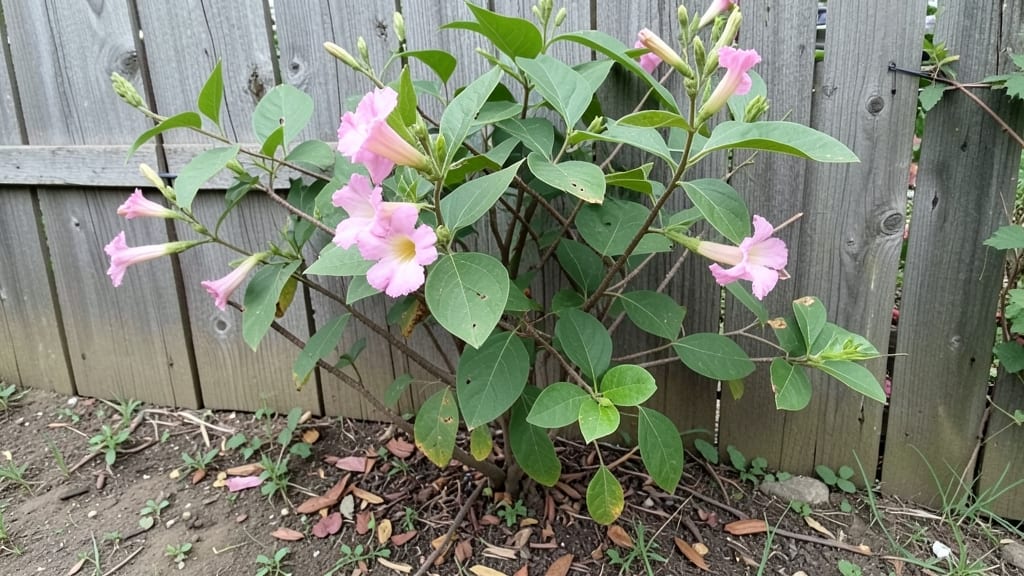
Your Pacific Northwest garden just got a frost-resistant vertical showstopper—the pink trumpet flower shrub thrives where others falter. 🌿 I planted mine last spring after years of watching neighbors struggle with floppy, frost-bitten climbers, and now it’s the first thing visitors notice when they walk up the driveway.
The secret isn’t just its hardiness; it’s how effortlessly it turns blank walls into living art.
The shrub loves morning sun and afternoon shade, mirroring the light conditions of its native woodland edges. Well-draining soil—even rocky or sandy—works perfectly, so you won’t need to amend heavy clay like you might with fussy roses.
Water deeply once a week after establishment, and you’ll see those signature trumpet-shaped blooms appear by early summer, lasting until frost. Pruning in late winter keeps it compact and encourages even more flowers.
What makes this shrub truly magical is how it transforms vertical spaces—trellises, arbors, or even a sturdy fence become a cascading waterfall of pink. The foliage stays lush even in our damp winters, and hummingbirds can’t resist the nectar.
By mid-summer, you’ll have a privacy screen that’s also a pollinator magnet, all while requiring less fuss than most shrubs.
Here’s the best part: it handles our Pacific Northwest’s unpredictable weather like a champ—no wilting in heatwaves, no browning in frosts. Even in coastal areas where other plants struggle, this shrub stays vibrant. Ready to add drama without the drama? Let’s get growing.
📚 In This Guide
- What you need
- Instructions
- Tips and common mistakes
- Wrapping up and next steps
What you need
- ● Pink trumpet flower shrub: 1-3 nursery-grown plants (3-5 feet tall, hardy in Zones 5-9). Pro tip: Choose established plants for faster blooms!
- ● Well-draining soil: 5-10 bags of potting mix (or amend garden soil with compost and perlite for aeration).
- ● Fertilizer: 1 bag of balanced, slow-release fertilizer (10-10-10 or similar) or organic compost.
- ● Mulch: 2-3 bags of wood chips or pine straw to retain moisture and regulate soil temp.
- ● Garden tools: 1 shovel or trowel (for planting)
- ● 1 pruning shears (for shaping and deadheading)
- ● 1 watering can or hose with nozzle
- ● 1 gloves (to protect hands from thorns)
- ○ Support structure (optional but recommended): 1 trellis, arbor, or sturdy fence (6+ feet tall for climbing varieties)
- ● OR container with drainage holes (15+ gallon for potted shrubs)
- ● 1 soil pH tester (ideal range: 6.0–7.0)
- ● 1 drip irrigation kit (for consistent watering)
- ● Epsom salt (1 lb) for magnesium boost during blooming season
- ● Pest control: Neem oil or insecticidal soap (for aphids or spider mites)
- ● Winter protection: Burlap or frost cloth (for young plants in colder PNW zones)
Step-by-Step guide to planting and cultivating pink trumpet flower shrubs
Here's the proven approach I use to establish these stunning vertical shrubs in the Pacific Northwest's climate.
🌱 Step 1: Select the Perfect Planting Site
The pink trumpet flower (Curtisii) thrives in partial shade to full sun with 6-8 hours of morning sunlight—critical for preventing leaf scorch in our region's intense afternoon sun. Choose a location with well-draining soil and shelter from harsh winds, which can damage the delicate trumpet-shaped blooms. I always test soil drainage by digging a 12-inch hole and filling it with water; if it drains within 2 hours, the site is ideal.
For vertical impact, plant near walls or fences where the shrub can climb naturally. The Pacific Northwest's mild winters mean these shrubs tolerate USDA Zones 7-9, but I still protect young plants with a lightweight frost cloth during unexpected freezes below 20°F. The shrub's natural growth habit of 6-8 feet tall makes it perfect for creating living privacy screens or dramatic focal points in garden beds.
🪴 Step 2: Prepare the Soil and Plant with Care
Amend the planting hole with 2 inches of compost and 1 part perlite to improve drainage—critical for preventing root rot in our region's damp winters. Mix these into the native soil until the hole is filled with a 50-50 blend. Place the shrub so the top of the root ball sits 1 inch below soil level to encourage strong root establishment.
Backfill gently with the amended soil, pressing lightly to remove air pockets but avoiding compaction. Water deeply to settle the roots, then create a 2-inch deep watering basin around the base. I always mulch with 3 inches of shredded bark, keeping it 6 inches away from the stem to prevent moisture buildup that invites fungal diseases. This mulch layer helps regulate soil temperature and retain moisture during our dry summer months.
☀️ Step 3: Establish Proper Watering and Light Routines
Water 2-3 times per week during the first growing season, ensuring the soil remains evenly moist but not soggy. You'll know it's right when the top 2 inches of soil feel damp but not waterlogged. After establishment, reduce to once weekly during summer, increasing to biweekly in winter when growth slows. The shrub's deep roots make it surprisingly drought-tolerant once established, but I never let it go completely dry.
Maintain the partial shade to sun balance—too much afternoon sun causes leaf burn, while too little shade reduces flowering. I rotate young plants quarter-turn weekly to encourage even growth toward all directions. Watch for new growth at branch tips—this is your signal the plant is adapting well to its new home. Fertilize lightly in spring with a balanced 10-10-10 formula to support vigorous blooming.
✂️ Step 4: Prune for Health and Abundant Blooms
Prune immediately after flowering in late summer to shape the shrub and encourage next year's blooms. Remove dead or crossing branches first, then cut back overly long stems by one-third to maintain the shrub's natural bushy form. I always use clean, sharp pruners and make cuts at a 45-degree angle just above a leaf node to promote healing.
For vertical growth, allow some branches to climb naturally while pruning others to create a balanced shape. Avoid heavy pruning in fall or winter—this stimulates new growth that won't harden off before our first frosts. The pink trumpet flower's frost resistance means you can leave winter-pruned branches until spring, but I do remove any damaged wood caused by ice or heavy snow. New growth emerges quickly in spring, often with pink buds forming within 6-8 weeks of pruning.
Tips & tricks for perfect pink trumpet flower shrub cultivation
These proven strategies will help you create a thriving vertical garden star in your Pacific Northwest landscape.
Soil Preparation Secret: Beyond the 50-50 compost-perlite blend in Step 2, I add a handful of mycorrhizal fungi to the planting hole. These beneficial microbes form symbiotic relationships with roots, enhancing nutrient uptake and drought resistance—especially valuable in our region's variable rainfall. The 2-hour drainage test is crucial, but I also check for clay content; if soil feels sticky when wet, add an extra 1 inch of perlite to prevent compaction.
Light Management: The 6-8 hours of morning sunlight in Step 1 is non-negotiable, but I've found that adding dappled shade cloth (30% shade) during peak afternoon sun (1-4 PM) prevents leaf scorch while still allowing light penetration. For container growing, position pots where they receive morning sun and afternoon shade—this mimics the ideal light conditions for these frost-resistant beauties.
Winter Protection Strategy: While the 20°F tolerance is impressive, I've learned that wrapping young plants in burlap sleeves during our occasional dips below 15°F provides extra insulation. The lightweight frost cloth mentioned is perfect, but for plants in exposed locations, I add a layer of straw mulch (4 inches deep)) around the base. This creates a microclimate that protects tender new growth from freeze damage.
Pruning Timing: The late summer pruning in Step 4 is ideal, but I've noticed that plants pruned in early September (rather than August) produce even more vigorous spring growth. The key is to finish pruning at least 6 weeks before first frost—this gives new growth time to harden off before winter. For established plants, I make a second light pruning in early spring to remove any frost-damaged branches before buds emerge.
Pro Tips for Pink Trumpet Flower Shrub
- These proven strategies will help you create a thriving vertical garden star in your Pacific Northwest landscape.
- Soil Preparation Secret: Beyond the 50-50 compost-perlite blend in Step 2, I add a handful of mycorrhizal fungi to the planting hole.
- For container growing, position pots where they receive morning sun and afternoon shade—this mimics the ideal light conditions for these frost-resistant beauties.
Frequently asked questions
Got questions about growing and caring for your pink trumpet flower shrub? You’re not alone! Here are answers to the most common queries from gardeners in the Pacific Northwest and beyond.
Is the pink trumpet flower shrub truly frost-resistant?
The Bignonia capreolata (crossvine) and its pink varieties are highly frost-tolerant, surviving temperatures down to 0°F (-18°C) once established. Young plants may need winter protection (like burlap wraps) in their first year, but mature shrubs thrive in PNW’s chilly winters.
When is the best time to plant a pink trumpet flower shrub?
Plant in early spring or fall for optimal root establishment. Avoid extreme heat (summer) or freezing ground (winter). If planting in fall, do so at least 6 weeks before frost to allow roots to settle. Spring planting gives roots a full growing season to strengthen before winter.
How much water does this shrub need?
Water deeply once a week during the first year to encourage root growth. Mature shrubs are drought-tolerant but prefer consistent moisture—especially in PNW’s dry summers. Mulch around the base to retain moisture and protect roots. Overwatering can cause root rot, so ensure well-draining soil.
What pests or diseases should I watch for?
Pink trumpet shrubs are generally pest-resistant, but keep an eye out for:
- Aphids (sap-sucking insects; spray with water or insecticidal soap).
- Spider mites (dry conditions attract them; increase humidity or use neem oil).
- Powdery mildew (white fungal spots; improve airflow and avoid overhead watering).
Can I grow pink trumpet flowers in containers?
Yes! Use a large container (at least 18" wide) with well-draining soil and ensure it has drainage holes. Choose a fast-growing variety like Bignonia ‘Pink Trumpet’ for container gardening. Move pots to a sheltered spot in winter if temperatures drop below 10°F (-12°C). Containers dry out faster, so monitor soil moisture closely.
Are there alternatives if I want a similar look but lower maintenance?
If pink trumpet flowers feel high-maintenance, consider these low-fuss alternatives:
- Coral honeysuckle (Lonicera sempervirens) – Fast-growing, hummingbird-friendly, and frost-hardy.
- Butterfly bush (Buddleia davidii) – Drought-tolerant and attracts pollinators (choose non-invasive varieties).
- Climbing roses – ‘New Dawn’ or ‘Blaze’ offer pink blooms with classic shrub structure.
Wrapping up and next steps
The pink trumpet flower shrub is a stunning, low-maintenance addition to your Pacific Northwest garden, offering vibrant blooms and resilience against frost. Whether you’re drawn to its vertical beauty or its hardy nature, this shrub brings effortless charm and year-round interest.
Ready to transform your outdoor space? Start by selecting the perfect spot, gathering your supplies, and planting with confidence—your garden’s new star is just a few steps away! 🌸