Flowers
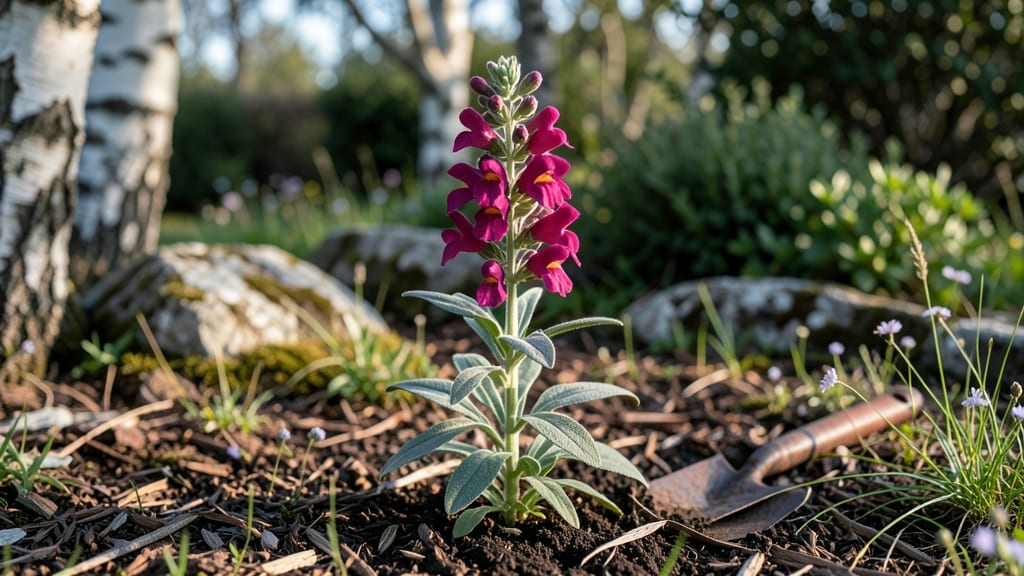
Growing wild snapdragons (Antirrhinum spp.) in your Pacific Northwest garden means adding frost-tolerant vertical drama that thrives where many flowers fail. These rugged plants—native to rocky slopes and meadows—bring velvety blooms in jewel tones of purple, pink, and white that hummingbirds can’t resist.
Unlike their fussy cousins, wild snapdragons shrug off cool nights and lean into the wind, making them the perfect choice for gardens that get too much rain or too little sun.
The secret to their success? Well-draining soil and morning sunlight—they’ll tolerate afternoon shade better than full sun. Start seeds indoors 8-10 weeks before your last frost, or pop them directly into the ground in early spring.
They self-seed like crazy, so once established, you’ll have years of low-maintenance color with almost no effort. My first batch in a north-facing bed surprised me by blooming all summer long, even when temperatures dipped below 40°F at night.
What you’ll love most is how they transform vertical space: train them along fences, tuck them into rock gardens, or let them spill over walls. The blooms last longer if you deadhead spent flowers (or just let them go to seed for next year’s show).
Plus, they’re deer-resistant—a rare win in PNW gardens. By midsummer, your garden will buzz with pollinators, and you’ll have cut flowers that hold their shape in vases for weeks.
They’re tough enough for beginner gardeners but rewarding enough for veterans—ideal for filling gaps, repairing slopes, or adding textural contrast to perennials. Once you try them, you’ll wonder why you didn’t plant more sooner. Let’s get those seeds started!
📚 In This Guide
- What you need
- Instructions
- Tips and common mistakes
- Wrapping up and next steps
What you need
- ● Seeds or seedlings: Wild snapdragon seeds (native or cold-hardy varieties like Antirrhinum columbianum) or young plants from a trusted nursery. Quantity: 10–20 seeds or 5–10 seedlings for a small patch.
- ● Well-draining soil: A mix of native soil, compost (1 part), and perlite or sand (1 part) to prevent root rot. pH: 6.0–7.5 (slightly acidic to neutral).
- ● Sunlight access: A spot with full sun (6+ hours/day) or partial shade (4–6 hours) in hotter microclimates.
- ● Watering can or hose: With a gentle spray nozzle for consistent moisture.
- ● Mulch: Organic mulch (e.g., straw or shredded leaves) to retain moisture and regulate soil temp. Thickness: 2–3 inches.
- ○ Fertilizer (optional but helpful): Slow-release, low-nitrogen fertilizer (e.g., 5-10-10) or compost tea. Apply: Once at planting, then every 4–6 weeks.
- ● Garden trowel or transplant spade for digging small holes (depth: 2x seed width).
- ○ Gloves (optional but recommended for handling soil/seeds).
- ○ Stakes or small cages (optional) to support taller varieties in windy PNW areas.
- ● Pruners (sharp, clean) for deadheading or shaping plants.
- ● Weather awareness: Check local frost dates—wild snapdragons tolerate light frost but may need protection in early spring (❄️).
- ● Drip irrigation system for low-maintenance watering.
- ● Pollinator-friendly companion plants (e.g., lavender, yarrow) to attract bees and butterflies.
- ● Garden journal to track growth, blooming cycles, and soil conditions.
Instructions for cultivating wild snapdragon in the Pacific Northwest
This hardy perennial thrives in cool climates and brings vertical drama to gardens with minimal fuss.
Select the Perfect Site and Prepare the Soil
Wild snapdragons (Antirrhinum) adore well-draining soil with a slightly alkaline pH—aim for 6.0-7.5. In the Pacific Northwest’s damp climate, they’ll need a spot with partial shade to full sun, protected from heavy afternoon rain that can rot their tender stems. I always choose a location with at least 4 hours of morning sun and afternoon dappled light.
Amend heavy or clay soils with 2-3 inches of compost mixed into the top 12 inches of soil. The key is to avoid soggy conditions—these plants despise "wet feet." If your garden holds water, raise beds or plant on a slight slope to ensure proper drainage. Test your soil’s moisture retention by squeezing a handful; it should crumble when dry but not feel compacted.
Plant Seeds or Transplants at the Right Time
For direct sowing, scatter seeds ¼ inch deep in early spring after the last frost, once soil temperatures reach 50°F. In colder PNW zones, I start seeds indoors 8-10 weeks before the last frost date—they germinate quickly in 60-70°F soil and tolerate light frost once established. Space seeds 12-18 inches apart to allow for their upright growth habit.
If using transplants, harden them off for 7-10 days before moving outdoors. Look for sturdy stems and first true leaves—these indicate strong seedlings ready for the garden. Plant in the evening or on a cloudy day to reduce transplant shock. Water deeply immediately after planting to settle the soil around roots.
Provide Consistent Moisture and Fertilize Strategically
Water 1-2 inches per week, keeping soil evenly moist but never soggy. The PNW’s frequent rain makes overwatering a real risk—check soil moisture by sticking your finger 1 inch deep; if it’s damp, hold off. Mulch with 2 inches of organic matter (like shredded bark) to retain moisture and suppress weeds while protecting roots from temperature swings.
Feed lightly in early spring with a balanced 10-10-10 fertilizer at half strength. Snapdragons are light feeders—too much nitrogen produces lush foliage at the expense of blooms. After the first flush of flowers, switch to a low-phosphorus fertilizer (like 5-10-10) to encourage reblooming. Deadhead spent blooms regularly to prolong flowering and redirect energy to new growth.
Support Vertical Growth and Protect from Pests
These plants grow 2-3 feet tall and benefit from light staking—insert bamboo stakes or use a small trellis near each plant at planting time. Gently tie stems to supports as they grow to prevent flopping, especially in windy PNW conditions. Avoid heavy pruning; instead, trim back leggy stems by ⅓ after flowering to encourage bushier regrowth.
Watch for aphids and slugs, which love tender snapdragon foliage. I spray plants with neem oil at the first sign of pests and handpick slugs in the evening. For slug control, create barriers with crushed eggshells around the base—this works surprisingly well without chemicals. Healthy plants rarely have major issues, but vigilance pays off in the PNW’s damp climate.
Overwinter and Plan for Next Year’s Blooms
Wild snapdragons are frost-tolerant down to 15°F, but mulch heavily with 4-6 inches of straw or leaves before winter to insulate roots. In mild PNW winters, they may survive with minimal protection, but extra mulch ensures vigorous regrowth in spring. Cut back dead foliage in early spring, leaving 2-3 inches of stems to protect the crown.
Divide clumps every 3-4 years in early spring to rejuvenate plants. Dig up the entire plant, separate the roots into 3-inch sections, and replant immediately. This prevents overcrowding and ensures strong blooms. Mark planting locations with biodegradable stakes—these plants self-seed readily, but you’ll want to control where they pop up for a tidy garden.
Tips & tricks for perfect wild snapdragon cultivation
Mastering these snapdragons in the Pacific Northwest takes a few strategic adjustments to your gardening routine—here's what I've learned after years of growing them successfully.
Soil pH Precision: While the instructions call for a pH range of 6.0-7.5, I've found that testing your soil first makes all the difference. The PNW's natural acidity often pushes soils toward 5.5-6.0, so you may need to add lime (about 5 pounds per 100 square feet) to reach that slightly alkaline sweet spot. Test your soil before amending—this prevents over-correcting and saves you money.
Seed Starting Strategy: For the 8-10 week indoor starting window mentioned, use clear plastic domes or seal containers with plastic wrap to create humidity. This helps seeds germinate faster in the cooler 60-70°F range we often have in PNW basements. I've had better success with germination rates when maintaining this consistent warmth and moisture—just remember to remove the cover once sprouts appear.
Watering Wisdom: The 1-2 inches per week guideline is perfect, but timing matters more than you'd think. Water in the morning to allow foliage to dry before evening—this prevents fungal issues that thrive in the damp PNW climate. I've seen snapdragons develop powdery mildew when watered at night, so this simple adjustment makes a huge difference in plant health.
Overwintering Protection: While the instructions mention 4-6 inches of mulch, I've found that adding a layer of burlap over the mulch provides extra insulation during our coldest winters. This simple step prevents the ground from freezing solid, which can damage the crown. In particularly harsh winters (below 15°F), I even add a layer of evergreen boughs for additional protection.
Pro Tips for Wild Snapdragon Flower
- Mastering these snapdragons in the Pacific Northwest takes a few strategic adjustments to your gardening routine—here...
- Soil pH Precision: While the instructions call for a pH range of 6.0-7.5, I've found that testing your soil first mak...
- Seed Starting Strategy: For the 8-10 week indoor starting window mentioned, use clear plastic domes or seal container...
Frequently asked questions
Got questions about growing or caring for wild snapdragons?
Here are some of the most common queries from gardeners in the Pacific Northwest—and beyond!
How cold can wild snapdragons tolerate?
Wild snapdragons (like Antirrhinum species) are hardy to USDA zones 5-9, meaning they can handle light frosts down to 15–20°F (-9 to -7°C). In the PNW’s damp, chilly climate, they thrive in winter—just ensure they’re planted in well-draining soil to prevent rot. Mulch lightly in extreme cold snaps for extra protection!
When is the best time to plant wild snapdragons?
For spring blooms, sow seeds indoors 6–8 weeks before last frost (late winter) or directly outdoors in early spring once soil warms to 45°F (7°C). For fall/winter interest, plant seeds in late summer for self-seeding next year. Pro tip: Snapdragons love cool weather—they often rebloom after summer heat fades!
Are wild snapdragons deer- or rabbit-resistant?
While not fully deer-proof, wild snapdragons are less appealing than tender perennials like hostas. Deer may nibble in harsh winters, but rabbits usually avoid their mildly toxic foliage (though not deadly). Try these deterrents:
Snapdragons often skip blooms due to over-fertilizing (too much nitrogen = leafy growth, no flowers!) or poor light (they need 6+ hours of sun daily). Troubleshoot:
If grown from seed, first-year plants may focus on roots—blooms usually appear in year two! If your soil is too wet or too alkaline, try these PNW-friendly vertical bloomers:
All three attract pollinators and add vertical drama like snapdragons!
Why aren’t my snapdragons blooming?
What’s a good alternative if wild snapdragons don’t thrive in my garden?
Plant
Height
Bloom Time
Lobelia (e.g., Lobelia erinus)
6–12"
Spring–fall (with deadheading)
Foxglove (Digitalis purpurea)
2–5 ft
Mid-summer (biennial)
Russian Sage (Perovskia atriplicifolia)
3–4 ft
Summer–fall (drought-tolerant!)
Wrapping up and next steps
The wild snapdragon flower is a stunning, frost-hardy gem that brings vertical charm and resilience to the Pacific Northwest’s gardens. Its unique blooms and adaptability make it a dream for gardeners seeking beauty without fuss—whether you're a beginner or a seasoned green thumb. 🌿
Ready to invite this Antirrhinum wonder into your space? Start by choosing the right variety for your climate, then gather your supplies and dive in! With a little patience and care, you’ll soon be rewarded with a garden that’s as tough as it is breathtaking.