
Flowers
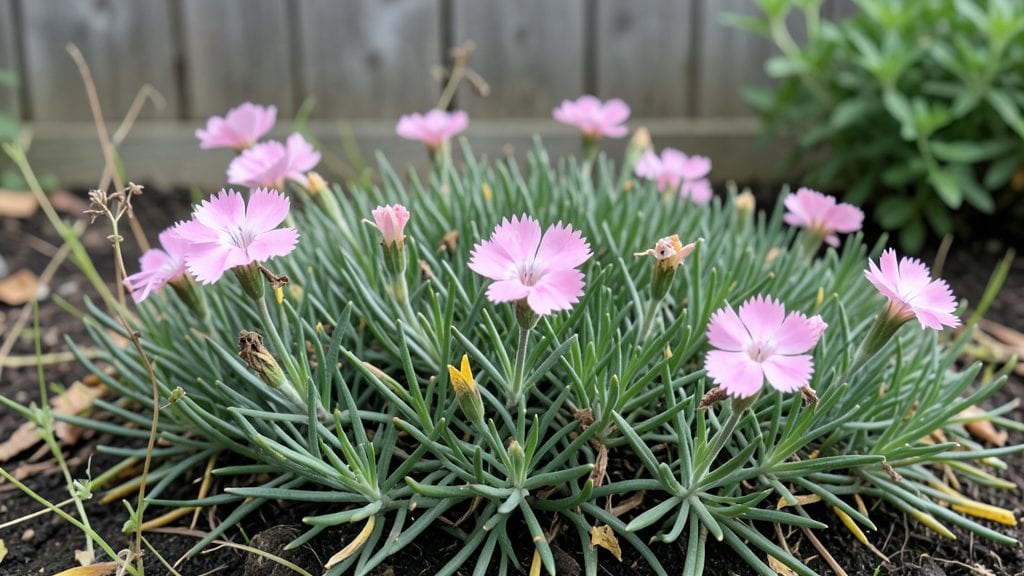
Creating a pink flower carpet that blooms year-round and crowds out weeds is easier than you think—it just takes the right plants and a little planning.
I turned my shady front yard into a soft pink sea by layering creeping thyme, ajuga, and pink clover, and the results are shockingly lush even in winter. The secret isn’t just the flowers; it’s how they work together to smother weeds naturally while adding texture and color.
Start with soil that drains well but holds moisture—amend heavy clay with compost and coarse sand. Space plants aggressively: creeping thyme needs 6 inches apart, while ajuga and clover can go as close as 3 inches.
For a zero-weed effect, mix in a 2-inch layer of mulch (like shredded bark) to block light from weed seeds. Most of these plants spread on their own, so you’ll get that carpet effect within a single season.
By summer, you’ll have a velvety pink blanket that stays vibrant through fall and even winter in mild climates. Ajuga’s deep purple leaves contrast beautifully with thyme’s tiny pink flowers, while clover adds a soft, grassy texture.
Pair it with hostas or ferns for height, and you’ve got a low-maintenance masterpiece that thrives on neglect.
This design works in sun or shade, for borders or entire lawn replacements. The key is choosing plants that complement each other’s blooming seasons—ajuga flowers in spring, thyme in summer, and clover keeps things green year-round. Once established, you’ll spend more time admiring than weeding.
📚 In This Guide
- What you need
- Instructions
- Tips and common mistakes
- Wrapping up and next steps
What you need
- ● Pink flowering ground cover plants: 100+ Phlox subulata (creeping phlox) – 1-2 lbs of seeds or 25-50 nursery plants (depending on coverage area)
- ● Ajuga reptans (bugleweed) – 10-15 plants (for contrast and texture)
- ○ Sedum ‘Angelina’ (golden sedum) – 5-10 plants (optional for golden edges)
- ● Soil amendments: 5 lbs compost (for nutrient-rich soil)
- ● 10 lbs mulch (pine straw or shredded bark)
- ● Weed barrier fabric: 1 roll landscape fabric (3’x50’ for medium-sized beds)
- ● Garden tools: Garden trowel or hand shovel
- ● Pruners (for trimming)
- ● Rake (for leveling soil)
- ● Wheelbarrow (for hauling materials)
- ● Safety gear: Garden gloves (to protect hands)
- ● Knee pads (for comfort)
- ○ Optional (but helpful!): Hose with spray nozzle (for watering)
- ● String & stakes (to mark planting lines)
- ● Slow-release fertilizer (for extra blooms)
Step-by-Step instructions for creating a pink flower carpet
Let's build a lush, weed-free pink ground cover that blooms all year.
Choose the Right Pink Flowering Plants
For a true year-round pink carpet, I recommend mixing creeping thyme (Thymus serpyllum), creeping phlox (Phlox subulata), and ajuga (Ajuga reptans). These three thrive in sun to partial shade, spread aggressively, and produce pink flowers. Creeping thyme handles heat and drought, phlox blooms early spring to late summer, and ajuga provides winter interest with purple foliage.
Buy plants from a nursery in 4-inch pots—they're already established and will spread faster than seeds. Avoid annuals like sweet alyssum; they'll die back in winter and leave gaps. Instead, focus on these perennials that return reliably. I like to buy 12 plants of each variety to ensure full coverage in a 4-foot by 4-foot area.
Prepare the Soil and Planting Area
Clear the area of weeds and debris, then loosen the soil to a depth of 6-8 inches with a garden fork or tiller. Work in 2 cups of 10-10-10 fertilizer per 10 square feet of area to give your plants a nutrient boost. Mix it thoroughly so the soil is uniformly enriched but not clumpy.
Rake the surface smooth and level it out—uneven ground leads to water pooling, which can rot roots. If your soil drains poorly, add 1 inch of coarse sand to improve drainage. The goal is loose, well-aerated soil that holds moisture without becoming soggy. Test it by squeezing a handful—it should crumble when dry but stay damp when pressed.
Plant in a Staggered Pattern for Full Coverage
Arrange your plants in a staggered grid pattern, spacing them 6-8 inches apart. This ensures they’ll fill in gaps quickly without leaving bare soil. Dig holes just deep enough to accommodate the root ball—no deeper, or the plant will sink over time. Gently remove the plant from its pot and place it in the hole, then backfill with soil, pressing lightly to eliminate air pockets.
Water deeply right after planting to settle the soil and encourage root growth. You’ll know it’s enough when water seeps out the bottom of the planting holes. Avoid stepping on the newly planted area—compacted soil slows root establishment. Instead, use a board to walk on if needed. Mulch with 1 inch of shredded bark to retain moisture and suppress weeds.
Maintain Watering and Encourage Spread
Water your pink carpet twice weekly for the first month, keeping the soil evenly moist but not waterlogged. After that, reduce to once weekly unless your area experiences extreme heat or drought. You’ll see new growth filling in gaps within 4-6 weeks—that’s your signal the plants are establishing well.
To encourage faster spread, trim back any leggy growth in early spring. Use clean, sharp shears to cut just above a set of leaves, and the plant will branch out more densely. Avoid heavy pruning in fall—this is when roots are storing energy for next year’s growth. If weeds do appear, pull them immediately before they compete with your carpet.
Fertilize and Prune for Continuous Bloom
Feed your carpet with ½ cup of slow-release fertilizer in early spring and again in mid-summer. This keeps the plants vigorous and flowering without burning them. Look for a balanced formula like 10-10-10 or a rose-specific blend. Water the area thoroughly after applying to help the granules dissolve and reach the roots.
Deadhead spent blooms regularly to encourage more flowers. Pinch off faded blossoms with your fingers or trim them with shears. This redirects the plant’s energy toward producing new flowers instead of setting seed. In late fall, cut back any brown or damaged foliage but leave the green growth—it provides winter protection and early spring color.
Tips & tricks for perfect pink flower carpet
A few simple strategies will help your pink flower carpet thrive and spread beautifully year after year.
Plant Selection: When choosing your creeping thyme, creeping phlox, and ajuga, look for healthy plants with vibrant green foliage and no signs of pests. The 4-inch pots should feel firm but not rock-hard—this indicates well-established roots. I always check for new growth at the base of the plants, as this signals they're ready to spread aggressively once planted. Between us, don't be tempted by larger pots—they might be overgrown and less likely to establish quickly in your new location.
Soil Preparation: The 6-8 inch soil loosening in Step 2 is crucial for root establishment, but don't overwork the soil—you want it crumbly, not powdery. For areas with heavy clay, I recommend adding an extra ½ inch of coarse sand to improve drainage. You'll know you've achieved the right texture when a handful of soil crumbles when dry but holds its shape when moist. This balance ensures your plants get both air and moisture without becoming waterlogged.
Planting Pattern: The staggered grid pattern in Step 3 might seem fussy, but it's what creates that seamless, carpet-like effect. I like to use a garden flag or small stake to mark each planting spot before digging—this prevents me from losing track of the 6-8 inch spacing. After planting, I always do a final check by stepping back and visually confirming the pattern looks even. Trust me on this: this small effort prevents the "patchy" look many gardeners struggle with.
Maintenance Strategy: When you see new growth filling in gaps after 4-6 weeks, that's your cue to adjust your maintenance routine. At this point, I switch to watering only when the top inch of soil feels dry—this prevents overwatering while still encouraging spread. The early spring trim to encourage denser growth is especially important if you want that lush, lawn-like appearance. Just remember to use clean shears and avoid cutting into old wood—you want to stay just above the leaf nodes.
Pro Tips for Pink Flower Carpet
- A few simple strategies will help your pink flower carpet thrive and spread beautifully year after year.
- Plant Selection: When choosing your creeping thyme, creeping phlox, and ajuga, look for healthy plants with vibrant green foliage and no signs of pests.
- Soil Preparation: The 6-8 inch soil loosening in Step 2 is crucial for root establishment, but don't overwork the soil—you want it crumbly, not powdery.
Frequently asked questions
Got questions about creating a stunning pink flower carpet?
You’re not alone! Here are answers to the most common queries—so your dream ground cover stays lush, weed-free, and pink-perfect all year.
What’s the best time of year to plant a pink flower carpet?
For spring blooms, plant in early fall (6–8 weeks before frost) so roots establish before winter. If you want summer color, plant in late winter or early spring (after the last frost). Pro tip: Avoid planting in extreme heat—roots need moisture to take hold!
How do I keep weeds from ruining my pink flower carpet?
Weeds thrive where flowers don’t! Prevent them with:
- Dense planting: Space plants closer than labels suggest (e.g., 6–12 inches apart) to crowd out weeds.
- Mulch lightly: Use 2–3 inches of shredded bark or straw (avoid thick layers—it smothers roots!).
- Hand-pull early: Weeds are easiest to remove when young. A weekly 5-minute check keeps them in check.
Can I use other pink flowers besides those listed in the article?
Swap in pink varieties of:
- Creeping phlox (Phlox subulata)
- Ajuga (Ajuga reptans)
- Coral bells (Heuchera with pink foliage)
- Pink moss (Sedum ‘Angelina’)
Why are my pink flowers turning brown or dying?
Brown patches usually mean one of these issues:
- Overwatering: Pink flowers hate soggy roots. Water deeply 1–2x/week (less in rain).
- Fungal disease: Fuzzy spots? Improve airflow by thinning plants and avoid overhead watering.
- Sunburn: If leaves crisp in hot sun, add dappled shade (e.g., near trees or a lattice).
- Poor soil: Amend with compost if soil is clay-heavy or sandy.
Will this work in my climate (hot/dry/cold)?
Pink flower carpets are versatile but need tweaks:
Climate
Adjustments
Hot/dry (e.g., Southwest U.S.)
Choose drought-tolerant picks like sedum or Lobelia. Mulch heavily and water deeply every 10–14 days.
Cold (Zones 3–5)
Opt for hardy perennials like creeping phlox or ajuga. Add 3 inches of mulch in winter to protect roots.
Humid (e.g., Southeast U.S.)
Pick airy plants like Liriope or Carex to prevent fungal issues. Space widely for airflow.
Wrapping up and next steps
A pink flower carpet isn’t just a dream—it’s a vibrant, low-maintenance reality!
With the right ground cover plants like ajuga, creeping phlox, or clover, you can transform your yard into a lush, weed-free haven year-round. 🌸 Plus, these plants thrive with minimal effort, saving you time and boosting curb appeal.
Ready to take the plunge? Start by picking your favorite pink bloomers, prep your soil, and watch your garden flourish. Your future self (and neighbors) will thank you! 🌿