
Flowers
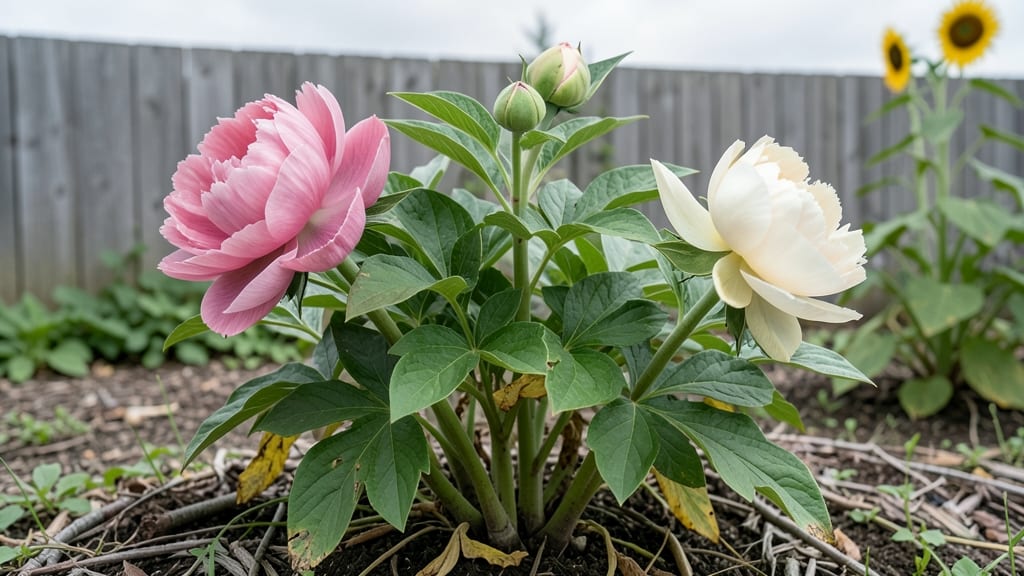
Growing peony flowers in Houston means embracing the heat and humidity—these lush blooms thrive in Texas’s Zone 8-9 climate when you pick the right varieties and tweak a few classic techniques. 🌸 I’ve learned the hard way that Houston’s summer heat and clay soil demand extra care, but with the right prep, peonies can become your garden’s star performers.
The key starts with soil: Houston’s heavy clay needs amending with compost to improve drainage, while mulching keeps roots cool. Plant in late fall or early winter when temperatures dip, giving roots time to establish before the brutal summer sun arrives.
Herbaceous peonies like ‘Sarah Bernhardt’ handle humidity better than tree peonies, which can struggle with fungal diseases in our sticky summers.
Once established, these plants reward you with bold, fragrant blooms that outshine even the toughest Texas summers. Water deeply but infrequently—peonies hate soggy roots—and deadhead spent blooms to encourage more flowers.
With proper care, your Houston garden could be bursting with peony color from February through May, proving these flowers love our climate when treated right.
This guide covers everything from soil prep to pest control, so you can grow peonies that make neighbors green with envy—even in Houston’s challenging weather. Ready to dive in?
📚 In This Guide
- What you need
- Instructions
- Tips and common mistakes
- Wrapping up and next steps
What you need
- ● Peony plants: Choose humidity-tolerant varieties like Sarah Bernhardt or Bowl of Beauty (available as bare-root or potted plants). Quantity: 3–5 plants for a small garden bed.
- ● Well-draining soil: Mix 1 part native Houston soil with 1 part compost and 1 part perlite/sand (improves drainage in clay-heavy areas). Volume: ~2–3 cubic feet per plant.
- ● Organic mulch: 2–3 inches of shredded bark or pine straw to retain moisture and regulate soil temperature.
- ● Fertilizer: Balanced 10-10-10 or low-phosphorus (peonies hate excess phosphorus!). Use: 1 tbsp per plant at planting + light spring feeding.
- ● Stakes or cages: 4–6 ft tall (peony stems can grow heavy!). Quantity: 1 per plant.
- ● Watering can or hose with nozzle: For deep, infrequent watering (1–1.5 gallons per plant weekly).
- ● Peony-specific fertilizer: Like Espoma Peony-Tone for extra blooms.
- ● Soil pH test kit: Ideal pH for peonies: 6.5–7.0 (Houston’s soil is often acidic—amend if needed!).
- ● Fungicide (preventative): Copper fungicide to combat Houston’s high humidity and fungal risks.
- ● Garden gloves: Because peony roots are delicate (and Houston’s soil can be gritty!).
- ● Shade cloth (30–50% coverage):strong> For afternoon sun protection in scorching summers.
Step-by-Step guide for planting peonies in Houston’s humid climate
Here’s how to grow stunning peonies that thrive in Houston’s heat and humidity—no fuss, just beauty.
🌱 Step 1: Choose the Right Varieties for Houston
Houston’s 90°F summers and high humidity demand peony varieties that handle heat and resist disease. Look for intersectional (Itoh) hybrids like 'Sarah Bernhardt' or 'Bartzella'—they bloom later, avoid extreme heat, and tolerate humidity better than traditional herbaceous peonies. These varieties also produce fewer leaves, reducing fungal risks.
If you prefer classic herbaceous peonies, opt for late-blooming types like 'Coral Charm' or 'Kansas'. These bloom in May or June, missing the worst heat waves. Avoid early bloomers—they’ll wilt faster in Houston’s spring heat. Check local nurseries for Texas-grown rootstock already adapted to our climate.
🪴 Step 2: Plant at the Right Time and Depth
Plant peony roots in late fall or early winter (November–December) when Houston’s soil cools to 60–65°F. This gives roots time to establish before spring heat arrives. If planting in early spring, do it by February—any later, and the heat will stress new growth.
Dig a hole 2 inches deeper than the root’s depth and 3 feet apart (peonies spread!). Place the root 1–2 inches below soil level—burying too deep causes rot, while planting too shallow leads to weak stems. Mix the native Houston clay soil with 1 part compost to improve drainage. Peonies hate soggy roots, so amend heavy clay if your yard holds water.
☀️ Step 3: Provide Strategic Sun and Water
Peonies need full sun (6–8 hours daily), but Houston’s intense afternoon sun can scorch blooms. Plant them where they get morning sun and afternoon shade from a tree or fence. If full sun is unavoidable, mulch heavily (see Step 4) to keep roots cool.
Water deeply once a week in dry spells, aiming for 1–1.5 inches total. Avoid overhead watering—wet foliage invites fungal diseases like botrytis, which peonies hate. Instead, use drip irrigation or water at the base. Once established (after 2–3 years), peonies tolerate drought better but still need consistent moisture during blooming season.
✂️ Step 4: Mulch and Prune for Houston’s Heat
Apply a 3-inch layer of mulch (pine bark or shredded leaves) around the base in early spring. This keeps roots 5–10°F cooler during Houston’s brutal summers and retains moisture. Avoid organic mulches like grass clippings—they mat down and suffocate roots. Replenish mulch annually in late winter before new growth starts.
Prune back dead foliage in late winter (February) but never cut blooms until they fade naturally. Peonies store energy in their roots, and early pruning weakens next year’s flowers. If you see blackened stems or mold, snip those immediately—Houston’s humidity spreads disease fast. Disinfect pruners with rubbing alcohol between cuts to prevent cross-contamination.
🌿 Step 5: Protect Blooms from Houston’s Heat and Rain
Houston’s sudden summer storms can flatten peony blooms before they open. Stake tall varieties (like 'Bartzella') with bamboo stakes tied loosely to avoid damaging stems. For intersectional peonies, which bloom later, watch for heat stress—wilting in 95°F+ is normal. Move a shade cloth over them midday if blooms droop excessively.
Deadhead spent blooms promptly to redirect energy to next year’s flowers. Don’t cut stems back to the ground—leave 2–3 inches to protect the crown. In fall, add a light layer of mulch (1 inch) to insulate roots from Houston’s unpredictable freezes. Peonies are hardy to Zone 3, but our warm winters can trick them into early growth—cover with straw mulch if temps drop below 20°F.
Tips & tricks for perfect peony flowers in Houston
Houston’s heat and humidity can be tricky for peonies, but these pro tips will help you grow showstopping blooms that thrive in our climate.
Variety Selection Matters: In Step 1, when choosing varieties, look for labels that say "disease-resistant" or "heat-tolerant"—these are your best bets for Houston. I've found that intersectional hybrids like 'Sarah Bernhardt' not only handle our heat better but also produce larger, more dramatic blooms. These varieties bloom later in the season, avoiding our worst heat waves while still giving you stunning flowers in May and June.
Timing is Everything: The window for planting in Step 2 is tight—November to December is ideal because Houston’s soil cools to that perfect 60-65°F range. If you miss that window, don’t panic! You can still plant in early spring, but make sure to get it done by February. After that, the heat will stress your new plants before they can establish. I once planted in March and my peonies took nearly a full year to bloom properly.
Soil Preparation Secret: For Step 2, don’t skip the compost amendment—Houston’s native clay soil can be too dense. Mixing in compost improves drainage while still retaining moisture, which is crucial during our dry spells. I like to add a handful of perlite to the mix for extra drainage if my yard tends to stay soggy after rains. This simple step makes all the difference in preventing root rot.
Heat Protection Strategy: In Step 5, when protecting blooms from Houston’s heat, I’ve found that shade cloth works better than you might think. A 30% shade cloth lets in plenty of light while reducing heat stress. For the tall varieties like 'Bartzella', I recommend using bamboo stakes with soft ties—too-tight ties can damage the stems when they sway in our afternoon breezes. And remember, wilting in 95°F+ heat is normal, but if your peonies stay wilted for more than a few hours, it’s time to provide some afternoon shade.
Pro Tips for Peony Flowers Houston
- Houston’s heat and humidity can be tricky for peonies, but these pro tips will help you grow showstopping blooms that thrive in our climate.
- Variety Selection Matters: In Step 1, when choosing varieties, look for labels that say "disease-resistant" or "heat-tolerant"—these are your best bets for Houston.
- Timing is Everything: The window for planting in Step 2 is tight—November to December is ideal because Houston’s soil cools to that perfect 60-65°F range.
Frequently asked questions
Got questions about growing peony flowers in Houston? You’re not alone! Here are answers to the most common concerns—plus a few pro tips to set your garden up for success in Houston’s humid climate.
When is the best time to plant peonies in Houston?
Plant peonies in late fall or early winter (November–January) for ideal root establishment before Houston’s heat arrives. Avoid spring planting—they struggle with summer’s humidity and heat. If you miss the window, bare-root peonies can handle mild winters, but container-grown ones need immediate soil adjustment.
How long does it take for peonies to bloom after planting?
Peonies are patient beauties! Expect blooms in 2–3 years for container-grown plants and 1–2 years for bare-root varieties. Houston’s humidity can delay flowering slightly, but consistent moisture and well-draining soil speed up the process. Pro tip: Avoid over-fertilizing—they thrive on patience, not nitrogen!
Do peonies need extra care in Houston’s humidity?
Yes! Houston’s heat and humidity can lead to powdery mildew or botrytis blight. To prevent issues:
- Space plants 3–4 feet apart for airflow.
- Water at the base (avoid wetting foliage).
- Choose disease-resistant varieties like ‘Sarah Bernhardt’ or ‘Bowl of Beauty.’
Can I grow peonies in containers in Houston?
Use large containers (18+ inches wide) with drainage holes and a mix of 50% garden soil, 30% compost, and 20% perlite. Place in partial shade (morning sun, afternoon shade) to protect roots. Container peonies may bloom slightly later but are perfect for patios or balconies!
What should I do if my peony leaves turn yellow?
Yellow leaves often signal overwatering, poor drainage, or nutrient deficiencies. Check:
- Soil moisture—peonies hate soggy roots.
- Drainage—amend clay soil with sand or compost.
- Fertilizer—apply a balanced 10-10-10 in early spring (skip high-nitrogen blends).
Are there peony alternatives for Houston’s heat?
If peonies seem too finicky, try these heat-tolerant, humidity-friendly bloomers:
- Dahlias – Thrives in Houston’s heat; comes in endless colors.
- Hibiscus – Loves humidity and blooms year-round with care.
- Canna lilies – Bold foliage and flowers; drought-tolerant once established.
- Daylilies (Hemerocallis) – Nearly indestructible and reblooms all season.
Wrapping up and next steps
Peonies are a stunning addition to Houston’s gardens, thriving in the city’s humidity when planted with care. From selecting the right humidity-loving varieties to mastering soil prep and seasonal maintenance, this guide has given you the tools to nurture vibrant blooms year after year. 🌸
Ready to transform your garden? Start by choosing your peony variety and sourcing healthy plants from local nurseries. Then, roll up your sleeves—your future floral masterpiece is just a few steps (and a little patience) away! 🌱