
Flowers
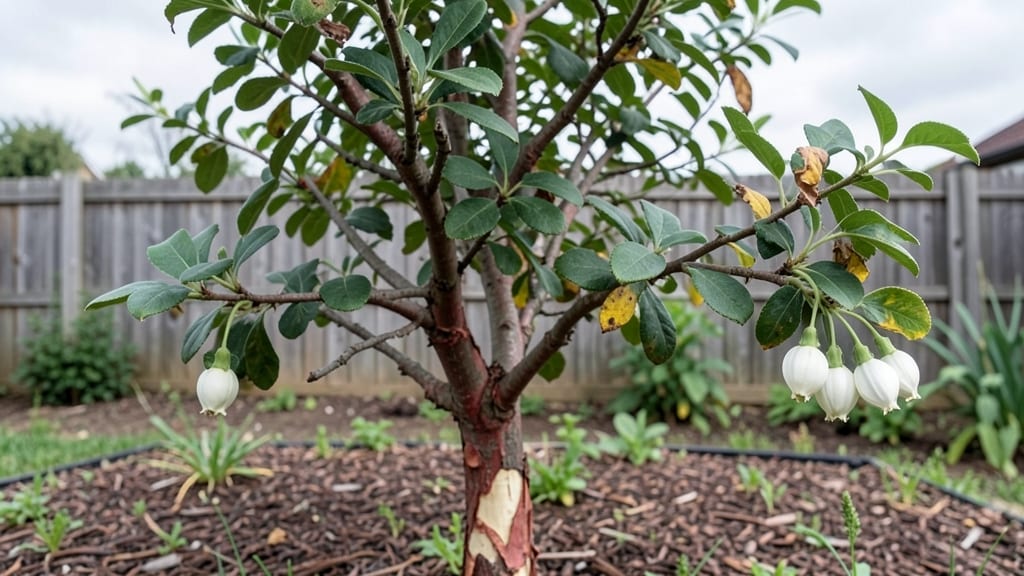
The sweet, honey-scented strawberry tree flowers transform your Pacific Northwest garden into a fragrant sanctuary. 🌿 I’ve grown mine for years, and the secret to those showstopping blooms starts with understanding its quirky needs—from partial shade to acidic soil.
Most gardeners overlook how its unique flowering cycle works, but once you get it right, you’ll have blooms from late summer through winter.
This evergreen thrives in zones 7-9, making it perfect for coastal PNW gardens where summers stay mild. It’s not fussy about soil as long as it’s well-draining, but a thick layer of mulch keeps roots happy and encourages those signature white flowers.
Pruning after flowering keeps the shape tidy and boosts next year’s blooms—though don’t cut too hard, or you’ll sacrifice flowers for foliage.
What makes it special? Those delicate, four-petaled flowers last weeks, even in cool weather, and their scent lingers at dusk. Bees adore them, and the berries (yes, they’re edible!) add a bonus harvest.
The trade-off? Patience—it takes 3-5 years for mature plants to really shine. But once established, it’s a low-maintenance star that outshines most ornamentals.
Pair it with rhododendrons or camellias for a PNW woodland vibe, or plant near a patio where you can sip tea under its fragrant canopy. The key is giving it space—these trees grow 15-20 feet tall and wide. Ready to grow one that’s as rewarding as it is beautiful?
📚 In This Guide
- What you need
- Instructions
- Tips and common mistakes
- Wrapping up and next steps
What you need
- ● Strawberry tree (Arbutus unedo) plant: 1–3 nursery-grown saplings (3–5 feet tall) or seeds (if starting from scratch)
- ● Ensure they’re disease-free and well-rooted
- ● Well-draining soil: 6–8 bags of loamy, slightly acidic soil (pH 5.0–6.5)
- ○ Optional: 2–3 bags of peat moss or pine bark for acidity
- ● Sunlight access: Full sun (6+ hours/day) or partial shade (especially in hot climates)
- ● Watering tools: 1 watering can (2–3 gallons) or hose with a gentle spray nozzle
- ○ Drip irrigation kit (optional, for consistent moisture)
- ● Mulch (3–4 cubic feet of pine needles or wood chips to retain moisture)
- ● Slow-release fertilizer (balanced 10-10-10, 1–2 lbs for young plants)
- ● Pruning shears (sterilized, for shaping and maintenance)
- ● Soil pH tester (to monitor acidity levels)
- ● Protective netting (to shield flowers from pests like bees or birds, if desired)
Step-by-Step guide to cultivating strawberry tree flowers in the Pacific Northwest
Here's how I grow fragrant strawberry trees that bloom reliably year-round in our damp, mild climate.
🌱 Step 1: Select and Prepare the Planting Site
The strawberry tree (Arbutus unedo) thrives in partial shade to full sun, but in the Pacific Northwest's cooler summers, I plant mine in morning sun with afternoon shade—this prevents leaf scorch while ensuring enough light for flowering. Choose a location with well-draining soil since these trees hate soggy roots. If your soil is heavy clay, amend it with 3-4 inches of compost mixed into the top 12 inches of soil.
Dig a hole twice as wide as the root ball but only as deep. The top of the root ball should sit 1 inch above ground level—this prevents water from pooling around the stem. I always loosen the roots slightly before planting to encourage outward growth rather than circling roots.
☀️ Step 2: Plant and Provide Initial Care
Place the strawberry tree in the hole and backfill with the native soil, pressing gently to remove air pockets. Water deeply right after planting to settle the soil and eliminate gaps. Over the next 2-3 weeks, water every 3-4 days until new growth appears—this establishes strong root systems before winter.
Mulch around the base with 2-3 inches of wood chips, keeping it 6 inches away from the trunk to prevent rot. The mulch helps retain moisture and mimics the tree's natural forest floor habitat. I avoid synthetic mulches—they can suffocate roots and disrupt the tree's slow-growing nature.
💧 Step 3: Maintain Moisture and Fertility Year-Round
Strawberry trees are drought-tolerant once established, but in the Pacific Northwest's wet winters, I reduce watering to every 10-14 days unless we have a dry spell. In summer, water deeply every 7-10 days, soaking the soil to 12 inches deep. You'll know it's enough when water runs out the drainage holes—this encourages deep root growth.
Fertilize once in early spring with a balanced, slow-release fertilizer (10-10-10) applied at half the recommended rate. Over-fertilizing leads to leafy growth at the expense of flowers. I also top-dress with 1 inch of compost in late fall to support winter blooms—a signature trait of this species.
✂️ Step 4: Prune for Shape and Encourage Blooms
Prune lightly in late winter (February-March) to remove dead or crossing branches. I never cut more than 25% of the canopy in a single year—these trees flower on both old and new wood, so aggressive pruning reduces blooms. Shape the tree to open the center for better air circulation, which prevents fungal issues common in our damp climate.
Watch for suckers at the base—these compete with the main plant for nutrients. Remove them promptly, but leave any that appear on the lower trunk (these can become strong branches). The tree's natural, slightly gnarled shape adds character, so I resist the urge to prune for perfection.
🌿 Step 5: Protect and Enjoy the Fragrant Flowers
Strawberry trees bloom year-round in mild climates, with peak fragrance in fall and winter. To enhance flowering, I ensure the tree gets at least 4 hours of direct sun daily—this triggers the hormonal shifts that produce buds. If your tree isn't flowering well, check for too much shade or overwatering, both of which stress the plant.
When flowers appear, resist the urge to harvest them all—leave some to develop into the tree's edible (but tart) berries. The berries attract wildlife and provide a subtle harvest reward. I also deadhead spent blooms only if they're unsightly, as the tree's natural seed production supports its long-term health.
Tips & tricks for perfect strawberry tree blooms
These simple yet effective strategies will help you coax the most stunning, fragrant flowers from your Pacific Northwest strawberry tree.
Soil Preparation Secret: In Step 1, when amending heavy clay soil with compost, I go one step further by mixing in a handful of perlite or coarse sand into the top 12 inches. This creates tiny air pockets that prevent waterlogging—critical for strawberry trees that despise soggy roots. The tree's roots will thank you with better nutrient uptake and more robust flowering.
Watering Wisdom: The 3-4 day watering schedule in Step 2 works wonders, but here's the thing: use a soaker hose or drip irrigation instead of overhead watering. This delivers moisture directly to the roots where it's needed, preventing fungal issues that thrive in our damp climate. I also water in the morning so foliage has time to dry before evening.
Fertilizer Timing Tip: That early spring fertilization in Step 3 is key, but don't stop there. I also apply a light scattering of bone meal (about 1/4 cup per tree) in late winter—this provides phosphorus that encourages flower development. The bone meal breaks down slowly, giving you that extra boost without risking over-fertilization.
Pruning Precision: When pruning in Step 4, look for branches that cross or rub against each other—they'll create wounds that invite disease. I also make my cuts just above a slight outward-facing bud, which encourages new growth that will bear flowers. And remember: those 25% pruning limits are non-negotiable if you want that year-round blooming!
Pro Tips for Strawberry Tree Flowers
- These simple yet effective strategies will help you coax the most stunning, fragrant flowers from your Pacific Northwest strawberry tree.
- Soil Preparation Secret: In Step 1, when amending heavy clay soil with compost, I go one step further by mixing in a handful of perlite or coarse sand into the top 12 inches.
- Watering Wisdom: The 3-4 day watering schedule in Step 2 works wonders, but here's the thing: use a soaker hose or drip irrigation instead of overhead watering.
Frequently asked questions
When do strawberry tree flowers bloom in the Pacific Northwest?
Strawberry tree flowers (Arbutus unedo) typically bloom in late summer to early fall (August–October), though mild PNW winters may extend their show into early spring. Their delicate white or pinkish flowers release a sweet, honey-like fragrance—perfect for autumn gardens! If your tree isn’t flowering, check its age (young trees may take 5–10 years) or ensure it gets full sun and well-draining soil.
How long do strawberry tree flowers last, and how can I extend their bloom time?
Individual flowers last about 2–3 weeks, but the tree’s overall bloom period stretches for 4–6 weeks. To prolong their display, plant in a sheltered spot (away from harsh winds), water deeply during dry spells, and prune lightly after flowering to encourage new growth. Pro tip: Mulch with organic matter to retain moisture and reduce stress.
Can I grow strawberry tree flowers in containers?
Yes! While they thrive in the ground, strawberry trees adapt well to large containers (at least 24" wide/deep) with drainage holes. Use a mix of potting soil and perlite, and repot every 2–3 years. Just know they’ll need winter protection (move indoors or wrap the pot in burlap) if temps drop below 10°F. Container-grown trees may flower slightly later but still reward you with fragrance!
Are strawberry tree flowers toxic to bees or other pollinators?
Great news: Strawberry tree flowers are not toxic to bees, butterflies, or other pollinators! In fact, they’re a late-season nectar source when many other flowers have faded. Plant them near pollinator-friendly perennials (like lavender or salvia) to create a buzzing, fragrant oasis. Just avoid over-pruning blooms—let them do their pollinator magic!
What should I do if my strawberry tree isn’t flowering?
If your tree is healthy but skips flowering, try these fixes:
- Age: Young trees (under 5 years) may not bloom yet—be patient!
- Sunlight: Ensure it gets 6+ hours of direct sun daily (partial shade can reduce blooms).
- Soil: Test for acidity (ideal pH: 5.0–6.5). Amend with peat moss or pine needles if needed.
- Pruning: Avoid heavy pruning in late winter—focus on shaping after flowering.
- Fertilizer: Apply a balanced, slow-release fertilizer in early spring.
Still no luck? Your tree might need a rest period—reduce watering in winter to mimic natural dormancy.
Bonus: Can I force strawberry tree flowers indoors for a winter display?
While not as common as holiday poinsettias, you can coax strawberry tree branches to bloom indoors! In late winter, cut a 12" branch, strip leaves, and place it in water. Keep it in a cool, dark spot for 2–3 weeks, then move it to bright light. Flowers may appear in 6–8 weeks—though results vary. Pro tip: Use a humidity tray to mimic outdoor conditions!
Wrapping up and next steps
Growing strawberry tree flowers in the Pacific Northwest is a rewarding journey that brings year-round fragrance and beauty to your garden. With the right care—sunlight, well-drained soil, and patience—you’ll enjoy their Arbutus unedo charm for decades.
Whether you’re a seasoned gardener or just starting, this resilient plant offers low-maintenance elegance and a touch of whimsy to any landscape.
Ready to transform your outdoor space? Start by selecting a healthy plant from a trusted nursery, then give it the love it deserves. Soon, you’ll be savoring the sweet, honey-like scent of its blooms—nature’s way of saying, “You did great!” 🌸