
Orchid Care
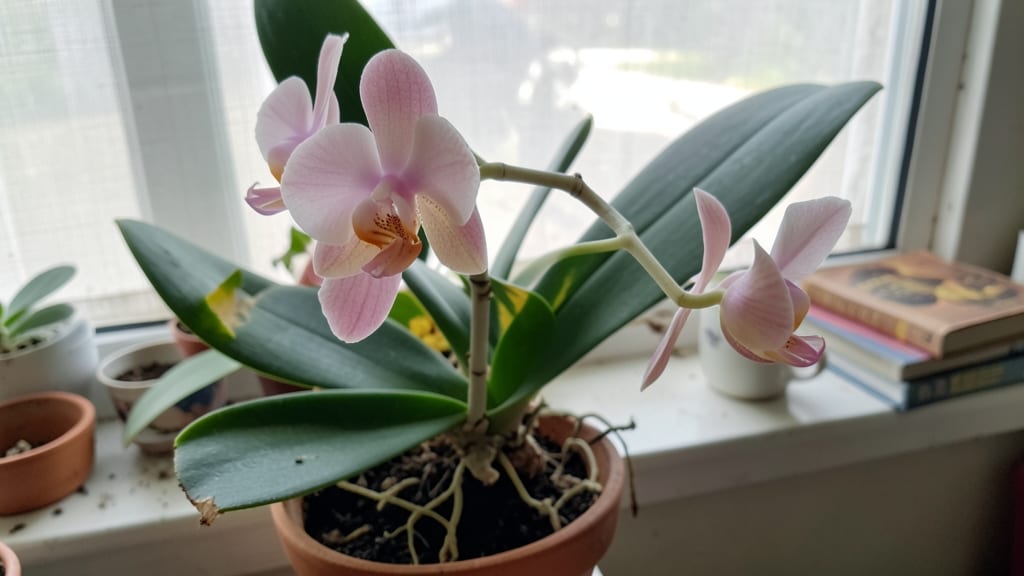
The pink orchid flower thrives in Pacific Northwest gardens where cooler temperatures and damp air create perfect conditions for these delicate beauties.
I’ve grown them through three rainy seasons now, and the key is mimicking their natural forest floor habitat—bright but indirect light, high humidity, and never letting the roots dry out completely.
Most gardeners assume orchids need heat, but these cold-hardy varieties actually prefer temperatures that stay between 45°F and 75°F, making them ideal for shaded patios or greenhouse corners.
Your setup only needs three essentials: a well-draining orchid mix (never regular potting soil), a container with drainage holes, and a spray bottle for humidity. I use terracotta pots because they breathe better than plastic, and I repot every 1-2 years to refresh the medium.
The real magic happens when you water them right—soak thoroughly once a week in summer, then reduce to every 10-14 days in winter when growth slows. Overwatering is the #1 killer, so always check the roots before watering again.
You’ll know you’re doing it right when your orchid sends up arching stems with clusters of rosy-pink blooms that last 6-8 weeks with proper care. The foliage stays deep green and plump, and the fragrance—when they bloom—is light and sweet, like a spring breeze.
These aren’t just showpieces; they’re year-round conversation starters that even thrive in unheated sunrooms during PNW winters.
For design ideas, pair them with ferns or hostas in shady garden beds, or let them cascade from hanging baskets near a water feature. The secret to long-term success? Patience and consistency—orchids reward slow, steady care with blooms that outlast most garden flowers. Let’s get yours thriving!
📚 In This Guide
- What you need
- Instructions
- Tips and common mistakes
- Wrapping up and next steps
What you need
- ● Cold-hardy orchid variety: Platanthera leucophaea (white-fringed orchid) or Dactylorhiza (pink marsh orchid) – choose a native PNW-adapted species.
- ● Pot or container: 4–6-inch diameter with drainage holes (terracotta or plastic). Quantity: 1 per plant.
- ● Growing medium: 50% bark (1/4"–1/2" fir or pine) + 50% perlite or pumice for aeration. Quantity: 2–3 cups per pot.
- ● Slow-release fertilizer: Orchid-specific (e.g., Osmocote) or balanced 20-20-20. Quantity: 1 tbsp per pot.
- ● Watering can or spray bottle: With a fine rose nozzle for gentle hydration.
- ○ Mulch (optional for ground planting): 2–3 inches of wood chips or straw to retain moisture.
- ● Pruners or shears: Sterilized (rubbing alcohol wipe) for trimming dead blooms or foliage.
- ● pH test kit: To ensure soil pH is 5.5–6.5 (ideal for orchids).
- ● Shade cloth (30–50% coverage): For afternoon sun protection in full-sun spots.
- ○ Gloves (optional): To protect hands from bark or sharp edges.
- ● Knowledge of PNW microclimates: Orchids thrive in partial shade and moist (not soggy) soil—research your zone (6–9).
- ● Humidity tray or pebble tray to boost moisture in dry indoor spots.
- ● Automatic drip irrigation system for consistent watering.
- ● Grow lights (LED, full-spectrum) if indoor growing lacks natural light.
- ● Compost or worm castings (1 tsp per pot) for nutrient-rich soil amendments.
Step-by-Step guide to growing pink orchid varieties in the Pacific Northwest
Cold-hardy pink orchids thrive in PNW climates with the right care—here’s how to cultivate them successfully.
Select the Right Pink Orchid Variety for Cold Climates
Look for cold-hardy species like Platanthera leucophaea (white fringed orchid) or Spiranthes romanzoffiana (lady’s tresses), which naturally bloom in pink and tolerate temperatures down to 10°F. Avoid tropical orchids like Phalaenopsis—they won’t survive PNW winters. I always source plants from local nurseries specializing in native orchids, as they’re already adapted to regional conditions.
Check for sturdy pseudobulbs and healthy roots when purchasing. Weak or mushy stems signal poor health, and those plants won’t establish well. If buying bare-root divisions, plant them immediately—they dry out quickly. For best results, choose plants that are just starting to bloom, as they’ll re-establish faster than those in dormancy.
Prepare the Planting Site for Cold-Hardy Orchids
Orchids need partial shade—morning sun and afternoon shade work best in the PNW. I plant mine under deciduous trees like maple or birch, where they get dappled light but avoid harsh afternoon rays. The soil should be well-draining; orchids rot if their roots sit in soggy conditions. Amend heavy clay soil with 2-3 inches of coarse sand or perlite to improve aeration.
Dig a hole twice as wide as the root ball but only as deep as the top of the roots. Cold-hardy orchids prefer slightly acidic to neutral soil (pH 6.0-7.0). If your soil is alkaline, mix in 1-2 inches of peat moss to lower the pH. Avoid fertilizing at planting—wait until new growth appears in spring to avoid burning tender roots.
Plant and Mulch for Winter Protection
Place the orchid in the hole so the top of the root ball sits 1 inch below soil level. This prevents exposure during freeze-thaw cycles. Gently backfill with soil, pressing lightly to remove air pockets but not compacting too tightly. Water deeply right after planting to settle the soil and encourage root contact.
Mulch heavily with 3-4 inches of wood chips or shredded bark to insulate roots during winter. I use cedar mulch because it naturally repels pests and retains moisture. Avoid plastic mulch—it traps heat and can scald roots in summer. In zones 6-8, a thick layer of mulch is enough, but in colder microclimates, add a lightweight frost blanket over the crown in late fall and remove it in early spring.
Water and Fertilize for Healthy Growth
Water orchids once a week in summer, allowing the top 1-2 inches of soil to dry out between waterings. Overwatering is the fastest way to kill them—roots need oxygen, not a soggy environment. In winter, reduce watering to every 2-3 weeks unless the ground is unusually dry. I use a soaker hose to water deeply at the base, avoiding wetting the leaves to prevent fungal issues.
Fertilize lightly in spring and summer with a balanced, water-soluble orchid fertilizer (10-10-10) at half strength every 4 weeks. Stop fertilizing in fall to encourage dormancy. Cold-hardy orchids bloom best when they experience a natural winter chill—don’t rush to fertilize in early spring. Watch for new growth in late winter; that’s your cue to resume care.
Prune and Overwinter for Next Year’s Blooms
After flowering, cut back spent stems to 1 inch above the base with clean, sharp pruners. Avoid leaving stubs—they attract pests and rot. Deadhead faded blooms promptly to redirect the plant’s energy into root and bulb development. In late fall, reduce watering further and stop fertilizing entirely to prepare for dormancy.
Monitor for pests like slugs or spider mites, which can stress weakened plants. A neem oil spray applied in early spring prevents issues before they start. Cold-hardy orchids often bloom in late spring to early summer, so resist the urge to disturb them during this critical period. With proper care, they’ll reward you with vibrant pink blooms for years.
Tips & tricks for perfect cold-hardy pink orchids in the Pacific Northwest
These cold-hardy pink orchids are a gardener's dream for the PNW—but only if you follow a few key strategies. Here's what I've learned after years of growing these delicate beauties in our climate.
Variety Selection Wisdom: When choosing between Platanthera leucophaea and Spiranthes romanzoffiana, consider your microclimate. Platanthera handles slightly colder conditions (down to 10°F) better than Spiranthes, which prefers slightly warmer winter zones. I've found that Spiranthes often produces more abundant blooms when given a bit of winter protection in zones colder than 6.
Soil Preparation Secret: The 2-3 inches of coarse sand or perlite in Step 2 is non-negotiable for PNW gardeners. Our heavy clay soils can suffocate orchid roots if not amended properly. I've had the most success using a 50/50 mix of native soil and perlite—this creates that perfect balance between moisture retention and aeration that orchids crave. For alkaline soils, I've found that adding 1-2 inches of sphagnum peat moss works better than regular peat for lowering pH gradually.
Winter Protection Strategy: That 3-4 inch layer of cedar mulch in Step 3 makes all the difference in our unpredictable PNW winters. I've learned to double-check the depth after our first heavy rain—mulch compresses and loses insulating properties. For microclimates in zones 5 or colder, I recommend adding a lightweight frost blanket over the crown in late November and removing it in early March. This extra protection has saved my orchids from winter dieback in particularly harsh years.
Watering Technique: The once-a-week summer watering guideline in Step 4 works best when combined with the "soaker hose" method. I've found that watering at the base with a soaker hose prevents fungal issues that often come from overhead watering. In winter, I check soil moisture by lifting the mulch—if the top 2 inches feel dry, it's time to water. This method prevents overwatering while still keeping roots hydrated during our dry winter spells.
Pro Tips for Orchid Flower Pink
- These cold-hardy pink orchids are a gardener's dream for the PNW—but only if you follow a few key strategies.
- Variety Selection Wisdom: When choosing between Platanthera leucophaea and Spiranthes romanzoffiana, consider your microclimate.
- Soil Preparation Secret: The 2-3 inches of coarse sand or perlite in Step 2 is non-negotiable for PNW gardeners.
Frequently asked questions
Got questions about growing orchid flower pink varieties in the Pacific Northwest? You’re not alone!
Here are answers to the most common concerns—from planting to overwintering—so you can keep your cold-hardy orchids thriving year-round.
Can pink orchids survive PNW winters without extra protection?
Yes! Varieties like Dactylorhiza fuchsii (common spotted orchid) or Platanthera leucophaea (white fringed orchid, with pink forms) are native to cooler climates. Mulch with 3–4 inches of shredded bark or leaves in late fall, and add a burlap wrap if temps drop below 10°F. Avoid plastic—it traps moisture and risks rot. Pro tip: Plant in morning sun/afternoon shade to reduce stress.
When is the best time to plant pink orchids in the Pacific Northwest?
Fall is ideal! Aim for late September to early October—cooler temps and rain help roots establish before winter. If planting in spring, do it by mid-April to give roots 6–8 weeks to settle before summer heat. Avoid transplanting in peak summer (June–August), when drought stress is highest. Bonus: Soak roots in lukewarm water for 10 minutes before planting to reduce shock.
Where can I buy cold-hardy pink orchids for the PNW?
Start with local PNW nurseries specializing in natives, like Swansons Nursery (OR) or Willamette Valley Native Plant Nursery (WA). Check Etsy or ebay for rare varieties (e.g., Bletilla striata ‘Pink Pearl’), but verify seller reviews—many “cold-hardy” orchids are mislabeled. Avoid big-box stores: Their tropical orchids won’t survive PNW winters!
Why are my pink orchid leaves turning yellow or brown?
Yellow leaves often signal overwatering (common in PNW’s damp climate), while brown edges usually mean underwatering or salt buildup. Check soil moisture: Stick your finger 1–2 inches deep—if it’s soggy, reduce watering. For brown tips, flush soil with rainwater to remove fertilizer salts. Fungal issues? Prune affected leaves with sterilized scissors and improve airflow. Cold damage? Wait until spring to trim dead foliage.
Can I grow pink orchids in containers instead of the ground?
Use terracotta pots with drainage holes and a mix of 50% peat moss, 30% perlite, and 20% orchid bark. Place containers in partial shade (e.g., under deciduous trees) and bury pots halfway in the ground for winter insulation. Warning: Containerized orchids dry out faster—water every 5–7 days in summer (check moisture before watering!).
| Quick Fixes for Common Issues |
|---|
| No blooms? Fertilize with low-nitrogen orchid food (e.g., 10-10-10) every 4–6 weeks in spring/summer. |
| Pests (aphids/slugs)? Spray with neem oil or set up beer traps for slugs. |
| Slow growth? Divide clumps in early spring if they’ve outgrown their space. |
Wrapping up and next steps
The orchid flower pink cold-hardy varieties are a stunning and practical choice for Pacific Northwest gardens, blending beauty with resilience. Whether you're a seasoned gardener or just starting out, these orchids bring a touch of elegance while thriving in cooler climates. 🌸
Ready to bring these pink orchid blooms to life in your garden? Start by selecting the right variety for your space, then gather your supplies and follow the care tips shared above.
With patience and care, you’ll soon be rewarded with vibrant, long-lasting flowers that turn heads—and maybe even inspire your neighbors to try their own orchid adventure!