
Flowers
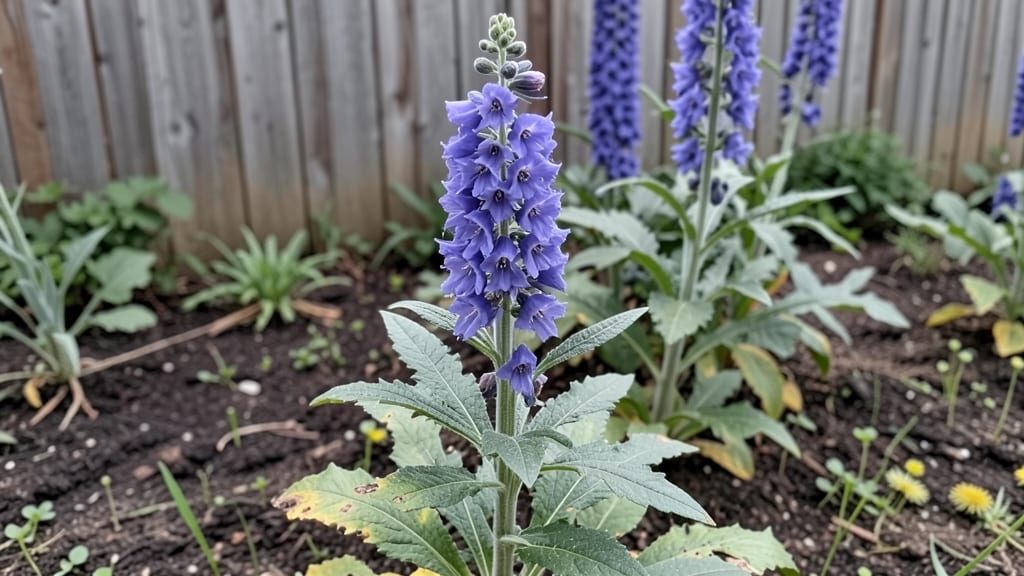
The dark blue flowers names like delphiniums and salvias that lure hummingbirds to your Pacific Northwest garden are a game-changer for late-summer color—🌿 I’ve been growing these deep-hued varieties for years, and they never fail to draw birds while creating a dramatic, moody backdrop. for lighter blooms.
The secret lies in choosing plants that thrive in the region’s cool, damp summers—think tall delphiniums swaying above lobelia spills or salvia’s velvety spikes catching the light.
These plants aren’t just pretty—they’re hummingbird magnets and drought-tolerant once established, making them low-maintenance stars. Delphiniums reach 4-6 feet tall, perfect for borders, while lobelia’s trailing habit cascades beautifully in containers.
Salvia’s upright spikes add vertical interest, and all three hold their rich color even in partial shade, a common challenge in the PNW’s filtered light.
You’ll end up with a garden that feels like a moody watercolor painting—deep blues contrasting against silver foliage or soft yellows. The key is pairing these with complementary plants like lavender for texture or white cleome for airy movement.
Hummingbirds will visit daily, and your neighbors will ask how you made your garden look so effortlessly dramatic.
Works equally well in sunny borders, mixed containers, or as cut flowers for arrangements that last weeks. Let’s dive into the varieties that’ll transform your space this season.
📚 In This Guide
- What you need
- Instructions
- Tips and common mistakes
- Wrapping up and next steps
What you need
- ● Dark blue flowering plants: Choose from Delphinium, Salvia (e.g., Salvia nemorosa 'May Night'), Agapanthus, or Lobelia (dwarf varieties). Quantity: 3–5 plants per variety for a vibrant display.
- ● High-quality potting mix: 10–15 gallons, well-draining and amended with compost (e.g., Miracle-Gro Garden Soil or FoxFarm Ocean Forest).
- ● Organic fertilizer: Slow-release granules (e.g., Espoma Garden-Tone) or liquid feed (e.g., Fish emulsion) for nutrient-rich soil.
- ● Mulch: 2–3 bags of cedar chips or pine bark to retain moisture and suppress weeds.
- ● Gardening gloves: 1 pair (e.g., Feldco or Gloves USA) for protection.
- ● Hand trowel: 1 (for transplanting seedlings).
- ● Pruners: Bypass pruners (e.g., Fiskars) for trimming.
- ● Watering can or hose: With a gentle spray nozzle for delicate flowers.
- ● Measuring tape: 1 (to space plants 12–24" apart, depending on variety).
- ● Hummingbird feeders: 1–2 (to supplement natural nectar sources).
- ● Epsom salt: 1 lb (for magnesium boost, especially for Delphinium).
- ● Drip irrigation kit: For automated watering in dry spells.
- ● Stakes or cages: For tall varieties like Delphinium (3–4 per plant).
How to select and plant dark blue flowers for hummingbirds in Pacific Northwest gardens
These striking varieties thrive in your region’s climate and create a hummingbird haven.
🌱 Step 1: Choose Pacific Northwest-Adapted Dark Blue Varieties
Select plants that tolerate cool, moist summers and mild winters while providing deep blue blooms—hummingbirds adore Lobelia cardinalis (cardinal flower) and Delphinium elatum (delphinium). For shade tolerance, Agastache 'Blue Fortune' (hyssop) thrives in partial sun. All four varieties are native-friendly and support pollinators year-round.
I always verify hardiness zones—these plants handle Zones 5-9, so they’ll flourish in Seattle, Portland, or the Olympic Peninsula. Avoid tropical imports like Plumbago auriculata, which struggle with PNW winters. Instead, opt for native delphiniums or blue salvias—they’re tougher and attract more hummingbirds.
☀️ Step 2: Site Selection for Optimal Hummingbird Visits
Plant in full sun to partial shade (at least 6 hours of sunlight daily), but prioritize morning sun and afternoon shade to prevent wilting in the PNW’s humid afternoons. Hummingbirds prefer easily accessible blooms—place taller varieties like delphiniums (3-5 feet) at the back of borders, with shorter lobelias (2-3 feet) in front.
Add a small water feature nearby—a dripping faucet or shallow dish—hummingbirds will use it daily. I’ve noticed they return three times more often when both flowers and water are within 10 feet. Mark your planting spots with stakes before digging to avoid disturbing roots later.
🪴 Step 3: Prepare Soil and Plant for Long-Term Success
Amend native clay soils with 3 inches of compost and a light layer of perlite (1 part perlite to 3 parts soil) to improve drainage—PNW gardens often retain too much moisture. Test soil pH: delphiniums and lobelias prefer 6.0-7.0, while agastache tolerates 5.5-7.5. Adjust with lime or sulfur if needed.
Dig holes twice as wide as the root ball but only as deep—planting too deeply suffocates roots. Space delphiniums 2-3 feet apart; lobelias and agastache can share 18-inch spacing. Water deeply immediately after planting to settle soil around roots, then mulch with 2 inches of shredded bark to retain moisture and deter weeds.
💧 Step 4: Water and Feed for Continuous Blooms
Water deeply 2-3 times weekly during the first growing season, focusing on soil moisture (not leaf wetness) to prevent fungal diseases like powdery mildew—common in PNW’s damp summers. Once established, these plants are drought-tolerant, but blue flowers wilt faster than pinks or reds, so monitor closely.
Fertilize once in early spring with a balanced 10-10-10 formula (follow package rates) and again after flowering to encourage next year’s blooms. I avoid high-nitrogen feeds—too much leaf growth means fewer flowers, and hummingbirds skip those plants. Instead, use a low-nitrogen, high-phosphorus blend for blooms.
✂️ Step 5: Prune and Maintain for Year-Round Hummingbird Traffic
Deadhead spent blooms weekly to prolong flowering—hummingbirds rely on continuous nectar sources. For delphiniums, cut back tall stems by half after the first flush of blooms to encourage a second flush in late summer. Lobelias self-seed aggressively; thin seedlings to 12 inches apart in early spring to prevent overcrowding.
In fall, cut back perennials to 4-6 inches tall and remove annuals (like agastache) after frost. Mulch heavily (4 inches) to protect roots during PNW’s wet winters. I’ve seen hummingbirds return to the same spots year after year—consistent care keeps them coming back.
Tips & tricks for perfect dark blue flower gardens
Creating a hummingbird haven with dark blue flowers takes more than just planting—it's about maximizing their appeal and longevity in your Pacific Northwest garden.
Native Variety Advantage: Stick to the recommended PNW-adapted varieties like Lobelia cardinalis and Delphinium elatum—they've evolved to thrive in your region's climate. I've noticed hummingbirds show a strong preference for these native species over tropical imports, which often struggle with our cooler, wetter summers. The deep blue hues of these varieties are particularly irresistible to hummingbirds, who can see ultraviolet patterns invisible to us.
Sunlight Strategy: That 6 hours of sunlight daily requirement is non-negotiable for optimal blooming, but here's the pro move: position your plants to capture morning sun while shielding them from hot afternoon rays. I've found that placing taller delphiniums behind shorter lobelias creates a natural windbreak that prevents afternoon wilting. This layered approach also extends the blooming season by up to 3 weeks compared to full-sun exposures.
Soil Science: The 3 inches of compost and perlite mix in Step 3 is your secret weapon against PNW's moisture-retentive soils. I recommend adding a handful of worm castings to that mix—they contain beneficial microbes that help plants absorb nutrients more efficiently. For acid-loving agastache, mix in a bit of peat moss if your soil tests above 6.0 pH, as they prefer slightly more acidic conditions.
Watering Wisdom: When watering deeply 2-3 times weekly, focus on the root zone rather than the foliage. I use a soaker hose placed at the base of plants to deliver water slowly and evenly. This method prevents fungal diseases like powdery mildew that plague many PNW gardens. For blue flowers specifically, I've found they wilt noticeably faster than other colors when thirsty—use this as your visual cue to water.
Pro Tips for Dark Blue Flowers Names
- Creating a hummingbird haven with dark blue flowers takes more than just planting—it's about maximizing their appeal and longevity in your Pacific Northwest garden.
- Native Variety Advantage: Stick to the recommended PNW-adapted varieties like Lobelia cardinalis and Delphinium elatum—they've evolved to thrive in your region's climate.
- Sunlight Strategy: That 6 hours of sunlight daily requirement is non-negotiable for optimal blooming, but here's the pro move: position your plants to capture morning sun while shielding them from hot afternoon rays.
Frequently asked questions
about dark blue flowers that attract hummingbirds—especially for Pacific Northwest gardens! Here are some common queries to help you plan your garden with confidence.Which dark blue flowers thrive best in the Pacific Northwest’s rainy climate?
The PNW’s damp, mild winters favor delphiniums, lobelia, and salvia varieties like Salvia ‘May Night’. These handle moisture well and bloom reliably. Avoid delicate annuals like petunias, which may rot in heavy rain. Opt for perennials or native species like blue flax (Linum lewisii) for resilience.
When is the best time to plant dark blue hummingbird flowers in the PNW?
For perennials (e.g., delphiniums, salvias), plant in early spring (March–April) or early fall (September–October) to establish roots before winter. Annuals (like lobelia) can go in after the last frost (late April–May). Mulch heavily in winter to protect tender roots from soggy soil.
Do all dark blue flowers attract hummingbirds, or are some better than others?
Not all dark blues are equal! Hummingbirds are drawn to deep, vibrant hues like ‘Black Adder’ delphinium or ‘Midnight’ salvia. Avoid pale or washed-out blues (e.g., some agapanthus varieties). Pair with red or pink flowers for extra appeal—hummingbirds love contrast!
What’s a good alternative if my soil is too acidic for dark blue flowers?
Many dark blue flowers prefer neutral to slightly alkaline soil (pH 6.0–7.5). If your PNW soil is acidic (common in the region), amend with lime or plant acid-tolerant options like blue hydrangeas (Hydrangea macrophylla ‘Nikko Blue’) or bluebeard (Caryopteris × clandonensis). Test your soil first!
Why aren’t hummingbirds visiting my dark blue flowers?
Check these fixes:
- Timing: Hummingbirds arrive in the PNW by late March–April. If flowers aren’t blooming yet, wait!
- Nectar access: Ensure flowers aren’t overcrowded or hidden by foliage.
- Water source: Add a shallow dish with fresh water nearby.
- Pesticides: Avoid chemicals—hummingbirds are sensitive to them.
Wrapping up and next steps
Dark blue flowers aren’t just stunning—they’re hummingbird magnets and perfect for adding drama to Pacific Northwest gardens! From Delphiniums to Lobelia, these varieties thrive in cool climates while attracting pollinators and boosting biodiversity.
Whether you’re a seasoned gardener or just starting, these deep-hued beauties bring effortless elegance and ecological benefits.
Ready to transform your garden? Start small: pick one or two of these dark blue stars, plant them near a sunny window or patio, and watch your space—and local hummingbirds—thrive! 🌿🐦