
Pruning
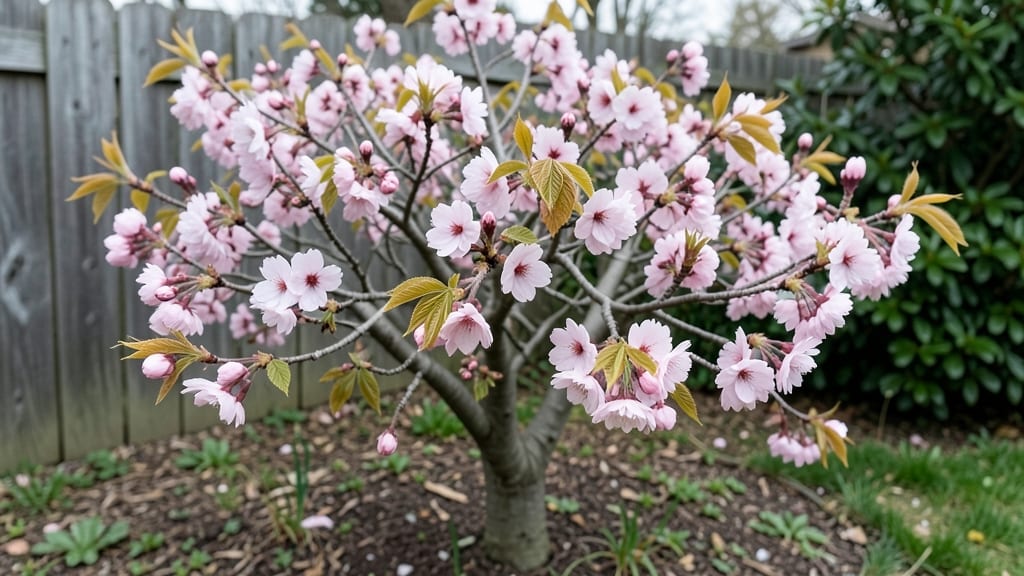
The Okame flowering cherry tree (Prunus serrulata 'Okame') bursts into bloom weeks before most trees, turning your Pacific Northwest yard into a pink-and-white dream by late winter.
I planted mine in a chilly Seattle corner where nothing else thrived—now it’s the first tree in the neighborhood to show off its delicate blossoms. The secret isn’t just its frost hardiness; it’s how well it handles our damp, cool springs and brutal winters without complaint.
This compact beauty grows just 15–20 feet tall, making it perfect for small yards or as a stunning focal point near patios.
It thrives in partial shade to full sun, tolerates a range of soil types (though it prefers well-draining soil), and even handles urban pollution better than many cherries.
The real magic happens in late winter or early spring, when its branches heavy with blossoms create a spectacular, almost surreal display that lasts for weeks.
Pruning isn’t just about shaping—it’s about encouraging those showstopping blooms year after year. The right cuts in late winter or early spring (before buds swell) keep the tree healthy, open it up for better light penetration, and prevent crowded branches that can lead to fewer flowers.
With just a few simple techniques, you’ll turn your Okame into a neighborhood showstopper that blooms reliably for decades.
Whether you’re a first-time pruner or a seasoned gardener, this guide breaks down the process into foolproof steps—no green thumb required. We’ll cover when to prune, which tools to use, and how to spot the signs of a well-pruned tree.
By the time spring rolls around, your Okame will be the first to wear its pink-and-white crown with pride.
📚 In This Guide
- What you need
- Instructions
- Tips and common mistakes
- Wrapping up and next steps
What you need
- ● Pruning shears: Bypass pruners (for cuts up to ½ inch) – 1 pair (sterilized with rubbing alcohol).
- ● Loppers: For branches ½ to 2 inches in diameter – 1 pair (with a ratchet mechanism for ease).
- ● Pruning saw: For thick branches (2+ inches) – 1 (with a curved blade for clean cuts).
- ● Gloves: Heavy-duty, cut-resistant gloves – 1 pair (to protect from thorns and sharp tools).
- ● Disinfectant: 70% isopropyl alcohol or pruning sealant – small bottle (prevents disease spread).
- ● Ladder: Sturdy, extendable ladder (if tree exceeds 10 feet) – 1 (with non-slip feet).
- ○ Tarp or drop cloth: To catch debris – 1 medium-sized (optional but helpful for cleanup).
- ● Pruning paint/sealant: (e.g., Tanglefoot Tree Wound Pruning Seal) – small tube (for sealing large cuts).
- ● Safety glasses: To shield eyes from debris.
- ● Pole pruner: For high branches (if no ladder is used).
- ● Garden kneeler: For comfort while working near the base.
- ● Sharpie or marker: To label branches for future reference.
- ● Extension cord + string lights: For evening pruning (if needed).
Instructions for pruning your Okame flowering cherry tree
Here's the precise method I've used for years to maintain healthy blooms and strong growth in Pacific Northwest winters.
Time Your Pruning for Optimal Bloom and Recovery
Prune your Okame flowering cherry immediately after flowering—typically in late April or early May when petals have fallen but before new growth hardens. This timing ensures you don't cut off next year's flower buds, which form on last year's growth. I always check the ground for fallen blossoms as my cue; if you see them accumulating, it's time to prune.
Never prune in late summer or fall, as this stimulates tender growth that won't harden off before winter. The Okame's frost hardiness comes from dormant buds, and late pruning forces them to grow when they should be resting. If you miss the window, wait until late winter before bud swell begins—though you'll sacrifice some spring bloom quantity.
Assess the Tree's Structure and Identify Problem Areas
Start by examining the tree's overall shape, looking for crossing branches, dead wood, and water sprouts (thin, upright shoots). Hold your hand vertically beside each branch—if you can't fit it between two limbs, they're too close. The Okame's natural vase shape should guide your cuts; aim to open the center for better air circulation and sunlight penetration.
Look for co-dominant stems where two main branches grow at similar angles. These compete for energy and often split under snow or wind. Mark these with a small flag or note them mentally before making any cuts. Healthy branches have smooth bark and green undertones, while dead wood appears dry, cracked, or hollow when tapped gently.
Make Clean Cuts Using Proper Technique
Use sharp, bypass pruners to make cuts just outside the branch collar—the swollen area where the branch meets the trunk. Cut at a 45-degree angle facing away from the branch collar, never leaving a stub. The collar contains protective tissues that prevent disease entry, so never remove it. For branches larger than ½ inch thick, use three-cut method to avoid tearing bark: first cut 1-2 inches from the trunk, second cut beneath the first, then finish by twisting the branch free.
Remove only 20-25% of the tree's total foliage in one season—more aggressive pruning stresses the Okame and reduces next year's bloom. Focus first on dead wood, then crossing branches, and finally any that disrupt the tree's natural shape. Step back frequently to visualize the tree's silhouette; you'll notice when you've achieved balance.
Sanitize Tools and Monitor for Stress Signs
After pruning, clean your tools with 70% rubbing alcohol to prevent spreading bacterial canker or silver leaf disease. Wipe blades dry before storing to prevent rust. The Okame is relatively disease-resistant, but proper sanitation is your first line of defense against Pacific Northwest's damp springs. I keep a small bottle of alcohol in my tool bag for quick cleanups between cuts.
Watch for signs of stress in the days following pruning: sudden leaf drop, wilting, or oozing sap at cut surfaces. These indicate you've removed too much foliage or made improper cuts. If you see these symptoms, apply dormant oil spray in late fall to protect against pests that exploit stressed trees. Healthy Okames should show new growth within 4-6 weeks—look for vibrant green shoots emerging from buds along last year's wood.
Tips & tricks for pruning your Okame flowering cherry tree
Perfect pruning transforms your Okame into a showstopper—here's how to avoid common mistakes that compromise blooms and structure.
Timing is Everything: The window for post-bloom pruning is narrow—actually check for fallen petals on the ground rather than relying on calendar dates. In Pacific Northwest's unpredictable springs, this visual cue ensures you don't accidentally remove next year's flower buds. If you miss this window, late winter pruning before bud swell is your second-best option, though you'll sacrifice some spring bloom quantity. Remember, Okame's frost hardiness depends on dormant buds, so never prune when new growth appears tender.
Branch Assessment Technique: For co-dominant stems (those growing at similar angles), use the "hand test"—if you can't fit your palm between two branches, they're competing. These are prime candidates for removal first. Also look for water sprouts (vertical, pencil-thin shoots) which sap energy from flowering. I always mark problem areas with small flags before making cuts to avoid confusion when I'm 20 feet up in the tree.
Cutting Precision Matters: The branch collar is your guide—never cut flush to the trunk. For branches over ½ inch thick, the three-cut method prevents bark tearing: first cut 1-2 inches from the trunk, second cut beneath, then twist the branch free. This technique keeps the protective collar intact, reducing disease risk. I've seen too many trees develop bacterial canker from improper cuts, especially in our damp Pacific Northwest climate.
Post-Pruning Care: After finishing cuts, immediately clean your tools with 70% rubbing alcohol to prevent disease spread. The Okame is relatively disease-resistant, but proper sanitation is critical in our region's damp springs. Watch for stress signs like sudden leaf drop or oozing sap at cut surfaces—these indicate you've removed too much foliage. Apply dormant oil spray in late fall if you see any stress symptoms to protect against pests that exploit weakened trees.
Pro Tips for Okame Flowering Cherry Tree
- Perfect pruning transforms your Okame into a showstopper—here's how to avoid common mistakes that compromise blooms and structure.
- Timing is Everything: The window for post-bloom pruning is narrow—actually check for fallen petals on the ground rather than relying on calendar dates.
- Branch Assessment Technique: For co-dominant stems (those growing at similar angles), use the "hand test"—if you can't fit your palm between two branches, they're competing.
Frequently asked questions
Got questions about your Okame flowering cherry tree? You’re not alone!
Whether you’re a first-time pruner or just curious about this stunning PNW favorite, here are some of the most common queries—and their answers—to keep your tree thriving.
When is the best time to prune an Okame flowering cherry tree?
The ideal time to prune is late winter or early spring (before buds swell but after severe cold snaps). This timing balances frost protection and encourages vibrant blooms. Avoid pruning in fall—it can stimulate late growth vulnerable to winter damage. Pro tip: If you must prune after flowering, do so lightly to avoid sacrificing next year’s blossoms!
Can Okame cherries survive heavy pruning? What’s the limit?
Okame cherries are highly resilient and can handle 25–30% of their canopy removed per year without stress. For mature trees, avoid cutting back more than 1/3 of the branches in a single session. Focus on thinning out dense growth and removing dead/diseased wood. Warning: Over-pruning can reduce flowering—keep it gradual!
How do I protect Okame cherries from frost or late-season freezes?
Okames are frost-hardy (USDA Zones 5–8), but young trees or late blooms can still suffer. Mulch the base with 2–3 inches of organic material (like wood chips) to insulate roots. For young trees, wrap trunks in burlap or use frost cloths during cold snaps. Water deeply before freezes to help roots withstand temps. Bonus: Plant near a south-facing wall for extra warmth!
What if my Okame cherry isn’t flowering? How can I encourage blooms?
Lack of flowers often stems from over-pruning, poor nutrition, or excessive shade. Ensure your tree gets 6+ hours of sunlight and prune lightly to maintain branch structure. Fertilize in early spring with a balanced 10-10-10 formula and avoid heavy nitrogen (it promotes leaves over flowers). Patience tip: Young trees may take 3–5 years to bloom—don’t panic!
Are there frost-hardy alternatives to Okame cherries for pruning ease?
If Okames seem high-maintenance, consider these low-fuss, cold-tolerant cousins:
- Yoshino Cherry (Prunus × yedoensis): Similar blooms, slightly less vigorous.
- Kwanzan Cherry (Prunus serrulata ‘Kwanzan’): Double flowers, great for urban areas.
- Weeping Higan Cherry (Prunus subhirtella ‘Pendula’): Graceful habit, minimal pruning needed.
Wrapping up and next steps
The Okame flowering cherry tree is a stunning, frost-hardy gem perfect for the Pacific Northwest’s climate—its vibrant blooms and resilient nature make it a must-have for gardeners. With the right pruning techniques, you’ll encourage healthier growth, breathtaking flowers, and long-term beauty.
Now that you’re armed with the knowledge on tools, timing, and methods, it’s time to roll up your sleeves and give your tree the care it deserves! 🌸✂️
Start small—prune a single branch this season, observe how your tree responds, and build confidence. Happy pruning, and may your garden bloom brighter than ever!