
Flowers
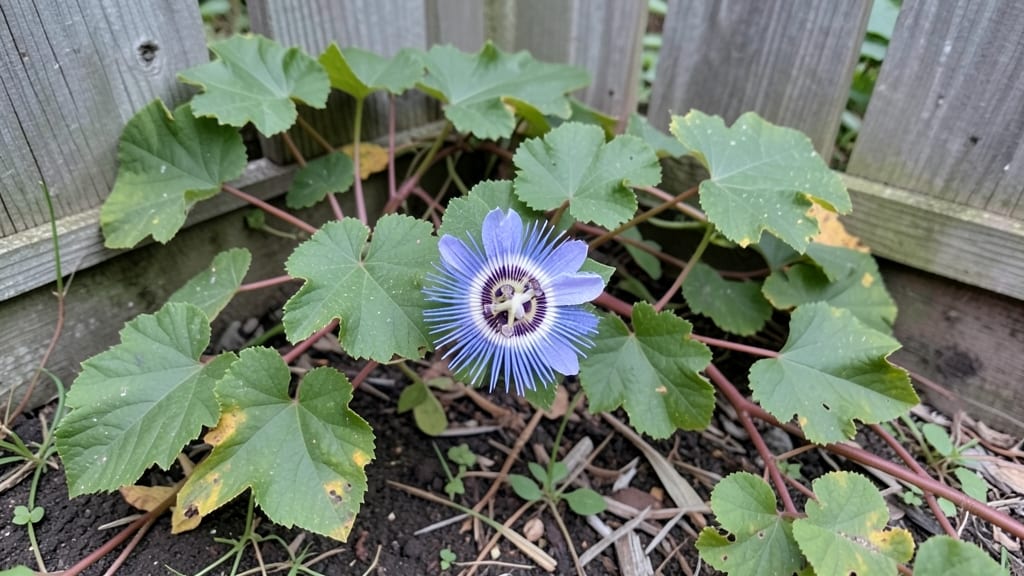
The blue crown passion flower thrives in the Pacific Northwest's damp, cool climate—something I learned after my first plant survived a 20°F winter without a hitch. 🌿 This hardy climber isn't just frost-resistant; it's the kind of plant that rewards patience with stunning violet-blue blooms and exotic foliage that turns heads.
The secret lies in mimicking its natural habitat: rich, well-draining soil, morning sun with afternoon shade, and protection from winter winds.
You'll need a trellis or sturdy fence for support since this plant can climb 10-15 feet in a single season. Start with a 4-inch pot of established plants (they're slow to germinate from seed), and plant in early spring after the last frost.
Water deeply once a week—more in summer, less in winter—but always let the top inch of soil dry out between waterings. The key is consistency; passion flowers hate soggy roots but also can't handle drought.
By midsummer, you'll be rewarded with 3-inch-wide blooms that look like they belong in a tropical greenhouse, not your backyard. The fragrance is subtle but intoxicating, and hummingbirds will visit daily for the nectar.
Prune in late winter to remove dead growth and shape the plant, and fertilize lightly with balanced 10-10-10 in spring and summer. Even in Zone 7, it handles frost better than most passion flowers.
For indoor growing, place near a south-facing window and supplement with a grow light in winter. Propagate from semi-hardwood cuttings in summer or save seeds from ripe fruit (though they take longer to bloom).
The biggest mistake? Overwatering or letting it dry out completely—this plant is tough but not indestructible. With the right care, it'll climb, bloom, and come back year after year.
📚 In This Guide
- What you need
- Instructions
- Tips and common mistakes
- Wrapping up and next steps
What you need
- ● Blue Crown Passion Flower: 1-3 nursery-grown plants (hardy to USDA Zones 6-10) or
- ● Seeds (start indoors 8-10 weeks before last frost) or
- ● Rooted cuttings (6-inch stems with nodes)
- ● Well-draining soil: Mix of 50% native soil, 30% compost, and 20% perlite/sand (pH 6.0-7.0).
- ● Container or garden bed: Containers: 15-20 gallon pots with drainage holes (for cold climates).
- ● Garden beds: Full sun (6+ hours/day) with south-facing walls for winter protection.
- ● Mulch: 2-3 inches of straw or wood chips to insulate roots.
- ● Hand trowel and pruners (sterilized with rubbing alcohol).
- ● Garden gloves (to protect from thorns!).
- ● Support structure: Trellis, fence, or 5-6 ft tall arbor (vines grow 10-15 ft/year!).
- ● Fertilizer: Balanced 10-10-10 or organic compost tea (apply spring/early summer).
- ○ Optional (for cold climates): Burlap or frost cloth to wrap containers.
- ● Grow lights (for indoor seed starting).
Step-by-Step instructions for planting and cultivating blue crown passion flower
This hardy climber thrives in the Pacific Northwest’s climate—here’s how to get it established strong and frost-resistant.
🌱 Step 1: Choose the Perfect Planting Location
Blue Crown Passion Flower (Passiflora caerulea) needs a sheltered spot with morning sun and afternoon shade—critical for the PNW’s damp summers. I always pick a spot near a sturdy trellis or fence where it can climb 8-10 feet high without competing with other plants. The roots prefer well-draining soil but tolerate some moisture, so avoid low-lying areas where water pools.
Test your soil’s drainage by digging a 6-inch hole and filling it with water. If it drains within 2 hours, your spot is ideal. If water lingers, amend the soil with 2-3 inches of compost to improve aeration. The plant’s frost resistance kicks in once established, but young vines benefit from a south-facing wall for winter protection.
☀️ Step 2: Plant at the Right Time and Depth
Plant in early spring after the last frost date in your zone, or in late summer for a head start before winter. Dig a hole twice as wide as the root ball but no deeper—this prevents waterlogging and encourages shallow root growth. Gently loosen the roots if they’re circling and place the plant so the top of the root ball sits level with the soil surface (never buried).
Backfill with native soil mixed with 1 part compost to give it a nutrient boost. Press lightly around the base to remove air pockets, then water deeply until moisture reaches 6 inches down. Mulch with 2-3 inches of shredded bark to retain moisture and protect roots from winter chill. Avoid fresh mulch, which can compact and suffocate roots.
💧 Step 3: Water and Fertilize for Strong Growth
Keep the soil evenly moist but not soggy for the first 4-6 weeks—this is when roots establish. Water deeply 2-3 times per week in summer, checking that the top 2 inches of soil dry out between waterings. Overwatering in winter can rot the roots, so reduce to once every 2 weeks unless it’s unusually dry. The plant’s blue-green foliage is your cue it’s happy; yellowing leaves mean it’s thirsty or drowning.
Fertilize once in early spring with a balanced 10-10-10 formula to encourage flowering. I skip summer feeding—too much nitrogen leads to lush leaves but fewer blooms. Instead, side-dress with compost in late summer to prep for winter. The first year, focus on root growth; you’ll see vines reaching 3-5 feet by fall if conditions are right.
✂️ Step 4: Train and Prune for Frost Resilience
Install a strong trellis or arbor at planting time—passion vines twine clockwise, so guide them upward gently as they grow. Prune in late winter (just before new growth starts) to remove dead, weak, or crossing stems. Cut back one-third of the oldest wood to encourage new growth from the base, which is more frost-hardy. Avoid heavy pruning in fall, as the plant needs foliage to store energy for winter.
In zones with hard freezes below 10°F, wrap the trellis with burlap and mound 4-6 inches of mulch around the base. The plant’s woody stems survive light frosts, but young shoots may die back. Don’t worry—it rebounds quickly in spring. If you live in a milder PNW microclimate (like the Willamette Valley), minimal protection suffices.
🌿 Step 5: Encourage Blooms and Overwinter Successfully
Blue Crown Passion Flower blooms on new wood, so prune lightly in summer to remove spent flowers and encourage more blooms. Deadhead wilted blooms but leave seed pods if you want to propagate—just pinch them off if you prefer more flowers. The vibrant blue-purple flowers appear in late spring to early summer, and with proper care, they’ll return year after year.
In fall, reduce watering but keep the soil slightly moist until the first hard frost. The plant enters dormancy when temperatures drop below 40°F, so stop fertilizing by mid-August. If your winters are wet, add a 1-inch layer of straw mulch over the bark mulch to prevent rot. With these steps, your passion vine will thrive for decades—a true PNW workhorse.
Tips & tricks for perfect blue crown passion flower cultivation
Here's what I've learned after years of growing this stunning PNW climber—these tricks will help you avoid common pitfalls and get the most vibrant blooms.
Soil Test Tip: That 2-hour drainage test in Step 1 is crucial—don't skip it! If your soil drains too slowly, mix in extra compost (up to 4-5 inches total) to improve aeration. I've seen passion vines fail in heavy clay because roots suffocate. For container growing, use a mix of 50% potting soil and 50% perlite to replicate ideal drainage.
Planting Depth Secret: When placing your plant in Step 2, make sure the root ball sits just below soil level—never above it. The top should be flush with the ground, not buried. I've seen beginners bury the root ball too deep, which causes root rot. After planting, press the soil firmly around the base to eliminate air pockets that can strangle new roots.
Watering Wisdom: The 4-6 week critical root establishment period in Step 3 requires consistency. Use your finger to check moisture—top 2 inches should dry out between waterings, but deeper soil should stay moist. I've found that morning watering prevents fungal issues from evening dampness. For containers, water until it drains from the bottom—overwatering is the #1 killer of young passion vines.
Pruning Pro Tip: In Step 4, when you're cutting back one-third of the oldest wood, look for stems that are woody and brown—these are the ones to remove. Save the green, flexible stems for next year's growth. I always prune on a dry day when the plant is dormant (late winter) to minimize stress. Sterilize your pruners with rubbing alcohol between cuts to prevent disease spread.
Pro Tips for Blue Crown Passion Flower
- Here's what I've learned after years of growing this stunning PNW climber—these tricks will help you avoid common pitfalls and get the most vibrant blooms.
- Soil Test Tip: That 2-hour drainage test in Step 1 is crucial—don't skip it!
- Planting Depth Secret: When placing your plant in Step 2, make sure the root ball sits just below soil level—never above it.
Frequently asked questions
Got questions about growing blue crown passion flower in the Pacific Northwest? You're not alone!
Here are answers to the most common concerns—from frost survival to pruning tips—so you can nurture this stunning vine with confidence.
How cold can blue crown passion flower tolerate?
This hardy climber thrives in USDA Zones 5-9 and handles light frosts down to 10°F (-12°C). In the PNW’s chilly winters, mulch heavily around the base and protect young plants with burlap wraps. Established vines often bounce back after heavy freezes!
When is the best time to plant blue crown passion flower?
Plant in early spring (March-April) after the last frost, or early fall (September-October) to give roots time to establish before winter. Avoid transplanting in summer heat—roots can dry out quickly. PNW’s mild summers make spring planting ideal for most gardeners.
Can I grow blue crown passion flower from seed, or should I buy a plant?
While possible, seeds are slow to germinate (6-12 months) and may not retain the parent plant’s vibrant blue crown. For faster results, opt for nursery-grown plants (bare-root or potted). Look for disease-resistant varieties like Passiflora caerulea ‘Constance Elliott’ for PNW gardens.
What’s the best support for this vigorous climber?
Use a strong trellis (8+ feet tall), arbor, or fence—this vine can grow 15-20 feet per season! Avoid weak stakes; the heavy foliage and flowers need sturdy support. Train young vines with soft ties to encourage upward growth. Pro tip: Add a wire mesh for extra grip.
What pests or diseases should I watch for in the PNW?
Common issues include:
- Aphids: Spray with soapy water or introduce ladybugs.
- Spider mites: Increase humidity with misting.
- Fungal issues (e.g., powdery mildew): Improve airflow and avoid overhead watering.
PNW’s damp climate can encourage slugs—use copper tape or diatomaceous earth as a barrier.
When and how should I prune blue crown passion flower?
Prune in late winter or early spring to shape the vine and remove dead wood. Cut back overly long vines by 1/3 to encourage bushier growth. Pro tip: Deadhead spent flowers to redirect energy to new blooms—this vine rewards patience with summer-to-fall flowers!
Wrapping up and next steps
Growing blue crown passion flower in the Pacific Northwest is a rewarding journey—this hardy climber thrives in your region’s unique climate while adding stunning tropical flair to your garden. 🌿 With the right soil, sunlight, and support, you’ll enjoy its vibrant blooms and edible fruits for years to come.
Whether you’re a seasoned gardener or just starting out, this frost-resistant beauty makes it easy to cultivate nature’s artistry.
Ready to take the next step? Start with a single plant and watch it transform your space—your future self (and pollinators!) will thank you. Happy gardening! 🌸