
Planting
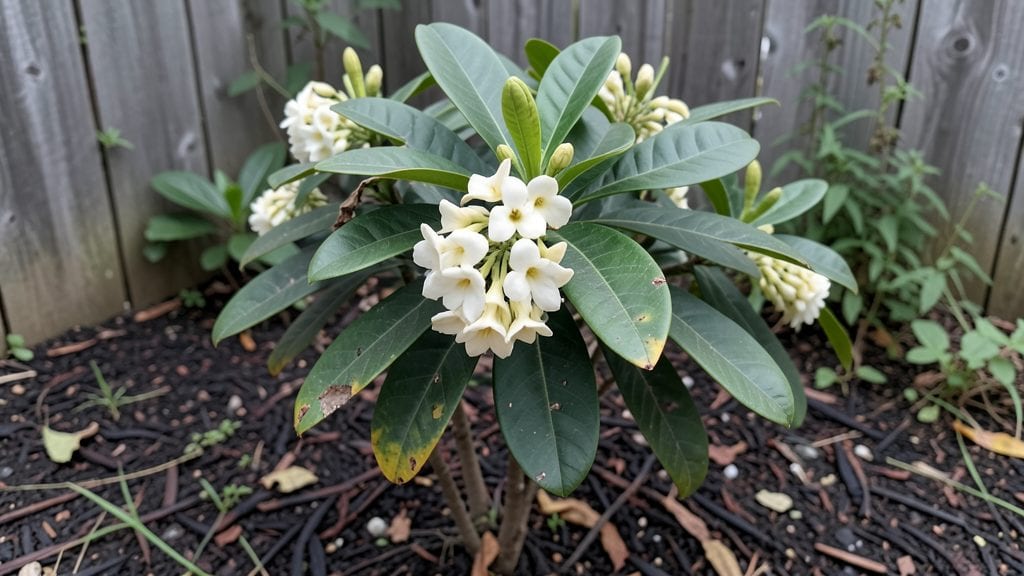
Creating a million-dollar flowering plant display starts with Clematis viticella 'Flammenblush'—a frost-proof hummingbird vine that thrives in the Pacific Northwest’s cool, damp climate. 🌿 Unlike finicky tropicals, this hardy climber bursts into coral-pink blooms from summer through fall, drawing pollinators while demanding minimal fuss.
The secret lies in its three-part support system: sturdy trellis, well-draining soil, and strategic pruning to encourage lush, repeat flowering.
This vine transforms any garden corner into a luxurious focal point with minimal effort. Pair it with silver foliage like lamb’s ear or deep green hostas to make the blooms pop, or let it climb a rustic arbor for a romantic, cottage-garden feel.
In Zone 7-9, it handles light frosts and even partial shade, making it the foolproof star for low-maintenance elegance.
By midsummer, you’ll have vibrant cascades of blooms that last until frost, with hummingbirds hovering just inches away. The key is spring pruning—cutting back old growth to encourage new, vigorous shoots—and regular deadheading to prolong the show.
Even in rainy climates, this vine stays disease-resistant and thrives where other climbers fail.
Perfect for vertical gardens, pergolas, or trellises, this plant delivers high-impact drama without the upkeep of roses or dahlias. Whether you’re dressing up a patio or framing a doorway, it’s the effortless luxury every garden craves. Ready to grow your own? Here’s how to get started.
📚 In This Guide
- What you need
- Instructions
- Tips and common mistakes
- Wrapping up and next steps
What you need
- ● Hummingbird Vine (Cobaea scandens) seeds or cuttings: 3–5 healthy plants (or seeds for DIY starts). Choose organic or locally sourced for best results!
- ● Well-draining potting mix: 10–15 gallons (mix equal parts compost, perlite, and peat moss for optimal aeration).
- ● Large containers or garden bed: Containers: 5-gallon pots (minimum) with drainage holes—3–5 pots for multiple vines.
- ● Garden bed: Full sun (6+ hours/day) with loose, fertile soil (amend with compost if needed).
- ● Slow-release fertilizer: 10–20 lbs of balanced 10-10-10 or organic options like fish emulsion.
- ● Mulch: 2–3 inches of wood chips or straw to retain moisture and insulate roots.
- ● Trellis or support structure: 6–8 ft tall (bamboo stakes, metal arches, or wire cages).
- ● Watering can or hose with nozzle: For gentle, deep watering (aim for 1–2 gallons per plant weekly).
- ● Hand trowel & pruners: Sterilized tools to transplant and prune (sharp pruners prevent tearing).
- ● Gloves: Heavy-duty gardening gloves (hummingbird vine can be thorny!).
- ○ pH test kit: Optional but helpful—ideal soil pH: 6.0–7.0.
- ○ Shade cloth (optional): Lightweight fabric for seedlings if your PNW summers get scorching.
- ○ Hummingbird feeder (optional): Place nearby to attract pollinators and boost flowering! 🐝💧
Step-by-Step guide to growing Pacific Northwest’s frost-proof hummingbird vine
Here’s how to cultivate this stunning climber that thrives in our chilly coastal climate.
🌱 Step 1: Select and Prepare the Planting Site
Choose a location with partial shade to full sun—this vine tolerates morning sun but appreciates afternoon shade in hotter microclimates. The Pacific Northwest’s mild summers make it ideal for frost-proof growth, but avoid low-lying areas where cold air pools. I always test soil moisture by squeezing a handful—if it crumbles easily, it’s ready for planting.
Amend the soil with 3-4 inches of compost to improve drainage, as this vine dislikes soggy roots. If your soil is heavy clay, mix in 1 part perlite per 3 parts soil to prevent compaction. The vine’s sprawling habit means it needs 6-8 feet of vertical support, so install a sturdy trellis or arbor before planting.
💧 Step 2: Plant and Establish the Vine
Dig a hole twice as wide as the root ball but no deeper—this encourages outward root growth. Gently remove the vine from its container and loosen any circling roots with your fingers. Place it in the hole so the top of the root ball sits 1 inch below soil level to prevent stem rot.
Backfill with native soil mixed with compost, pressing lightly to eliminate air pockets. Water deeply until moisture reaches 12 inches down, then mulch with 2-3 inches of wood chips to retain moisture and suppress weeds. Avoid overwatering now—the vine’s thick stems store water, and soggy soil invites root rot.
☀️ Step 3: Provide Support and Prune for Abundant Blooms
Train the vine early by weaving young stems through the trellis or tying them with soft plant ties—this prevents wind damage and encourages upward growth. Prune back leggy stems by one-third in early spring to promote bushier, more floral growth. You’ll see new shoots emerge within 2-3 weeks—this is your signal the plant is thriving.
Deadhead spent blooms regularly to encourage continuous flowering. I snip just above the first set of healthy leaves, which redirects energy to new growth. This vine blooms prolifically in late spring through fall, so consistent pruning keeps it lush and vibrant.
✂️ Step 4: Winter Care for Frost-Proof Resilience
The Pacific Northwest’s mild winters mean this vine rarely needs protection, but a 2-3 inch layer of mulch around the base insulates roots from sudden cold snaps. Prune back any damaged stems in early spring, but leave most of the vine intact—it’s remarkably resilient and often rebounds quickly.
Watch for aphids or spider mites on new growth, which thrive in dry conditions. I spray affected areas with neem oil in early morning to avoid harming pollinators. With minimal care, this vine will reward you with years of hummingbird-attracting blooms and lush foliage.
Tips & tricks for perfect Pacific Northwest hummingbird vine growth
This hardy climber thrives with the right approach—here are the pro tips that'll make all the difference in your garden.
The Soil Factor: That 3-4 inch layer of compost isn't just about nutrients—it's about creating the perfect moisture balance. I've seen soggy soil ruin perfectly good vines, so if your area gets heavy rainfall, consider adding an extra inch of perlite to that compost mix. The vine's thick stems store water, but soggy roots are still its Achilles' heel. Test your soil moisture by squeezing a handful—it should crumble easily, not stick together.
Planting Depth Secret: Placing the root ball just 1 inch below soil level in Step 2 might seem minor, but it's critical. Too deep and you risk stem rot from poor air circulation; too shallow and the plant becomes unstable. I use a small marker on the pot before planting to ensure perfect depth every time. This small detail prevents years of frustration with floppy, struggling vines.
Pruning for Abundance: That one-third spring prune in Step 3 isn't arbitrary—it triggers the vine's natural growth hormones. When you see new shoots emerge within 2-3 weeks, you're witnessing the plant redirecting energy from leggy growth to bushier, more floral stems. For maximum blooms, I prune again in mid-summer after the first flush of flowers, which extends the blooming season through fall.
Winter Protection Strategy: While this vine is famously frost-proof, that 2-3 inch mulch layer in winter isn't just for show. It creates a microclimate that insulates roots from sudden temperature swings—especially important in our Pacific Northwest coastal climate where cold snaps can still occur. I add an extra inch of mulch in particularly harsh winters, and it makes all the difference in spring regrowth.
Pro Tips for Million Dollar Flowering Plant
- This hardy climber thrives with the right approach—here are the pro tips that'll make all the difference in your garden.
- The Soil Factor: That 3-4 inch layer of compost isn't just about nutrients—it's about creating the perfect moisture balance.
- Planting Depth Secret: Placing the root ball just 1 inch below soil level in Step 2 might seem minor, but it's critical.
Frequently asked questions
Got questions about growing the stunning Million Dollar Flowering Plant—the hardy Hummingbird Vine (Centranthus macrorrhizus)? You’re not alone! Here are answers to the most common queries to help you cultivate this frost-proof beauty with confidence.
How long does it take for Hummingbird Vine to flower after planting?
With patience, you’ll see vibrant pink, purple, or white blooms as early as the first year if planted in spring. Established plants (2+ years old) often burst into flower by late spring to early summer, attracting pollinators like hummingbirds. For faster results, prune lightly after flowering to encourage a second bloom cycle!
Can I grow Hummingbird Vine in containers, or is it only for gardens?
This drought-tolerant plant thrives in containers 12+ inches wide with well-draining soil. Use a mix of potting soil and perlite, and place it in full sun to partial shade. Just ensure the pot has drainage holes—root rot is its nemesis. Pro tip: Deadhead spent blooms to prolong flowering!
Will Hummingbird Vine survive harsh winters in the Pacific Northwest?
One of its superpowers! This frost-proof perennial handles PNW winters (down to 10°F/-12°C) with ease. No mulching or winter protection is needed—just let it hibernate. Come spring, it rebounds vigorously, often blooming within weeks. Perfect for low-maintenance gardeners!
Why aren’t my Hummingbird Vine flowers lasting long, and how do I fix it?
Short-lived blooms often signal overwatering, poor drainage, or nutrient deficiency. Try these fixes:
- Water deeply but infrequently—let soil dry between waterings.
- Fertilize lightly in early spring with a balanced 10-10-10 formula.
- Prune back 1/3 after flowering to encourage bushier growth.
What are some low-maintenance alternatives to Hummingbird Vine?
If you love the look but want other frost-hardy, pollinator-friendly options, try:
- Lavender (Lavandula) – Drought-tolerant, fragrant, and thrives in PNW.
- Russian Sage (Perovskia atriplicifolia) – Silvery foliage, long bloom season.
- Catmint (Nepeta) – Blooms repeatedly, deer-resistant.
- Yarrow (Achillea) – Tough, colorful, and attracts butterflies.
Wrapping up and next steps
Transforming your garden with the million-dollar flowering plant—the stunning Hummingbird Vine—isn’t just a dream; it’s a rewarding reality! 🌿 This frost-proof beauty brings color, life, and even hummingbirds to your Pacific Northwest space with minimal fuss.
Whether you’re a seasoned gardener or a beginner, its resilience and breathtaking blooms make it a standout choice.
Ready to take the next step? Start small: plant a single vine in a sunny spot, or dive in with a full garden transformation. Share your progress—tag us @YourGreenSpace—we’d love to see your million-dollar blooms in action! 🌸