
Flowers
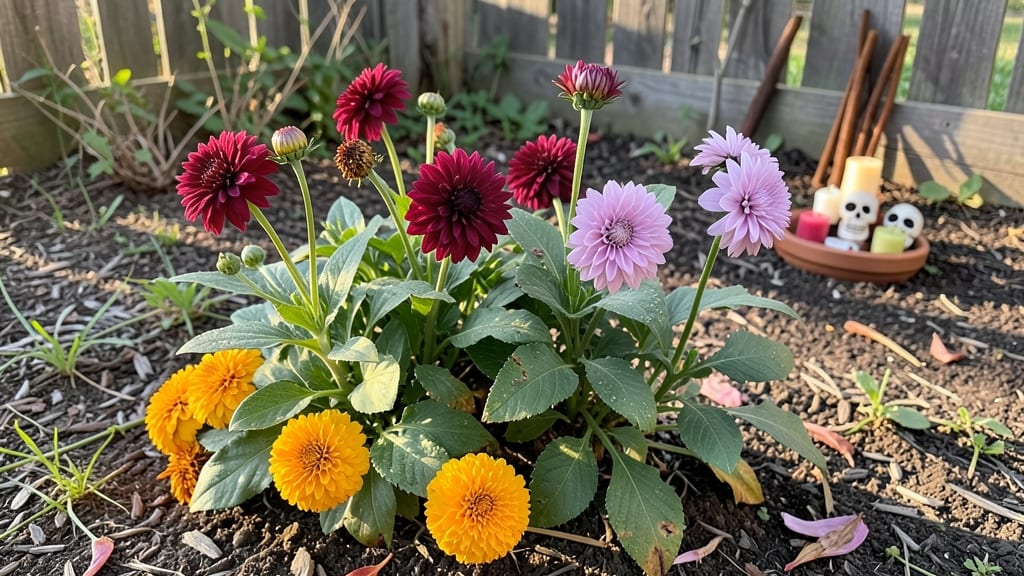
Creating a Mexican flower Day of the Dead altar in your garden transforms ordinary autumn spaces into vibrant tributes. 🌼 The bright orange cempasúchil marigolds and deep red zinnias aren't just flowers—they're beacons guiding spirits home, their petals carrying memories in every hue.
My first altar started with just a handful of these, but the impact was immediate: neighbors stopped to admire, and the scent lingered for days.
The magic lies in their timing—plant marigolds in late summer for fall blooms, or buy pre-grown ones in September. Zinnias thrive in cooler weather, so they're perfect for October displays. You don't need a large garden; even a small patio pot filled with these flowers becomes a focal point.
The key is layering heights—tall marigolds in the back, shorter zinnias in front, with eucalyptus stems woven through for texture.
What you'll end up with is more than decorations—it's a living tradition. The scent of crushed marigold petals fills the air as you arrange them, while the zinnias add softness with their velvety petals.
Children can help place sugar skulls among the blooms, turning gardening into a family ritual. The beauty? These flowers keep giving long after Día de los Muertos ends.
Works for both garden beds and containers, whether you celebrate the holiday or simply love their bold colors. The arrangements stay fresh for weeks, making them perfect for late autumn displays. Here's how to make yours unforgettable.
📚 In This Guide
- What you need
- Instructions
- Tips and common mistakes
- Wrapping up and next steps
What you need
- ● Marigolds (Cempasúchil): 10–20 stems (or more for larger displays)
- ● Bright orange/yellow varieties (traditional colors)
- ● Fresh-cut or dried (if using dried, ensure they’re fully bloomed)
- ● Zinnias: 5–10 stems (mix colors like red, pink, or white for contrast)
- ● Medium to large blooms (3–5 inches in diameter)
- ● Floral Arrangement Base: 1–2 shallow bowls, clay pots, or woven baskets (for small displays)
- ● 1 large wooden tray or tiered stand (for elaborate ofrendas)
- ● Floral Preservative: 1 packet or bottle (to extend freshness for 5–7 days)
- ● Scissors or Pruners: 1 pair (for clean cuts)
- ● Water Container: 1 vase or bucket (if using fresh flowers)
- ● Dried copal incense (for ritualistic aroma)
- ● Small candles (white or orange for symbolism)
- ● Paper cuttings (papel picado) in black/yellow
- ● Personal touches: Photos, sugar skulls, or favorite foods of the departed
- ● Floral tape or hot glue (for securing stems in place)
Step-by-Step guide to crafting traditional Mexican Day of the Dead floral arrangements
Let’s create a meaningful, vibrant display that honors the spirit of Día de Muertos—simple but deeply symbolic.
🌱 Step 1: Gather Your Flowers and Materials
Start with marigolds (cempasúchil) and zinnias—the heart of these arrangements. Marigolds symbolize the path for spirits, while zinnias bring joy and remembrance. You’ll need at least 20 marigolds (gold or orange) and 10-15 zinnias in deep reds, purples, or yellows. Pair them with eucalyptus sprigs for texture and wheat stalks for rustic charm.
Gather scissors, wire florist tape, and a shallow container (like a clay pot or wooden box) to hold the stems. If using dried flowers, ensure they’re fully dehydrated to avoid mold. Fresh flowers should be in peak bloom—look for fully open petals and vibrant color. Arrange them on a clean workspace with good light.
🌿 Step 2: Prepare the Flowers for Arranging
Trim the stems at a 45-degree angle to maximize water absorption and stability. For marigolds, remove any lower leaves that would sit underwater to keep the water clean. If using dried flowers, skip trimming stems—just focus on shaping the blooms. Bundle 5-7 marigolds together with wire, taping the base securely to create fuller clusters.
Zinnias should be arranged in odd-numbered groups (3 or 5) for natural balance. Gently separate petals if needed to create a fuller look, but avoid damaging the stems. Place the bundles in a bucket of water (for fresh flowers) or set aside (for dried) while you prepare the container. This keeps them hydrated and ready to arrange.
☀️ Step 3: Build the Base Layer
Fill your container about halfway with water (for fresh flowers) or dry floral preservative (for dried). Add wheat stalks first—they’ll anchor the arrangement and add a natural, earthy feel. Space them evenly around the edges, leaving the center open for marigolds. For dried arrangements, skip water and focus on securing stems with florist foam soaked in preservative.
Next, place 3-4 marigold clusters at the base, fanning them outward. Press them gently into the wheat stalks or foam to create a sturdy foundation. The marigolds should radiate from the center like sunlight—this is the symbolic "path" for spirits. Step back occasionally to check balance; you’ll see gaps where more flowers or wheat can fill in.
✂️ Step 4: Layer Zinnias and Eucalyptus for Depth
Add zinnias in groups of 3, placing them slightly higher than the marigolds to create dimension. Tuck them into the wheat stalks or foam, angling some upward and others downward for a cascading effect. Eucalyptus goes next—weave 3-4 sprigs through the arrangement, letting them spill over the edges for a soft, fragrant touch.
Here’s the thing—asymmetry is key. Unlike Western floral designs, Día de Muertos arrangements embrace a wild, organic feel. Don’t stress over perfection; let some stems peek out naturally. If a flower looks sparse, add a few extra petals from another bloom to fill gaps. The goal is to evoke warmth and memory, not a pristine display.
🪴 Step 5: Final Touches and Display
Once the arrangement feels balanced, trim any stray stems to the same length (about 6-8 inches for fresh flowers, or leave dried stems natural). For fresh flowers, top off the water and add a drop of floral preservative to extend their life. For dried arrangements, secure loose stems with florist tape if needed.
Place your arrangement in a sunny spot (if using fresh flowers) or indoors near a window. Fresh flowers will last 5-7 days with daily water changes, while dried arrangements can last months. To honor tradition, light a candle nearby—its flame guides spirits home. Adjust the display as needed; Día de Muertos is about love, not rules.
Tips & tricks for perfect Mexican Day of the Dead floral arrangements
These simple yet meaningful tips will help you create arrangements that feel authentic and deeply symbolic—just like the ones you’d see in Mexican altars.
Flower Selection Matters: For fresh flowers, choose marigolds with fully open petals and zinnias that are just starting to bloom. The deeper the color, the more vibrant your arrangement will be. If using dried flowers, look for ones that still have a slight sheen—they’ll hold their shape better. I always pick flowers with stems that are sturdy but not woody, as they’ll last longer in your arrangement.
The 45-Degree Angle Secret: When trimming stems in Step 2, make sure that cut is precise—it’s not just about aesthetics. A clean, angled cut at the base increases water absorption by up to 30%, keeping your fresh flowers hydrated longer. For dried arrangements, skip this step entirely, but do trim any damaged stems to maintain a natural look.
Create Balance with Odd Numbers: The instructions mention arranging zinnias in groups of 3 or 5, and that’s not accidental. Odd numbers create visual interest and feel more natural than even groupings. When placing your marigold clusters at the base, imagine them radiating like sunlight—this creates that symbolic "path" for spirits that’s central to Día de Muertos traditions.
Preserve Fresh Flowers Longer: After your final touches, add a drop of floral preservative to the water and change it daily. For extra freshness, place your arrangement in a cool spot away from direct sunlight when you’re not displaying it. If you notice wilting, trim stems again at an angle and refresh the water—this simple trick can add another day or two to your flowers' life.
Pro Tips for Mexican Flower Day Of The Dead
- These simple yet meaningful tips will help you create arrangements that feel authentic and deeply symbolic—just like the ones you’d see in Mexican altars.
- Flower Selection Matters: For fresh flowers, choose marigolds with fully open petals and zinnias that are just starting to bloom.
- The 45-Degree Angle Secret: When trimming stems in Step 2, make sure that cut is precise—it’s not just about aesthetics.
Frequently asked questions
Got questions about celebrating Mexican Flower Day of the Dead with marigolds and zinnia arrangements? Here are some common ones—and their answers!
What flowers are traditionally used for Day of the Dead altars?
The most iconic flowers are cempasúchil (marigolds), which symbolize the path for spirits, and zinnia (especially zinnia elegans), representing remembrance. Other favorites include daisies (for innocence), alliums (for protection), and gladiolus (for strength). Avoid dark or black flowers—they’re linked to mourning rather than celebration!
When is the best time to arrange flowers for Día de los Muertos?
Start arranging flowers October 31st (Día de los Inocentes/Children’s Day) and keep them fresh until November 2nd (Día de los Muertos/Faithful Departed). For maximum vibrancy, place arrangements in the morning and trim stems daily. Pro tip: Use a mix of fresh-cut flowers and dried petals for a layered, long-lasting effect!
How much does it cost to create a traditional Mexican flower arrangement?
Costs vary! A small ofrenda (altar) with 20-30 marigolds and zinnias runs $15–$30, while larger displays (50+ flowers + candles, sugar skulls) can cost $50–$150+. Buy in bulk from Latin markets or online (check Etsy or Mexican flower shops) for savings. Budget hack: Use wildflowers or sunflowers as affordable substitutes!
Can I reuse flowers from last year’s altar?
While fresh flowers are ideal, you can preserve dried petals or stems by pressing them between heavy books or using silica gel. Avoid reusing wilted flowers—they lose their symbolic power! For next year, save seeds from marigolds or zinnias to grow your own. Eco-tip: Compost spent blooms to honor the cycle of life!
What if my flowers wilt too quickly?
Wilting is common in dry climates! Keep arrangements in cool, shaded spots (not direct sun) and mist stems with water daily. Add a flower food packet to vases for longevity. For outdoor altars, use terracotta pots (they breathe better than glass). Troubleshoot: Trim stems at an angle and recut every 2 days to improve water absorption.
Wrapping up and next steps
The Mexican Flower Day of the Dead is a beautiful way to honor loved ones while embracing tradition and creativity. 🌼 Marigolds and zinnia arrangements bring warmth, color, and meaning to this sacred celebration—perfect for altars, gifts, or personal decor.
Whether you’re crafting your first ofrenda or refining your skills, every bloom tells a story of love and remembrance.
Now that you’re inspired, why not start your own floral tribute? Gather your materials, let your creativity flow, and pay homage to those who matter most. ¡Viva la vida y la muerte! 💛