Container Gardens
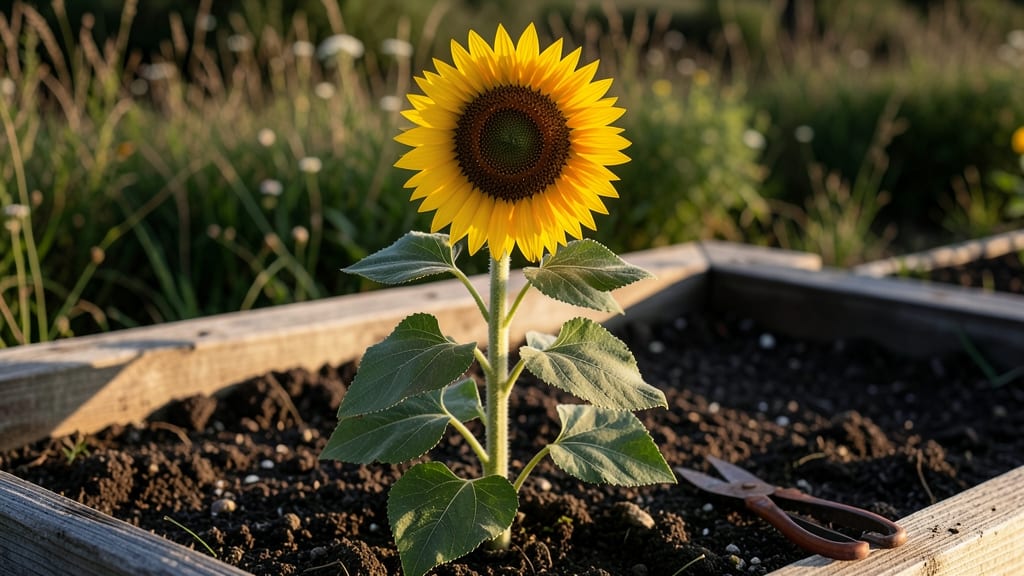
Growing Mexican sunflowers in containers is the Pacific Northwest's secret weapon for bold, drought-tolerant color that thrives even when summer heat arrives. 🌻 I've watched these fiery blooms transform my patio from ordinary to showstopping—all while using less water than most annuals.
The key? Matching their tropical roots to containers that mimic their native conditions without overcomplicating things.
Start with a 5-gallon container minimum—anything smaller risks root-bound frustration—and prioritize drainage holes to prevent soggy roots. These sunflowers love full sun (6+ hours daily) but will forgive partial shade in hot afternoons, making them perfect for balconies or sunny corners.
The soil mix should be well-draining yet moisture-retentive, like a blend of potting soil and perlite, to keep roots happy without constant watering.
Water deeply when the top inch feels dry, but resist the urge to drown them—overwatering is their #1 enemy. Feed with a balanced organic fertilizer every 4-6 weeks, and watch as they reward you with 3-foot-tall spikes of orange-red blooms from summer through frost.
The more you deadhead spent blooms, the bushier they grow, extending their show well into fall.
Even in our damp climate, these sunflowers handle occasional light frosts surprisingly well, making them the low-maintenance superstar of container gardens. Just avoid pruning back too hard in early spring, and you'll enjoy their fiery display for years with minimal effort. Here's how to set yours up for success!
📚 In This Guide
- What you need
- Instructions
- Tips and common mistakes
- Wrapping up and next steps
What you need
- ● Container: A 5-gallon or larger pot with drainage holes (e.g., fabric grow bags, ceramic, or plastic). Minimum size: 12" diameter x 12" deep.
- ● Well-draining potting mix: A lightweight blend (e.g., 60% coco coir, 20% perlite, 20% compost). Avoid heavy garden soil.
- ● Mexican sunflower seeds or young plants: Choose organic, non-GMO seeds or nursery starts. Quantity: 1–3 plants per container.
- ● Drainage layer: 1–2 inches of gravel, pebbles, or broken pottery to prevent root rot.
- ● Slow-release fertilizer: Balanced 10-10-10 or organic options like fish emulsion (follow package rates).
- ● Watering can or hose with gentle spray nozzle: For deep but controlled watering.
- ● Trowel or small shovel for transplanting.
- ● Pruning shears (for deadheading or shaping).
- ● Mulch (e.g., straw or shredded bark) to retain moisture.
- ● Container saucer or tray to catch runoff.
- ● Sunlight meter (to ensure 6+ hours of direct sun per day).
Step-by-step instructions for growing Mexican sunflowers in containers
Here’s how to cultivate these striking, drought-tolerant blooms in pots—perfect for Pacific Northwest’s unpredictable climate.
🌱 Step 1: Select the Right Container and Soil Mix
Choose a 5-gallon container with drainage holes—Mexican sunflowers need room for their deep taproots. I opt for unglazed terra cotta because it breathes, preventing root rot in our damp winters. Fill the bottom 2 inches with gravel or coarse sand to improve drainage.
Use a well-draining potting mix blended with 20% perlite or pumice—this mimics their native rocky soils. Avoid garden soil; it compacts and suffocates roots. Moisten the mix until it’s damp but not soggy—you should see moisture beads form when squeezed, not puddles.
🌿 Step 2: Plant Seeds at the Correct Depth and Spacing
Sow 2-3 seeds per container at a depth of ½ inch, about 1 inch apart. Press them gently into the soil—don’t bury them deeper, or germination slows. Cover lightly with a thin layer of mix, then mist the surface until evenly damp. I like to use a spray bottle to avoid displacing seeds.
Place the container in a warm spot (70-75°F)—a sunny windowsill or under a grow light—until sprouts appear in 7-14 days. Keep the soil consistently moist but not waterlogged; let the top inch dry slightly between waterings. Once seedlings reach 2 inches tall, thin to the strongest one per pot to avoid competition.
☀️ Step 3: Provide Full Sun and Gradual Hardening
Mexican sunflowers thrive in full sun (6+ hours daily), so move containers outdoors once nighttime temperatures stay above 50°F. Start with morning sun only for the first week to prevent leaf scorch. Watch for new growth—when stems firm up and leaves darken, they’re ready for full sun.
Harden off seedlings by placing them outside for 1-2 hours daily, gradually increasing exposure over 10 days. You’ll see stems thicken and leaves toughen—this means they’re adapting. After hardening, fertilize lightly with a balanced 10-10-10 mix to encourage robust growth. Avoid over-fertilizing; these sunflowers prefer lean soil.
💧 Step 4: Water Deeply and Prune for Stronger Blooms
Water deeply once a week, soaking the container until water drains from the bottom. Let the top 2 inches of soil dry between waterings—overwatering causes yellowing leaves and weak stems. Mulch with 1 inch of gravel to retain moisture and deter weeds, but keep it 2 inches away from the stem to prevent rot.
Pinch back the top set of leaves when the plant reaches 12 inches tall to encourage bushier growth. Remove any dead or damaged leaves regularly—this redirects energy to blooming. You’ll notice buds forming in 8-10 weeks; once they open, enjoy vibrant orange-yellow blooms that last through fall’s first frosts.
⏰ Step 5: Overwinter and Prepare for Next Season
After blooming, cut back stems to 6 inches and move containers to a sheltered, partially shaded spot for winter. Reduce watering to once every 2 weeks, keeping soil barely moist. Mexican sunflowers are frost-tolerant, but avoid soggy soil—this invites rot. In early spring, fertilize lightly and prune back again to encourage new growth.
Divide mature plants every 2-3 years if they outgrow their containers. Simply lift the root ball, separate clumps with a sterilized knife, and replant in fresh mix. You’ll see new shoots within weeks—proof these sunflowers are ready for another season of bold color and resilience.
Tips & tricks for perfectly cultivated Mexican sunflowers in containers
These tried-and-true strategies will help you coax vibrant, resilient Mexican sunflowers from seeds to show-stopping blooms—even in our rainy Pacific Northwest climate.
Container Selection: Unglazed terra cotta containers are ideal, but if you don't have them, any 5-gallon container with drainage holes will work. Avoid plastic—it traps moisture and can lead to root rot during our damp winters. I've successfully used glazed ceramic containers too, but add an extra ½ inch of gravel at the bottom for improved drainage. The key is ensuring excess water can escape quickly, preventing those soggy conditions that Mexican sunflowers despise.
Soil Preparation: The 20% perlite or pumice amendment in your potting mix is non-negotiable—it mimics the rocky soils of their native habitat and prevents compaction. For even better results, I like to add a handful of coarse sand to the mix. This creates the perfect airy texture that encourages strong root development. When testing moisture, squeeze a handful—it should feel like a damp sponge, not a wrung-out washcloth.
Germination Environment: Those 7-14 days until sprouts appear can feel like an eternity, but maintaining that consistent 70-75°F warmth is crucial. If your home runs cooler, consider using a seedling heat mat or placing containers on top of your fridge. I've found that a simple DIY solution—using a clear plastic bag as a mini greenhouse—can speed up germination by creating humidity while still allowing light penetration.
Hardening Off Strategy: The gradual 10-day hardening process is where many beginners rush and end up with scorched leaves. Start with just 1-2 hours in morning sun, then increase by 30 minutes each day. Watch for leaves that darken and stiffen—this is your cue they're ready for full sun. I like to harden off in the morning because afternoon sun can be more intense, especially in our Pacific Northwest summers.
Pro Tips for Mexican Sunflower In Container
- These tried-and-true strategies will help you coax vibrant, resilient Mexican sunflowers from seeds to show-stopping ...
- Container Selection: Unglazed terra cotta containers are ideal, but if you don't have them, any 5-gallon container wi...
- Soil Preparation: The 20% perlite or pumice amendment in your potting mix is non-negotiable—it mimics the rocky soils...
Frequently asked questions
Got questions about growing Mexican sunflowers (Tithonia rotundifolia) in containers? You’re not alone!
Here are answers to the most common concerns—from frost prep to watering hacks—so you can keep your drought-loving blooms thriving in the Pacific Northwest’s unpredictable climate.
How cold can Mexican sunflowers handle in containers?
These tough plants tolerate brief dips to 25–30°F (-4 to -1°C), but containers freeze faster than ground soil. Pro tip: Move pots to a sheltered spot or wrap them in frost cloth for extra protection. Mulch the soil surface to insulate roots overnight.
How often should I water container-grown Mexican sunflowers?
Water when the top 1–2 inches of soil feel dry—usually every 2–3 days in summer (more in windy PNW conditions). Containers dry out faster than garden beds, so check daily during heatwaves. Drainage is key: Empty saucers after watering to prevent root rot.
Can I grow Mexican sunflowers in small containers?
Yes! They thrive in 5-gallon or larger pots but need room for roots. For smaller containers (<3 gallons), opt for dwarf varieties or prune aggressively. Add well-draining potting mix with perlite to prevent soggy soil. Bonus: Trellis them to save space!
What pests should I watch for with container sunflowers?
Keep an eye out for aphids, spider mites, and whiteflies—they love the sap! Spray with neem oil or insecticidal soap at the first sign of trouble. Preventative tip: Encourage ladybugs by planting nearby herbs like basil.
Why aren’t my Mexican sunflowers blooming?
Lack of blooms often means too much nitrogen (use a balanced 10-10-10 fertilizer) or overcrowding. Deadhead spent blooms to encourage more flowers. Light check: Ensure they get 6+ hours of sun daily—they’re sun-worshippers!
What’s a good alternative if Mexican sunflowers don’t thrive?
Try blanket flower (Gaillardia) or goldenrod (Solidago)—both are drought-tolerant, frost-hardy, and container-friendly. For bold color, Zinnias are another easy pick with similar care needs.
Wrapping up and next steps
Growing a Mexican sunflower in a container is a fantastic way to add vibrant color and resilience to your Pacific Northwest garden—even in cooler, drier climates! 🌻 With minimal effort, you’ll enjoy drought-tolerant beauty that thrives in pots, brightening small spaces or patios year after year.
Ready to bloom with confidence? Start by gathering your supplies, then choose a sunny spot and well-draining soil.
Once planted, watch your sunflower flourish with low-maintenance care—and don’t forget to share your progress with fellow gardeners! 🌿 Next, experiment with companion plants or try growing from seed for an even deeper connection to your container garden.