
Flowers
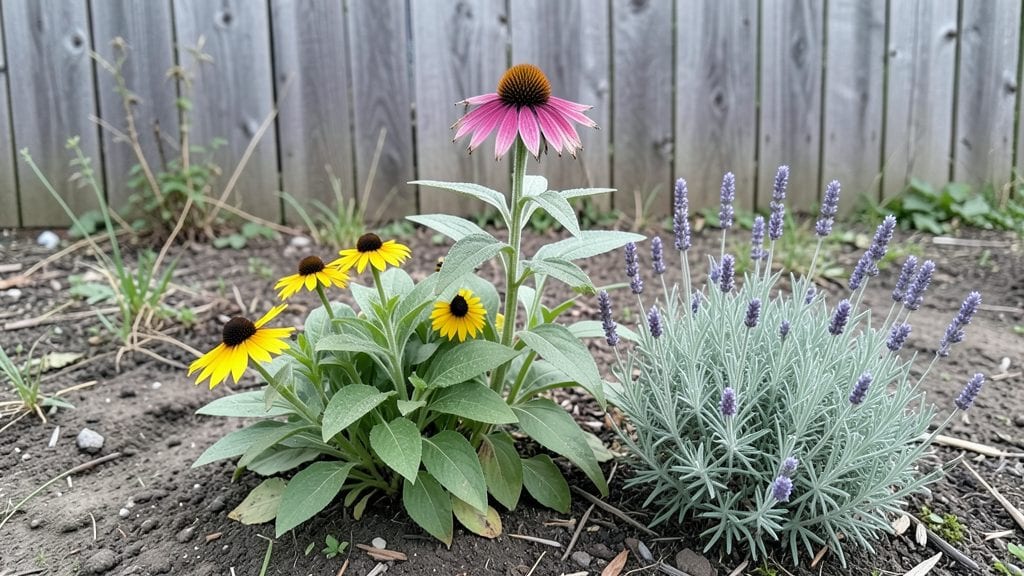
The meaning of perennial flowers shines brightest in the Pacific Northwest, where frost lingers and summers are short—these hardy plants return every spring like clockwork, no replanting, no fuss, just reliable blooms year after year. 🌿 Unlike their one-season counterparts, perennials build roots deeper each year, making them drought-tolerant and resilient against our unpredictable weather.
Their real magic lies in pollinator power—hummingbirds, bees, and butterflies flock to their nectar-rich blooms, turning your garden into a buzzing ecosystem. Think lavender for late-summer fragrance, black-eyed Susans for golden autumn cheer, or sword lilies that punch through early snow.
Even beginners can master their care: most need full sun to part shade, well-draining soil, and water only when the top inch feels dry.
Planning with perennials means less work, more beauty. They spread over time, filling gaps naturally, and their deep roots prevent weeds. My first year with Russian sage and catmint, I spent half the time admiring blooms instead of replanting.
By year three, the garden was self-sustaining—just add mulch and sit back. The Pacific Northwest’s frost? No match for their tough roots.
Start small with 3-5 varieties—mix heights and bloom times for year-round color. Divide clumps every 3-4 years to keep them vigorous, and watch as your garden transforms from a seasonal flash to a living legacy. The best part? Once established, they’ll outlast you—and probably your neighbors’ envy. 🌸
📚 In This Guide
- What you need
- Instructions
- Tips and common mistakes
- Wrapping up and next steps
What you need
- ● Perennial flowers: Choose frost-hardy varieties like Echinacea (Coneflower), Achillea (Yarrow), Lavandula (Lavender), or Penstemon (2–5 plants per variety for balanced blooms).
- ● Potting soil: 1–2 bags of high-quality, well-draining organic soil (e.g., Miracle-Gro or FoxFarm).
- ○ Compost: 1–2 cubic feet of aged compost to enrich soil (optional but recommended).
- ● Mulch: 1–2 bags of wood chips or straw mulch (3–4 inches deep) to retain moisture and insulate roots.
- ● Garden trowel or spade: For digging holes (6–12 inches deep, depending on root size).
- ● Pruning shears: Sharp, sterilized shears for trimming dead foliage or shaping plants.
- ● Watering can or hose: With a gentle spray nozzle to avoid disturbing soil.
- ● Gloves: Heavy-duty gardening gloves to protect hands from thorns or rough stems.
- ● Measuring tape or ruler: To ensure proper spacing (check plant tags for guidelines).
- ● Slow-release fertilizer: Granular or spike form (e.g., Osmocote) for a nutrient boost.
- ● Plant supports: Stakes or cages for tall perennials like Delphinium.
- ● Drip irrigation system: For consistent watering (especially in dry PNW summers).
- ● Native seed mix: To attract local pollinators like bees and butterflies.
How to choose perennial flowers for Pacific Northwest resilience
Here’s how to select hardy perennials that thrive in PNW winters while supporting pollinators.
🌱 Step 1: Prioritize Cold-Hardy Native Species
Focus on perennials rated for USDA Zones 6-8—the PNW’s typical range. Native species like Pacific Coast iris (Iris tenax) or Oregon grape (Mahonia aquifolium) already know how to survive frost, drought, and acidic soil. These plants develop deep root systems that store energy for spring blooms, so they rebound faster after winter dieback.
Check the USDA Plant Hardiness Zone Map for your exact location—even within the PNW, microclimates vary. For example, Western columbine (Aquilegia formosa) thrives in coastal fog but may struggle in inland valleys. If you’re unsure, start with sword ferns (Polystichum munitum)—they’re nearly indestructible and provide year-round texture.
☀️ Step 2: Match Sun Exposure to Plant Needs
The PNW’s mix of shade and sun means you’ll need a balanced mix. Full sun (6+ hours daily) suits beard tongue (Penstemon serrulatus) and lupine (Lupinus polyphyllus), while partial shade (3-6 hours) works for salal (Gaultheria shallon) and vine maple (Acer circinatum). Avoid placing sun-lovers under evergreen trees—their dense canopy creates too much shade and moisture, leading to fungal issues.
Observe your garden’s sun patterns for at least a week. Note where morning sun fades by noon and where afternoon shade lingers. For example, Pacific rhododendron (Rhododendron macrophyllum) needs morning sun and afternoon shade—planting it in full sun will scorch its leaves by summer.
💧 Step 3: Plan for Seasonal Water Needs
PNW winters are wet, but summers can be dry. Choose perennials with drought-tolerant roots, like yarrow (Achillea millefolium) or sage (Salvia spp.). These plants store moisture efficiently and won’t wilt during heatwaves. Mulch with 3-4 inches of wood chips in early spring to retain soil moisture and regulate temperature—this is especially critical for newly planted perennials.
Test your soil’s drainage by digging a 6-inch hole, filling it with water, and timing how long it takes to drain. If water lingers beyond 24 hours, amend the soil with compost and coarse sand to prevent root rot. Overwatering in winter is a common mistake—most perennials go dormant and need minimal water unless the ground is bone-dry.
🌿 Step 4: Layer Plants for Year-Round Interest
Design with height, texture, and bloom time in mind. Start with tall perennials like Oregon grape (3-4 feet) at the back, then add mid-height options like sword fern (2-3 feet) in the middle, and low-growing creeping phlox (Phlox subulata) in the front. This creates visual depth and ensures something’s always blooming—spring for columbine, summer for lupine, and fall for asters.
Include evergreen perennials like salal or Western hemlock (Tsuga heterophylla) to provide structure when deciduous plants fade. For pollinators, add coneflowers (Echinacea) or bee balm (Monarda), which attract bees, butterflies, and hummingbirds from early summer through fall.
⏰ Step 5: Time Planting for Establishment Success
Plant perennials in early spring (March-April) or early fall (September-October) to give roots time to establish before extreme temperatures. Avoid planting in summer heat—the stress slows root growth and makes plants vulnerable to drought. If you’re dividing established perennials, do it in early spring when new growth begins but before the first flush of flowers.
Water deeply once a week for the first 4-6 weeks after planting to encourage root spread. You’ll know it’s working when you see new leaves emerging from the base—this means the plant is actively growing roots below ground. After that, reduce watering to every 2-3 weeks unless you’re in a prolonged dry spell.
Tips & tricks for Pacific Northwest perennial gardens
A few strategic moves will transform your PNW garden into a thriving, pollinator-friendly ecosystem that withstands winter's chill.
Microclimate Mastery: The PNW's diverse microclimates mean your coastal neighbor's thriving garden might struggle in inland valleys. Observe your site for at least a week—note where morning sun disappears by noon versus areas with afternoon shade. This helps you place moisture-loving Pacific rhododendron in morning sun with afternoon shade protection, while lupine can handle full sun exposure. Don't assume all zones 6-8 plants will thrive equally across the region.
Soil Science: That 6-inch drainage test in Step 3 is your secret weapon. If water lingers beyond 24 hours, your soil needs amendment—but don't overdo it. A 50/50 mix of compost and coarse sand works wonders for root health. For acidic soil lovers like Oregon grape, add pine needles or peat moss to maintain the pH they crave. The goal is to mimic their native growing conditions as closely as possible.
Pollinator Partnerships: While coneflowers and bee balm are pollinator magnets, consider adding native penstemon varieties for even more impact. These plants have evolved alongside local insects, making them particularly effective. Plant them in clusters rather than single specimens—pollinators are more likely to discover and utilize grouped plantings. The 3-6 hour partial shade range works perfectly for many pollinator favorites.
Layering Like a Pro: Think vertically when designing your beds. The 3-4 foot Oregon grape at the back creates a living privacy screen, while 2-3 foot sword ferns in the middle provide texture and moisture retention. Front-row creeping phlox adds vibrant color while suppressing weeds. This layered approach ensures year-round interest while maximizing space efficiency—a critical consideration in many PNW gardens.
Pro Tips for Meaning Perennial Flowers
- A few strategic moves will transform your PNW garden into a thriving, pollinator-friendly ecosystem that withstands winter's chill.
- Microclimate Mastery: The PNW's diverse microclimates mean your coastal neighbor's thriving garden might struggle in inland valleys.
- Soil Science: That 6-inch drainage test in Step 3 is your secret weapon.
Frequently asked questions
Got questions about perennial flowers?
You’re not alone! Here are some of the most common queries—plus straightforward answers—to help you navigate the world of frost-defying, pollinator-friendly blooms in the Pacific Northwest.
What makes perennial flowers different from annuals?
Perennials come back year after year, while annuals bloom for just one season. In the PNW’s cool, wet climate, perennials like heuchera (coral bells) or symphyotrichum (aster) thrive with less fuss, surviving winter and returning stronger. Annuals, like petunias, need replanting annually but offer quick color bursts.
Can perennial flowers survive PNW winters?
Many PNW natives—such as lupinus (lupine), achillea (yarrow), and penstemon—are bred to handle frost, snow, and even soggy soils. Hardy perennials often go dormant in winter, then rebound with vigor in spring. Pro tip: Mulch lightly in late fall to protect roots!
Which perennials attract the most pollinators?
Bees, butterflies, and hummingbirds love these PNW perennials:
- Echinacea purpurea (coneflower)
- Monarda didyma (bee balm)
- Asclepias tuberosa (butterfly weed)
- Solidago spp. (goldenrod)
How do I keep perennials from spreading too much?
Some perennials, like mint or hostas, can become invasive. Contain them with:
- Underground barriers (e.g., buried plastic)
- Regular division (every 2–3 years)
- Selecting non-invasive varieties (e.g., Hosta ‘Halcyon’)
What’s the easiest low-maintenance perennial for beginners?
Start with sedum (stonecrop) or lamium (dead nettle)—both tolerate shade, drought, and poor soil. Russian sage (Perovskia atriplicifolia) is another winner: drought-resistant, deer-proof, and blooms from summer to fall with almost no care!
Why are my perennials dying back unexpectedly?
Common culprits in the PNW:
- Overwatering: Perennials like hebe or lavender hate soggy roots. Amend soil with compost for better drainage.
- Pests: Slugs love hostas; use beer traps or diatomaceous earth.
- Fungal issues: Yellow leaves? Improve airflow and avoid overhead watering.
Wrapping up and next steps
Perennial flowers in the Pacific Northwest aren’t just resilient survivors—they’re lifelines for pollinators and a testament to nature’s quiet strength. Their ability to thrive year after year, even through frost, proves that beauty and purpose can grow together with minimal effort.
Whether you’re drawn to their ecological benefits or their effortless charm, these plants offer a meaningful way to connect with your garden and the environment.
Ready to bring this pollinator powerhouse to your space? Start small—pick one or two perennials from the list above, sketch a simple layout, and watch your garden transform into a thriving haven. Your future self (and the bees!) will thank you. 🌿🐝