
Transplanting
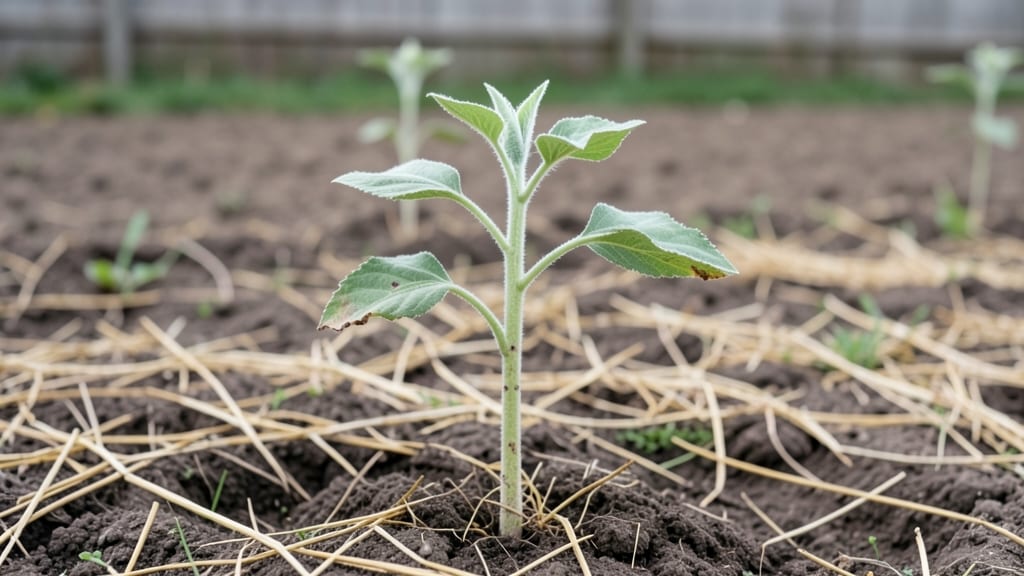
Growing mammoth sunflower seedlings into towering giants starts with hardened transplants that can handle the shock of moving outdoors. 🌻 I’ve learned the hard way—direct-sown seedlings often flop in summer heat, but properly hardened ones reach for the sky with confidence.
The secret lies in gradual acclimation, strong soil, and patience during those first few weeks after transplanting.
You’ll need a sunny spot with well-draining soil, a sturdy support system (like a bamboo stake), and consistent moisture—especially during the first 2 weeks after moving them outside.
Mammoth sunflowers demand space (3 feet apart) and deep watering (1-2 inches per week), but the payoff is worth it when those 10-foot stems emerge. The key is treating them like delicate giants at first, then letting them stretch their legs once established.
What you’ll end up with are sunflowers that dwarf everything else in the garden, their velvety petals drawing bees and birds while providing shade on hot afternoons. The first blooms arrive in mid-summer, and with proper care, they’ll keep producing until frost.
The trick is balancing strength and gentleness—sunflowers this big need both firm roots and careful handling.
Works for gardeners in zones 4-9, though northern growers should start seeds indoors 6-8 weeks before the last frost. Southerners can direct-sow after soil warms to 60°F, but always have backup seedlings ready—mammoth sunflowers are worth the extra effort. Let’s get those seedlings ready to grow!
📚 In This Guide
- What you need
- Instructions
- Tips and common mistakes
- Wrapping up and next steps
What you need
- ● Mammoth sunflower seeds: 10–20 seeds (varities like ‘Russian Giant’ or ‘Mammoth’ thrive best).
- ● Seed-starting mix: 5–10 gallons of sterile, well-draining potting soil (avoid garden soil—it’s too dense!).
- ● Containers: 3–4 inch biodegradable pots (or 6-pack cell trays) for seedlings, plus 1–2 gallon pots for hardening.
- ● Grow lights or sunny windowsill: A full-spectrum LED grow light (12–16 hrs/day) or a south-facing window.
- ● Watering can or spray bottle: With a gentle nozzle to avoid disturbing seeds.
- ● Plant labels & marker: To track varieties and planting dates.
- ○ Heat mat (optional): For faster germination (70–75°F is ideal).
- ● Fertilizer: Balanced liquid fertilizer (5-5-5 or 10-10-10) for transplanting.
- ● Pruning shears: For trimming leggy seedlings later.
- ● Hardening trays or shade cloth: To gradually acclimate seedlings to outdoor conditions.
- ● Garden gloves: For handling soil and transplants comfortably.
Step-by-step instructions for growing healthy mammoth sunflower transplants
Here's how I transform delicate sunflower seedlings into sturdy, sun-loving giants ready for the garden.
🌱 Step 1: Start Seeds Indoors at the Right Time
Plant mammoth sunflower seeds 6-8 weeks before your last frost date—they need time to develop strong roots before transplanting. I use biodegradable peat pots filled with seed-starting mix, planting 2 seeds per pot at a depth of 1 inch. Press them gently but firmly to ensure good soil contact.
Keep the soil consistently moist but never soggy—sunflower seeds rot quickly in waterlogged conditions. Place the pots in a warm spot (70-75°F) and cover with plastic wrap until germination, which typically occurs in 7-14 days. Once sprouts appear, remove the wrap immediately to prevent fungal growth.
💧 Step 2: Provide Optimal Light and Water for Seedling Strength
Sunflowers need 12-16 hours of bright light daily from the moment they sprout. I use a grow light on a timer positioned 4-6 inches above the seedlings, adjusting the height as they grow. Without enough light, seedlings stretch weakly toward the light source—a classic sign of "legginess" that's hard to correct later.
Water from the bottom by placing trays in ½ inch of water for 10-15 minutes, then drain completely. This method prevents soil-borne diseases and encourages deep root development. You'll know your seedlings are thriving when they develop 2-3 sets of true leaves and sturdy stems that can support their eventual height.
☀️ Step 3: Begin the Hardening-Off Process Gradually
Start hardening off 2 weeks before transplanting by moving seedlings outdoors to a sheltered spot for 1-2 hours daily. Choose a location with partial shade at first to avoid sunburn on tender leaves. Gradually increase their outdoor time by 1 hour each day, eventually leaving them out overnight.
Watch for signs of stress like wilting or yellowing leaves—these indicate the process is moving too fast. If you see this, move them back indoors for a day before continuing. By the time you're ready to plant, your seedlings should tolerate full sun and outdoor conditions without wilting. This gradual transition is what turns fragile starts into robust transplants.
🪴 Step 4: Transplant with Care for Maximum Success
Choose a sunny location with full sun exposure and well-draining soil—mammoth sunflowers need deep roots and plenty of space. Dig holes twice as wide as the root ball but no deeper, then gently remove each seedling from its pot. Handle them by the leaves, never the stems, to avoid damaging the delicate tissue.
Plant at the same depth they were growing in pots—buried stems rot while exposed stems fall over. Space plants 18-24 inches apart in rows 3 feet apart to allow for their massive growth. Water deeply immediately after planting to settle the soil and encourage root establishment. This careful transplanting is what ensures your sunflowers grow tall and strong instead of struggling to recover.
Tips & tricks for perfect mammoth sunflower transplants
Transforming delicate sunflower seedlings into garden-ready giants takes more than just following steps—it's about understanding the subtle details that make all the difference.
Timing is Everything: The 6-8 week indoor growing window before your last frost date is non-negotiable for mammoth sunflowers. I've learned this the hard way—rushing the process results in weak stems that can't support their eventual 12-foot height. Use a frost date calculator for your specific region, as these timelines vary dramatically across zones. The extra two weeks gives roots time to establish before facing outdoor conditions.
Lighting Strategy: Those 12-16 hours of daily light are critical for preventing leggy seedlings. I recommend supplementing natural light with a full-spectrum LED grow light on a timer positioned 4-6 inches above the plants. The key is maintaining this distance as seedlings grow—too close causes burning, too far makes them stretch. Watch for leaves touching the light fixture; that's your cue to adjust immediately. This lighting discipline creates the sturdy stems needed to support mammoth varieties.
Hardening-Off Technique: The gradual 2-week hardening process starting with just 1-2 hours of outdoor exposure is what separates thriving transplants from shocked ones. I've found that using a sheltered spot like a porch or under a tree canopy prevents sunburn while still acclimating the plants. The daily 1-hour increments build resilience—think of it like a sunflower boot camp. If you notice wilting during this process, simply move them back indoors for 24 hours and resume the next day at the previous time increment.
Transplanting Precision: When it's time to plant, those 18-24 inch spacing measurements might seem generous, but they're essential for preventing competition. Mammoth sunflowers develop extensive root systems that need room to spread. I always dig holes twice as wide as the root ball to encourage root expansion into the surrounding soil. The immediate deep watering after transplanting is what signals the roots to begin exploring their new territory—this single step makes all the difference in establishing strong plants.
Pro Tips for Mammoth Sunflower Seedlings
- Transforming delicate sunflower seedlings into garden-ready giants takes more than just following steps—it's about understanding the subtle details that make all the difference.
- Timing is Everything: The 6-8 week indoor growing window before your last frost date is non-negotiable for mammoth sunflowers.
- Lighting Strategy: Those 12-16 hours of daily light are critical for preventing leggy seedlings.
Frequently asked questions
Got questions about growing mammoth sunflower seedlings into stunning, towering blooms? You’re not alone! Here are answers to the most common queries—from timing to troubleshooting—to help you nurture healthy transplants with confidence.
When is the best time to transplant mammoth sunflower seedlings outdoors?
Transplant your seedlings after the last frost when soil temps reach at least 55°F (13°C). These giants thrive in warmth, so avoid rushing—cold soil can stunt root growth. Aim for late spring to early summer (Zones 3–10). Harden off seedlings 1–2 weeks beforehand by gradually exposing them to outdoor conditions.
How long does it take for mammoth sunflower seedlings to mature after transplanting?
From transplanting to full bloom, expect 90–120 days, depending on variety and growing conditions. Dwarf mammoths (like ‘Russian Giant’) may take slightly longer. Patience is key! Monitor soil moisture and provide 1–2 inches of water weekly (more in extreme heat) to support rapid growth.
What should I do if my mammoth sunflower seedlings look leggy or weak after transplanting?
Leggy seedlings often suffer from lack of light or overcrowding. To fix it:
Yes! Mammoth sunflowers can thrive in containers if you choose the right setup:
Wilting can signal transplant shock, root damage, or stress. Check these fixes:
Avoid fertilizing heavily—too much nitrogen causes soft, floppy growth.
Can I grow mammoth sunflowers from seedlings in containers, or do they need a garden bed?
Just ensure the container is sturdy (they can top 12+ feet!) and place it in a sunny, sheltered spot.
Why are my mammoth sunflower seedlings wilting or dying after transplanting?
Most seedlings recover within a week if conditions improve!
Wrapping up and next steps
Growing mammoth sunflower seedlings into towering, breathtaking blooms is a rewarding journey—one that starts with strong, hardened transplants! 🌱 With the right materials, timing, and care, you’ve got everything you need to nurture these giants from seed to sky-high splendor. Remember: patience and consistency are your best tools.
Now that you’re armed with knowledge, it’s time to roll up your sleeves! Start by selecting the perfect spot in your garden, then gently transplant your seedlings with confidence.
Before you know it, you’ll be basking in the glory of sunflowers that reach for the clouds—and maybe even sharing your success with fellow green thumbs. Happy gardening! 🌻✨