Pests
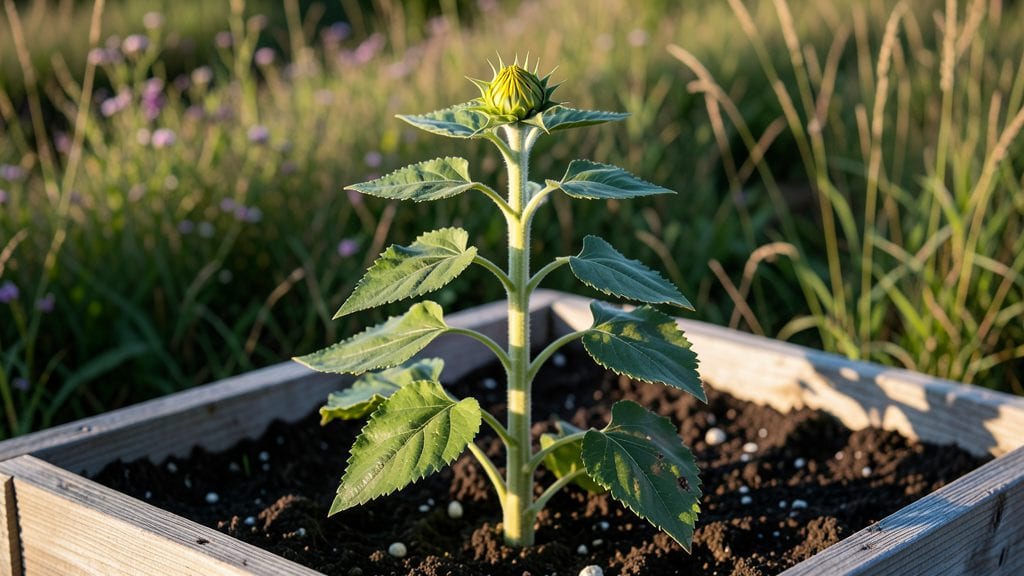
Planting mammoth sunflowers turns your garden into a sunlit spectacle with towering blooms that dwarf everything around them. 🌻 I’ve learned the hard way that these giants need more than just space—they demand rich soil, deep planting, and a little extra TLC to reach their full 12-foot potential.
The payoff? Stunning, child-friendly flowers that attract pollinators and make neighbors do double-takes.
Start with well-draining soil mixed with compost—these sunflowers hate soggy roots. Plant seeds 1-2 inches deep in early spring, after the last frost, and space them 2-3 feet apart (they’ll need room to sway without toppling).
A sunny spot with at least 6-8 hours of direct light is non-negotiable, or you’ll end up with lanky, weak stems that flop like overgrown weeds.
Watering is where most beginners stumble: deep but infrequent sessions beat light sprinkles. Aim for 1-2 inches of water per week, letting the soil dry slightly between drinks.
By midsummer, you’ll see those thick, sturdy stems shooting up—just don’t forget to stake them at 3-4 feet tall to prevent snapping in wind or rain.
Once they’re established, mammoth sunflowers are nearly foolproof. Deadhead spent blooms to encourage more flowers, and watch as your garden becomes a golden sea of 10-inch-wide faces.
The real magic? These giants thrive with minimal fuss—just give them space, sun, and patience, and they’ll reward you with the most dramatic display in the neighborhood.
📚 In This Guide
- What you need
- Instructions
- Tips and common mistakes
- Wrapping up and next steps
What you need
- ● Mammoth sunflower seeds: 5–10 seeds (depending on desired spacing). Look for varieties like Mammoth Russian or American Giant for extra height!
- ● Well-draining potting mix or garden soil: 1–2 bags (or enough to fill your planting area to at least 12" deep). Amend with compost for nutrient-rich soil.
- ● Organic fertilizer (5-10-10 or balanced blend): 1–2 lbs to enrich the soil before planting.
- ● Watering can or hose with a gentle spray nozzle: Sunflowers love moisture but hate soggy roots!
- ● Garden trowel or transplanting spade: For digging holes (depth: 1–2 inches, width: 2–3 inches).
- ● Measuring tape or ruler: To space seeds 18–24 inches apart (they grow wide!).
- ○ Stakes or trellis (optional but recommended): 6–8 ft tall to support heavy blooms. Use bamboo stakes or metal cages.
- ● Mulch (straw or wood chips): 2–3 inches to retain moisture and suppress weeds.
- ○ Gloves (optional): For hands-free planting comfort.
- ● Sunny spot: Full sun (6+ hours daily). Partial shade = sad sunflowers!
- ● Warm soil: Wait until after the last frost (soil temp: 50°F+). Use a soil thermometer if unsure.
- ● Patience: Germination takes 7–14 days. Giant blooms appear in 80–120 days!
Step-by-Step instructions for planting mammoth sunflowers
Here's the foolproof method I use to grow sunflowers that tower over my garden fence.
🌱 Step 1: Select the Right Variety and Planting Time
Choose a Mammoth sunflower variety like 'Russian Giant' or 'Mammoth'—these grow 8-12 feet tall with 12-inch blooms. Plant seeds 30-45 days before your last frost date for full-size blooms. I always check my local frost dates because these giants need a long growing season to reach their potential.
Sunflowers thrive in full sun (at least 6-8 hours daily) and warm soil. If you're in a cooler climate, start seeds indoors 2-3 weeks before transplanting or use a seedling heat mat to warm the soil to 70-75°F before planting. Cold soil slows germination and weakens seedlings.
🪴 Step 2: Prepare the Planting Site and Soil
Choose a sheltered location—these towering plants need support from wind. Amend the soil with 2-3 inches of compost and mix in a balanced fertilizer (10-10-10) at planting time. Mammoth sunflowers need deep, loose soil to support their massive root systems. I dig a 12-inch deep hole for each plant to encourage root growth.
Space plants 2-3 feet apart in rows 3-4 feet apart to prevent overcrowding. If you're growing 4 plants, arrange them in a square pattern for stability. Press the soil gently around the seeds but don’t compact it—roots need room to expand.
💧 Step 3: Plant Seeds at the Correct Depth and Water
Plant 2-3 seeds per hole at a depth of 1-1.5 inches. Sunflower seeds germinate best in warm, moist soil, so water the area 24 hours before planting to ensure even moisture. After planting, water deeply to settle the soil and keep it consistently moist (but not soggy) until germination.
Thin seedlings to the strongest plant per hole when they reach 3-4 inches tall. I use scissors to snip weaker stems at soil level—this prevents disturbing the roots of the remaining plant. Watch for first true leaves (the second set after the initial seed leaves) to confirm healthy growth.
☀️ Step 4: Maintain Consistent Watering and Fertilizing
Water deeply 1-2 times per week, providing 1-2 inches of water total. Mammoth sunflowers have huge thirsts—drought stress causes stems to weaken and blooms to shrink. You’ll know they’re getting enough water when the soil feels dry 2-3 inches deep between waterings.
Fertilize again when plants reach 12 inches tall with a low-nitrogen, high-phosphorus fertilizer (like 5-10-10) to encourage blooming. Avoid high-nitrogen fertilizers—they promote leafy growth at the expense of flower size. I also side-dress with compost tea every 4 weeks for extra nutrients.
✂️ Step 5: Support and Prune for Giant Blooms
Stake tall varieties with 6-foot bamboo stakes or metal plant supports tied loosely to the stem as it grows. Use soft plant ties to avoid damaging the stem. Mammoth sunflowers can get top-heavy—if you notice leaning, gently straighten the stem and secure it again.
Remove any side buds that form below the main flower head to direct energy into one massive bloom. Pinch off buds if they appear—this ensures the plant puts all its resources into the giant central flower. Deadhead spent blooms to encourage a second (though smaller) flower if your season is long enough.
Tips & tricks for perfect mammoth sunflower planting
Here's what nobody tells you about growing sunflowers that truly reach their towering potential.
Soil Temperature Secret: The 70-75°F soil temperature in Step 1 is non-negotiable for germination. I use a soil thermometer to confirm—cold soil below 60°F can delay sprouting by weeks. For cooler climates, place a clear plastic dome over planted seeds to trap heat until germination occurs. This little trick has saved me from failed plantings in chilly springs.
Spacing Strategy: When arranging your 4 plants in a square pattern (Step 2), leave extra space between the outer plants and your garden edges. These giants can spread their roots aggressively—give them 12 inches of clearance to prevent root competition with nearby plants. I've seen sunflowers lean dramatically when crowded.
Thinning Technique: In Step 3, when thinning to the strongest seedling, make the cut cleanly at soil level using sharp scissors. Pulling seedlings risks damaging the remaining plant's roots. I also recommend thinning on a cloudy day—the plants handle stress better without direct sunlight. The first true leaves should emerge within 7-10 days after thinning.
Watering Watch: The 1-2 inches of water per week (Step 4) should be applied at the soil base, not overhead. Early morning watering prevents fungal diseases that thrive in damp foliage. I use a rain gauge to track your weekly total—sunflowers wilt dramatically when thirsty, but overwatering causes root rot just as quickly.
Pro Tips for Mammoth Sunflower Planting
- Here's what nobody tells you about growing sunflowers that truly reach their towering potential.
- Soil Temperature Secret: The 70-75°F soil temperature in Step 1 is non-negotiable for germination.
- Spacing Strategy: When arranging your 4 plants in a square pattern (Step 2), leave extra space between the outer plants and your garden edges.
Frequently asked questions
Got questions about growing mammoth sunflowers?
You’re not alone! Here are answers to the most common concerns—so you can plant with confidence and enjoy those towering blooms.
When is the best time to plant mammoth sunflowers?
Plant seeds after the last frost when soil temperatures reach 55–60°F (13–15°C). For most U.S. zones, this means late April to early June. Direct-sow seeds 1–1.5 inches deep, 12–18 inches apart, and thin seedlings to 2–3 feet apart for optimal growth. Pro tip: If your season is short, opt for faster-maturing varieties like ‘Russian Giant’!
Do mammoth sunflowers attract pests? How do I protect them?
Yes! Sunflowers can draw aphids, beetles, and even squirrels (who love the seeds). Use neem oil or insecticidal soap for soft-bodied pests, and row covers for young plants. For squirrels, try bird netting or plant sunflowers near deterrent plants like marigolds. Bonus: Handpick beetles early in the morning when they’re sluggish!
How much sunlight and water do mammoth sunflowers need?
These giants thrive in full sun (6+ hours daily) and well-draining soil. Water deeply 1–2 times per week (more in extreme heat), focusing on the root zone. Avoid wetting leaves to prevent fungal diseases like powdery mildew. Fun fact: Drip irrigation keeps soil consistently moist without overwatering!
How long does it take for mammoth sunflowers to bloom?
Most mammoth varieties bloom in 80–120 days, depending on the cultivar. ‘Mammoth’ and ‘Russian Giant’ typically take 90–110 days. Track your frost date—plant early enough to avoid winter killing the plants before blooming. Tip: Check seed packets for exact days-to-maturity!
Can I grow mammoth sunflowers in containers?
While possible, they’re best suited for large garden beds due to their massive size (some reach 10+ feet tall!). If container-growing, use a 5-gallon+ pot with drainage, and choose dwarf varieties like ‘Autumn Beauty’ (6–8 feet). Place in full sun and fertilize regularly. Warning: Containers dry out faster—monitor soil moisture closely!
What if my mammoth sunflower seeds don’t germinate?
Seeds need consistent moisture and warmth to sprout. Try soaking seeds overnight before planting, or pre-sprout indoors in damp paper towels. Ensure soil isn’t too cold (<60°F) or compacted. If using old seeds (<2 years), germination rates drop—test a few in a damp paper towel first! Pro move: Plant extra seeds to account for slow starters!
Wrapping up and next steps
Planting mammoth sunflowers is a rewarding way to add towering beauty to your garden with surprisingly little effort! 🌻 With the right soil, spacing, and pest awareness, these giants thrive—offering stunning blooms and even edible seeds.
Whether you're a beginner or seasoned gardener, their resilience and dramatic presence make them a must-try.
Ready to grow your own sunflower giants? Start by gathering your supplies, marking your planting spots, and keeping an eye out for pests. Grab your gloves, and let’s get those seeds in the ground—your future sunflower jungle awaits! 🌱