Flowers
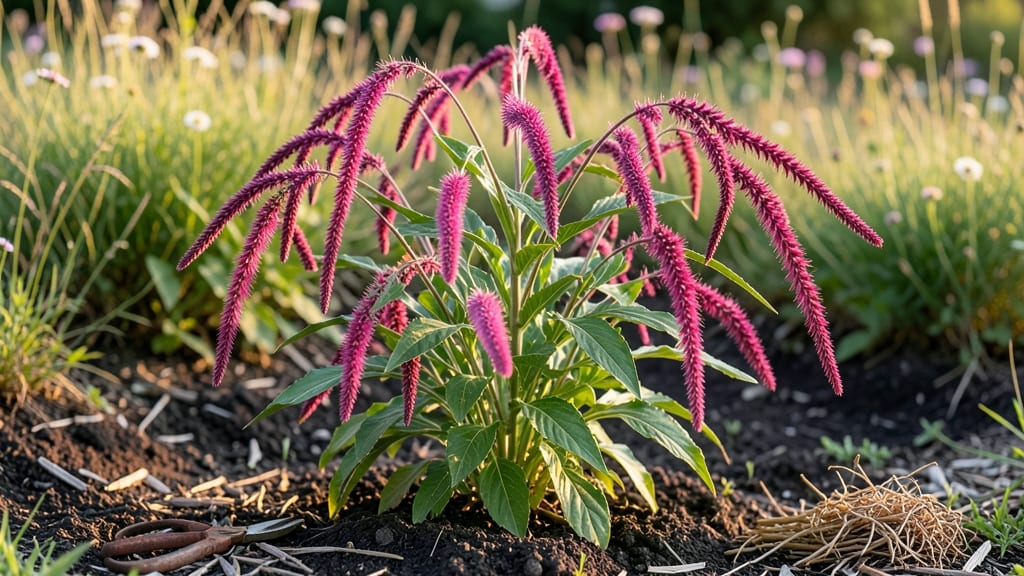
The love lies bleeding flower transforms any garden with its striking red cascades that look like they’re dripping with color. 🌿 I fell for this plant the first time I saw it swaying in a summer breeze—it’s not just beautiful, it’s drought-tolerant and thrives on neglect once established.
The secret lies in its deep roots and heat-loving nature, making it perfect for dry climates or busy gardeners who forget to water.
You’ll need well-draining soil (even sandy or rocky works) and full sun for at least 6 hours daily. The trailing stems grow 3–5 feet long, so plant it where they can spill over edges—containers, hanging baskets, or mixed borders all work.
Start seeds indoors 8–10 weeks before your last frost, or sow directly after soil warms to 60°F. The key? Don’t overwater—let the soil dry between waterings once established.
By midsummer, you’ll have vibrant red tassels that last weeks, even after cutting. The flowers attract hummingbirds and add drama to any space—pair it with silver foliage plants or lavender for contrast.
Deadhead spent blooms to encourage more growth, and watch as it becomes the star of your garden with minimal effort.
Works in zones 2–11, making it one of the most versatile annuals for nearly any climate. Whether you’re filling a window box or adding height to a flowerbed, this plant delivers bold color with almost no fuss. Ready to grow your own? Let’s get started!
📚 In This Guide
- What you need
- Instructions
- Tips and common mistakes
- Wrapping up and next steps
What you need
- ● Seeds: 10–20 Love Lies Bleeding seeds (choose a variety like 'Black Olive' or 'Illusion' for deep red stems).
- ● Growing Medium: Well-draining potting mix (1–2 gallons) for indoor starts.
- ● Loamy, drought-tolerant garden soil (amended with compost) for outdoor planting.
- ○ Containers (optional but handy): 4–6 biodegradable pots (3–4 inches deep) for seedlings.
- ● 1 large container or garden bed (at least 12 inches deep) for mature plants.
- ● Basic Gardening Tools: Hand trowel or small shovel.
- ○ Gloves (optional but recommended—Amaranthus can be prickly!).
- ● Watering: Spray bottle (for seedlings) or watering can with a gentle nozzle.
- ● Sunlight Access: Full sun (6+ hours daily) or bright indirect light for indoor starts.
- ○ Fertilizer (optional): Balanced organic fertilizer (5-5-5 or compost tea) for faster growth.
How to grow love lies bleeding flowers for striking red stems
This drought-tolerant beauty thrives with minimal fuss—here's how to coax those dramatic red stems into your garden.
🌱 Step 1: Choose the Right Location and Soil
Love lies bleeding loves full sun—at least 6-8 hours daily—but tolerates partial shade in hot climates. I always plant mine where they’ll get morning sun and afternoon shade to prevent scorching. The soil should drain well; amend heavy clay with 2-3 inches of compost to improve aeration.
This plant hates soggy roots, so if your soil stays damp for days, consider planting in a raised bed or container with drainage holes. Press your finger 2 inches deep—if it comes out dry, you’re good to go. The right spot ensures those vibrant red stems develop properly without stress.
☀️ Step 2: Plant at the Right Time and Depth
Spring is ideal, after the last frost when soil warms to at least 60°F. Dig a hole twice as wide as the root ball but only as deep—planting too deep suffocates the roots. Gently loosen the roots if they’re circling in the pot, then place the plant so the top of the root ball sits level with the soil surface. This prevents rot while allowing the stems to grow upright.
Space plants 18-24 inches apart—they don’t spread aggressively but need room for airflow. Water deeply right after planting to settle the soil, then let it dry slightly before watering again. Overwatering at this stage leads to weak stems that flop instead of standing tall.
💧 Step 3: Water Deeply but Infrequently
Once established, love lies bleeding is drought-tolerant, but young plants need consistent moisture. Water once a week in dry spells, aiming for 1 inch of water per week. Let the soil dry out between waterings—sticking your finger 2 inches deep is the best test. You’ll see the stems stay firm and upright when moisture is right.
Here’s the thing—this plant hates wet feet. If your area gets heavy rain, ensure the soil drains quickly or plant in a slightly elevated spot. Yellowing leaves signal overwatering, while crispy edges mean it’s thirsty. Adjust your schedule based on what you feel, not a rigid timeline.
✂️ Step 4: Prune for Longer Blooms and Stronger Stems
Deadhead spent blooms by snipping the stem just above a leaf node—this encourages more flowers and prevents leggy growth. I prune in early summer to shape the plant and remove any stems that look weak or diseased. Use clean, sharp pruners to avoid tearing the delicate stems.
If stems flop or grow too long, cut them back by one-third to promote bushier growth. The red stems are the star, so avoid heavy pruning that reduces their dramatic effect. After pruning, water lightly to help the plant recover. You’ll notice new growth within 2-3 weeks—that’s your reward for keeping it tidy.
🪴 Step 5: Prepare for Winter and Next Season
In colder zones, love lies bleeding may die back to the ground but often regrows from the roots. Cut back dead stems in late winter, leaving 2-3 inches of stubble to protect the crown. Mulch with 2-3 inches of straw or shredded leaves to insulate the roots through freezing temps.
In mild climates, the plant stays evergreen. Just reduce watering in winter and avoid fertilizing until spring. Come spring, remove old mulch and add fresh compost to feed new growth. With proper care, your love lies bleeding will return year after year with those stunning red stems you fell in love with.
Tips & tricks for perfect love lies bleeding flowers
Here's what I've learned to ensure those vibrant red stems thrive and stand out in your garden.
Sunlight Strategy: While love lies bleeding loves full sun, I've found that morning sun with afternoon shade works best in hot climates. This prevents the stems from getting scorched while still giving them the light they need for those dramatic red hues. Trust me on this—your stems will thank you with richer color and stronger structure.
Soil Test Tip: Before planting, do the finger test mentioned in Step 1 but take it a step further. If your soil feels compacted or clay-heavy, mix in a handful of perlite or coarse sand with that 2-3 inches of compost. This creates the perfect drainage while still holding enough moisture for those young roots to establish.
Winter Prep Secret: When preparing for winter in colder zones, I always leave that 2-3 inches of mulch but add a light layer of burlap over the top. This extra protection prevents temperature swings that can stress the plant's crown. In spring, just remove the burlap and you'll see fresh growth emerging from those protected roots.
Pruning Payoff: That one-third pruning cut in Step 4 isn't just about shaping—it's about rejuvenation. After cutting back, I always look for new growth emerging from the base. This is your plant's way of saying "thank you" for the fresh start, and you'll see those vibrant stems come back even stronger for next season's blooms.
Pro Tips for Love Lies Bleeding Flower
- Here's what I've learned to ensure those vibrant red stems thrive and stand out in your garden.
- Sunlight Strategy: While love lies bleeding loves full sun, I've found that morning sun with afternoon shade works best in hot climates.
- Soil Test Tip: Before planting, do the finger test mentioned in Step 1 but take it a step further.
Frequently asked questions
Got questions about Love Lies Bleeding (Amaranthus caudatus)? You’re not alone! This striking flower is as fascinating as it is beautiful, but it’s natural to wonder about care, growth, and even its quirks. Below, we’ve rounded up the most common questions—and answers—to help you grow this drought-tolerant stunner with confidence.
What’s the best way to grow Love Lies Bleeding from seed?
Start seeds indoors 6–8 weeks before your last frost in well-draining soil, keeping them warm (70–75°F). Plant them half an inch deep and thin seedlings to 12 inches apart. Once temperatures rise above 50°F, transplant outdoors—this flower thrives in full sun and tolerates poor soil, making it a low-maintenance superstar!
How long does it take for Love Lies Bleeding to bloom?
With ideal conditions (warmth, full sun, and consistent moisture), you can expect 60–90 days from seed to bloom. If planted later in the season, it may take a bit longer, but don’t worry—this plant rewards patience with vibrant red cascades that last well into fall.
Does Love Lies Bleeding really tolerate drought once established?
Yes! Once rooted, this plant is drought-resistant, but young seedlings need regular watering to prevent stress. Mulch around the base to retain moisture, and avoid soggy soil—root rot is a rare but possible issue. Think of it as a low-water hero for dry climates or forgetful gardeners.
Can I grow Love Lies Bleeding in containers? What size pot do I need?
Choose a container at least 12–18 inches deep with drainage holes—this plant has a tuberous root system that needs room to spread. Use a lightweight potting mix, and place the container in full sun. Just be prepared for sprawling stems (up to 5 feet long!) that may need staking or pruning.
Are there any pests or diseases I should watch out for?
Love Lies Bleeding is generally pest-resistant, but keep an eye out for aphids, spider mites, or whiteflies, especially in hot, dry conditions. Treat infestations with insecticidal soap or neem oil. Overwatering can lead to powdery mildew, so ensure good airflow and avoid wetting the foliage. A healthy plant is your best defense!
Can I cut Love Lies Bleeding stems for bouquets, or do I need to leave them in the ground?
You can absolutely harvest stems for bouquets! Cut them in the morning when water content is highest, and place them in water immediately. To encourage bushier growth, prune back 1/3 of the plant after the first flush of blooms. Just avoid over-harvesting—you’ll want to enjoy that dramatic red display!
Wrapping up and next steps
The Love Lies Bleeding flower isn’t just a drought-tolerant stunner—it’s a symbol of resilience and bold beauty that thrives even in challenging conditions.
Whether you’re drawn to its striking red stems, its low-maintenance charm, or its ability to brighten any garden, this plant is a game-changer for both beginners and seasoned gardeners. 🌸
Now that you’re armed with the know-how, why not take the next step? Plant one today and watch your garden transform—or share your newfound love for this flower with fellow plant enthusiasts! Your green thumb (or growing curiosity) will thank you.