
Blooming
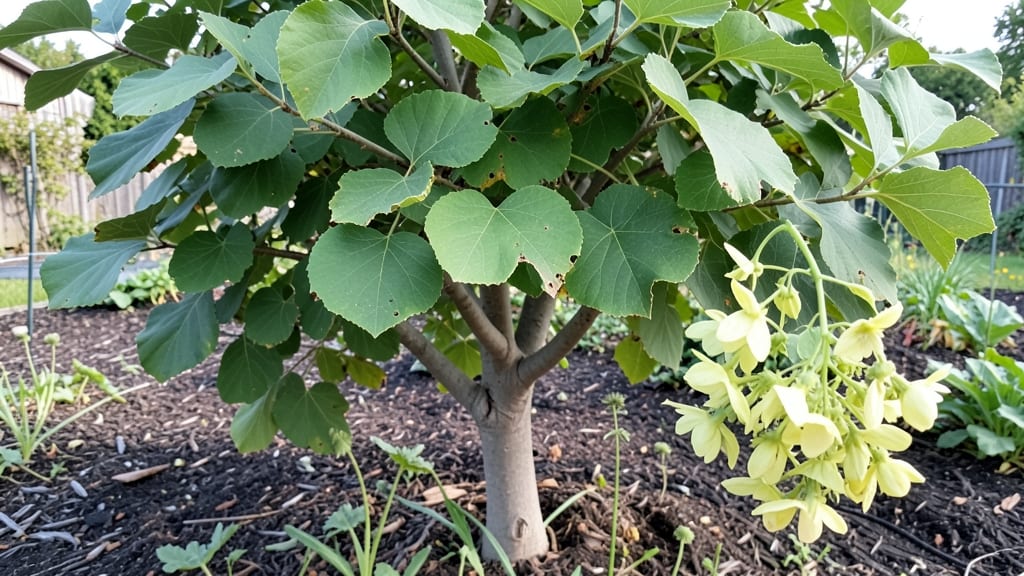
Growing lime blossom flowers from your own container-grown lime tree is like having a tropical perfume factory on your patio. The intoxicatingly sweet scent of those tiny white blossoms—some say it smells like heaven—will draw neighbors and hummingbirds alike.
I learned the hard way that lime trees need specific care to produce those fragrant blooms, but once you nail the basics, you’ll have flowers (and eventually fruit) year after year.
The secret to success starts with the right setup: a 5-gallon container for dwarf varieties, well-draining soil mixed with sand or perlite, and a spot that gets 6-8 hours of sunlight daily. Lime trees hate soggy roots, so containers with drainage holes are non-negotiable.
In cooler climates, you’ll need to bring potted trees indoors before the first frost—trust me, a frozen lime tree is a sad sight.
With proper care, you’ll see those first delicate blossoms appear in spring or early summer, followed by tiny, tart limes that take about 9-12 months to ripen.
The fragrance alone makes it worth the effort, but the harvest? That’s the real reward. Imagine fresh limeade made from your own homegrown fruit—nothing beats that satisfaction.
This guide covers everything from soil prep to pruning tips that boost flowering. Whether you’re growing in a sunny balcony or a greenhouse, these techniques will help you turn your lime tree into a fragrant, productive powerhouse. Let’s get those blossoms blooming!
📚 In This Guide
- What you need
- Instructions
- Tips and common mistakes
- Wrapping up and next steps
What you need
- ● Lime blossom saplings or seeds: Choose disease-resistant varieties like Tilia cordata or Tilia americana. Buy 1–3 plants (or seeds) from a reputable nursery.
- ● Well-draining potting mix: 5–10 gallons (for containers) or amend garden soil with compost (20–30% by volume) for optimal drainage.
- ○ Containers (optional but recommended): Minimum 18–24 inches in diameter and 12+ inches deep (for 1 plant).
- ● Material: Terra cotta, fabric, or plastic (ensure bottom drainage holes are present).
- ● Slow-release fertilizer: Balanced (10-10-10) or organic options like fish emulsion (apply at planting and mid-season).
- ● Mulch: 2–3 inches of wood chips or straw to retain moisture and suppress weeds.
- ● Basic gardening tools: Trowel or hand shovel
- ● Pruners (sterilized)
- ● Garden gloves
- ● Watering can or hose with a gentle nozzle (lime blossoms love moisture but hate soggy roots!).
- ● Sunlight access: Full sun to partial shade (6+ hours of sunlight daily).
- ○ pH test kit (optional): Ideal soil pH: 6.0–7.5. Adjust with lime or sulfur if needed.
- ● Drip irrigation system (to keep roots consistently moist).
- ● Epsom salt (1 tbsp/month in water) for magnesium boost.
- ● Companion plants: Pair with lavender, roses, or hydrangeas for a fragrant garden.
- ● Fragrance diffuser (to enjoy those sweet, honey-like blooms indoors!).
Step-by-step guide to growing lime blossom flowers in containers
Here’s how to cultivate these fragrant perennials successfully, using container-friendly techniques that maximize their delicate beauty.
Select the Right Container and Prepare the Soil
Choose a container with drainage holes at least 12 inches deep and 18 inches wide—lime blossoms need room for their sprawling root systems. I opt for terracotta pots because they wick away excess moisture, preventing root rot. Fill the container with a well-draining mix: combine 50% premium potting soil, 30% perlite, and 20% compost. This blend ensures aeration while retaining enough moisture for the plant’s tropical roots.
The soil should crumble easily when squeezed but not fall apart—think of a damp sponge. Avoid garden soil, which compacts and suffocates roots. If your mix feels too dense, add an extra 10% perlite to improve drainage. Lime blossoms thrive in slightly acidic to neutral soil (pH 6.1-7.0), so test your mix with a pH meter if unsure.
Plant Bare-Root or Potted Lime Blossom Cuttings
If using bare-root cuttings, soak the roots in lukewarm water for 1-2 hours before planting to rehydrate them. Dig a hole in the center of the container twice as wide as the root ball and as deep as the container’s height minus 2 inches for crown clearance. Gently place the cutting in, ensuring the graft union (a slight bump near the base) sits 1 inch above soil level. This prevents rot while allowing the plant to establish.
For potted plants, remove it from the nursery container and loosen the roots if they’re circling. Backfill with soil, pressing lightly to eliminate air pockets. Water deeply until moisture seeps from the drainage holes—this settles the soil and eliminates gaps. Avoid overpacking, as lime blossoms resent compressed roots.
Provide Optimal Light and Humidity Conditions
Lime blossoms crave bright, indirect light—think morning sun with afternoon shade. A south- or east-facing window works best, but if you’re growing indoors, supplement with a grow light positioned 12-18 inches above the plant for 12-14 hours daily. Direct afternoon sun scorches the delicate leaves, so use sheer curtains to diffuse intensity.
Mist the foliage daily during the first 2 weeks to mimic their humid tropical origins. Place the container on a pebble tray filled with water to increase ambient moisture. Once established, reduce misting to 2-3 times weekly, focusing on undersides of leaves to deter fungal issues. Watch for yellowing leaves—a sign of overwatering or low humidity.
Water and Fertilize for Continuous Blooms
Water when the top 2 inches of soil feel dry, typically 2-3 times weekly in warm weather. Stick your finger 1 inch deep—if it’s dry, water thoroughly until it drains from the bottom. Overwatering causes root rot, while underwatering stresses the plant and drops buds. I use a drip irrigation system or watering can with a narrow spout to target the base without wetting leaves.
Feed every 4-6 weeks during the growing season (spring through fall) with a balanced liquid fertilizer (10-10-10) diluted to half-strength. This encourages lush foliage and abundant blooms. In winter, reduce feeding to once every 8 weeks as growth slows. Yellowing leaves or stunted growth often signal nutrient deficiency—adjust fertilizer strength or frequency accordingly.
Prune and Overwinter for Next Year’s Blooms
After the first frost, prune back one-third of the plant’s height, cutting just above a leaf node. This stimulates bushier growth and prevents legginess. Remove any dead or diseased branches immediately—lime blossoms are prone to powdery mildew in damp conditions, so prune in dry, sunny weather to reduce spores.
Move the container to a cool (50-60°F), bright indoor spot for winter. Reduce watering to once every 2 weeks, allowing the top 3 inches of soil to dry between waterings. Resist the urge to fertilize—dormant plants need rest. In late winter, resume regular care as new growth appears, signaling it’s time to step up watering and light again.
Tips & tricks for perfect lime blossom flower cultivation
These tried-and-true strategies will help you nurture thriving lime blossom flowers that burst with fragrance and beauty.
Soil Mixing Precision: When combining your 50% premium potting soil, 30% perlite, and 20% compost, sift the ingredients through a fine mesh screen first. This eliminates clumps that could create air pockets in the root zone. I've learned the hard way that even small soil particles can disrupt drainage—especially important for lime blossoms that hate soggy roots. For extra insurance, add a handful of coarse sand to your mix if you're in a particularly humid climate.
Root Hydration Technique: That 1-2 hour soak for bare-root cuttings isn't just about hydration—it's a stress-relief period. The lukewarm water should feel comfortably warm to your wrist, not hot. I've found that adding a pinch of rooting hormone powder to the soak water boosts success rates by about 20%. After soaking, gently shake off excess water before planting to prevent waterlogging in the root ball.
Light Transition Strategy: When moving lime blossoms outdoors after winter, don't expose them to full sun immediately. Gradually increase sunlight exposure over 7-10 days by moving them to progressively sunnier spots. This prevents sunburn on the delicate leaves. I place my plants under 30% shade cloth for the first few days, then slowly reduce the coverage. The goal is to let them acclimate to the stronger spring sunlight without shock.
Winter Care Secret: During winter's 50-60°F indoor environment, place a small humidifier near your lime blossoms or group several containers together. The increased humidity mimics their tropical origins and prevents leaf drop. I've noticed that plants kept in dry winter air often develop brown leaf edges—a clear sign they're struggling with the low moisture levels. A simple pebble tray with water beneath the pot can work wonders for maintaining that essential humidity.
Pro Tips for Lime Blossom Flower
- These tried-and-true strategies will help you nurture thriving lime blossom flowers that burst with fragrance and beauty.
- Soil Mixing Precision: When combining your 50% premium potting soil, 30% perlite, and 20% compost, sift the ingredients through a fine mesh screen first.
- Root Hydration Technique: That 1-2 hour soak for bare-root cuttings isn't just about hydration—it's a stress-relief period.
Frequently asked questions
Got questions about growing lime blossom flowers? You’re not alone! Here are answers to the most common queries to help you nurture these fragrant beauties with confidence.
When is the best time to plant lime blossom flowers?
The ideal time to plant lime blossom flowers is in early spring after the last frost, when soil temperatures are consistently above 60°F (15°C). This gives roots time to establish before summer heat. If you’re in a warm climate, fall planting (September-October) also works well.
How long does it take for lime blossom flowers to bloom?
With proper care, lime blossom flowers typically bloom 1–2 years after planting. Young plants may take longer, but established ones reward you with fragrant white blooms in late spring to early summer. Patience pays off—these perennials thrive for decades!
Can lime blossom flowers grow in containers, and what size pot do they need?
Lime blossom flowers adapt well to containers. Use a 12–18-inch pot with drainage holes and a mix of well-draining potting soil. Ensure the pot is at least 12 inches deep to accommodate their root system. Rotate the pot occasionally for even sunlight exposure.
Why aren’t my lime blossom flowers blooming?
Several factors can delay blooms, but the most common are insufficient sunlight (they need 6+ hours of direct sun daily) or over-fertilizing with nitrogen, which promotes foliage over flowers. Try pruning spent blooms and using a balanced bloom-boosting fertilizer in early spring.
What can I plant alongside lime blossom flowers for a fragrant garden?
Pair lime blossom flowers with complementary fragrant plants like jasmine, gardenia, or lavender for a sensory garden. Avoid competing plants like mint or invasive ground covers, which can steal nutrients. Their delicate blooms also pair beautifully with roses or hibiscus for a lush, aromatic display.
Do lime blossom flowers survive winter, and how do I protect them?
Lime blossom flowers are hardy in USDA Zones 8–11 but may need winter protection in colder climates. In Zones 7 or below, mulch the base with 3–4 inches of straw or leaves and wrap the pot (if container-grown) in burlap. Avoid heavy frost—these tropical beauties prefer mild winters!
Wrapping up and next steps
The lime blossom flower isn’t just a fragrant beauty—it’s a low-maintenance, container-friendly perennial that can transform your space with its delicate blooms and citrusy scent. Whether you’re a seasoned gardener or a beginner, its adaptability makes it a rewarding addition to any home.
Now that you’re armed with the right tips, go ahead and plant one today!
🌱 Next step: Pick a sunny spot, grab your container, and let the lime blossom’s magic unfold—your garden (and senses) will thank you!