
Flowers
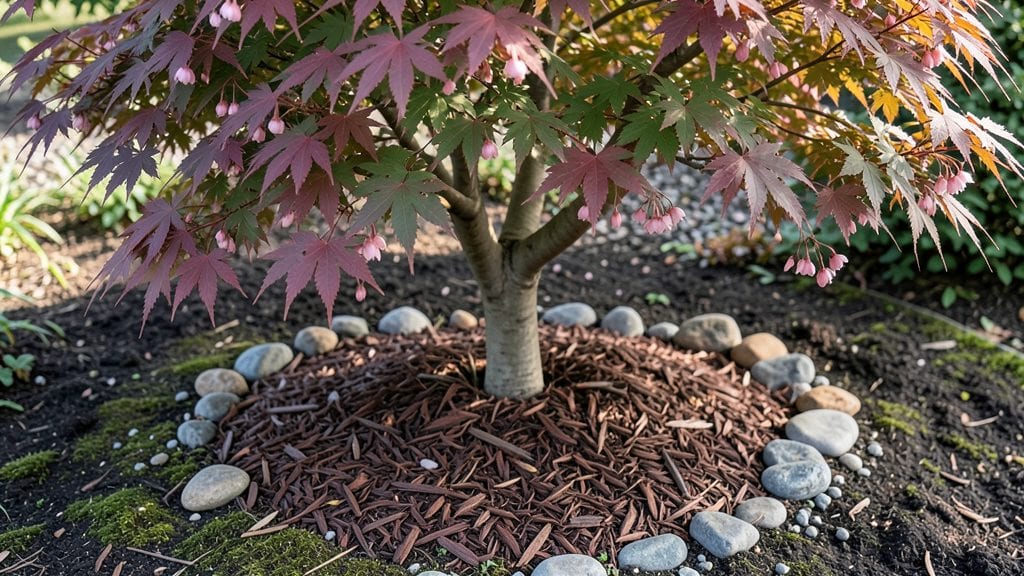
A Japanese maple flower bed transforms any garden into a living watercolor painting. 🌸 The secret lies in pairing their delicate foliage with plants that complement their lace-like branches and seasonal color shifts—from spring blooms to fiery autumn hues.
I learned this after my first attempt, where I crammed too many shade-loving perennials around a single maple, creating a cluttered mess instead of a harmonious scene.
The right combination creates year-round interest: spring bulbs like daffodils for early color, ferns for lush texture under the canopy, and hostas for bold foliage contrast. Spacing matters—give your Japanese maple 8-12 feet of breathing room while filling gaps with mid-height plants like astilbes or heucheras.
The soil should stay moist but well-drained, and a thin layer of mulch keeps roots cool in summer and protected in winter.
What you end up with is a layered garden that feels like a secret sanctuary. The maple’s branches filter sunlight, creating dappled patterns that make companion plants glow. In autumn, the scene becomes a fiery masterpiece as maple leaves turn crimson while surrounding foliage holds its own colors.
Maintenance is simple: occasional pruning to shape the maple, deadheading spent blooms, and watching the ecosystem thrive.
This design works equally well in small city gardens or sprawling landscapes. For urban spaces, choose dwarf varieties like 'Bloodgood' or 'Emperor I' and pair them with compact perennials. In larger areas, use multiple maples as focal points with different foliage colors—purple, green, or variegated—to create depth.
The key is balance: let the maple be the star while supporting players steal the show in their own seasons.
📚 In This Guide
- What you need
- Instructions
- Tips and common mistakes
- Wrapping up and next steps
What you need
- ● Japanese Maple Trees (Acer palmatum): 3–5 mature trees (5–10 ft tall, depending on desired size)
- ● Varieties: Bloodgood, Crimson Queen, or Orange Dream for vibrant foliage
- ● Soil Amendments: 50 lbs well-draining potting mix (or 50% garden soil + 50% compost)
- ● 10 lbs organic mulch (cedar or pine for acidity)
- ● Planting Supplies: Garden gloves (1 pair)
- ● Trowel or spade (for digging)
- ● Watering can or hose (with gentle spray nozzle)
- ○ Decorative Elements (Optional): Gravel or bark mulch (for a polished look)
- ● Small rocks or stepping stones (to define pathways)
- ● Miniature garden lights (solar-powered for ambiance)
- ● Location: Partial shade (4–6 hours of sunlight) with shelter from strong winds.
- ● Season: Plant in early spring or fall for best root establishment.
- ● Space: Ensure at least 10–15 ft of clearance around each tree for growth.
How to design a stunning Japanese maple flower bed
Here's the approach I've perfected for creating a lush, layered canopy that thrives in shade and transforms with each season.
🌿 Step 1: Select Your Japanese Maple Variety
Japanese maples (Acer palmatum) come in dozens of cultivars, each with distinct growth habits and seasonal displays. For a flower bed, choose a variety with prolonged bloom periods and ornamental foliage, like 'Bloodgood' (deep red, reliable blooms) or 'Shishigashira' (weeping branches with delicate pink flowers). Dwarf varieties like 'Crimson Queen' work beautifully in smaller beds.
Consider the mature size—a single specimen needs 10-15 feet of space to develop its full canopy, while multiple smaller trees can create a dense, layered effect. I always plant at least one focal tree surrounded by complementary shrubs or perennials to fill gaps during early growth. Check the USDA hardiness zone for your variety—most thrive in zones 5-8 but avoid late frosts.
🪴 Step 2: Prepare the Planting Site
Japanese maples demand well-draining, slightly acidic soil (pH 5.0-6.5). Test your soil first—amend heavy clay with 2-3 inches of organic matter (compost or peat moss) and sand to improve aeration. Avoid low-lying areas where water pools, as root rot is their biggest threat. I dig a hole twice as wide as the root ball but only as deep—planting too deep suffocates the trunk.
For a flower bed, create a sunken basin around the tree to direct water away from the trunk while keeping the surrounding area moist for companion plants. Mulch with 2-3 inches of wood chips, keeping it 6 inches away from the trunk to prevent rot. Water deeply after planting to settle the soil and eliminate air pockets around the roots.
☀️ Step 3: Layer Companion Plants for Seasonal Interest
Japanese maples cast dappled shade, so choose companions that thrive in partial to full shade but won’t outcompete the tree. For spring blooms, pair with bleeding heart (Dicentra spectabilis) or foamflower (Tiarella cordifolia). In summer, hostas (like 'Blue Angel') and heucheras add texture, while ferns (Matteuccia struthiopteris) create lush ground cover.
I space perennials 12-18 inches apart, leaving room for foliage to expand. Avoid aggressive spreaders like mint or bamboo—they’ll strangle the maple’s roots. For height variation, add dwarf conifers (like Picea glauca 'Conica') or ornamental grasses (Carex oshimensis) at the bed’s edges. Prune companion plants in early spring to maintain airflow and prevent fungal spread.
✂️ Step 4: Prune for Health and Shape
Prune Japanese maples only in late winter or early spring, before new growth begins. Remove dead, crossing, or rubbing branches first—these compete for energy and create entry points for disease. For shaping, focus on opening the canopy to allow light to reach the center, where flowers typically form. I use clean, sharp bypass pruners to make cuts just outside the branch collar.
Never prune more than 25% of the canopy in one season—this stresses the tree and reduces flowering. After pruning, apply a balanced fertilizer (10-10-10) in early spring to support new growth. Water deeply once a week during the first growing season to establish roots, then taper to every 10-14 days once established, adjusting for rainfall.
💧 Step 5: Maintain Soil Moisture and Mulch
Japanese maples hate dry soil but also waterlogged roots. I check soil moisture by pushing a finger 2 inches deep—if it’s dry, water slowly until it seeps 6 inches down. Drip irrigation is ideal for flower beds, delivering 1-1.5 gallons per tree per week during dry spells. Avoid overhead watering, which can promote fungal diseases like anthracnose.
Refresh the 2-3 inch mulch layer annually in early spring, adding fresh wood chips to suppress weeds and retain moisture. This also prevents soil-borne pathogens from splashing onto the trunk. In late fall, apply a 3-4 inch layer of shredded leaves as mulch to insulate roots during winter. Avoid heavy mulch piles—too much can suffocate roots and attract pests.
Tips & tricks for perfect Japanese maple flower bed design
Designing a thriving Japanese maple flower bed takes thoughtful planning—here are the secrets I've learned to create a stunning, low-maintenance display that evolves with each season.
Variety Selection Matters: In Step 1, when choosing your Japanese maple, consider not just the foliage color but also the flowering season. Varieties like 'Shishigashira' produce delicate pink flowers in early spring, while 'Bloodgood' offers reliable blooms throughout the season. For smaller spaces, 'Crimson Queen' delivers all-season interest without overwhelming the landscape. I always research the specific bloom periods of each cultivar to ensure continuous color—this prevents gaps in your seasonal display.
Soil Preparation is Non-Negotiable: The instructions emphasize well-draining soil, but I can't stress enough how critical this is for Japanese maples. In Step 2, when amending your soil, mix in 10% perlite or coarse sand with your compost to create the perfect air-to-water ratio. I've seen maples fail in heavy clay even when properly mulched—this extra step makes all the difference. Also, consider installing a French drain around the perimeter if your site has poor drainage.
Companion Plant Placement Strategy: Step 3's spacing recommendations are spot-on, but here's how I refine them: plant spring bloomers closest to the tree's dappled shade, where they'll receive the most light. Summer perennials should go slightly farther out, and ferns or ground covers can fill the outer ring. This creates a natural progression of color and texture as the seasons change. I also stagger plant heights—taller varieties at the back, medium in the middle, and low-growing plants at the front—to maximize visual impact.
Pruning Precision: When pruning in Step 4, focus on creating an open vase shape rather than a dense ball. This allows light to penetrate to the center where flowers form, and creates that coveted "delicate canopy" effect. I use a string trimmer to outline the general shape first, then refine with pruners. Always prune just outside the branch collar—this ensures proper healing and prevents disease entry points. And remember, the 25% rule isn't just about quantity, but also about timing: spread your pruning over two separate sessions in early spring if needed.
Pro Tips for Japanese Maple Flower Bed
- Designing a thriving Japanese maple flower bed takes thoughtful planning—here are the secrets I've learned to create a stunning, low-maintenance display that evolves with each season.
- Variety Selection Matters: In Step 1, when choosing your Japanese maple, consider not just the foliage color but also the flowering season.
- Soil Preparation is Non-Negotiable: The instructions emphasize well-draining soil, but I can't stress enough how critical this is for Japanese maples.
Frequently asked questions
Got questions about creating or maintaining a stunning Japanese maple flower bed? You’re not alone! Here are some of the most common queries—plus practical answers to help you craft a showstopping display.
When is the best time to plant Japanese maples in a flower bed?
The ideal time is early spring or fall when temperatures are mild. Planting in spring (after the last frost) gives roots time to establish before summer heat, while fall (6–8 weeks before the first frost) allows for root growth before winter dormancy. Avoid planting in extreme heat or cold—roots need stability!
How much sunlight do Japanese maples need in a flower bed?
Most Japanese maples thrive in partial shade (4–6 hours of sunlight daily). Too much direct sun can scorch leaves, while deep shade may limit vibrant foliage. Pair them with shade-tolerant perennials like hostas or ferns for a harmonious understory. Observe your maple’s leaves—if they yellow or crisp, adjust sunlight exposure.
What’s the secret to keeping Japanese maples healthy in a flower bed?
Consistent moisture (but not soggy soil) is key! Mulch with 2–3 inches of organic material (like shredded bark) to retain moisture and regulate soil temperature. Water deeply 1–2 times per week, especially during the first growing season. Avoid overhead watering to prevent fungal diseases—drip irrigation or soaker hoses work best.
Can I mix Japanese maples with other plants in a flower bed?
Pair them with complementary textures and heights:
- Low-growing: Ajuga, heuchera, or creeping thyme
- Mid-height: Hydrangeas, astilbes, or ferns
- Tall accent: Ornamental grasses or boxwoods
Why are my Japanese maple leaves turning yellow or brown?
Yellowing leaves often signal overwatering, nutrient deficiency, or fungal issues. Brown edges may mean underwatering or salt buildup (from tap water). Check soil pH (ideal: 5.0–6.5) and fertilize lightly in spring with acid-loving plant food. If spots or mold appear, prune affected branches and improve airflow by thinning nearby plants.
Do Japanese maples survive winter in a flower bed?
Most varieties are hardy to USDA zones 5–9, but young trees or tender cultivars (like ‘Bloodgood’) may need protection. Wrap the trunk with burlap or use tree guards to shield from wind. Mulch heavily (4–6 inches) and avoid pruning in late fall—wait until early spring to encourage new growth.
Wrapping up and next steps
Creating a Japanese maple flower bed is more than just a gardening project—it’s an investment in beauty, tranquility, and seasonal charm. With the right location, soil prep, and plant selection, you’ll craft a serene sanctuary that thrives year-round. 🌿✨
Ready to transform your outdoor space? Start small—plant a single maple as a centerpiece or expand with complementary foliage. Your garden’s masterpiece awaits!
- 📝 Next step: Sketch your design and gather supplies.
- 🌱 Pro tip: Visit local nurseries for unique varieties.