
Flowers
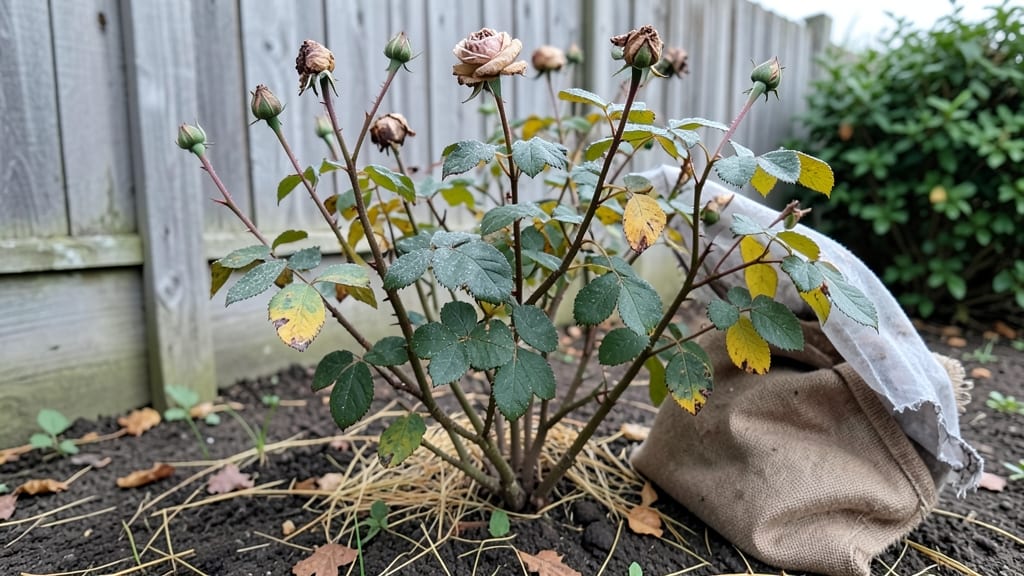
Protecting flowers from frost isn't just about saving plants—it's about preserving the shockingly lush blooms you've nurtured all season.
I learned the hard way when a late spring frost turned my prize dahlias into sad, mushy messes, but now I use a layered approach that works for everything from tender petunias to hardy roses.
The secret lies in combining mulch, covers, and timing—think of it like dressing for a sudden chill. A thick layer of straw or leaves insulates roots, while lightweight frost cloth or old bedsheets draped over plants trap warmth without smothering growth.
The key is acting before temperatures drop below 28°F, because once frost hits, damage is often irreversible.
What you'll end up with are flowers that bounce back stronger than ever, with minimal damage even after overnight freezes. My peonies now push through frost like nothing happened, and the secret isn't expensive gear—it's knowing when to cover, when to uncover, and which plants need extra care.
This method works for containers, borders, and even delicate annuals.
For climates with unpredictable frosts, I keep emergency blankets on hand and check forecasts religiously. The worst mistake? Waiting too long—once frost starts, even the best cover can't undo the damage. But with this system, you'll wake up to unscathed blooms and a garden that laughs at winter surprises.
📚 In This Guide
- What you need
- Instructions
- Tips and common mistakes
- Wrapping up and next steps
What you need
- ● Frost cloth (frost blanket) or lightweight row covers: 1–2 covers (depending on garden size; typically 3x4 ft or larger per section)
- ● Look for breathable, UV-stabilized fabric (e.g., Agribon or Reemay)
- ● Stakes or hoops: 4–6 wooden, plastic, or metal stakes/hoops (6–12 inches tall) per frost cloth
- ● Alternative: PVC pipes or bent wire
- ● Clips or weights: Brass or plastic clips (10–20, depending on cloth size) or
- ● Small rocks, bricks, or garden ties to secure edges
- ○ Watering can or hose: For a light misting before covering (optional but helpful)
- ● Gloves and scissors: For easy handling and trimming (if needed)
- ● Straw, leaves, or mulch: 2–3 inches to insulate soil before covering.
- ● Plastic bottles or jugs: Fill with water and place near plants to release heat slowly overnight.
- ● Burlap sacks or old blankets: Layer over frost cloth for extra warmth (remove by midday!).
- ● Thermometer: A soil thermometer to monitor temps (ideal: keep above 28°F/-2°C).
Step-by-Step guide to safeguarding flowers during frost
Here’s how I shield delicate blooms from overnight frost damage using proven layered protection.
Cover Delicate Foliage with Burlap or Fabric
Start by inspecting your plants for tender leaves, buds, or stems that can’t tolerate freezing temperatures. I use lightweight burlap sacks or breathable frost cloth—these materials allow airflow while trapping warmth. Drape the cover loosely over the plant, securing it with clips or stakes to prevent direct contact with stems, which can cause moisture buildup and rot.
Focus on new growth, tropical plants, and perennials like hibiscus or dahlias, which are frost-sensitive. Avoid plastic sheets—they trap cold air and create ice pockets that damage cells. Instead, choose materials that block 32°F winds while allowing moisture to escape during the day.
Add Insulation with Mulch or Straw
Once the cover is in place, protect the base of the plant with a 2-3 inch layer of straw or shredded leaves. This acts as a thermal buffer, preventing soil temperature swings that stress roots. For potted plants, move them to a sheltered spot like a garage or under an eave, wrapping the pots in bubble wrap or old towels to insulate further.
I avoid heavy mulch like wood chips, which can compact and suffocate roots. Instead, I use dry straw—it’s lightweight, breathable, and decomposes slowly. If frost is forecast for multiple nights, add a second layer of frost cloth over the mulch for extra protection.
Use Heat Sources for Critical Plants
For high-value or irreplaceable plants, I place heat sources near the base—incandescent light bulbs (60-100 watts) wrapped in a reflective foil shield work well. Position them 6-12 inches away to radiate warmth without scorching leaves. Alternatively, hot water bottles wrapped in towels can provide targeted heat for small pots.
Never leave heat sources unattended, especially if using open flames or high-wattage bulbs. I always check them mid-morning to ensure they’re still functional and haven’t shifted position. This step is overkill for most gardens but essential for tender perennials or young seedlings that can’t survive even light frost.
Monitor and Adjust Throughout the Night
Check your plants every 2-3 hours if temperatures drop below 28°F. I look for ice crystals on leaves or stems—a sign the protection isn’t working. If you see frost forming, gently brush it off with a soft brush and add another layer of insulation. Avoid touching leaves directly, as moisture from your hands can accelerate damage.
By dawn, remove all covers gradually—sudden exposure to sunlight can shock plants. Start by lifting the top layer and letting the plant acclimate for 10-15 minutes before full removal. Watch for wilting or discoloration in the hours after frost; these are signs of cell damage, but the plant may still recover with proper care.
Tips & tricks for protecting flowers from frost
These proven strategies will help you safeguard your delicate blooms without the guesswork—so you can wake up to thriving plants every spring.
Material Selection Matters: In Step 1, when choosing your cover, prioritize breathable fabrics like frost cloth or burlap over plastic. I learned this the hard way after using plastic sheets, which trapped moisture and created ice pockets that damaged my hibiscus stems. These materials block 32°F winds while allowing moisture to escape, preventing condensation buildup that can suffocate plants. For extra protection during extended cold snaps, layer two pieces of frost cloth with a small gap between them—this creates an insulating air pocket without trapping cold air.
Insulation Layering Technique: The 2-3 inch layer of straw in Step 2 isn't just about thickness—it's about creating an insulating air pocket around the plant's base. I pack the straw loosely rather than compressing it, which maintains airflow while preventing soil temperature swings. For potted plants, wrap the pots in bubble wrap or old towels before moving them to sheltered spots. This extra layer can make the difference between survival and damage when temperatures drop below 28°F, especially for tender perennials like dahlias that can't tolerate even light frost.
Heat Source Safety: When using heat sources in Step 3, position the 60-100 watt incandescent bulbs at least 12 inches away from leaves to prevent scorching. I wrap them in reflective foil to direct heat downward toward the plant's base, where it's most needed. For hot water bottles, use thick towels to prevent burns and check them mid-morning to ensure they haven't shifted position. This step is particularly crucial for young seedlings, which can't survive even brief exposure to freezing temperatures—think of it as creating a microclimate around your most vulnerable plants.
Monitoring Strategy: The 2-3 hour monitoring interval in Step 4 is critical when temperatures drop below 28°F. I use a small flashlight to check for ice crystals without disturbing the plants. If you see frost forming, gently brush it off with a soft brush and add another layer of insulation immediately. Remember, the goal is to prevent ice formation entirely—once frost starts forming, your plant's cells are already beginning to freeze and rupture. By dawn, remove covers gradually over 10-15 minutes to allow plants to acclimate to sunlight without shock.
Pro Tips for Protect Flowers From Frost
- These proven strategies will help you safeguard your delicate blooms without the guesswork—so you can wake up to thriving plants every spring.
- Material Selection Matters: In Step 1, when choosing your cover, prioritize breathable fabrics like frost cloth or burlap over plastic.
- Insulation Layering Technique: The 2-3 inch layer of straw in Step 2 isn't just about thickness—it's about creating an insulating air pocket around the plant's base.
Frequently asked questions
Got questions about frost protection? You’re not alone! Here are answers to the most common concerns—so your blooms stay safe and sound through chilly nights.
How do I know if frost will hit my flowers?
Check the frost forecast (usually 24–48 hours ahead) via local weather apps or the National Weather Service. Look for warnings like "frost advisory" or "freeze watch." If temps are expected to drop below 32°F (0°C), it’s time to act—especially for tender plants like petunias, geraniums, or tropical hibiscus.
Can I protect flowers from frost the night before?
Start prepping evening before the frost warning. Cover plants by dusk (when temps drop below 50°F/10°C) to trap heat. Remove covers by 10 AM to avoid overheating or humidity buildup. Pro tip: Water plants lightly before covering—moist soil releases heat as it freezes!
What’s the best frost cover for potted flowers?
For pots, use a combination of breathable layers:
- Bubble wrap or frost cloth (directly on leaves/stems)
- Insulating blanket or cardboard (around the pot)
- Plastic wrap (only as a last resort—secured loosely to avoid suffocation)
For extra insulation, nest pots in styrofoam boxes or surround them with straw or leaves.
Will watering help protect flowers from frost?
Watering before a frost can help—moist soil retains heat longer. However, avoid watering after dark (it can freeze on leaves, causing ice damage). For potted plants, water 1–2 hours before sunset to give the soil time to absorb moisture. Skip watering if rain is forecasted!
What if frost damage already happened? Can I save my flowers?
Don’t panic! Blackened or mushy leaves are dead, but the plant’s roots or stems might still be alive. Trim damaged foliage above the frost line (healthy green tissue), and monitor for new growth. For severe damage, fertilize lightly to encourage recovery. Some perennials (like daylilies) bounce back surprisingly well!
Wrapping up and next steps
Protecting your flowers from frost doesn’t have to be a daunting task—just a little prep and layered care go a long way! 🌸 By using mulch, frost cloths, and strategic watering, you’re giving your blooms the best chance to thrive even in chilly nights.
Remember, consistency is key, so check on your plants regularly and adjust as needed.
Now that you’re armed with these tips, put your knowledge into action! Start with one or two of the easiest methods, like adding mulch or using a simple frost blanket, and gradually expand your frost-proofing routine. Your garden will thank you with vibrant, resilient blooms all season long!