Propagation
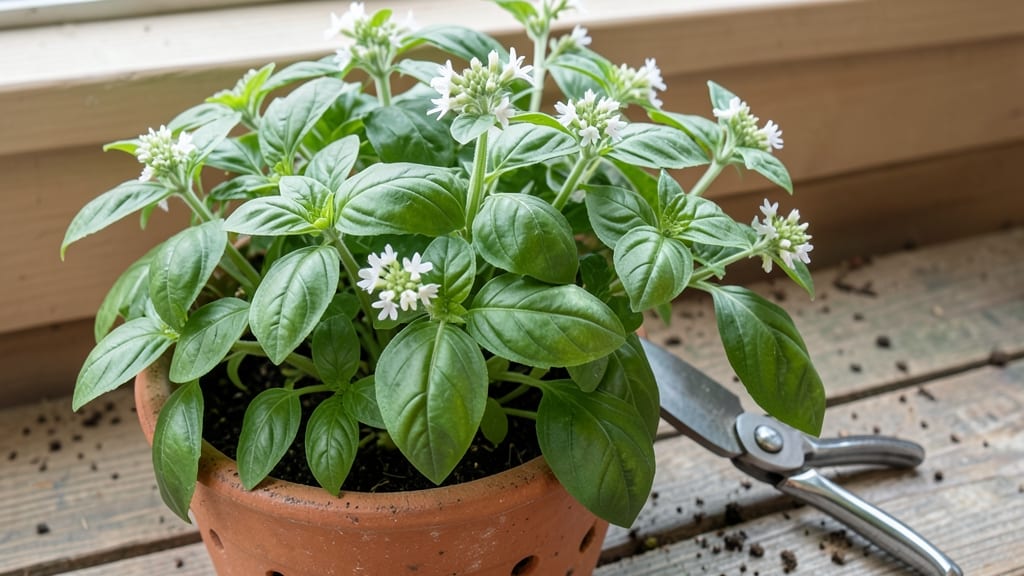
Learn how to keep basil from flowering—or watch your once-lush plant turn woody and bitter in weeks. to keep it leafy all season long. The key is understanding why basil flowers (it’s not lazy—it’s just following its natural cycle) and how to interrupt that cycle before it ruins your harvest.
Pruning is the game-changer here, but timing matters more than you’d think. You’ll need sharp scissors, a sunny spot with at least 6 hours of light daily, and a watering schedule that keeps the soil moist but not soggy.
The moment you see a flower bud, snip it off—don’t wait. That single flower spike will sap energy from your leaves, turning them tough and bitter. I’ve kept basil producing harvestable leaves for 6+ months using this method, even in summer heat.
What you’ll end up with is a basil plant that looks like it belongs in a chef’s garden—bright green, fragrant, and constantly producing. The leaves stay tender, the stems stay short, and you’ll never again watch your basil turn into a woody stick with a single flower.
This isn’t just about stopping flowers; it’s about hacking basil’s growth cycle to work for you instead of against you.
Works for both potted basil on your windowsill and plants in the ground. The same principles apply whether you’re growing Sweet Basil, Genovese, or Thai varieties. Once you master this, you’ll never buy basil from the store again—here’s how to keep yours thriving.
📚 In This Guide
- What you need
- Instructions
- Tips and common mistakes
- Wrapping up and next steps
What you need
- ● Fresh basil plant(s) – Choose healthy, non-flowering basil (Genovese, Thai, or Purple basil work great!).
- ● Sharp pruning shears or clean scissors – Sterilize with rubbing alcohol to prevent disease. Avoid dull tools that crush stems!
- ● Well-draining potting mix – A high-quality seed-starting mix or organic potting soil (avoid garden soil—it compacts and drains poorly).
- ● 6-inch pots or containers – At least 2-3 (terracotta or plastic with drainage holes work best).
- ● Drainage trays or saucers – 2-3 to catch excess water and prevent root rot.
- ● Balanced liquid fertilizer – Diluted 10-10-10 or fish emulsion (use sparingly—over-fertilizing stresses plants).
- ● Grow lights or sunny windowsill – Basil needs 6-8 hours of light daily. A full-spectrum LED grow light works if natural light is limited.
- ○ Misting bottle (optional but helpful) – Keeps humidity up, especially indoors.
- ● Rooting hormone – Speeds up propagation success (like Clonex or hormone-free willow water).
- ● Humidity dome or plastic wrap – Creates a mini greenhouse effect for cuttings.
- ● pH test kit – Ensures soil pH is 6.0-7.0 (ideal for basil).
- ● Slow-release fertilizer pellets – Adds nutrients gradually (e.g., Osmocote).
- ● Label markers – Helps track basil varieties if you’re experimenting!
Step-by-Step instructions for pruning basil to prevent flowering
Here's how I keep my basil bushy and productive—no flowers in sight.
Identify and Remove Flower Buds Early
Basil flowers as a survival tactic, so you must act fast. Check your plants every 3-4 days for tiny flower buds that look like tiny white or purple spikes. The moment you spot one, pinch it off between your thumb and forefinger—no tools needed. I always do this in the morning so the plant has the whole day to recover.
Don't wait until buds open into flowers. Once they bloom, the plant shifts energy from leaves to seeds, and those leaves turn bitter. If you see a stem with multiple buds, cut the entire stem back to a leaf node below the buds. This encourages new growth from the sides instead of letting the plant focus on flowering.
Prune for Bushier Growth Weekly
Trim the main stems just above a set of leaves—usually where 4-6 leaves cluster together. This is called "pinching," and it forces the plant to grow more branches. I use clean, sharp scissors to make clean cuts, never tearing the stems. The goal is to keep the plant compact and encourage leaf production.
After pruning, place the cuttings in water if you want to propagate new plants. Otherwise, just toss them in the compost. You'll notice new shoots forming at the leaf nodes within 5-7 days. These side shoots will become your new productive stems, keeping the plant lush and green.
Maintain Consistent Light and Water
Basil flowers faster when stressed, so keep it happy with 6-8 hours of sunlight daily and 1 inch of water per week. Let the top inch of soil dry out between waterings—this prevents root rot and encourages strong growth. If your basil starts stretching toward the light or growing leggy, it needs more brightness.
I also fertilize every 2-3 weeks with a balanced liquid fertilizer (like 10-10-10) to keep it fed. Over-fertilizing can cause salt buildup, so always dilute to half-strength. Healthy plants resist flowering longer, so this step is just as important as pruning.
Watch for Stress Signs and Adjust
If your basil suddenly starts flowering despite your efforts, check for stress. Too much heat, not enough water, or sudden temperature drops can trigger blooming. Move potted basil to a shadier spot if temps hit above 85°F, and water deeply during dry spells.
Yellowing leaves? That’s often a sign of overwatering or poor drainage. Basil hates soggy roots, so ensure pots have drainage holes. If you see pests like aphids, blast them off with water—stressed plants are more likely to bolt. A little extra care here keeps your basil flowering-free for weeks longer.
Tips & tricks for keeping basil flower-free
Here's what I've learned after years of fighting basil's natural urge to bloom.
Morning is Key: The instructions mention checking for buds every 3-4 days, but timing matters too. I always do this in the morning because basil plants have the whole day to recover and focus on leaf growth rather than flowering. Early detection is everything—those tiny buds grow fast!
Pinching Technique: When you're pinching stems in Step 2, make sure you're cutting just above a set of leaves with 4-6 leaves clustered together. This is where new growth will sprout. I use my fingers for small stems but grab clean scissors for thicker ones—never tear the stems, as this can damage the plant and make it more susceptible to stress and flowering.
Light and Water Balance: The 6-8 hours of sunlight and 1 inch of water per week are non-negotiable. I place my basil pots on a windowsill where they get morning sun and afternoon shade, especially when temperatures approach 85°F. Overwatering is just as bad as underwatering—always let the top inch of soil dry out between waterings to prevent root stress.
Stress Prevention: Basil bolts (starts flowering) when stressed. If you notice yellowing leaves, check your watering habits—too much or too little can trigger this. I keep an eye out for pests like aphids too; a quick blast of water usually does the trick. Healthy plants resist flowering longer, so this extra care pays off in lush, green leaves all season.
Pro Tips for Keep Basil From Flowering
- Here's what I've learned after years of fighting basil's natural urge to bloom.
- Morning is Key: The instructions mention checking for buds every 3-4 days, but timing matters too.
- Pinching Technique: When you're pinching stems in Step 2, make sure you're cutting just above a set of leaves with 4-6 leaves clustered together.
Frequently asked questions
Got questions about keeping your basil happy and leafy?
Here are answers to the most common concerns—so you can enjoy fresh, vibrant basil all season long!
Why does basil flower, and is it bad for the plant?
Basil flowers as a natural response to long daylight hours and stress (like heat or drought). While it’s not deadly, flowering signals the plant to shift energy from leaves to seeds—meaning bitter-tasting, woody stems and fewer harvests. Pinching off flowers redirects growth back to lush, flavorful leaves!
How often should I prune basil to prevent flowering?
Prune basil every 2–4 weeks during its growing season (spring to fall) to encourage bushier growth. Focus on removing flower buds and top leaves—this keeps the plant focused on foliage. Pro tip: If you see buds forming, act fast! They can appear in as little as 2–3 weeks in warm climates.
Can I still harvest basil if it starts flowering?
Yes, but harvest strategically! Cut stems just above a leaf node (where new growth emerges) to stimulate regrowth. Avoid harvesting only the top leaves—this can stress the plant further. If flowering is advanced, prune back 1/3 of the plant to rejuvenate it, even if it’s not ideal.
Will cold weather stop basil from flowering?
Cold weather (below 50°F/10°C) slows basil’s growth and delays flowering, but it won’t reverse it if buds are already forming. If you’re in a cooler climate, grow basil in containers and move them indoors before frost. Overwintering basil indoors (with 12+ hours of light) can extend its life—and your pruning opportunities!
What’s the best way to revive basil that’s already flowering?
Don’t give up! Prune back flowering stems and up to 50% of the plant to encourage new growth. Move it to a shadier spot (but still with 6+ hours of sunlight) and water consistently. If the stems are too woody, consider propagating cuttings in water or soil—you might get a second flush of leaves!
Wrapping up and next steps
Keeping your basil thriving and leafy isn’t just possible—it’s easy once you know the tricks! By pruning regularly, providing the right care, and staying consistent, you’ll enjoy a bountiful harvest of sweet, fragrant leaves all season long. 🌿✨
Ready to put these tips into action? Grab your shears and start pruning today! Your future pesto (and happy basil plant) will thank you.