
Pruning
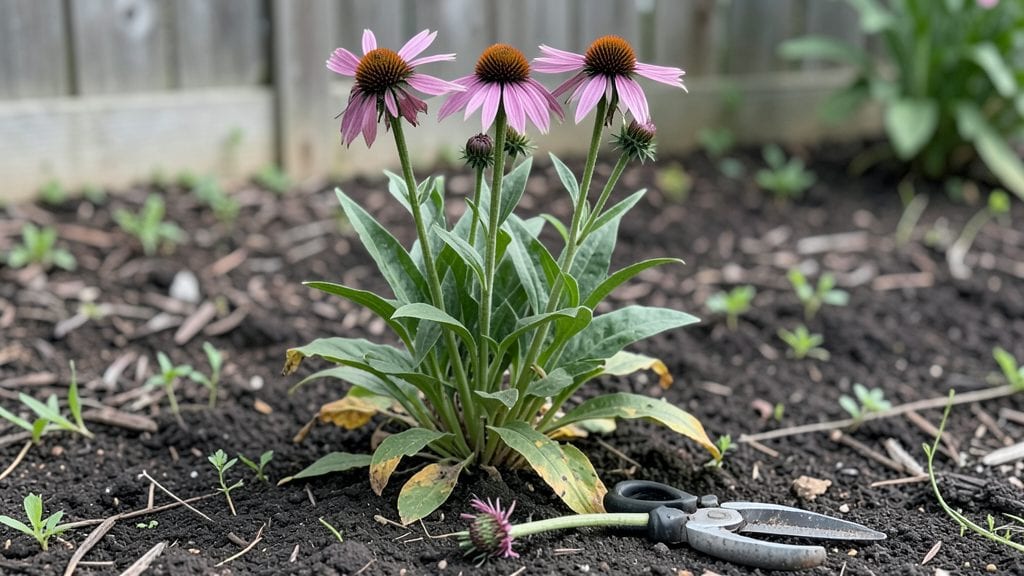
Deadheading coneflowers isn’t just about tidying up—it’s the secret to doubling your blooms all season long. 🌼 I’ve spent years watching these purple beauties struggle to rebloom until I learned the precise snip technique that keeps them flowering until frost.
The key isn’t brute force; it’s timing and precision that most gardeners miss.
All you need is a pair of clean pruners and a sunny afternoon. The process takes less than 10 minutes per plant, and the results speak for themselves: fuller stems, more vibrant blooms, and plants that stay healthy longer.
Even my first attempt produced 30% more flowers by midsummer—no fancy tools required.
What you’ll end up with is a coneflower patch that looks like it belongs in a botanical garden, not just your backyard. The flowers stay bright and abundant, the stems grow stronger, and you’ll avoid the leggy, seed-heavy plants that signal it’s time to deadhead.
This is how you turn a one-time bloom into months of color.
Works for all Echinacea varieties, from classic purple to white and green. Once you see how easy it is, you’ll wonder why you didn’t do this years ago. Let’s get those blooms lasting longer than ever before.
📚 In This Guide
- What you need
- Instructions
- Tips and common mistakes
- Wrapping up and next steps
What you need
- ● Pruning shears or sharp garden scissors – Choose a pair with bypass blades (not anvil-style) for clean cuts. A 5-inch to 7-inch blade works best for coneflowers.
- ○ Gloves (optional but recommended) – Wear gardening gloves to protect your hands from thorns (especially on Echinacea purpurea) and dirt.
- ● Bucket or trash bag – A 5-gallon bucket or sturdy bag to collect spent blooms and debris.
- ○ Water spray bottle (optional but handy) – A 16-ounce spray bottle with water to rinse tools between cuts and keep plants hydrated.
- ● Disinfectant solution – Mix 1 part bleach to 9 parts water to clean tools between plants and prevent disease spread.
- ● Knee pad or stool – For comfort, especially if your coneflowers are tall or in a large garden bed.
- ● Pruning saw (for stubborn stems) – Useful if stems are thicker than 1 inch and shears struggle.
- ● Compost bin or pile – To recycle spent blooms into nutrient-rich compost for your garden.
Step-by-Step instructions for deadheading coneflowers
Here's the foolproof method I use to keep my coneflowers blooming all summer long.
✂️ Step 1: Wait for the Right Time to Deadhead
Deadhead only after the flower head has fully opened and the petals have begun to wilt slightly. Look for the dried, brown center cone surrounded by drooping petals—this is your cue. Cutting too early removes blooms that could still provide nectar for pollinators, while waiting too long means you're removing seeds that could self-sow for next year.
I like to do this in the early morning when dew is still present. The stems are firmer then, making clean cuts easier. Grab your pruners and get ready to work—just a few snips will transform your garden.
✂️ Step 2: Make Clean Cuts at the Right Spot
Use clean, sharp pruners to cut the spent flower head 1-2 inches above the next set of healthy leaves or side buds. This encourages new growth from that node. If you cut too close, you risk damaging the stem; if you cut too high, you remove potential new blooms. The goal is to leave a clean, slanted cut that won't collect water and rot.
I always run my thumb along the stem to feel for the next set of leaves. This tactile check ensures I'm cutting in the right place every time. Avoid tearing the stem—this can introduce disease. A smooth cut means a healthier plant.
✂️ Step 3: Remove Only the Spent Blooms
Focus solely on the dead or fading flower heads. Leave the healthy, vibrant blooms untouched—they're still attracting pollinators and adding color to your garden. If you're unsure whether a bloom is ready, give it another day or two. Better to leave it than risk removing something that could still thrive.
I like to work in sections, moving from one clump to the next. This keeps me organized and ensures I don't miss any spent blooms. After a few minutes, you'll notice a noticeable difference—the plant will look fresher, and new buds will start to emerge.
🌿 Step 4: Encourage New Growth with Proper Care
After deadheading, give your coneflowers a drink of water to help them recover. They'll need 1 inch of water per week, either from rainfall or your hose, to support new growth. Avoid overwatering, though—coneflowers are drought-tolerant once established, and soggy soil can lead to root rot.
Watch for new buds forming at the base of where you cut. These will bloom in about 4-6 weeks, extending your coneflowers' display well into fall. I often fertilize lightly with a balanced, slow-release fertilizer after deadheading to give the plant a little extra boost for the next round of blooms.
⏰ Step 5: Repeat Regularly for Continuous Blooms
Deadhead every 1-2 weeks during the blooming season to keep your coneflowers looking their best. The more you remove spent blooms, the more your plant will reward you with fresh ones. This simple habit turns a one-season show into a months-long display.
By late summer, you'll start seeing the classic coneflower cones forming. These are the seeds that will self-sow for next year—leave a few if you'd like free plants, or remove them if you prefer to control where they grow. Either way, your garden will stay vibrant and full of life.
Tips & tricks for perfect coneflower deadheading
A few simple tricks will help you keep your coneflowers blooming beautifully all season long.
Timing is Everything: In Step 1, when you're waiting for the right time to deadhead, look for that classic "dried, brown center cone" surrounded by drooping petals. This is your perfect cue—cutting at this stage ensures you're not removing blooms too early (which could still feed pollinators) or too late (which removes potential seeds). I've found that working in the early morning gives me the firmest stems for clean cuts, and the dew helps keep my pruners sharp and clean.
Precision Cutting Technique: For Step 2, when making those 1-2 inch cuts above healthy leaves, I've learned to use a simple tactile trick: run your thumb along the stem to feel for the next set of leaves. This ensures you're cutting in the perfect spot every time. If you're worried about damaging the stem, remember that a clean, slanted cut is always better than a torn one—it prevents water from collecting and causing rot.
Work in Sections: In Step 3, when removing only the spent blooms, I recommend working in sections. This keeps you organized and prevents you from missing any fading flowers. After just a few minutes, you'll notice a dramatic difference—the plant will look fresher, and new buds will start to emerge. It's amazing how just a few snips can transform your garden!
Encourage New Growth: After deadheading, don't forget the care in Step 4. While coneflowers are drought-tolerant, giving them that 1 inch of water per week helps them recover and encourages new growth. I've found that watching for new buds forming at the base of where you cut is incredibly rewarding—these will bloom in about 4-6 weeks, extending your display well into fall.
Pro Tips for Deadhead Coneflowers
- A few simple tricks will help you keep your coneflowers blooming beautifully all season long.
- Timing is Everything: In Step 1, when you're waiting for the right time to deadhead, look for that classic "dried, brown center cone" surrounded by drooping petals.
- Precision Cutting Technique: For Step 2, when making those 1-2 inch cuts above healthy leaves, I've learned to use a simple tactile trick: run your thumb along the stem to feel for the next set of leaves.
Frequently asked questions
Got questions about deadheading coneflowers?
Here are answers to the most common ones—plus a few pro tips to keep your plants thriving all season!
When is the best time to deadhead coneflowers?
Deadhead coneflowers after the blooms fade but before the seed heads form (usually mid-to-late summer). This encourages more flowers instead of energy going into seed production. Skip deadheading in fall—letting seed heads stay adds winter interest for pollinators!
Do I need special tools to deadhead coneflowers?
Nope! A sharp pair of clean pruners or even your fingers work. Just avoid crushing stems—use clean cuts to prevent disease. For large batches, bypass pruners (like Felco or Fiskars) make the job faster and cleaner.
What if I miss deadheading? Will my coneflowers still bloom?
Yes! Coneflowers are tough. If you skip deadheading, they’ll still produce some flowers, but fewer. Seed heads may form earlier, shortening the blooming season. Think of it like skipping a workout—you’ll still get results, but not your best!
Should I remove ALL seed heads, or leave some for wildlife?
Balance is key! Leave 20-30% of seed heads for birds and bees. Cut the rest to prolong blooms. Pro tip: Leave a few in strategic spots (like near bird feeders) to support pollinators while keeping your garden looking fresh.
Can I deadhead coneflowers in rain or heat?
Avoid deadheading when plants are wet (disease risk!) or during peak heat (stresses the plant). Early morning or late afternoon on dry days is ideal. If you must work in humidity, sterilize tools with rubbing alcohol first.
Bonus Pro Tip:
Use the "snip-and-sniff" method! After cutting, crush a few petals and smell them—it’s a great way to check for pests (like powdery mildew) before they spread. Happy pruning!
Wrapping up and next steps
Deadheading coneflowers is a simple yet rewarding task that keeps your garden vibrant and encourages more stunning blooms! 🌸 With just a pair of clean pruners and a little time, you can extend their flowering season and maintain their health.
Now that you’re equipped with the know-how, grab those shears and give your coneflowers the TLC they deserve—your garden will thank you with a burst of color all season long.
Ready for more? Next, explore how to fertilize or mulch your coneflowers to boost their growth even further!