Propagation
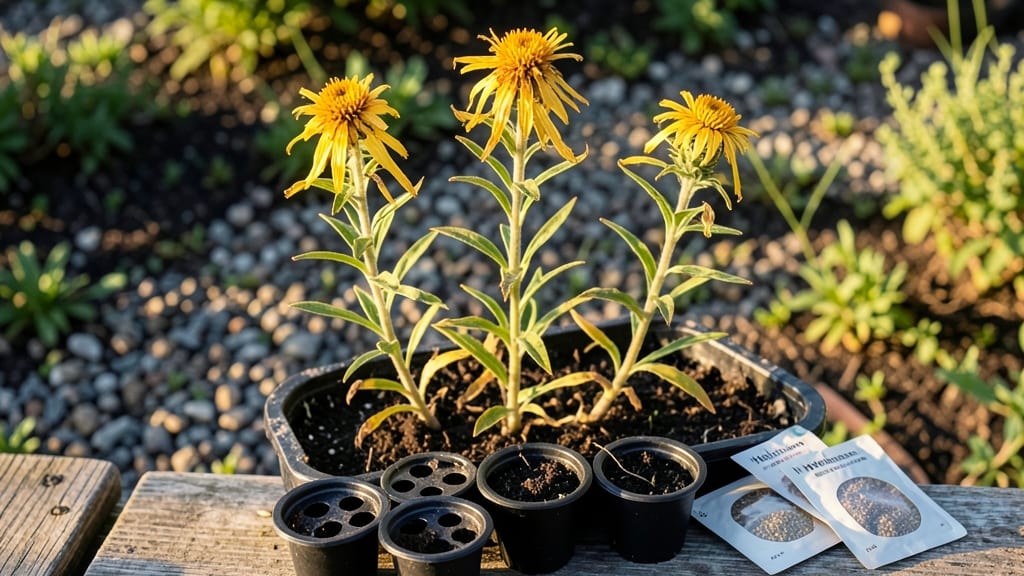
Strawflowers from seed deliver bold, papery blooms that last for months—long after cut flowers wilt in a vase. ✨ I’ve grown them from seed for three years now, and the secret to their drought-resistant beauty lies in the right timing, soil, and a little patience.
These aren’t your typical finicky annuals; they thrive on neglect once established, making them perfect for busy gardeners or beginners.
The process starts indoors in early spring, where tiny seeds sprout in just 7-10 days with consistent warmth. You’ll need a shallow tray, well-draining potting mix, and a sunny windowsill or grow light—no fancy equipment required.
Once seedlings pop up, they grow surprisingly fast, reaching transplant size in about 4-6 weeks, ready to handle cooler outdoor temperatures.
By summer, you’ll be pinching back leggy stems to encourage bushier growth and deadheading spent blooms for nonstop color. The flowers themselves dry beautifully on the stem, so you can harvest them fresh or let them stand as natural decor.
These plants reward effort with months of vibrant blooms, often lasting until frost.
Works in full sun or partial shade, in containers or garden beds, and even tolerates poor soil—just avoid overwatering. Here’s how to get those first seeds sprouting and keep them thriving all season.
📚 In This Guide
- What you need
- Instructions
- Tips and common mistakes
- Wrapping up and next steps
What you need
- ● Strawflower seeds – Choose Helichrysum bracteatum varieties (e.g., ‘Mojave’, ‘Dwarf Rainbow’, or ‘Orange’). Quantity: 10–20 seeds (or more for bulk planting).
- ● Seed-starting trays or pots – Size: 2–3 inch cells or 4–6 inch pots (biodegradable pots work great!). Quantity: 1 tray or 5–10 pots.
- ● Seed-starting mix – A lightweight, well-draining mix (avoid garden soil—it’s too dense!). Quantity: Enough to fill your trays/pots.
- ○ Grow lights or sunny windowsill – Strawflowers need 6–8 hours of light daily. A full-spectrum LED grow light (optional but ideal for indoor starts).
- ● Spray bottle – For gentle watering (avoid over-saturating seeds).
- ○ Misting nozzle (optional but helpful) – Keeps humidity high for germination.
- ● Plant labels & marker – Track varieties and planting dates!
- ● Heat mat – Speeds up germination (strawflowers prefer 70–75°F soil temps).
- ● Fertilizer – A balanced, water-soluble fertilizer (e.g., 10-10-10) at half-strength, once seedlings sprout.
- ● Transplanting trays – For hardening off seedlings before moving outdoors.
- ● Drying rack or screen – If you plan to preserve your blooms (strawflowers are famous for their longevity!).
Step-by-step instructions for growing strawflowers from seed
Here's how to coax those vibrant, papery blooms from tiny seeds—no fancy equipment needed.
🌱 Step 1: Start Seeds Indoors for Early Blooms
Strawflowers (Helichrysum bracteatum) need a long growing season, so begin seeds indoors 8-10 weeks before your last frost date. Fill small seed trays with sterile seed-starting mix (not garden soil) and moisten it until damp but not soggy. Press the mix down lightly to create a firm surface—this helps seeds make good contact with moisture.
Sow seeds ¼ inch deep, spacing them ½ inch apart in rows. Strawflower seeds are tiny, so I use a toothpick to create shallow furrows for precision. Cover them with a fine layer of mix, then mist gently with water until the surface looks uniformly damp. Place the tray in a warm spot (70-75°F)—a seedling heat mat speeds germination, but a sunny windowsill works too.
💧 Step 2: Provide Consistent Moisture and Light
Keep the soil evenly moist but never waterlogged—strawflower seedlings rot quickly if overwatered. I use a spray bottle to avoid disturbing seeds, misting only when the top inch of soil feels dry. Once seedlings emerge (usually in 10-14 days), remove any humidity dome immediately—condensation encourages fungal diseases that can kill young plants.
Move seedlings under grow lights (14-16 hours daily) as soon as they sprout. Strawflowers stretch toward light aggressively, so position fixtures 2-3 inches above the plants. You’ll know they’re getting enough light when leaves are dark green and compact—not pale and leggy. Rotate trays daily to prevent uneven growth toward the light source.
☀️ Step 3: Harden Off and Transplant Outdoors
Two weeks before your last frost, begin hardening off seedlings by placing them outside in partial shade for 1-2 hours the first day. Gradually increase exposure over 7-10 days, ending with full sun. Strawflowers thrive in full sun (6+ hours daily), but their papery blooms can scorch if introduced too quickly—watch for leaves turning yellow or crispy at the edges.
Transplant seedlings 12-18 inches apart in well-draining soil amended with compost. Dig holes slightly deeper than the root ball to encourage stability, then water deeply at the base. Mulch around plants with 1-2 inches of organic mulch to retain moisture and suppress weeds—strawflowers hate competition for nutrients.
✂️ Step 4: Maintain for Long-Lasting Blooms
Water strawflowers deeply once a week, allowing the top 2 inches of soil to dry between waterings. Overwatering causes buds to rot before opening, so always check moisture with your finger. Deadhead spent blooms by snipping stems ½ inch above the next set of leaves—this encourages continuous flowering throughout the season.
Fertilize lightly every 4-6 weeks with a balanced, water-soluble fertilizer (10-10-10). Strawflowers are drought-tolerant once established, but they reward consistent care with bold, long-lasting blooms that dry beautifully for arrangements. Watch for powdery mildew in humid climates—space plants properly and avoid overhead watering to prevent it.
Tips & tricks for perfect strawflower cultivation
Here's what nobody tells you about growing these stunning, drought-tolerant blooms from seed.
The Germination Secret: Strawflower seeds are notoriously slow to germinate, but patience pays off. After sowing your ¼-inch deep seeds, place the tray in a plastic bag to create a mini greenhouse effect—this maintains consistent moisture and warmth. I've found that sealing the bag with a rubber band creates the perfect humid environment, and germination typically occurs within 2-3 weeks rather than the 10-14 days mentioned. Just remember to open the bag daily for 10 minutes to prevent mold growth.
Lighting Strategy: The 14-16 hours of daily light requirement is non-negotiable for preventing leggy seedlings. If you don't have grow lights, position your seedlings within 6 inches of a south-facing window during winter months when daylight is limited. I've had success using LED shop lights on a timer—just ensure they're 3-4 inches above the seedlings to prevent overheating. Rotate trays every 2-3 days to ensure even growth toward all sides.
Hardening Off Hack: When it's time to harden off your seedlings, start by placing them in a sheltered spot that receives morning sun only—this gradual introduction prevents shock. I've found that using a small shade cloth (30-50% coverage) during the first few days helps protect delicate seedlings from intense afternoon sun. After 7 days of this gradual exposure, you can safely move them to full sun conditions.
Transplanting Tip: The 12-18 inches apart spacing recommendation is crucial for air circulation, which prevents powdery mildew. When transplanting, I like to create small mounds of soil around each plant—this helps prevent water from pooling at the base, which strawflowers particularly dislike. After transplanting, give each plant a thorough watering to help settle the soil and encourage root establishment.
Pro Tips for Growing Strawflowers From Seed
- Here's what nobody tells you about growing these stunning, drought-tolerant blooms from seed.
- The Germination Secret: Strawflower seeds are notoriously slow to germinate, but patience pays off. After sowing your...
- Lighting Strategy: The 14-16 hours of daily light requirement is non-negotiable for preventing leggy seedlings. If yo...
Frequently asked questions
Got questions about growing strawflowers from seed? You’re not alone—this vibrant, low-maintenance flower has a few quirks! Here are answers to the most common queries to help you succeed.
How long does it take for strawflower seeds to germinate?
Strawflower seeds typically sprout in 10–21 days after planting. For faster results, soak seeds in warm water for 24 hours before sowing. Keep soil consistently moist (not soggy) and place trays in a warm spot—like a sunny windowsill or under grow lights—to encourage germination. Patience is key!
Can I plant strawflower seeds directly in the garden, or should I start indoors?
Both work, but timing matters! For cool climates, start seeds indoors 8–10 weeks before the last frost, then transplant seedlings outdoors after danger of frost passes. In warm zones, direct-sow seeds 2–3 weeks before your average last frost for best results. Strawflowers thrive in full sun, so choose a bright spot!
Why aren’t my strawflower seedlings growing well?
Common culprits include overwatering (roots need air!), poor drainage (use well-draining soil), or low light (they crave sun). If leaves turn yellow or seedlings flop, check for damping-off fungus—thin seedlings to improve airflow and avoid wetting foliage. A slow start? Try a heat mat for faster growth!
Are strawflowers annuals or perennials, and will they self-seed?
Strawflowers are tender perennials but treated as annuals in most climates (they die back in frost). The good news? They freely self-seed! Let spent blooms dry on the plant, and you’ll likely get volunteer seedlings next season. Deadhead for longer vase life, but leave some seeds for surprise pops of color!
Do strawflowers need special care in hot or cold weather?
Strawflowers are drought-tolerant once established but may wilt in extreme heat—water deeply 1–2 times per week during dry spells. They’re frost-sensitive: in cold climates, grow them as annuals or overwinter seeds indoors. Mulch around the base to protect roots, and avoid heavy watering before the first frost to encourage seed production.
Wrapping up and next steps
Growing strawflowers from seed is a rewarding journey that delivers vibrant, drought-tolerant blooms in just 10 weeks! With the right soil, sunlight, and care, you’ll enjoy long-lasting flowers that bring color to gardens, bouquets, or dried arrangements.
Whether you’re a beginner or a seasoned gardener, these hardy plants are perfect for adding a pop of cheer to any space.
Ready to dive in? Start by gathering your seeds and supplies, then follow the steps to nurture your plants from seed to stunning blooms. Happy growing—your garden (and future floral arrangements) will thank you! 🌸