
Flowers
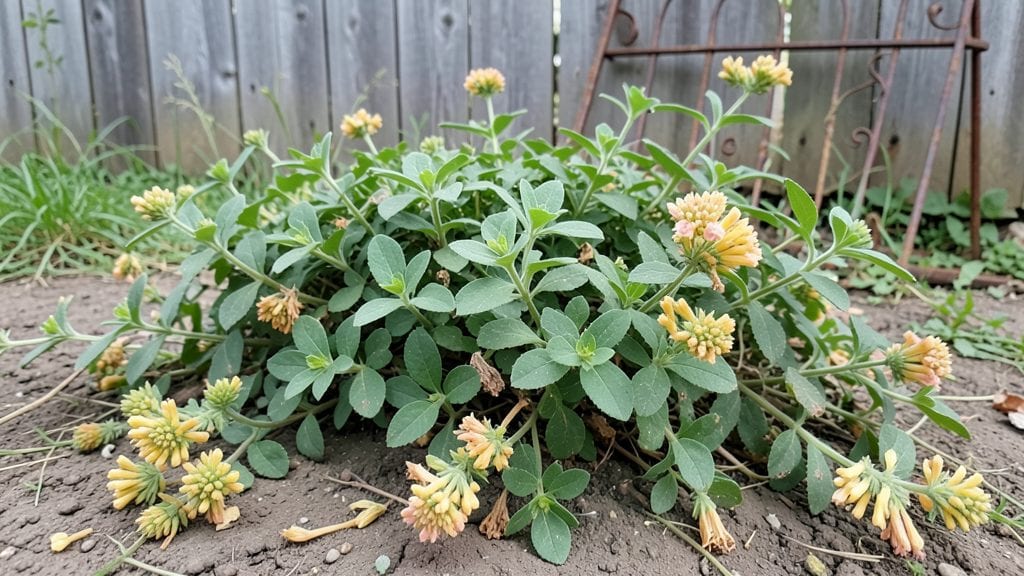
Flowers around the house don’t need to be complicated—just strategic. 🌸 I’ve turned my front yard into a year-round showpiece with plants that bloom in every season, require almost no maintenance, and still make neighbors stop and stare.
The secret isn’t fancy designs or rare species—it’s choosing the right plants for your light and space, then letting them do the work.
Start with a mix of evergreens for structure, like boxwood or dwarf holly, then layer in perennials that bloom at different times—think purple coneflowers in summer, hellebores in winter, and peonies in spring. For instant color, add annuals like petunias or geraniums in pots or window boxes.
The key is grouping plants by sunlight needs and watering them together so you’re not running around with a hose every other day.
What you’ll end up with is a home that looks like it belongs in a garden magazine, but with zero fuss. Imagine waking up to snowdrops peeking through the frost in February, then transitioning to roses by June, and still having fall mums and winter jasmine keeping things lively.
It’s all about layering plants so there’s always something in bloom, and arranging them so the tallest are at the back, medium-height in the middle, and trailing plants spill over edges.
This works for any home—whether you’ve got a tiny patio, a sprawling front yard, or just a few window boxes. The same principles apply: choose plants that love your light, group them by care needs, and let them shine.
Once you see how easy it is to create color all year, you’ll wonder why you ever struggled with gardening before.
📚 In This Guide
- What you need
- Instructions
- Tips and common mistakes
- Wrapping up and next steps
What you need
- ● Flowering plants (5–10): Choose a mix of hardy, low-maintenance varieties like snake plants, pothos, peace lilies, or petunias (ensure they thrive in your light conditions).
- ● Containers (5–10): Pots (6–12" diameter), hanging baskets, or vertical planters with drainage holes. Terracotta or ceramic works best for airflow.
- ● High-quality potting mix (2–3 bags): Lightweight, well-draining blend (avoid garden soil—it compacts!). Look for peat-free or coconut coir-based options.
- ● Drainage material (1 bag): Small pebbles, perlite, or hydroponic clay balls (1–2" layer per pot).
- ● Slow-release fertilizer (1–2 packs): Granular or spike form (e.g., Osmocote) for 3–6 months of nourishment.
- ● Gloves (1 pair): Gardening gloves to protect your hands from soil and thorns.
- ● Trowel or small shovel: For digging and transplanting.
- ● Watering can (1) or spray bottle: With a narrow spout for precision watering.
- ○ Mulch (optional): Decorative stones or bark chips to retain moisture and add flair.
- ○ Plant labels (optional): Wooden or metal tags to track varieties and care needs.
- ● Light check: Place containers near windows or under grow lights before planting to assess sunlight exposure.
- ● Size matters: Match pot size to plant roots—smaller pots = faster drying.
- ● Seasonal swap: Rotate plants every 3–4 months to keep color fresh (e.g., poinsettias in winter, geraniums in summer).
Easy steps for year-round house flowers that thrive with minimal care
Here’s how to create a vibrant, low-maintenance floral display that brightens every room—no green thumb required.
🌱 Step 1: Choose the Right Flowers for Each Season
Pick plants that naturally thrive indoors or in containers year-round. For winter, try snake plants or ZZ plants—they handle low light and infrequent watering. In spring and summer, geraniums and petunias burst with color but need 6+ hours of sunlight daily. Fall-friendly picks like chrysanthemums or caladiums add bold foliage without fuss.
I rotate seasonal plants every 4-6 weeks to keep things fresh. For example, swap out tender summer annuals for hardy heather or cyclamen when temperatures drop. Always check the USDA hardiness zone for your area to avoid frost-sensitive blooms.
☀️ Step 2: Place Flowers Where They’ll Thrive
Most houseplants need bright, indirect light—near east or west-facing windows works best. Avoid dark corners where leaves yellow or stretch toward light. If your space is dim, artificial grow lights (12-14 hours daily) keep flowers happy. For sun-loving varieties, place them on south-facing porches or balconies during warmer months.
Rotate containers quarter-turn weekly so plants grow evenly. You’ll notice leaves leaning toward the light? That’s your cue to reposition. Group plants with similar light needs together—like succulents and basil near sun, and ferns or peace lilies in shade.
💧 Step 3: Water Smartly (Less Is Almost Always Better)
Let the top inch of soil dry out between waterings—this prevents root rot and overwatering. Stick your finger in the soil: if it feels damp, wait another day. Most house flowers hate soggy roots, so ensure pots have drainage holes. I use self-watering containers for forgetful gardeners—they release moisture gradually when the soil dries.
Mist leaves occasionally for humidity-loving plants like orchids or African violets, but avoid soggy centers. Overwatering is the #1 killer of house flowers—trust me, I’ve drowned more than a few. A spray bottle for misting and a watering can with a narrow spout for precision are your best tools.
✂️ Step 4: Prune and Deadhead for Longer Blooms
Snip off wilted or yellowing leaves with clean scissors to encourage new growth. For flowering plants like geraniums or impatiens, pinch back spent blooms daily—this redirects energy to producing more flowers instead of seed pods. I deadhead every 2-3 days during peak bloom to keep my petunias flowering nonstop.
Trim leggy stems to half their length if they stretch too tall. This forces bushier growth and prevents top-heavy pots from tipping. Wipe leaves with a damp cloth weekly to remove dust—clean leaves absorb light better and stay healthier. Just don’t over-prune; 10-15% of foliage is plenty to keep plants thriving.
🪴 Step 5: Refresh Soil and Repot as Needed
Replace top 2 inches of soil every 3-4 months to refresh nutrients. Mix in a slow-release fertilizer (like 10-10-10) at half-strength when repotting. Most house flowers do well in well-draining potting mix—avoid garden soil, which compacts and suffocates roots.
Repot only when roots circle the container or water runs straight through. I upgrade pots by 1-2 inches in diameter max—bigger isn’t always better. After repotting, water lightly and place in bright, indirect light for a week to reduce shock. This is the perfect time to divide overcrowded plants like spider plants or hostas for free propagation.
Tips & tricks for perfect year-round house flowers
Here's what nobody tells you about keeping house flowers thriving with almost no effort.
Seasonal Rotation Strategy: When you rotate plants every 4-6 weeks as mentioned in Step 1, take photos of each arrangement before swapping. This helps you remember what worked best in each spot—like where your geraniums got the most sunlight or how cyclamen thrived in that cooler corner. I keep a simple notebook with dates and plant locations to avoid trial and error.
Light Troubleshooting: If your plants start stretching toward the light (a condition called etiolation), it's a clear sign they need to move. For indoor plants, rotate containers quarter-turn weekly as instructed, but also check if nearby furniture or curtains are blocking light. South-facing windows provide the strongest light, but east-facing windows give gentle morning sun that's perfect for delicate petunias.
Watering Hack: The "top inch dry" rule in Step 3 works perfectly, but here's the secret: use a chopstick or clean wooden skewer to check soil moisture. Insert it into the soil—if it comes out clean, water is needed. If it's damp, wait another day. This method is more accurate than sticking your finger in, especially for plants like ZZ plants that prefer bone-dry soil between waterings.
Pruning Shortcuts: Don't have time to deadhead every 2-3 days? Set a phone reminder for your peak bloom days. I use the "one-minute rule"—spend just 60 seconds each morning snipping off any wilted blooms. This small investment keeps your petunias and geraniums producing flowers continuously without overwhelming your schedule. And always use clean scissors—dull blades crush stems and invite disease.
Pro Tips for Flowers Around The House
- Here's what nobody tells you about keeping house flowers thriving with almost no effort.
- Seasonal Rotation Strategy: When you rotate plants every 4-6 weeks as mentioned in Step 1, take photos of each arrangement before swapping.
- Light Troubleshooting: If your plants start stretching toward the light (a condition called etiolation), it's a clear sign they need to move.
Frequently asked questions
Got questions about keeping flowers thriving around your home without the hassle?
Here are answers to the most common ones—so you can enjoy year-round color with confidence!
What are the easiest low-maintenance flowers for beginners?
Start with sun-loving perennials like lavender, black-eyed Susans, or daylilies—they’re drought-tolerant and bloom for months. For shade, try hostas or impatiens; they’re forgiving and hardy. Pro tip: Group plants with similar water needs to simplify care!
How often should I water flowers in pots vs. garden beds?
Potted flowers need watering every 2–3 days (check soil moisture—top inch should be dry). Garden beds? 1–2 times per week, depending on rain. Mulch (like shredded bark) helps retain moisture and cuts down on weeding. Troubleshoot: Wilting leaves? Water deeply in the morning to avoid fungal issues.
Can I plant flowers year-round, or is there a best time?
Timing depends on your climate! In mild zones (Zones 8–10), plant anytime—just avoid extreme heat or frost. Cooler regions? Spring (after last frost) and early fall are ideal. Bonus: Cool-season blooms like pansies thrive in fall/winter for winter color!
How do I keep pests away without chemicals?
Prevent pests with neem oil spray (mix with water) or companion planting (e.g., marigolds repel aphids). For slugs, set out beer traps (they’re drawn to it!). Quick fix: Remove chewed leaves promptly to deter repeat visits.
What’s the best way to revive wilting houseplants or cut flowers?
For cut flowers: Trim stems at an angle, place in fresh water with a drop of bleach (1/4 tsp per gallon), and snip foliage underwater. Houseplants? Check roots—if mushy, repot in fresh soil. Remember: Overwatering is the #1 killer! Let soil dry between waterings.
Wrapping up and next steps
Bringing flowers into your home isn’t just about aesthetics—it’s about creating a space that feels alive, vibrant, and effortlessly beautiful. With the right low-maintenance picks and a few smart strategies, you can enjoy year-round color without the fuss.
Whether you’re a seasoned gardener or a plant parent in the making, the key is to start small, experiment fearlessly, and let nature do the work.
Ready to transform your space? Pick one plant from this guide, place it where it’ll thrive, and watch your home bloom with joy! 🌸