Pruning
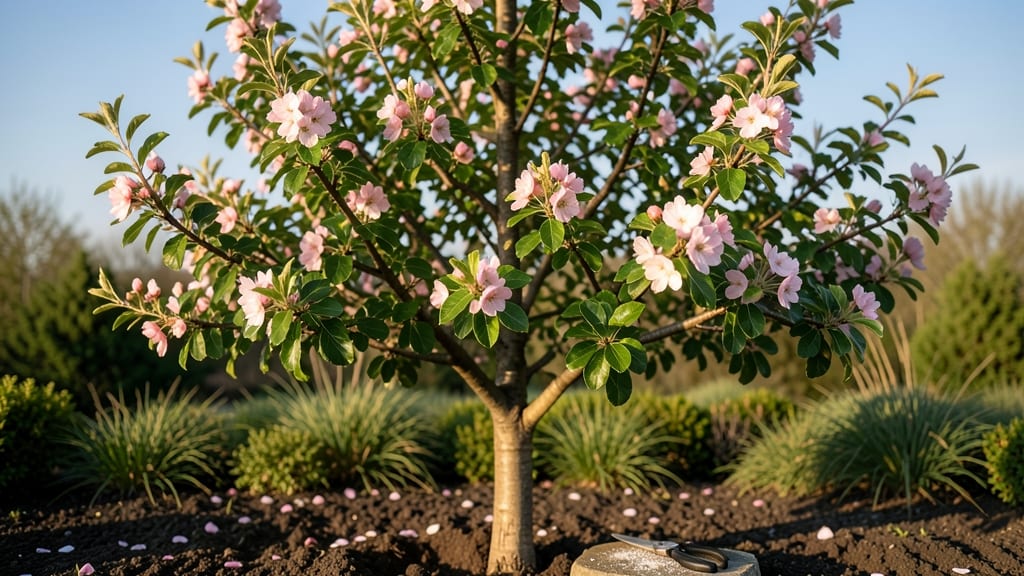
A flowering crab apple tree transforms your yard into a four-season spectacle with almost no effort. 🌸 I planted mine five years ago, and now it’s the centerpiece of my landscape—spring blooms, summer shade, autumn fruit, and winter structure, all while requiring just one serious pruning session every few years.
The secret lies in its hardiness: these trees thrive in average soil, handle drought once established, and resist pests better than most fruit trees. You’ll need a sunny spot with 6-8 feet of space for mature growth, but beyond that, they’re low-maintenance stars.
Even my black thumb keeps this one alive.
By summer’s end, you’ll be harvesting tiny apples for jellies or bird feed, while the foliage turns golden in fall. The blooms alone make it worth the space, but the year-round interest is what keeps neighbors stopping by for photos. Let’s get yours growing strong.
Whether you’re a beginner or just short on time, this tree delivers beauty with minimal fuss. The key is planting it right and pruning smartly—both of which I’ll walk you through step by step. No green thumb required, just good soil and a little patience.
📚 In This Guide
- What you need
- Instructions
- Tips and common mistakes
- Wrapping up and next steps
What you need
- ● Flowering crab apple tree (choose a healthy, disease-resistant variety like Malus floribunda or Malus 'Royal Beauty')
- ● Shovel or digging spade (for planting—preferably a 5-gallon capacity)
- ● Pruning shears (sharp, bypass-style, 7–9 inches long)
- ● Loppers (for thicker branches, 20–24 inches)
- ● Gloves (gardening gloves with cut-resistant palms)
- ● Mulch (organic, like wood chips or straw, 2–3 inches thick)
- ● Watering can or hose (with a gentle spray nozzle)
- ○ Pruning sealer (optional but helpful for large cuts, latex-based)
- ● Hand pruner (for small branches, ergonomic grip)
- ● Saw (for thick branches over 2 inches)
- ● Tree staking kit (if planting a young tree in windy areas)
- ● Soil pH tester (to ensure slightly acidic to neutral soil (pH 6.0–7.0))
- ● Fertilizer (balanced, 10-10-10 NPK, for new plantings)
- ● Tree tie wraps (for securing branches during pruning)
How to plant and care for a flowering crab apple tree
This low-maintenance tree brings spring blooms, summer shade, and fall color with just a few key steps.
🌱 Step 1: Choose the Perfect Planting Spot
Flowering crab apple trees thrive in full sun to partial shade, with at least 6 hours of direct sunlight daily. I always look for a location with room to grow—these trees mature at 20-30 feet wide, so avoid planting near sidewalks or driveways. The soil should drain well; if yours is heavy clay, amend with 2-3 inches of compost before planting.
Dig a hole twice as wide as the root ball but only as deep. This encourages outward root growth instead of burying the trunk too deep, which can cause rot. Loosen the roots gently if they're circling the root ball—you'll see them spread naturally once planted. The top of the root ball should sit 1-2 inches above ground level.
💧 Step 2: Plant and Water Thoroughly
Place the tree in the hole and backfill with native soil, tamping lightly every 4-6 inches to remove air pockets. Water deeply as you go to settle the soil around the roots. I always create a 4-inch-high berm around the base to hold water for the first few weeks.
After planting, water 10-15 gallons immediately to help roots establish. The soil should stay moist but not soggy—you'll know it's right when water drains through within 30 minutes. Mulch with 2-3 inches of organic mulch (like wood chips) over the root zone, keeping it 6 inches away from the trunk to prevent rot.
☀️ Step 3: Prune for Shape and Health
Prune in late winter or early spring before new growth begins. Remove any dead, diseased, or crossing branches first—these are your priority. I look for branches that rub against each other or grow inward; these compete for space and often cause weak spots. Use clean, sharp pruners to make cuts just outside the branch collar.
For shaping, I focus on opening the center of the tree to allow light and air circulation. Thin out 20-25% of the canopy by removing branches that grow straight up or downward. This encourages a balanced, natural shape. Avoid heavy pruning—never remove more than 25% of the canopy in one season.
⏰ Step 4: Maintain Year-Round with Minimal Effort
Water deeply once a week during the first growing season, then reduce to every 2-3 weeks once established. Mature trees are drought-tolerant but produce better blooms with consistent moisture. You'll know it's time to water when the top 6 inches of soil feel dry.
Apply a 2-3 inch layer of mulch annually in early spring to retain moisture and suppress weeds. Fertilize lightly in early spring with a 10-10-10 balanced fertilizer, using ½ pound per inch of trunk diameter. Avoid over-fertilizing—too much nitrogen reduces flowering and attracts pests.
Tips & tricks for perfect flowering crab apple tree care
These simple strategies will help you keep your flowering crab apple tree thriving with minimal effort.
Sunlight Strategy: While your tree needs those 6 hours of sunlight daily, morning sun is ideal—it dries dew quickly and prevents fungal issues. If you're planting in partial shade, choose the sunniest spot available. I've seen trees with afternoon shade still produce beautiful blooms, but they may need slightly more frequent watering.
Planting Depth Secret: That 1-2 inch above-ground rule for the root ball is crucial—it prevents water from pooling around the trunk and causing rot. If you're unsure, use a small stake to mark where the root flare (where roots meet trunk) should sit at ground level before planting. This visual guide makes all the difference.
Watering Wisdom: The 10-15 gallons initial watering might seem like a lot, but it's essential for root establishment. I like to water slowly over 30 minutes to let the soil absorb properly. For the 4-inch-high berm, use a shovel to create a slight lip around the base—this simple trick keeps water where it needs to go during those first critical weeks.
Pruning Precision: When thinning that 20-25% of the canopy, look for branches that grow straight up or downward—they're the ones competing with others for sunlight. I always make my cuts just outside the branch collar (that swollen area where the branch meets the trunk) to promote faster healing and prevent disease entry points.
Pro Tips for Flowering Crab Apple Tree
- These simple strategies will help you keep your flowering crab apple tree thriving with minimal effort.
- Sunlight Strategy: While your tree needs those 6 hours of sunlight daily, morning sun is ideal—it dries dew quickly a...
- Planting Depth Secret: That 1-2 inch above-ground rule for the root ball is crucial—it prevents water from pooling ar...
Frequently asked questions
Got questions about your flowering crab apple tree?
You’re not alone! Below are some of the most common concerns—plus straightforward answers to keep your tree thriving with ease.
How often should I prune a flowering crab apple tree?
A flowering crab apple tree is low-maintenance, but pruning just once a year (late winter or early spring, before buds swell) is ideal. Focus on removing dead, diseased, or crossing branches to encourage airflow and blooms. Avoid heavy pruning—these trees handle light shaping better than aggressive cuts.
Can flowering crab apple trees survive harsh winters?
Most varieties are highly cold-hardy (USDA Zones 3–8), but young trees benefit from winter mulch (2–3 inches of wood chips) to protect roots. Avoid pruning in late fall—wait until dormancy ends in spring to prevent frost damage to fresh cuts.
Do flowering crab apples produce edible fruit?
While the fruit is technically edible, it’s small, tart, and often bitter—more for wildlife than humans! Some gardeners use them in jams or fermented drinks, but most plant these trees for their stunning spring blooms and ornamental value.
Why aren’t my flowering crab apples blooming as much as they used to?
Bloom reduction often signals over-pruning, stress, or poor nutrition. Check for:
- Pruning habits: Avoid cutting back more than 25% of the canopy in one year.
- Soil health: Test for pH (ideal: 6.0–7.0) and amend with compost if needed.
- Watering: Deep water during droughts (1–2 inches per week).
What’s a good alternative if I want less mess from fruit?
If you love the blooms but hate the fruit cleanup, consider these low-fruit varieties:
- ‘Royal Raindrops’ – Tiny, nearly invisible fruit; prolific spring blooms.
- ‘Adirondack’ – Disease-resistant with minimal fruit drop.
- ‘Dolgo’ – Compact size, fragrant flowers, and sparse fruit.
Wrapping up and next steps
The flowering crab apple tree is a dream for gardeners who crave beauty with minimal fuss—its stunning blooms, year-round interest, and low-maintenance pruning needs make it a standout choice.
Whether you’re a novice or a seasoned gardener, this tree offers effortless elegance while requiring just a few simple steps to keep it thriving.
Ready to transform your yard? Take the next step: sketch a planting spot in full sun, gather your tools, and schedule a light pruning session this spring. With a little care, your flowering crab apple will reward you with decades of dazzling color and charm! 🌸✨