
Flowers
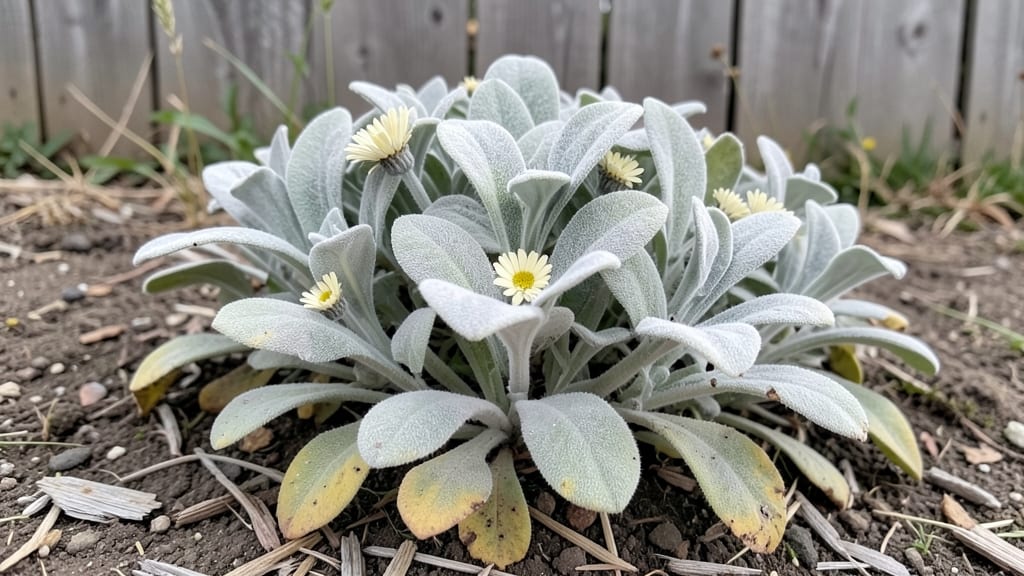
The Dusty Miller flower thrives in the Pacific Northwest’s chilly mornings and damp afternoons—its silvery foliage stays crisp even after frost. I’ve grown it for years in my Seattle garden, and it’s become my go-to for adding texture without fuss.
The secret lies in its adaptability: it handles partial shade, poor soil, and even coastal winds better than many perennials.
This drought-tolerant plant needs well-draining soil and morning sun to keep its iconic fuzzy leaves looking fresh. Water it once a week in summer, but let the soil dry between waterings—overwatering is its only real enemy.
Prune back leggy stems in early spring, and you’ll get bushier growth all season. It’s perfect for borders, containers, or even as a striking contrast to dark foliage.
What you’ll love most is how low-maintenance it is—no deadheading, no fussing over pests, and it rarely gets diseases. The silver leaves stay vibrant even in winter, making it a year-round star. Plus, it pairs beautifully with purple blooms like salvia or blue flowers like catmint for a striking contrast.
Whether you’re planting in a raised bed, container, or directly in the ground, Dusty Miller adapts easily. It’s the kind of plant that makes gardening feel effortless—just plant it, admire it, and let it do its thing. Ready to add some silvery magic to your garden?
📚 In This Guide
- What you need
- Instructions
- Tips and common mistakes
- Wrapping up and next steps
What you need
- ● Dusty Miller Plants: 3–5 nursery-grown plants (e.g., Jacobaea maritima or Senecio cineraria)
- ● OR 1–2 packs of seeds (if starting from scratch)
- ● Soil: Well-draining potting mix (1–2 bags, ~12–18 qt each)
- ○ Optional: Perlite or coarse sand (1–2 cups) for aeration
- ● Containers or Garden Space: For containers: 12–16" pots (1 per plant) with drainage holes
- ● For in-ground: Full sun to partial shade spot (6+ hours of light)
- ● Watering Tools: Watering can or hose with a gentle spray nozzle
- ○ Moisture meter (optional but helpful for PNW’s unpredictable rain)
- ● Fertilizer: Balanced, slow-release fertilizer (e.g., 10-10-10, 1 tbsp per plant)
- ● Garden Tools: Trowel or small shovel
- ● Pruning shears (for shaping or propagation)
- ● Gloves (to protect from dusty foliage)
- ● Seasonal Prep (PNW-Specific): Frost cloth (lightweight, for early/late seasons)
- ● Mulch (2–3 inches of shredded bark or straw to retain moisture)
- ● Epsom salt (1 tsp per gallon of water for magnesium boost)
- ● Compost tea (for nutrient-rich soil)
- ● Decorative rocks or pebbles (to enhance silver foliage contrast)
- ● Stakes or cages (if growing tall varieties like ‘Silver Dust’)
Step-by-Step instructions for growing Dusty Miller in the Pacific Northwest
This hardy perennial thrives in our cool, damp climate—here’s how to coax its silvery foliage into your garden.
Choose the Right Location and Prepare the Soil
Dusty Miller (Artemisia stolonifera) loves full sun but tolerates partial shade, making it perfect for Pacific Northwest gardens where direct sunlight can be limited. Pick a spot that gets at least 4-6 hours of sunlight daily, ideally with morning sun and afternoon shade to prevent leaf scorch. If your garden is shady, select a variety like 'Silver Queen'—it handles lower light better than others.
This plant prefers well-draining soil with a slightly alkaline pH (around 6.5-7.5). If your garden soil is heavy clay or acidic, mix in 2-3 inches of compost and a handful of garden lime to improve drainage and pH. Work the amendments into the top 6-8 inches of soil to create a loose, airy root zone. Dusty Miller won’t thrive in soggy soil, so avoid low-lying areas where water pools after rain.
Plant Dusty Miller at the Right Time and Depth
Spring is the best time to plant Dusty Miller in the Pacific Northwest, after the last frost date in your area (typically mid-April to early May). If you’re transplanting a nursery-grown plant, dig a hole twice as wide as the root ball but only as deep as the container. This prevents burying the crown too deeply, which can cause rot. Gently loosen the roots if they’re circling tightly in the container.
Place the plant in the hole and backfill with soil, pressing lightly to remove air pockets. Water deeply to settle the soil around the roots, then add a 1-inch layer of mulch (like shredded bark or straw) to retain moisture and suppress weeds. Space plants 12-18 inches apart to allow for their spreading habit. If you’re planting from seed, sow in early spring or late summer, as Dusty Miller germinates slowly in cool soil.
Water and Maintain for Healthy Growth
Water Dusty Miller deeply once a week during the first growing season to encourage strong root development. After establishment, it’s drought-tolerant and only needs watering when the top 2 inches of soil feel dry. Overwatering is the biggest mistake—this plant hates soggy roots. In the Pacific Northwest’s rainy climate, ensure containers have drainage holes and raised beds don’t hold excess moisture.
Fertilize lightly in early spring with a balanced, slow-release fertilizer (like 10-10-10) to promote lush foliage. Avoid high-nitrogen fertilizers, which can make the leaves too soft and less silvery. Prune back leggy stems in late winter or early spring to encourage bushier growth. Dusty Miller spreads via stolons, so you can divide mature plants in early spring or fall to share with neighbors or expand your garden.
Protect from Frost and Pests
One of Dusty Miller’s biggest advantages is its frost resistance—it survives temperatures down to 10°F without issue. However, in the Pacific Northwest’s wet winters, watch for gray mold (Botrytis) if foliage stays damp for long periods. Improve airflow by spacing plants properly and avoid overhead watering. If you notice fuzzy gray spots on leaves, remove affected foliage immediately and treat with a copper fungicide if needed.
Spider mites and aphids occasionally bother Dusty Miller, especially in dry summers. Spray plants with a strong stream of water to dislodge pests, or use neem oil as a preventive spray every 2-3 weeks during growing season. The silvery leaves naturally repel many insects, so healthy plants rarely have serious issues. In containers, check drainage regularly—root rot from poor drainage is the most common problem in our rainy climate.
Tips & tricks for perfect Dusty Miller flower care
Avoid these common pitfalls to ensure your Dusty Miller thrives in the Pacific Northwest's challenging climate.
Sunlight Strategy: While Dusty Miller tolerates partial shade, the 4-6 hours of sunlight specified in Step 1 are crucial for that signature silvery foliage. In shadier spots, the leaves may lose their striking color. If you're planting in a low-light area, choose the 'Silver Queen' variety specifically bred for better shade tolerance.
Soil Science: The slightly alkaline pH range of 6.5-7.5 mentioned in Step 1 is non-negotiable for this plant. If your soil test shows lower pH, don't just add lime—mix in the recommended 2-3 inches of compost first to improve soil structure, then add lime. This two-step approach prevents nutrient lockout that can occur when amending soil too aggressively.
Planting Depth Secret: When transplanting, that container depth reference in Step 2 is critical. The crown should sit just at soil level—never buried. I've seen gardeners bury the crown by 1-2 inches, which leads to rot and stunted growth. Press soil firmly around the roots but avoid compacting it too much to maintain that airy root zone.
Watering Wisdom: The once-weekly watering guideline in Step 3 is perfect for our rainy climate, but timing matters. Water in the morning so foliage has time to dry before evening. Wet leaves overnight create perfect conditions for gray mold (Botrytis), which we want to avoid according to Step 4. If your garden gets heavy rainfall, consider adding extra mulch around the base to protect from soil splash.
Pro Tips for Dusty Miller Flower
- Avoid these common pitfalls to ensure your Dusty Miller thrives in the Pacific Northwest's challenging climate.
- Sunlight Strategy: While Dusty Miller tolerates partial shade, the 4-6 hours of sunlight specified in Step 1 are crucial for that signature silvery foliage.
- Soil Science: The slightly alkaline pH range of 6.5-7.5 mentioned in Step 1 is non-negotiable for this plant.
Frequently asked questions
about the dusty miller flower—because even the most elegant plants come with a few curious quirks! Here are answers to the questions gardeners in the Pacific Northwest (and beyond) ask most often.Is dusty miller frost-hardy, and how does it handle PNW winters?
The dusty miller (Silene gracilis or Cotula spp.) is famously frost-resistant, thriving in USDA Zones 3-9. In the PNW, it often survives winter as a hardy perennial, though some varieties (like Jacobaea maritima) may die back but regrow in spring. Pro tip: Mulch lightly in late fall to protect roots from extreme cold snaps!
When is the best time to plant dusty miller in the Pacific Northwest?
For established plants, spring (March–May) or early fall (September–October) are ideal—giving roots time to settle before winter or summer heat. Seeds should be sown in late spring after the last frost, as they need warmth to germinate. Avoid planting in scorching summer months; the PNW’s humidity can cause seed rot.
Why are my dusty miller leaves turning yellow or brown?
Yellowing leaves often signal overwatering or poor drainage—dusty miller prefers dry soil! Brown, crispy edges? That’s likely underwatering or heat stress. Check for pests like aphids (they adore the fuzzy foliage) or fungal spots if leaves look splotchy. Fix it: Adjust watering, improve airflow, and trim affected leaves.
Can I grow dusty miller in containers, and what’s the best soil mix?
Dusty miller thrives in well-draining containers with a mix of potting soil, perlite, and sand (or coco coir for a lighter blend). Use pots with drainage holes and avoid soggy soil—root rot is a sneaky killer. Bonus: Pair it with succulents or lavender for a drought-tolerant PNW container garden!
What are some low-maintenance alternatives to dusty miller for PNW gardens?
If you love the silvery foliage but want variety, try:
- Lamb’s ear (Stachys byzantina) – Soft, fuzzy leaves; thrives in shade.
- Artemisia (‘Powis Castle’) – Drought-tolerant and deer-resistant.
- Ice plant (Delosperma spp.) – Succulent-like, handles heat and cold.
- Russian sage (Perovskia atriplicifolia) – Silvery-blue stems, zero fuss.
Wrapping up and next steps
The dusty miller flower is a frost-resistant gem that brings effortless charm to the Pacific Northwest’s gardens—whether you’re a seasoned gardener or just starting out! 🌿 With its silvery foliage and low-maintenance care, it’s the perfect way to add texture and elegance without the fuss.
Ready to transform your outdoor space?
Your next step? Grab those seeds or seedlings and get planting! Pro tip: Pair dusty miller with bold blooms like purple coneflowers or deep red salvias for a showstopping contrast. Happy gardening—your garden will thank you!