
Flowers
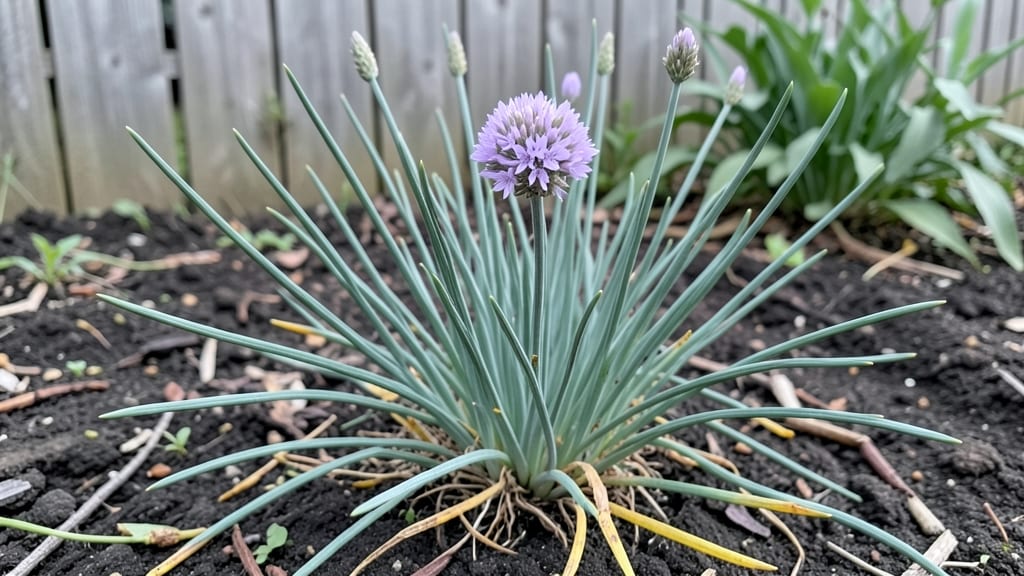
Drying chive flowers preserves their delicate onion-like aroma and turns them into a versatile garnish for soups, salads, and cocktails. I’ve dried chives for years, and the process is simpler than most gardeners think—just harvest at the right time and let nature do the rest.
The key is patience; proper drying keeps the flavor vibrant for months.
You’ll need fresh chive flowers in full bloom, a clean drying surface, and a dark, well-ventilated space. A dehydrator speeds up the process to 6-8 hours, while air-drying on paper towels takes 1-2 weeks.
The goal is to remove moisture without losing the signature chive scent—too much heat or humidity ruins the flavor.
Once dried, these flowers add a subtle, savory punch to dishes, far surpassing the taste of dried chives alone. Store them in an airtight container away from light to preserve their onion-garlic zing for up to a year.
They’re perfect for garnishing creamy dishes, infusing oils, or even crafting floral teas.
For ornamental use, dried chive flowers also make charming potpourri or wreaths. Just avoid crushing the petals—gentle handling keeps their color and fragrance intact. Whether for the kitchen or the garden, this method transforms a simple herb into something extraordinary.
📚 In This Guide
- What you need
- Instructions
- Tips and common mistakes
- Wrapping up and next steps
What you need
- ● Fresh chive flowers: Harvest 1–2 cups of fully bloomed chive flowers (about 20–30 stems). Choose flowers that are bright purple or pink and free of wilting or pests.
- ● Clean, food-safe drying surface: Option 1: A wire cooling rack (preferred for airflow).
- ● Option 2: A baking sheet lined with parchment paper (if drying in a warm, dry space).
- ● Small mesh bags or paper envelopes: 2–4 (for storage—ensure they’re breathable to prevent moisture buildup).
- ● Scissors or pruning shears: For cleanly snipping flower clusters from stems.
- ● Dry, well-ventilated space: A cool, dark area (like a pantry or closet) with low humidity (ideal: 60–70°F). Avoid direct sunlight or heat sources.
- ○ Optional but helpful: A dehydrator (set to 95–115°F) for faster drying (2–4 hours vs. 1–2 weeks air-drying).
- ● Silica gel packets (if storing long-term to absorb moisture).
- ● A fine-mesh sieve for gently separating petals from stems post-drying.
Step-by-Step guide to harvesting and drying chive flowers
Transforming chive blossoms into fragrant, edible garnishes is simpler than you think.
Identify and Harvest Flowers at Peak Freshness
Wait until chive flowers fully open—look for pale purple or white blooms with fully extended petals. Harvest on a dry morning after dew has evaporated, as moisture slows drying time. Use clean, sharp scissors or pruning shears to snip clusters just above a leaf node to encourage bushier growth.
Cut 3-4 inch stems with at least three flower buds per cluster. Avoid harvesting from plants treated with pesticides, as chemical residues can linger in delicate petals. Place harvested flowers immediately in a paper bag (not plastic) to prevent moisture buildup, which causes mold during drying.
Prepare Flowers for Drying
Remove any damaged or wilted petals and separate clusters into single-stem bundles. Tie each bundle with twine or rubber bands at the base, leaving 1 inch of stem exposed above the tie. This creates an air gap that promotes even drying.
Hang bundles upside down in a dry, well-ventilated area with indirect sunlight—a pantry, closet, or basement works well. Avoid direct sunlight, which can bleach petals and degrade flavor. The goal is slow, even drying over 7-10 days, depending on humidity levels.
Monitor and Complete the Drying Process
Check bundles every 2-3 days to ensure petals remain crisp and stems stay dry. If you notice dark spots or stickiness, increase airflow immediately—this signals mold or excessive moisture. Once petals are completely dry and brittle to the touch, they’re ready for storage.
To test readiness, gently rub a petal between your fingers. If it crumbles easily without leaving residue, drying is complete. Store dried flowers in airtight glass jars away from direct light, where they’ll retain flavor for up to 6 months. For longer storage, freeze dried petals in ice cube trays with water for easy garnishing later.
Store and Use Dried Chive Flowers
Label jars with the date and variety to track freshness. Dried chive flowers lose potency over time, so use them within 6 months for the best onion-like zing. Sprinkle sparingly over soups, salads, or roasted dishes—just 1-2 petals per serving enhances flavor without overpowering.
For a quick flavor boost, crush dried petals between your fingers and mix into butter, oils, or vinegar for infused seasoning. Avoid grinding into powders, as this releases bitterness. Rehydrate dried flowers in warm water for 10 minutes before using in teas or broths for a milder taste.
Tips & tricks for perfect dried chive flowers
Here's what I learned after perfecting this delicate process—details that make all the difference between good and truly stunning dried chive flowers.
Harvesting Precision: In Step 1, focus on those fully extended petals with no wilting—even slight imperfections can lead to uneven drying. I've found that harvesting in the early morning gives you the freshest, most vibrant flowers, and always use clean tools to prevent crushing the delicate stems. The 3-4 inch stems with three buds each create the perfect balance between yield and drying efficiency.
Bundle Construction: When creating your single-stem bundles in Step 2, make sure the twine or rubber band is snug but not crushing. That 1-inch exposed stem above the tie is crucial—it prevents moisture buildup at the bundle's base where stems meet. I've ruined batches by skipping this detail, leading to moldy stems that ruined the whole harvest.
Drying Environment: The 7-10 day drying window in Step 2 is flexible but critical—humidity is your biggest enemy. If your kitchen feels damp, consider using a small fan on low setting near the bundles to maintain airflow. I've seen drying times stretch to 14 days in humid conditions, but the flavor suffers when petals take too long to dry completely.
Storage Wisdom: For that 6-month shelf life mentioned in Step 3, use glass jars with airtight lids and store them in a cool, dark pantry. The key is minimizing light exposure, which degrades the delicate onion-like flavor. I've found that adding a small packet of silica gel to the jar extends freshness even further without affecting the petals.
Pro Tips for Dried Chive Flowers
- Here's what I learned after perfecting this delicate process—details that make all the difference between good and truly stunning dried chive flowers.
- Harvesting Precision: In Step 1, focus on those fully extended petals with no wilting—even slight imperfections can lead to uneven drying.
- Bundle Construction: When creating your single-stem bundles in Step 2, make sure the twine or rubber band is snug but not crushing.
Frequently asked questions
about dried chive flowers—because your culinary adventures deserve clarity!Can I substitute dried chive flowers for fresh chives in recipes?
Dried chive flowers have a milder onion-garlic flavor than fresh chives, so use them sparingly—about 1 teaspoon dried = 1 tablespoon fresh. They’re perfect for garnishes, soups, or dried herb blends where texture matters more than intensity.
How long do dried chive flowers last?
When stored in an airtight container away from light/moisture, dried chive flowers stay fresh for 6–12 months. Check for potency by crushing a pinch—if it smells faint, it’s time to refresh your stash!
Why do my dried chive flowers taste bitter?
Bitter flavors often mean overdrying or old age. Try these fixes:
- Soak in warm water for 5 minutes before using to mellow flavors.
- Use younger flowers (harvest before blooms fully open).
- Pair with sweet or fatty ingredients (honey, butter) to balance bitterness.
Are dried chive flowers safe to eat raw?
Yes! They’re 100% edible raw and add a delicate crunch to salads, yogurt, or cocktails. Just avoid if you have allium allergies (like onion/garlic sensitivities). For extra safety, lightly toast them in a dry pan for 10 seconds to enhance flavor.
What’s the best way to store dried chive flowers for long-term use?
Keep them in a cool, dark place (like a jar in your pantry) or freeze them in ice cube trays with oil for up to 2 years. For maximum freshness, store with a silica gel packet to absorb moisture.
Pro Tip:
Need a flavor boost? Crush dried chive flowers between your fingers right before adding to dishes—their aroma intensifies instantly!
Wrapping up and next steps
Dried chive flowers are a delicious and versatile way to elevate your dishes with a subtle onion-like zing! Whether you’re a seasoned chef or a home cook looking to experiment, these edible blooms add flavor and beauty to salads, soups, and garnishes.
Now that you know how to harvest, dry, and use them, why not start small—try sprinkling them over your next meal and let your taste buds guide you? 🌸
Ready to level up your culinary game? Next, explore other edible flower recipes or experiment with drying herbs for a full pantry of homemade garnishes! 🌱