Flowers
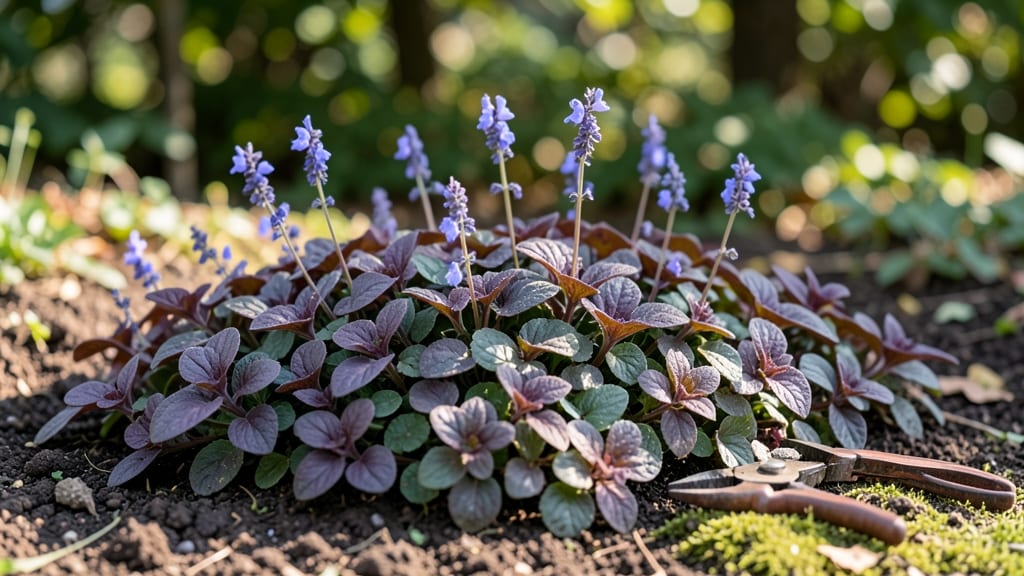
Creeping purple flowers transform any garden into a hummingbird magnet with their fragrant, long-lasting blooms. 🌿 I discovered these plants after struggling to keep my borders vibrant—until I swapped high-maintenance annuals for hardy perennials like Ajuga reptans and creeping phlox.
Their deep violet hues spread effortlessly, suppressing weeds while attracting pollinators all season.
The beauty of these plants lies in their versatility: use them as ground cover under trees, spill them over container edges, or weave them into rock gardens. Ajuga’s glossy leaves add texture, while creeping phlox delivers waves of color from early spring to summer.
Both thrive in partial shade, making them perfect for tricky spots where other plants fail.
You’ll end up with a garden that stays lush without constant upkeep, blooms that perfume the air, and a haven for hummingbirds. Pair them with silver foliage plants like lamb’s ear for contrast, or let them mingle with hostas for a woodland feel.
The results? A low-maintenance, high-impact display that keeps giving year after year.
Works in zones 3-9, from sun-drenched borders to shady woodland edges. Here’s how to integrate them seamlessly into your design—no green thumb required.
📚 In This Guide
- What you need
- Instructions
- Tips and common mistakes
- Wrapping up and next steps
What you need
- ● Creeping Purple Flowers: 1–3 plants or 50–100 seeds (e.g., Tradescantia pallida, Ajuga reptans, or Lobelia erinus varieties)
- ● Organic potting mix (2–3 cubic feet) or garden soil amended with compost
- ● Containers or Garden Space: Hanging baskets (10–12 inches wide) or window boxes (for trailing varieties)
- ● Garden beds (6–12 inches wide) with well-draining soil (for ground cover)
- ● Fertilizer: Balanced liquid fertilizer (10-10-10 or 20-20-20) (1 gallon)
- ○ Slow-release granular fertilizer (optional) (e.g., 10-10-10, 1 lb per 10 sq ft)
- ● Gloves (1 pair, for handling soil and plants)
- ● Trowel or small shovel (for planting seeds or cuttings)
- ● Watering can or hose with a gentle spray nozzle
- ● Pruning shears (for trimming and shaping)
- ○ Mulch (optional) (e.g., shredded bark or straw, 1–2 inches thick)
- ○ pH testing kit (optional) (to check soil acidity, ideal range: 6.0–7.0)
- ● Sunlight: Partial to full sun (4–6 hours of direct sunlight daily)
- ● Watering schedule: Keep soil consistently moist (not soggy) until established, then water 1–2 times per week
- ● Climate: Hardy in USDA Zones 3–11 (adjust care for extreme heat/cold)
- ● Hummingbird-friendly: Plant near native pollinator plants (e.g., bee balm, salvia) to attract hummingbirds year-round!
Step-by-Step guide to creating a hummingbird haven with creeping purple flowers
Here's how to design a vibrant, low-maintenance border that attracts hummingbirds while filling your garden with fragrant, long-lasting blooms.
🌱 Step 1: Select and Prepare the Right Creeping Purple Varieties
Choose creeping phlox (Phlox subulata) or creeping thyme (Thymus serpyllum) for their purple blooms and hummingbird appeal. Both thrive in full sun to partial shade and prefer well-draining soil. I always opt for native varieties—they support local pollinators best and require less water once established.
Start with 4-6 plants per 4-foot section to ensure full coverage within the first growing season. Space them 12-18 inches apart to allow room for spreading. If using thyme, mix in 1-2 creeping sedum (Sedum spp.) for texture contrast—their silver foliage complements the purple blooms beautifully.
☀️ Step 2: Design for Sun and Hummingbird Traffic Patterns
Position your creeping flowers where they’ll receive at least 6 hours of direct sunlight daily. Hummingbirds prefer morning sun, so a south- or east-facing border works best. I like to plant them near existing feeders or flowering shrubs—this creates a "highway" of nectar sources that hummingbirds will follow.
Add vertical elements like small trees or trellises nearby. Hummingbirds use these as perches while scanning for flowers. A small water feature (even a shallow dish) placed within 10 feet of the bed encourages them to linger. Watch for the first hummingbird visits—you’ll see them within 2-3 weeks of planting.
💧 Step 3: Plant and Mulch for Moisture Retention
Dig holes twice as wide as the root ball but no deeper. Gently loosen the roots if they’re circling—they’ll establish better in loose soil. Place each plant so the top of the root ball sits level with the soil surface. Press the soil firmly around the roots to eliminate air pockets, then water deeply to settle everything.
Apply 2-3 inches of organic mulch (like shredded bark or pine needles) to suppress weeds and retain moisture. Keep the mulch 2 inches away from plant stems to prevent rot. Water deeply once a week during the first growing season, aiming for 1 inch of water per week. You’ll know it’s enough when the soil feels damp 2 inches below the surface.
✂️ Step 4: Prune and Maintain for Continuous Blooms
After the first flush of blooms fades (usually 6-8 weeks after planting), trim back one-third of the foliage to encourage a second round of flowers. Use clean, sharp shears and cut just above a set of leaves. This prevents leggy growth and keeps the plants compact. I always prune in late spring—just as new growth begins.
Fertilize lightly in early spring with a balanced, slow-release fertilizer (10-10-10). Over-fertilizing leads to lush foliage but fewer blooms—hummingbirds care more about flowers than leaves! Deadhead spent blooms throughout the season to prolong flowering. By mid-summer, your border should be a buzzing, fragrant magnet for hummingbirds.
🪴 Step 5: Extend the Season with Companion Plants
To keep the hummingbird haven active from spring to fall, layer in seasonal companions. Plant salvia (Salvia nemorosa) for late-summer blooms or bee balm (Monarda) for mid-summer nectar. Both thrive in similar conditions and attract the same pollinators. I also add creeping jenny (Lysimachia nummularia) for ground cover in shadier spots—its golden foliage contrasts beautifully with the purple flowers.
By early autumn, your creeping purple flowers will still be blooming if you’ve kept them well-watered. Once frost arrives, cut back the foliage to 2 inches tall and add a thick layer of mulch (4-6 inches) to protect roots over winter. In early spring, remove the mulch and trim back any dead growth—new blooms will appear within 4-6 weeks.
Tips & tricks for perfect creeping purple flower borders
Creating a hummingbird haven with creeping purple flowers is easier when you know these pro gardening secrets.
Sunlight Strategy: While the instructions mention 6 hours of direct sunlight, I've found that morning sun (east-facing) is even better for creeping phlox. Position your border to catch those first warm rays—this triggers earlier blooming and keeps flowers vibrant longer. For creeping thyme, you can tolerate slightly more shade (4-5 hours), but the flowers will be less abundant.
Planting Depth Matters: In Step 3, when planting, make sure the root ball sits just below soil level—not too deep, not too high. I've seen many gardeners bury the top too much, which causes rot, or leave it exposed, leading to drying. The top should be level with the surrounding soil for perfect establishment.
Mulching Upgrade: The 2-3 inches of mulch mentioned is great, but I like to add a layer of gravel or small rocks around the base of creeping thyme plants. This helps prevent soil-borne diseases that can affect thyme while still allowing moisture retention. For phlox, stick with organic mulch to keep the soil cool.
Seasonal Pruning Calendar: Beyond the late spring pruning mentioned, I mark my calendar for a second light trim in early autumn after the final blooms fade. This keeps plants tidy over winter and encourages earlier spring growth. Just be gentle—don't cut into old wood.
Pro Tips for Creeping Purple Flowers
- Creating a hummingbird haven with creeping purple flowers is easier when you know these pro gardening secrets.
- Sunlight Strategy: While the instructions mention 6 hours of direct sunlight, I've found that morning sun (east-facin...
- Planting Depth Matters: In Step 3, when planting, make sure the root ball sits just below soil level—not too deep, no...
Frequently asked questions
How do I keep creeping purple flowers from spreading too aggressively?
These beauties are low-maintenance but can spread! To control their growth, plant them in containers or raised beds with edging. Trim back overgrowth in early spring or after blooming to keep them tidy. Pro tip: Mulching around the base also slows their spread while protecting roots.
When is the best time to plant creeping purple flowers for year-round blooms?
For continuous blooms, plant in early spring (after the last frost) or early fall (6-8 weeks before the first frost). In warmer climates, you can plant year-round, but avoid extreme heat or cold spells. Pro tip: If planting in summer, water deeply daily for the first 2 weeks to help roots establish.
Why aren’t hummingbirds visiting my creeping purple flowers?
Hummingbirds love these flowers, but a few factors might deter them: pesticides (use organic options), lack of nectar (deadhead spent blooms), or no water source nearby. Add a shallow birdbath or dripper to attract them. Pro tip: Plant near other hummingbird favorites like salvia or bee balm for a buffet effect!
Can I grow creeping purple flowers in containers, or do they need ground space?
These flowers thrive in containers as long as the pot is at least 12 inches wide and deep with drainage holes. Use a well-draining potting mix and place in full sun (6+ hours/day). Pro tip: Group 3-5 plants together in one container for a lush, cascading display.
What are some purple flower alternatives if creeping purple flowers don’t grow well in my climate?
If your zone isn’t ideal, try these hardy purple bloomers:
- Lantana – Drought-tolerant, attracts butterflies
- Petunia – Fast-growing, great for containers
- Salvia – Hummingbird magnet, low-maintenance
- Vinca – Evergreen, spreads easily in warm climates
Wrapping up and next steps
Transforming your garden into a vibrant hummingbird haven with creeping purple flowers is easier—and more rewarding—than you think! 🌸 Whether you’re drawn to their fragrant charm, long-lasting blooms, or the joy of attracting pollinators, these plants bring color and life to any space.
With the right mix of soil, sunlight, and care, you’ll soon enjoy a lush, buzzing oasis that thrives for seasons.
Ready to take the next step? Start small—plant a few creeping phlox or ajuga in a sunny patch this weekend, or expand your garden with a mix of trailing varieties. Watch as your hard work blooms into a stunning, low-maintenance masterpiece! 🌿