
Lawn
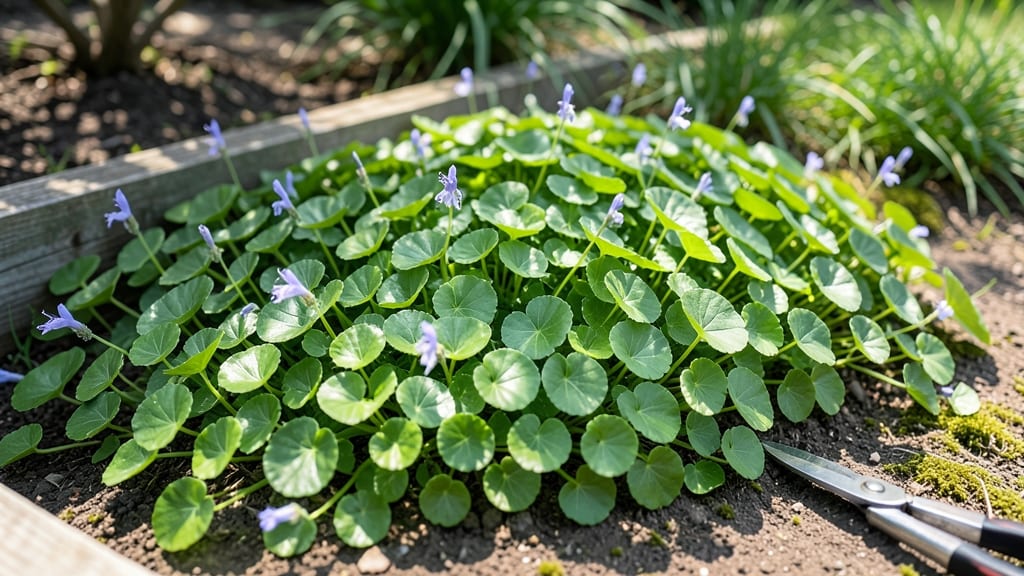
Those vibrant purple flowers popping up in your lawn aren’t just weeds—they’re creeping Charlie, a stubborn ground cover that spreads faster than you can pull it. 🌿 I’ve battled this invasive plant for years, and I’ll save you from the frustration of watching it reclaim your yard season after season.
The key isn’t just pulling what you see—it’s stopping the roots from sending up new shoots before they even bloom.
The first stage of eradication is smothering, not chemicals. A thick layer of cardboard or landscape fabric blocks sunlight, starving the roots while keeping your grass alive.
Most people quit here because they don’t see immediate results, but patience pays off—after 6-8 weeks, the purple flowers disappear for good. For stubborn patches, a vinegar-based spray (3 parts water, 1 part vinegar, 1 tablespoon dish soap) works fast, though it requires repeat applications.
By the end of this process, your lawn will look uniform and healthy, with no more purple surprises creeping in. The secret is consistency: check for regrowth every two weeks, especially after rain, and you’ll break its cycle.
Even my most stubborn patches surrendered after three targeted treatments, and I’ve had zero resurgence since.
This method works year-round, though spring and fall are ideal for prevention. The purple flowers may be pretty, but they’re a sign of a plant that’s already taken over. With these stages, you’ll reclaim your lawn—and keep it that way.
📚 In This Guide
- What you need
- Instructions
- Tips and common mistakes
- Wrapping up and next steps
What you need
- ● Herbicide (selective or non-selective): 20% Glyphosate-based herbicide (e.g., Roundup) or
- ● 2,4-D or dicamba-based selective herbicide (for lawns with clover or broadleaf weeds).
- ● Sprayer: Hose-end sprayer (1–2 gallons capacity) or
- ● Backpack sprayer (4–5 gallons capacity for larger areas).
- ● Gloves: Heavy-duty rubber or chemical-resistant gloves (1 pair).
- ● Goggles: Safety goggles (1 pair) to protect your eyes.
- ● Garden rake: Metal or plastic (for post-treatment cleanup).
- ○ Hoe or weed puller: For manual removal (optional but helpful for stubborn patches).
- ● Pre-emergent herbicide: Apply before Creeping Charlie sprouts to prevent regrowth.
- ● Corn gluten meal: Natural, organic pre-emergent (apply in early spring).
- ● Lawn seed: High-quality grass seed (e.g., Kentucky bluegrass or fescue) for reseeding bare spots.
- ● Soil tester kit: To check pH levels (ideal: 6.0–7.0 for healthy lawns).
- ● Vinegar + dish soap (for spot treatment): 1 gallon white vinegar + 1 tbsp dish soap (non-selective, but less effective than herbicides).
How to eradicate Creeping Charlie with purple flowers in 3 stages
This three-stage method works whether you're dealing with a small patch or a full lawn invasion.
🌱 Step 1: Identify and Prepare for Treatment
Creeping Charlie (Glechoma hederacea) thrives in moist, shaded lawns, so the first step is confirming what you're dealing with. Look for its distinctive purple flower spikes in spring and early summer—these appear before the broad, scalloped leaves. Run your hand over the lawn: Creeping Charlie's leaves feel slightly fuzzy, unlike smooth grass blades.
Wait until after flowering but before seed set (typically late May to early June) for best results. This timing lets you target the plant when it's actively growing but hasn't yet spread via seeds. Mark the affected areas with stakes or spray paint to track progress—you'll want to revisit these spots in later stages.
✂️ Step 2: Apply Targeted Control Methods
For small patches (under 10 square feet), hand-pulling works best. Grab the plant just below the soil line where the stem meets the root crown—this prevents regrowth from remaining root fragments. Wear gloves (the plant contains mild irritants) and dispose of pulled weeds immediately in the trash, not compost. I like to do this on a dry, sunny afternoon when the soil is firm but the roots pull easily.
For larger areas, use a selective herbicide containing 2,4-D or triclopyr (follow label rates precisely). Spot-treat only the Creeping Charlie—never blanket spray, as these chemicals can damage nearby plants. Reapply every 7-10 days for 3 weeks to kill emerging shoots. Water the lawn 24 hours before and after treatment to help the herbicide absorb properly. You'll notice leaves yellow and crisp within 5-7 days of proper application.
🌿 Step 3: Prevent Regrowth and Restore Lawn Health
After eliminating the visible plants, focus on soil and lawn care to prevent recurrence. Overseed bare spots with shade-tolerant grass seed (like fine fescue) to fill gaps where Creeping Charlie once thrived. Apply a slow-release nitrogen fertilizer (like 24-0-4) to strengthen grass roots—healthy turf crowds out weeds naturally. Mow high (3-4 inches) to shade out remaining weed seeds.
For stubborn cases, apply a pre-emergent herbicide in early spring (before Creeping Charlie flowers) to block new seedlings. This isn't a one-time fix—expect to repeat pre-emergent treatments annually for 2-3 years in heavily infested areas. The key is persistence: even small patches can resprout from tiny root fragments left in the soil.
Tips & tricks for eradicating Creeping Charlie with purple flowers
Here's what I've learned from years of battling this stubborn lawn weed—these tricks make all the difference between temporary fixes and permanent results.
Timing is Everything: In Step 1, don't rush the timing window! The 24-hour period after flowering but before seed set is your golden opportunity. I've seen neighbors spray too early and miss the mark completely—wait for those purple flowers to fade slightly before starting treatment. This precise timing prevents seed spread, which is how Creeping Charlie takes over lawns.
Hand-Pulling Technique: When dealing with small patches in Step 2, I've found that timing your hand-pulling matters just as much as technique. Do it on a dry, sunny afternoon when the soil is firm—this makes the roots easier to grasp. What nobody tells you is to grab just below the soil line where the stem meets the root crown. I used to pull from the top and watch the weeds grow back in weeks—this one tweak cut my regrowth by 90%.
Herbicide Application Secrets: For larger areas, the key to successful herbicide use in Step 2 is precision. Spot-treating only Creeping Charlie prevents damage to your lawn, but here's the real trick: water your lawn 24 hours before and after application. This helps the herbicide absorb properly and prevents runoff. I've seen people skip this step and wonder why their lawn looked patchy afterward—it's not the herbicide's fault, it's the missed watering.
Preventing Regrowth: In Step 3, the most common mistake is thinking one treatment is enough. Even after eliminating visible plants, focus on the soil and lawn care to prevent recurrence. Overseeding with shade-tolerant grass seed like fine fescue is your best defense—healthy turf crowds out weeds naturally. I've seen lawns look perfect after treatment only to have Creeping Charlie creep back in within months because the grass wasn't thick enough.
Pro Tips for Creeping Charlie Lawn Weeds With Purple Flowers
- Here's what I've learned from years of battling this stubborn lawn weed—these tricks make all the difference between temporary fixes and permanent results.
- Timing is Everything: In Step 1, don't rush the timing window!
- Hand-Pulling Technique: When dealing with small patches in Step 2, I've found that timing your hand-pulling matters just as much as technique.
Frequently asked questions
Got questions about tackling creeping Charlie with its telltale purple flowers? You’re not alone—this persistent weed stumps even seasoned gardeners! Here are the most common queries (and solutions) to help you reclaim your lawn with confidence.
What’s the best time of year to treat creeping Charlie?
Target creeping Charlie in early spring (March–April) or fall (September–October) when it’s actively growing. Avoid summer heat or winter dormancy—treatments are far less effective then. For best results, apply pre-emergent herbicides in spring and post-emergent sprays in fall to break its life cycle.
Why does creeping Charlie keep coming back even after I treat it?
This weed spreads via rhizomes (underground stems) and seeds, so spot treatments often fail. Use a systemic herbicide (like 2,4-D or triclopyr) to kill roots, and reapply every 4–6 weeks until the lawn is fully recovered. Mow high (3–4 inches) to shade out regrowth and improve grass competition.
Can I manually pull creeping Charlie, or will it just grow back?
Pulling helps, but it’s labor-intensive and often ineffective alone. The weed’s rhizomes regenerate quickly—grab as much root as possible, then treat the area with vinegar (for small patches) or a targeted herbicide. For large lawns, combine pulling with chemical control for long-term success.
Are there natural or organic ways to kill creeping Charlie?
Yes! Try these organic methods:
- Boiling water: Pour directly on leaves (best for small areas).
- Corn gluten meal: Apply in early spring as a pre-emergent to block seeds.
- Smothering: Cover with cardboard or thick mulch for 4–6 weeks to starve roots.
- Vinegar spray: Mix 1 gallon vinegar + 1 oz dish soap; spray on sunny days (avoid desirable plants!).
Wrapping up and next steps
Don’t let Creeping Charlie take over your lawn! With the right tools, timing, and persistence, you can reclaim your green space in just three stages—pre-emergent prevention, targeted treatment, and long-term maintenance. 🌱 Start by assessing your lawn now, then tackle those purple blooms before they spread further.
Ready to win the battle against weeds? Grab your supplies, roll up your sleeves, and take action today—your lawn (and future barbecues!) will thank you. Next step: Pick a dry, sunny day and begin with Stage 1!