Aphids
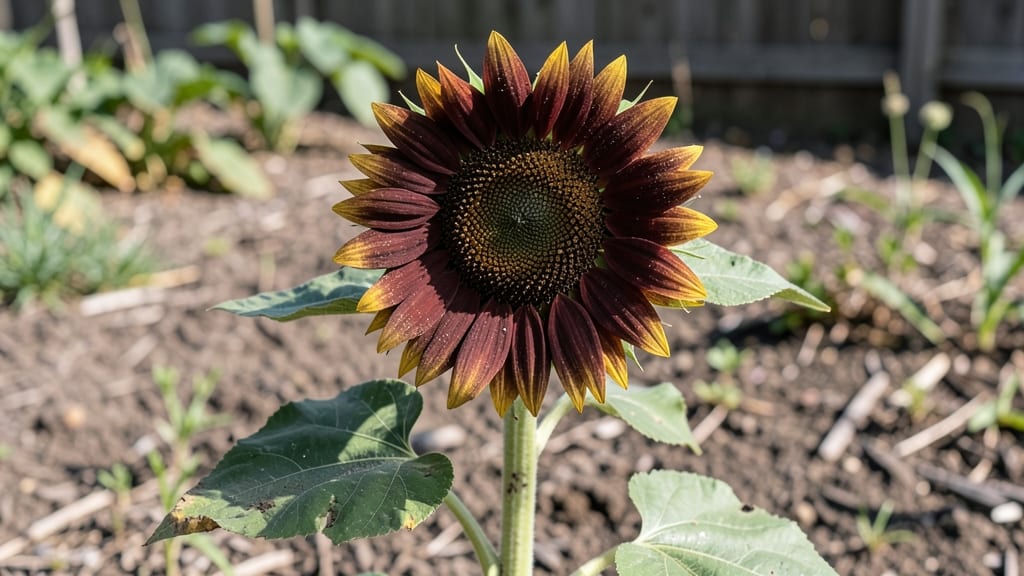
The cherry chocolate sunflower isn’t just a sunflower—it’s a garden showstopper with deep mahogany petals that fade to warm chocolate tones, creating a striking two-tone effect that draws the eye like nothing else. 🌻 I first spotted one in a neighbor’s border and fell in love with how it transformed a plain bed into a dramatic focal point.
This variety isn’t just beautiful; it’s also a natural aphid deterrent, making it a smart choice for vegetable gardens where pests are a problem.
What makes this sunflower truly special is its versatility in garden design. Plant it as a bold centerpiece in cottage-style gardens, where its rich hues contrast beautifully with white picket fences and pastel blooms. Or use it in themed gardens—its deep tones pair perfectly with burgundy and gold accents.
The blooms also hold their color well when cut, making them ideal for long-lasting arrangements that add warmth to fall weddings or harvest-themed decor.
Beyond its visual appeal, the cherry chocolate sunflower thrives in full sun and well-drained soil, just like other sunflowers, but its unique color makes it stand out in any setting.
Pair it with silver foliage plants like lamb’s ear or dusty miller to highlight its depth, or plant it near tomatoes and peppers to naturally repel aphids without chemicals. The blooms appear mid-to-late summer, just when many gardens need a splash of drama.
For gardeners looking to add a touch of sophistication with minimal effort, this variety delivers—both in beauty and function. Whether you’re designing a cutting garden, a pollinator-friendly border, or a simple container display, the cherry chocolate sunflower will elevate your space with its rich, velvety petals and effortless charm.
📚 In This Guide
- What you need
- Instructions
- Tips and common mistakes
- Wrapping up and next steps
What you need
- ● 1 cup dried cherry sunflower seeds (or 2 cups fresh, lightly roasted seeds)
- ● ½ cup dark chocolate chips (70% cocoa or higher for a richer flavor)
- ● 1 tbsp honey (or maple syrup for vegan option)
- ○ 1 tsp vanilla extract (optional, for extra aroma)
- ○ 1 tsp ground cinnamon (optional, enhances aphid-repelling properties)
- ● 1 tbsp water or coconut oil (to bind ingredients)
- ● Food processor or mortar and pestle (for crushing seeds)
- ● Medium mixing bowl
- ● Measuring cups and spoons
- ● Silicon spatula (for mixing)
- ● Parchment paper (for baking sheet lining)
- ● Baking sheet
- ● Small saucepan (if melting chocolate)
- ● Air-tight container (for storage)
- ● 1 tsp crushed red pepper flakes (boosts aphid-repelling power!)
- ● 1 tbsp sunflower petals (dried, for garnish and extra garden magic)
- ● Mini silicone molds (for cute treat shapes)
Step-by-Step guide to growing cherry chocolate sunflowers for aphid control
These striking sunflowers aren't just beautiful—they're nature's pest repellent. Here's how to cultivate them effectively.
🌱 Step 1: Select and Prepare the Planting Site
Choose a location with full sun exposure (6+ hours daily) and well-draining soil. Cherry Chocolate sunflowers thrive in areas with moderate fertility—too much nitrogen produces lush foliage but weak stems. I always test my soil pH first; these sunflowers prefer a slightly acidic to neutral range of 6.0-7.0.
Loosen the top 6 inches of soil with a garden fork to improve drainage. Mix in 2-3 inches of compost to provide organic matter without overwhelming the plants. The goal is loose, crumbly soil that holds moisture but doesn't stay soggy—sunflowers hate wet feet.
🌱 Step 2: Plant Seeds at Proper Depth and Spacing
Plant seeds ½ inch deep and 12-18 inches apart in rows spaced 2 feet apart. I like to plant 3-4 seeds per hole and thin to the strongest seedling after germination—this accounts for uneven sprouting. The outer seed coat is tough, so I soak seeds overnight in lukewarm water before planting for faster germination.
Water gently after planting to settle the soil around seeds. Keep the planting area consistently moist until germination, which typically occurs in 7-14 days. You'll know it's time when the first true leaves appear—these will look like small, rounded cotyledons followed by the characteristic sunflower leaf shape.
☀️ Step 3: Maintain Consistent Watering and Fertilization
Water deeply once weekly during establishment, aiming for 1-1.5 inches of water per week. Once plants reach 12 inches tall, reduce frequency to every 10-14 days unless experiencing extreme heat. The deep taproot means these sunflowers are drought-tolerant once established.
Side-dress with balanced organic fertilizer (10-10-10) when plants reach 6 inches tall, using ½ teaspoon per plant. Avoid high-nitrogen fertilizers—they promote leafy growth at the expense of flower production. You'll see stronger stems and more robust blooms when plants receive proper nutrients without excess nitrogen.
✂️ Step 4: Monitor for Pests and Deadhead Regularly
Cherry Chocolate sunflowers naturally repel aphids through their strong scent and foliage. However, check leaves regularly for early signs of infestation—yellowing or curled leaves signal trouble. I spray plants with a neem oil solution (1 tablespoon per gallon of water) at first sign of pests to maintain their aphid-repellent properties.
Deadhead spent blooms by pinching off the flower head when it begins to brown. This encourages continuous flowering and prevents the plant from putting energy into seed production. You'll notice new buds forming within 2-3 weeks of deadheading, extending the blooming season by several weeks.
🪴 Step 5: Harvest and Preserve the Flowers
Harvest fully open blooms in the morning when moisture levels are lowest. Cut stems at a 45-degree angle about 6 inches below the flower head to maximize vase life. Immediately place stems in lukewarm water to prevent air bubbles from blocking the stem's water uptake.
To preserve the aphid-repellent properties, dry flower heads upside down in a dark, well-ventilated area for 1-2 weeks. Once completely dry, store in an airtight container away from direct sunlight. You'll maintain their natural pest-repelling qualities for up to 6 months when stored properly.
Tips & tricks for perfect cherry chocolate sunflower cultivation
These sunflowers are more than just a pretty face—they're a gardener's secret weapon against aphids. Here's how to maximize their beauty and pest-repelling powers.
Soil Preparation Secret: The 6.0-7.0 pH range is critical for these sunflowers, but don't just guess—pick up a soil test kit from your local garden center. I've seen plants struggle in soil that tested 5.8 or 7.2, even when it looked fine. For that perfect loose, crumbly texture, mix your 2-3 inches of compost with a handful of perlite or coarse sand. This creates the ideal drainage while retaining moisture—sunflowers absolutely hate soggy roots.
Germination Game-Changer: Those tough outer seed coats can delay germination by days. My trick is to soak seeds overnight in lukewarm water with a drop of dish soap (the soap helps break down the waxy coating). After planting your 3-4 seeds per hole, place a small cloche or plastic wrap over them to create a mini greenhouse effect. This often brings germination within 7 days instead of the full 14-day window.
Fertilizer Timing: When you reach Step 3 and side-dress with that ½ teaspoon of 10-10-10 fertilizer at the 6-inch mark, here's the pro move: mix it with a handful of bone meal. This gives you that balanced nutrition while adding phosphorus for stronger roots and blooms. I've found plants fertilized this way develop stems twice as thick as those with just the standard fertilizer.
Harvesting Hack: For the longest vase life, harvest your fully open blooms in the morning when they're at their peak freshness. Here's the technique I learned: after cutting at that 45-degree angle 6 inches below the flower head, immediately place stems in lukewarm water with a splash of white vinegar (1 tablespoon per gallon). The vinegar helps prevent bacterial growth in the stem, giving you 2-3 extra days of freshness in your vase.
Pro Tips for Cherry Chocolate Sunflower
- These sunflowers are more than just a pretty face—they're a gardener's secret weapon against aphids.
- Soil Preparation Secret: The 6.0-7.0 pH range is critical for these sunflowers, but don't just guess—pick up a soil test kit from your local garden center.
- Germination Game-Changer: Those tough outer seed coats can delay germination by days.
Frequently asked questions
Why do I need sunflowers in this recipe?
Sunflowers are the star of this aphid-repellent recipe! Their strong scent naturally deters aphids, making them a powerful addition. Plus, their seeds add a delightful crunch to the treat. If you’re short on time, marigolds or basil can work as alternatives, though sunflowers are the most effective.
Can I substitute dark chocolate for milk chocolate?
Dark chocolate (70% cocoa or higher) is a fantastic swap—it’s richer in flavor and even more aphid-repellent thanks to its higher cocoa content. Just adjust the sweetness with a touch of honey or maple syrup if needed. Pro tip: Melt dark chocolate more slowly to avoid burning.
How long will this treat last in my garden?
If stored properly in an airtight container in the fridge, your cherry chocolate sunflower mix should stay fresh for up to 2 weeks. For longer shelf life, freeze portions in ice cube trays and thaw as needed. Bonus: The aphid-repellent properties remain strong even after freezing!
What if aphids still attack after using this treat?
Don’t worry—aphids can be persistent! If they return, try these fixes:
- Reapply the treat every 3–4 days for maximum effect.
- Add a neem oil spray (1 tsp neem oil + 1 quart water) as a backup.
- Introduce ladybugs or lacewings (natural aphid predators) to your garden.
Can I eat this treat myself?
While this recipe is primarily designed for garden use, the ingredients are safe for human consumption! Just skip the optional hot pepper flakes (which deter aphids but can be spicy). Store a separate batch in your pantry for a delicious snack—just enjoy it within a week for best flavor.
Wrapping up and next steps
This cherry chocolate sunflower recipe isn’t just a delicious treat—it’s a clever way to keep aphids at bay while adding a sweet twist to your garden! 🌱🍫 By combining natural ingredients like sunflower petals and cherries, you create a dual-purpose snack that’s as functional as it is tasty.
Whether you’re a gardener looking for organic pest control or a foodie eager to experiment, this recipe proves that sustainability and flavor can go hand in hand.
Ready to try it? Grab your ingredients, follow the steps, and enjoy the sweet rewards of a thriving, aphid-free garden! 🌟 Next, share your creations with fellow gardeners or tweak the recipe to suit your taste—happy snacking (and gardening)!