Pests
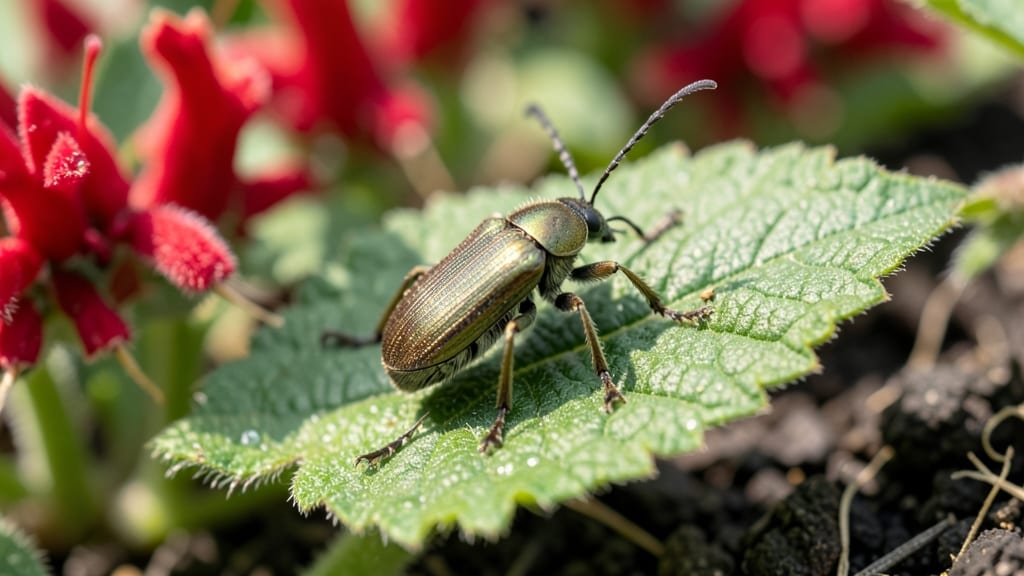
Those fuzzy, buzzing beetles chewing your petunias and roses aren’t bees—they’re bumble flower beetles, and they’re doing serious damage. I’ve watched them turn vibrant blooms into skeleton leaves in just days, and let me tell you, they’re relentless. The good news? You can outsmart them with the right approach.
These beetles thrive in sunny gardens with lots of flowers, and they’re especially fond of roses, petunias, and dahlias. You’ll spot them midday, when they’re most active, and their damage looks like tiny, irregular holes in petals and leaves.
The key to stopping them is acting fast—once they set up shop, they multiply quickly.
Start with neem oil sprays or soapy water for a chemical-free approach, applied in the evening when bees aren’t active. For heavier infestations, pyrethrin-based sprays work fast but use them carefully.
Prevention is easier: remove spent blooms regularly, plant basil or marigolds nearby (they repel beetles), and water early in the day to discourage them from hiding in damp foliage.
The worst part? They’re back every summer, so stay vigilant. With the right mix of monitoring and intervention, you can keep your garden looking lush instead of lacey. Let’s get those beetles under control before they ruin your blooms.
📚 In This Guide
- What you need
- Instructions
- Tips and common mistakes
- Wrapping up and next steps
What you need
- ● Handheld magnifying glass (3x–5x magnification) – for close-up inspection of beetles and damage.
- ● Gloves (nitrile or leather) – protects hands from bites and sap.
- ● Spray bottle (16 oz) – for DIY insecticidal solutions.
- ● Pruning shears – to trim infested plant stems or flowers.
- ● Sticky traps or yellow sticky cards (2–3 cards) – helps monitor beetle activity.
- ● Neem oil (16 oz) or soapy water (1 tsp dish soap + 1 quart water) – natural repellent.
- ● Garden hose with nozzle – for dislodging beetles from plants.
- ● Insect net (18-inch diameter) – for gently capturing beetles without harming them.
- ● Pyrethrin-based spray (organic insecticide) – for severe infestations (follow label instructions!).
- ● Diatomaceous earth (food-grade) (1 lb) – sprinkle lightly around plants as a barrier.
- ● Camera or smartphone – to document beetles for accurate ID (upload to blank">iNaturalist if needed!).
- ● Beneficial nematodes (e.g., Steinernema carpocapsae) – targets beetle larvae in soil (apply in evening).
- ● Knowledge of local beetle species – Confirm it’s a bumble flower beetle (not a lookalike like a bumblebee or squash beetle) using a guide like blank">UMaine’s Pest ID.
- ● Garden layout awareness – Note which plants are most affected (e.g., tomatoes, peppers, or flowers).
- ● Weather check – Avoid treating plants in direct sunlight or extreme heat (can harm foliage).
How to identify and manage bumble bee flower beetle infestations
This is the method I’ve used to protect my garden beds without harming beneficial pollinators—focused on early detection and targeted control.
🌿 Step 1: Accurately Identify the Bumble Bee Flower Beetle
The bumble bee flower beetle (Euphoria sepulcralis) mimics a bumblebee with its black-and-yellow striped abdomen and fuzzy body, but its wings are clear and its antennae lack the fuzzy segments of true bees. Look for these key differences: the beetle’s legs are long and spindly, while a bumblebee’s are stout, and the beetle’s flight is erratic and buzzes loudly. Adults emerge in late spring and feed on nectar, but their larvae chew through flower petals and buds.
Check your garden’s most vulnerable plants—roses, dahlias, and peonies—during peak blooming season. The beetles are most active on sunny afternoons, so inspect flowers between 10 AM and 2 PM when they’re most visible. If you spot clusters of damaged buds with chewed edges but no visible larvae, this is your first clue.
🔍 Step 2: Assess the Damage and Confirm Infestation
Examine damaged flowers closely for signs of larval activity. Bumble bee flower beetle larvae leave behind a fine, silky webbing and frass (chewed plant debris) inside buds. Unlike Japanese beetles, which skeletonize leaves, these beetles focus on petals and reproductive parts, often leaving the leaf structure intact. Take photos of the damage—this will help you track progress and confirm whether your control methods are working.
If you find more than 3-4 damaged buds per plant or notice wilting blooms before they fully open, the infestation has likely progressed. Note which plants are most affected—this will help you prioritize treatment and monitor future outbreaks.
✂️ Step 3: Implement Physical and Cultural Controls
Start with non-toxic methods to protect your garden’s ecosystem. Handpick adult beetles by shaking them into a bucket of soapy water—do this in the early morning when they’re sluggish. For larvae, remove heavily infested buds and dispose of them in sealed bags. Prune damaged flowers regularly to reduce breeding sites and encourage new growth.
Encourage natural predators like birds, parasitic wasps, and ground beetles by adding diverse plantings, especially those that attract these beneficial insects. Avoid broad-spectrum pesticides, as they’ll harm your garden’s pollinators and disrupt the food chain. Instead, use neem oil spray (mixed at 2 tablespoons per gallon of water) on affected plants in the evening to deter adults without harming bees.
🌱 Step 4: Monitor and Adjust Your Approach
After implementing controls, check your garden every 3-4 days for new damage. Keep a simple log of treated plants and note any improvements or setbacks. If you see a resurgence after a week, increase hand-picking efforts or apply neem oil again. Pay special attention to newly opened buds—they’re the most vulnerable to fresh infestations.
By late summer, beetle activity typically declines as temperatures rise. Use this time to assess which plants were most resilient and which needed the most intervention. Adjust next year’s planting plan to include more resistant varieties, like dahlias with double blooms (which are harder for larvae to penetrate) or roses with thorny canes (which deter feeding).
⏰ Step 5: Plan for Next Season
In early fall, clean up garden debris and prune dead or damaged plant material to remove overwintering sites. Store tools and pots in a dry place to prevent beetles from hiding in crevices. If your garden was heavily infested, consider rotating crops or planting trap crops like marigolds or zinnias—these attract beetles away from your prized flowers.
Share your experiences with local gardening groups or extension services. Regional outbreaks can vary, and collective data helps everyone stay ahead. With consistent monitoring and early action, you’ll keep your garden thriving without relying on harmful chemicals.
Tips & tricks for managing bumble bee flower beetle infestations
These targeted strategies will help you protect your garden while maintaining its delicate ecosystem—keeping both your plants and pollinators safe.
Timing is Everything: The 10 AM to 2 PM inspection window in Step 1 is your best chance to spot beetles before they cause damage. Early morning inspections (before 10 AM) often miss them because they're still sluggish from cooler temperatures. I've found that using a small handheld magnifying glass helps identify those subtle differences between beetles and bees—especially the antennae and leg structure. This precision makes all the difference in early detection.
Damage Documentation: That 3-4 damaged buds threshold in Step 2 is your critical warning sign—don't wait until you see wilting blooms. I keep a simple garden journal with photos of damaged buds, noting dates and affected plants. This visual record helps track patterns over time. When comparing damage photos week-to-week, you'll notice subtle changes that indicate whether your control methods are working or if the infestation is spreading.
Neem Oil Application Strategy: The 2 tablespoons per gallon neem oil mix in Step 3 works best when applied specifically to affected plants in the evening. I've learned that spraying in the evening reduces harm to bees that are active during the day. For best results, apply neem oil when temperatures are below 85°F—hotter conditions can reduce its effectiveness. Always apply to the undersides of leaves where beetles often hide, and reapply every 7-10 days during active infestation periods.
Seasonal Plant Rotation Insight: The fall cleanup in Step 5 is your best defense against next year's infestation. I've found that removing all garden debris by early November eliminates overwintering sites for beetle larvae. When planning your spring planting, consider the resistance factors mentioned—double-bloom dahlias and thorny roses are particularly effective at deterring beetles while still providing beautiful blooms. This strategic planting creates a natural barrier against future infestations.
Pro Tips for Bumble Flower Beetle
- These targeted strategies will help you protect your garden while maintaining its delicate ecosystem—keeping both your plants and pollinators safe.
- Timing is Everything: The 10 AM to 2 PM inspection window in Step 1 is your best chance to spot beetles before they cause damage.
- Damage Documentation: That 3-4 damaged buds threshold in Step 2 is your critical warning sign—don't wait until you see wilting blooms.
Frequently asked questions
Got questions about the bumble flower beetle? You’re not alone! Here are some of the most common concerns—plus quick, actionable answers to keep your garden thriving.
What does a bumble flower beetle look like, and how can I tell it apart from other beetles?
The bumble flower beetle (often confused with the bumblebee) is a striped, fuzzy beetle (usually black and yellow or orange) with a hard, rounded shell. Unlike bees, it lacks wings and moves in a slow, clumsy manner. Check for chewed leaves or holes in petals—a dead giveaway!
Are bumble flower beetles harmful to my plants?
Yes! While adults feed on nectar, their larvae (grubs) devour roots, stems, and bulbs, weakening or killing plants. They’re especially destructive to tulips, lilies, and roses. Early detection is key—watch for yellowing leaves or stunted growth.
When is the best time to treat for bumble flower beetles?
Act spring through early summer when adults emerge and lay eggs. Fall treatment can also help target overwintering larvae. Use neem oil or beneficial nematodes for organic control, or apply insecticide granules to soil for systemic protection.
What’s the most effective way to get rid of them naturally?
Try these eco-friendly methods:
- Handpick adults (drop in soapy water).
- Use row covers to block egg-laying.
- Plant marigolds or garlic (natural repellents).
- Apply kaolin clay to foliage to deter feeding.
For severe infestations, beneficial nematodes (like Steinernema carpocapsae) target larvae in the soil.
Will chemical pesticides work, and are they safe for my garden?
Chemicals like imidacloprid or pyrethrin-based sprays can kill beetles but may harm beneficial insects (like ladybugs). Use spot-treatment and follow label instructions. For organic gardens, neem oil or soap sprays are safer alternatives.
Pro Tip:
Check under mulch and plant debris—these beetles love hiding there! Remove and compost (or burn) infested plant material to break their life cycle.
Wrapping up and next steps
The bumble flower beetle may seem intimidating, but with the right knowledge and tools, you can protect your garden effectively. 🌿 From natural remedies to proactive monitoring, every step counts in keeping your plants thriving. Don’t let these pests hold you back—take action today!
Ready to reclaim your garden? Start by inspecting vulnerable plants weekly and applying the best control methods from this guide. Your green space deserves peace! 🌱