
Flowers
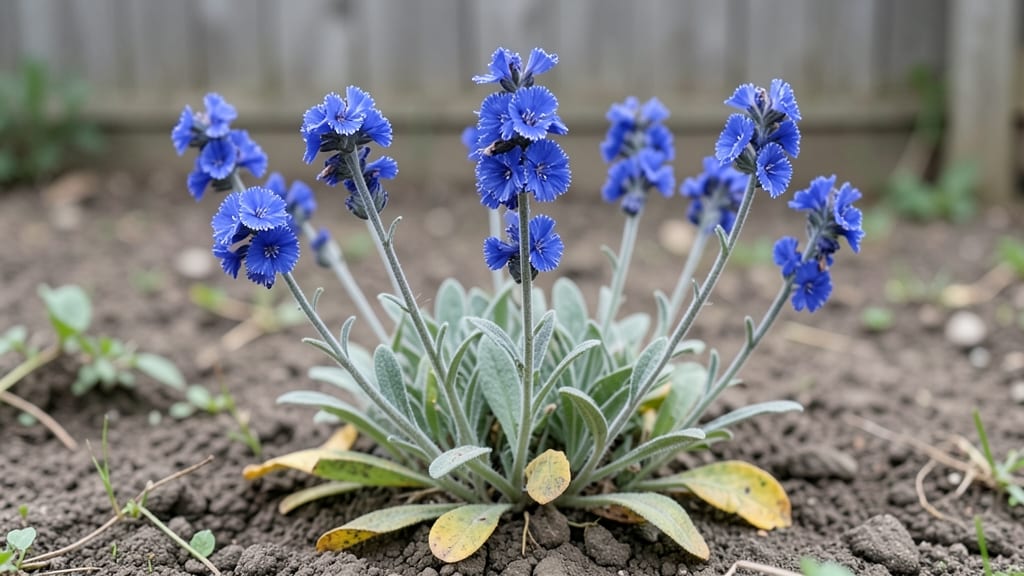
Growing blue sweet william flowers (Dianthus barbatus) means your garden will smell like spring every time you brush past them—clusters of tiny, velvety blooms packed onto fragrant stems that last for weeks. 🌿 I still remember the first time I saw them in a neighbor’s yard, their deep blue petals contrasting against the green like a splash of sky on earth.
These aren’t just pretty faces; they’re tough, long-blooming perennials that reward patience with showstopping color from early summer through fall.
The secret to their success? Cool roots and well-draining soil. They thrive in USDA Zones 3-9, but the key is mimicking their natural habitat—sandy, slightly alkaline soil with full sun to partial shade.
Plant them in spring or fall, spacing clusters 8-12 inches apart, and watch them multiply over time. Deadheading spent blooms keeps them producing new flowers all season, and they even self-seed for surprise pops of color the following year.
What you’ll end up with is a garden corner that smells like candy and looks like a watercolor painting—soft blue blooms that attract bees, butterflies, and even hummingbirds. They’re perfect for cottage gardens, container arrangements, or cutting for bouquets that last 10-14 days in a vase.
The fragrance alone makes them worth growing, but the way they bounce back after rain or heat? That’s the real magic.
Works whether you’re filling a sunny border, lining a path, or tucking them into pots on a patio. Here’s how to keep them thriving—and blooming—season after season.
📚 In This Guide
- What you need
- Instructions
- Tips and common mistakes
- Wrapping up and next steps
What you need
- ● Blue Sweet William Seeds: 1–2 packets (50–100 seeds each) for a vibrant display. Look for Dianthus barbatus varieties like 'Blue Fountain' or 'Blue Picotee'.
- ● Well-draining potting mix: 5–10 gallons (for containers) or 2–3 cubic feet (for in-ground planting). Opt for a blend with perlite or sand (60–70% soil, 30–40% amendment).
- ○ Containers (optional but handy): 5–10-inch deep pots (1–2 per plant) with drainage holes, or
- ● A raised bed (at least 12 inches deep) for in-ground planting.
- ● Fertilizer: Balanced granular fertilizer (10-10-10), 1–2 tbsp per plant, or
- ● Slow-release organic pellets (e.g., worm castings or compost).
- ● Watering can or hose with a gentle spray nozzle.
- ● Pruning shears or scissors (sharp and clean).
- ○ Mulch (optional): 1–2 inches of straw, pine needles, or shredded bark to retain moisture.
- ● Sunlight: Full sun (6+ hours daily) for optimal blooms. Partial shade (4–6 hours) works but may reduce fragrance.
- ● Temperature: Sweet williams thrive in USDA Zones 3–9. Start seeds indoors 6–8 weeks before the last frost if in cooler zones.
- ● Soil pH: Slightly acidic to neutral (6.0–7.0). Test your soil or amend with lime if needed.
- ● Patience: Germination takes 10–21 days, and full blooms may take 8–12 weeks from seeding.
- ● Soak seeds in warm water for 24 hours before planting to speed up germination. 🌱
- ○ Use a seed-starting tray with a heating mat (optional) to encourage faster sprouting in cooler climates. 🔥
- ● If planting in containers, group 3–5 seeds per pot for a fuller look early on. ✨
Step-by-step instructions for growing blue sweet william flowers
Here's how to cultivate these charming, fragrant blooms—whether you're starting from seed or transplanting.
🌱 Step 1: Prepare the Soil and Planting Site
Sweet Williams thrive in well-draining soil with a slightly acidic to neutral pH (6.0-7.0). Work 2-3 inches of compost into the top 6 inches of soil to improve fertility and drainage. These flowers dislike soggy roots, so if your soil stays wet for more than a day after rain, amend it with sand or perlite to loosen the texture.
Choose a spot with full sun to partial shade—at least 4-6 hours of direct sunlight daily. Too much shade will stretch the stems and reduce blooms. I like to plant mine where they’ll get morning sun and afternoon shade in hotter months. The ideal soil should feel like a damp sponge when squeezed—if it crumbles easily, it’s ready.
🌱 Step 2: Plant Seeds or Transplants at the Right Time
For spring blooms, sow seeds 4-6 weeks before your last frost date indoors or directly outdoors after soil warms to 50°F. Press seeds ¼ inch deep, spacing them 12-18 inches apart—they’ll spread and self-seed, so don’t crowd them. If transplanting, set young plants 12-18 inches apart in rows 18-24 inches apart to allow airflow and prevent disease.
Water gently after planting to settle the soil around roots. Avoid washing seeds away by using a fine mist or watering can with a rose attachment. You’ll see first true leaves in 2-3 weeks—that’s your cue to start fertilizing lightly with a balanced 10-10-10 mix every 2 weeks once they’re established.
☀️ Step 3: Maintain Water and Sun for Continuous Blooms
Keep the soil evenly moist but not soggy—Sweet Williams are drought-tolerant once established, but wilting blooms mean it’s time to water. Water at the base of plants in the morning to reduce fungal risks. Mulch with 2-3 inches of straw or shredded leaves to retain moisture and suppress weeds. This also keeps stems clean, which is key for those fragrant, long-lasting cuts.
Deadhead spent blooms weekly to encourage more flowers. Pinch back leggy stems in early summer to promote bushier growth. If you notice leaves yellowing or stems flopping, it’s often a sign of overwatering or poor drainage—adjust your watering schedule or amend the soil immediately.
✂️ Step 4: Harvest and Preserve for Long-Lasting Arrangements
Cut stems when buds begin to open for the longest vase life. Use clean, sharp scissors and harvest in the early morning when stems are fully hydrated. Strip lower leaves to prevent bacterial growth in water. Sweet Williams last 7-10 days in a vase—longer if you change the water every 2-3 days and recut stems at an angle.
For year-round blooms, sow new seeds every 2-3 weeks in spring and early summer. These biennials often self-seed, so you’ll likely have volunteers popping up in unexpected spots. If you live in a warm climate, they may bloom year-round with minimal care—just keep deadheading and fertilizing lightly.
Tips & tricks for perfect blue sweet william flowers
Here's what I've learned after growing these fragrant beauties for years—simple tricks that'll make all the difference in your garden.
Soil Prep Secret: Before mixing in compost, spread a thin layer of coarse sand or perlite over compacted soil first. This breaks up clay and improves drainage right where the roots will grow. I've found this prevents the dreaded "soggy roots" issue that kills Sweet Williams—especially important if your area gets heavy rainfall. The goal is soil that feels like a damp sponge, not a wet towel.
Timing is Everything: Those 4-6 weeks before your last frost date are critical for strong starts. If you're unsure of your frost date, err on the earlier side—Sweet Williams can handle cooler soil better than they can handle being planted too late. I always check my local frost dates online and mark the calendar so I don't miss this window. For transplants, wait until soil reaches that exact 50°F mark—colder soil can stunt root growth.
Watering Wisdom: The "evenly moist but not soggy" rule is non-negotiable, but here's the trick: water deeply just once every 5-7 days rather than light daily watering. This encourages deep root growth. I use a moisture meter to check—if the top 2 inches of soil are dry, it's time to water. For morning watering, aim for early enough that leaves dry by midday to prevent fungal issues.
Deadheading Done Right: When you're deadheading those spent blooms weekly, don't just snip off the flower—cut back to the first set of leaves below the bloom. This encourages bushier growth and more flowers. I've seen gardens where people only cut off the dead flowers, and they end up with long, leggy stems and fewer blooms. This simple tweak makes a huge difference in plant density and flower production.
Pro Tips for Blue Sweet William Flowers
- Here's what I've learned after growing these fragrant beauties for years—simple tricks that'll make all the difference in your garden.
- Soil Prep Secret: Before mixing in compost, spread a thin layer of coarse sand or perlite over compacted soil first.
- Timing is Everything: Those 4-6 weeks before your last frost date are critical for strong starts.
Frequently asked questions
Got questions about growing and caring for blue sweet william flowers? You’re not alone! Here are some of the most common queries—plus quick, practical answers to help you cultivate these fragrant beauties with confidence.
When is the best time to plant blue sweet william flowers?
For year-round blooms, plant in early spring (after the last frost) or early fall. In warmer climates, you can also plant in winter for spring flowers. Avoid planting in extreme heat—roots need time to establish before summer stress hits.
How often should I water blue sweet william flowers?
Keep soil consistently moist but not soggy. Water deeply 2–3 times per week during active growth (spring/summer) and reduce to once a week in winter. Mulch around the base to retain moisture and prevent weeds. Overwatering can cause root rot—so always check soil moisture before watering!
Why aren’t my blue sweet william flowers blooming?
Lack of blooms often means too much shade, over-fertilizing with nitrogen (which promotes leaves), or not deadheading. Ensure they get 6+ hours of sun, use a balanced bloom booster fertilizer (like 10-10-10), and snip spent blooms to encourage new flowers. If they’re leggy, they may need more light!
Can I grow blue sweet william flowers in containers?
Use a large pot (12+ inches deep) with well-draining soil and ensure it has drainage holes. Choose a sunny spot (like a balcony or patio) and water more frequently than garden beds since containers dry out faster. Dwarf varieties like ‘Blue Fountain’ are perfect for containers!
Are blue sweet william flowers deer-resistant?
While they’re not fully deer-proof, deer tend to avoid them more than other flowers. For extra protection, use deer repellent sprays, plant near deer-resistant companions (like lavender or Russian sage), or install a physical barrier (like fencing) around your garden.
What’s the best alternative if I can’t find blue sweet william?
Try these fragrant, blue-hued flowers for similar beauty:
- Borage – Edible, bee-friendly, and blooms in shades of blue.
- Delphinium – Tall, dramatic spikes with deep blue flowers.
- Salvia – Drought-tolerant with vibrant blue blooms.
- Statice (Limonium) – Dries well for arrangements.
Wrapping up and next steps
Growing blue sweet william flowers is a rewarding journey that brings bursts of color and fragrance to your garden—even in cooler months! 🌸 With the right care, these cheerful blooms can thrive year-round, adding charm to any space.
Whether you’re a seasoned gardener or just starting, your efforts will pay off with vibrant, fragrant stems that brighten up every season.
Ready to dive in? Start small—plant a few stems in a pot or your garden bed—and watch your garden transform! For extra inspiration, explore companion plants or creative arrangements to showcase their beauty. Happy gardening! 🌱