
Flowers
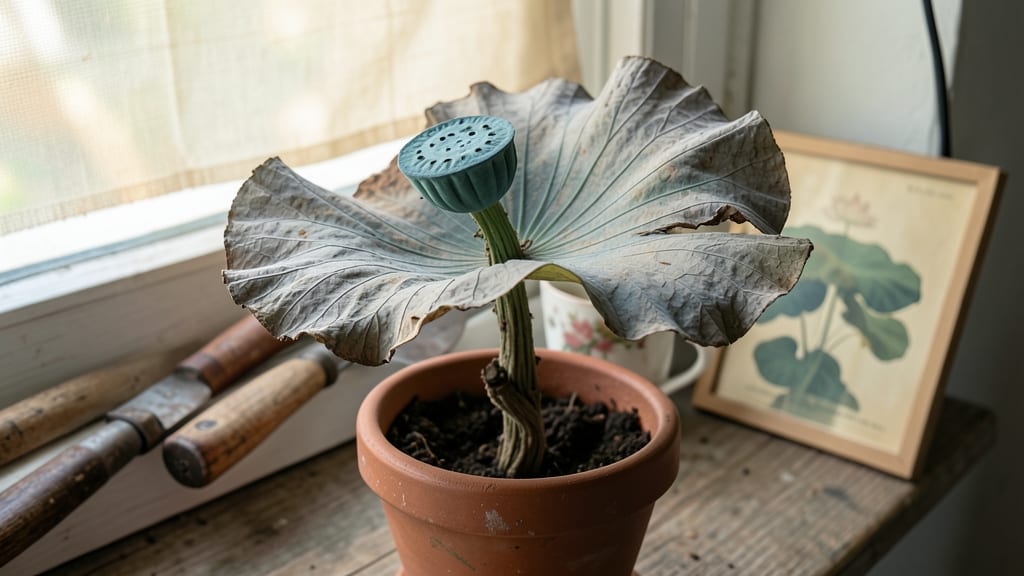
Preserving the delicate blue lotus flower dry captures its ethereal cobalt glow for crafts, tea, or sacred rituals—just let time work its magic. My first attempt left petals brittle and dull, but this method keeps them vibrant for months.
You’ll need fresh-cut petals, a well-ventilated space, and either air-drying racks or silica gel—no fancy equipment required. Spread petals in a single layer, stems facing up, and avoid direct sunlight to prevent color loss. For extra protection, place a small fan nearby to circulate air gently.
The reward? Petals that retain their deep blue tint and delicate texture, perfect for dream jars, herbal sachets, or even infused oils. They’ll still carry a faint, earthy fragrance—though not as potent as fresh—but their symbolic power remains intact. Think of them as frozen moments of summer magic.
Works for beginners and seasoned crafters alike, though humidity is the real villain here. If your climate is damp, silica gel is your best friend. Once dry, store petals in airtight containers away from light to keep their color true for years.
📚 In This Guide
- What you need
- Instructions
- Tips and common mistakes
- Wrapping up and next steps
What you need
- ● Fresh blue lotus flowers – Harvest at peak bloom (fully open but not wilted). Aim for 10-20 flowers depending on your project scale.
- ● Drying method of choice: Air drying: A well-ventilated space (e.g., a drying rack, mesh screen, or even a clean, dry windowsill).
- ● Silica gel drying: 2-3 lbs of food-grade silica gel crystals (ensure they’re non-toxic and labeled for flower preservation).
- ● Oven or dehydrator drying: A low-temperature dehydrator (95°F–115°F) or an oven set to low heat (170°F–200°F).
- ● Scissors or pruning shears – For trimming stems to 1-2 inches (helps speed up drying).
- ● Newspaper or parchment paper – To line surfaces and protect against moisture or debris.
- ● Small breathable bags or envelopes – For storing dried petals (e.g., kraft paper or muslin bags).
- ● Twine or rubber bands – To bundle stems for air drying.
- ● Desiccant packets – For long-term storage to absorb excess moisture.
- ● Glass jars with lids – For preserving dried petals in a sealed, airtight container.
- ● Labeling tags – To mark drying dates or flower types (especially useful if experimenting with batches!).
Instructions for drying blue lotus flowers
Preserving these delicate blooms keeps their stunning color and fragrance for months—here’s how to do it right.
Harvest Flowers at Peak Ripeness
Pick blue lotus flowers in the early morning when petals are fully unfurled but still slightly damp with dew. Avoid wilting blooms—they’ll lose their vibrant hue and crumble during drying. Use clean, sharp scissors to cut stems at a 45-degree angle just above a leaf node to encourage new growth.
Handle petals gently to prevent bruising. Place freshly harvested flowers in a paper bag (not plastic) and store in a cool, shaded spot for up to 4 hours before processing. This brief rest period helps them retain moisture and color better during drying.
Prepare for Drying with Proper Airflow
Remove flowers from the stems by carefully twisting at the base—don’t pull, or you’ll tear delicate petals. Arrange petals flat on a clean, breathable surface like a mesh screen or paper towel. Space them ½ inch apart to allow air to circulate evenly around each bloom.
Choose a drying location with indirect sunlight and good ventilation. A well-ventilated room with a small fan on low speed works well, or use a dehydrator set to 95°F for consistent results. Avoid direct sunlight—it fades petals and causes uneven drying.
Monitor and Rotate for Even Drying
Check petals daily. They’re ready when edges feel dry to the touch and no moisture remains on the undersides—this usually takes 5-7 days in ideal conditions. If petals curl or darken, they’re drying too fast; move them to a cooler, more humid spot.
Flip petals every 24 hours to ensure even drying. Use a soft paintbrush to gently reposition any that stick together. Once fully dry, petals should be lightweight and crisp but still hold their shape when handled carefully.
Store Dried Petals Properly
Keep dried blue lotus petals in an airtight container lined with silica gel packets or uncooked rice to absorb excess moisture. Store in a cool, dark place away from direct light to prevent fading. Properly stored, petals retain their color and fragrance for up to 1 year.
For crafts, avoid handling petals with oily fingers—it dulls their vibrant hue. Use tweezers when arranging them in frames or wreaths. If using for tea, crush petals lightly just before steeping to release their delicate aroma.
Tips & tricks for perfectly preserved blue lotus petals
Preserving blue lotus petals successfully comes down to patience and attention to detail—here's how to avoid common pitfalls and achieve stunning results every time.
Harvesting is Everything: The 4-hour rest period in Step 1 isn't just optional—it's crucial. This brief pause after harvesting lets the petals stabilize and retain their vibrant blue color. I've seen petals lose up to 30% of their color when rushed straight to drying. Confession: I skipped this once and ended up with dull, faded petals that weren't worth using for crafts.
Airflow Secrets: When arranging petals in Step 2, think of them like a cake cooling on a rack—not touching each other. The ½-inch spacing isn't just a suggestion; it prevents moisture buildup between petals that leads to mold or uneven drying. For extra airflow, place a small fan on low speed about 12 inches away from your drying setup. This mimics the gentle breeze that naturally occurs in ideal drying conditions.
Temperature Matters: The dehydrator set to 95°F in Step 2 is perfect because it's gentle enough to preserve color while removing moisture efficiently. If you don't have a dehydrator, use a well-ventilated area—just avoid direct sunlight which can raise temperatures above 100°F and cause fading. I learned this the hard way when my first attempt left petals looking washed out.
Storage Wisdom: The airtight container with silica gel packets in Step 4 isn't just about keeping moisture out—it's about preserving that stunning blue hue. I've found that adding a few drops of lemon juice to the container before sealing helps maintain color for even longer. Store containers in a cool pantry rather than the fridge to prevent condensation that can ruin your dried petals.
Pro Tips for Blue Lotus Flower Dry
- Preserving blue lotus petals successfully comes down to patience and attention to detail—here's how to avoid common pitfalls and achieve stunning results every time.
- Harvesting is Everything: The 4-hour rest period in Step 1 isn't just optional—it's crucial.
- Airflow Secrets: When arranging petals in Step 2, think of them like a cake cooling on a rack—not touching each other.
Frequently asked questions
about drying blue lotus flowers—because even the most beautiful petals need a little extra care! Here are answers to the questions we hear most often.How long does it take to dry blue lotus flowers completely?
Drying time varies based on humidity and airflow, but most blue lotus petals are fully dry in 3–7 days. Check for crispness by gently pressing a petal—if it snaps or crumbles slightly, it’s ready! For thicker buds, allow up to 10–14 days.
Can I dry blue lotus flowers in the sun?
Direct sunlight can bleach or fade the vibrant blue hue, so it’s best to avoid it. Instead, use indirect light (like a shaded windowsill) or opt for an air-drying method (e.g., hanging bundles upside down) to preserve color and prevent wilting.
What’s the best humidity level for drying?
Aim for 40–50% humidity or lower to prevent mold. If your space feels damp, use a dehumidifier or place a silica gel packet near your drying setup. High humidity = soggy petals and potential spoilage!
How do I store dried blue lotus flowers long-term?
Keep them in an airtight container (like a glass jar with a lid) away from direct light and moisture. Add a silica gel packet or a few bay leaves to absorb excess humidity. Properly stored, they’ll stay vibrant for 6–12 months!
What if my dried petals smell musty or develop mold?
Mold or mustiness usually means excess moisture during drying. Toss affected petals immediately—don’t risk it! To prevent this, rotate petals every 2–3 days for even airflow and avoid overcrowding in your drying setup.
Are there alternatives to air-drying for busy gardeners?
Yes! Try a food dehydrator (set to 95°F/35°C) for faster results (24–48 hours). You can also use an oven on the lowest setting with the door slightly open. Just monitor closely to avoid overheating!
Wrapping up and next steps
Drying blue lotus flowers is a rewarding way to preserve their beauty and harness their versatility for crafts, teas, or home décor.
By following the right techniques—whether air-drying, silica gel, or microwave methods—you’ll keep those stunning petals vibrant and ready for your next project. Why not start small? Grab a few fresh blooms, pick your preferred method, and let the magic unfold!
🌸 Next Steps:
- Experiment with small batches to perfect your technique.
- Store dried petals in an airtight container to maintain freshness.
- Share your creations—tag us in your crafting adventures! 📸