Planting
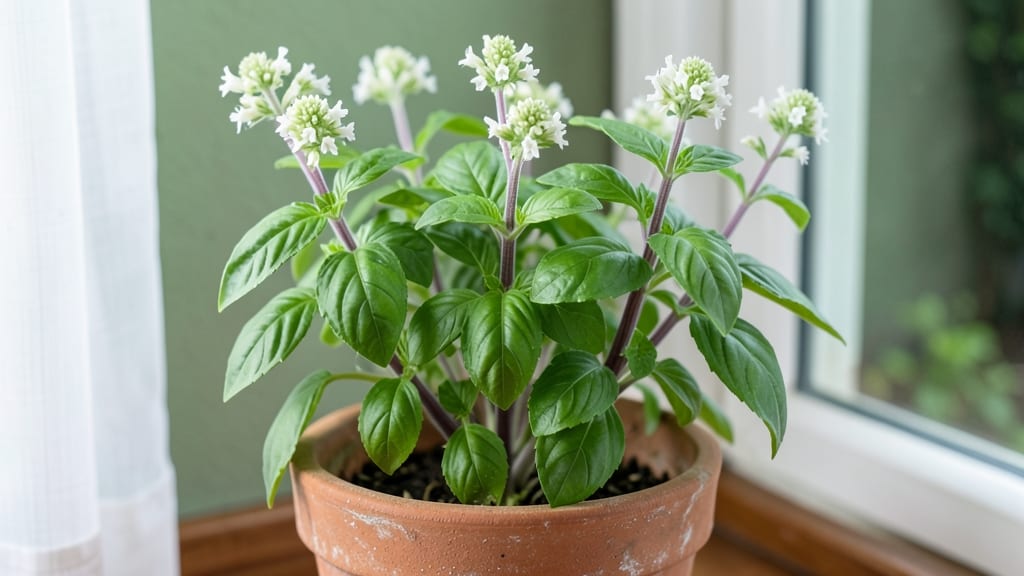
When basil plants flower, they’re not just pretty—they’re a flavor powerhouse. 🌿 I used to snip off those purple blooms without thinking, but now I leave them on purpose. Those flowers aren’t just decorative; they pack a punch in pesto and salads, and they signal your plant’s readiness for harvest.
The trick is balance—too many flowers mean fewer leaves, but a few blooms won’t hurt. Prune strategically: pinch off flower buds when they’re small to redirect energy back to those fragrant leaves. My plants stay bushier, greener, and more productive all season long.
You’ll end up with basil that’s both beautiful and bursting with flavor. The flowers add a subtle anise note to dishes, and the plant keeps producing leaves for weeks longer than it would without them. It’s a win-win for gardeners who love both looks and taste.
Works for container gardens, windowsill pots, or in-ground plantings—just adapt your pruning to the space. Here’s how to keep your basil thriving while enjoying those edible blooms.
📚 In This Guide
- What you need
- Instructions
- Tips and common mistakes
- Wrapping up and next steps
What you need
- ● Basil seeds or seedlings: Choose sweet basil, Thai basil, or purple basil for vibrant blooms. Quantity: 3–5 plants (for a small harvest) or 10+ (for abundant flowers).
- ● Well-draining potting mix: Use a high-quality seed-starting mix or blend 50% garden soil + 50% perlite/coco coir to prevent root rot.
- ● Containers or garden bed: Containers: 6–12" pots with drainage holes (1 plant per pot).
- ● Garden bed: Full sun (6+ hours/day) with loose, fertile soil (pH 6.0–7.0).
- ● Watering can or spray bottle: Keep soil consistently moist but not soggy.
- ○ Balanced fertilizer (5-5-5 or 10-10-10): Optional but recommended: Dilute to half-strength and apply every 3–4 weeks.
- ● Pruning shears or clean scissors: For harvesting flowers and pinching stems.
- ○ Support structures (optional): Small stakes or cages if your basil grows tall (e.g., Thai basil).
- ● 🌡️ Climate check: Basil thrives in USDA zones 2–11 but prefers warmth (70–80°F). Start indoors 4–6 weeks before the last frost.
- ● ✨ Soil test: Add compost or a slow-release fertilizer (like worm castings) for nutrient-rich blooms.
- ● 🎯 Pest prevention: Keep aphids away with neem oil spray or companion plant with marigolds.
How to encourage and use basil plant flowers
Turn your basil’s blooms into both a flavor enhancer and a decorative centerpiece.
🌱 Step 1: Identify and Preserve the Flowers
Basil flowers appear as tiny white or purple blooms on top of the plant, often signaling the end of its prime leaf production. Instead of cutting them off immediately, let a few bloom fully—they’re edible and add a delicate anise-like flavor to dishes. Harvest flowers when they’re fully open but before they turn brown, usually in the morning after the dew has dried.
Gently pinch off clusters with your fingers or use clean scissors, leaving about ½ inch of stem attached. This prevents damaging the plant and ensures you capture the full flavor. Store harvested flowers in a breathable container in the fridge for up to 5 days, or dry them in bundles upside down for later use.
☀️ Step 2: Prune Strategically to Encourage More Blooms
If your basil is flowering heavily and leaves are becoming bitter, it’s time to prune. Use clean, sharp scissors to cut back ⅓ of the plant, focusing on leggy stems and overgrown branches. This redirects energy from flowering to leaf production, giving you a second harvest cycle.
Prune in the morning when the plant is hydrated, and avoid cutting into woody stems—this can stress the plant. After pruning, give the basil a light watering to help it recover. You’ll notice new growth within 7-10 days, and fresh leaves will be ready to harvest again.
💧 Step 3: Use Flowers in Cooking and Preservation
Basil flowers add a subtle, sweet flavor to dishes and can be used fresh, dried, or frozen. Toss them into salads, sprinkle over pasta, or blend them into pesto for a unique twist. For preservation, dry flowers by tying small bundles with twine and hanging them in a dark, well-ventilated space for 1-2 weeks until crisp.
Once dried, store flowers in an airtight container away from light. You can also freeze them in ice cube trays with water or olive oil for easy use in cooking. A little goes a long way—start with ½ teaspoon of dried flowers per dish to avoid overpowering flavors.
✂️ Step 4: Prevent Over-Flowering for Longer Harvests
To keep your basil producing leaves instead of flowers, ensure it gets 6-8 hours of sunlight daily and stays well-watered without soggy soil. Overcrowding or nutrient deficiency can also trigger early flowering, so fertilize lightly with a balanced 10-10-10 formula every 4-6 weeks during the growing season.
If your basil is already flowering heavily, consider moving it to a cooler spot or reducing water slightly to slow the process. Basil thrives in 65-75°F temperatures—hotter conditions can speed up flowering. With the right care, you’ll enjoy fresh leaves and fragrant blooms for months.
Tips & tricks for perfect basil plant flowers
These simple yet game-changing tips will help you maximize your basil's edible blooms and keep your plants thriving.
Harvesting Timing: The morning after dew dries is truly the best time to harvest basil flowers. This is when the delicate blooms are at their peak freshness and flavor. If you must harvest later in the day, do it in the early afternoon to avoid wilting. I've found that flowers harvested in the morning stay vibrant in storage for the full 5 days, while afternoon harvests only last 3-4 days.
Pruning Precision: When pruning your basil in Step 2, focus on cutting just above a leaf node where new growth emerges. This encourages bushier growth rather than leggy stems. I always use clean scissors to avoid spreading disease, and I never cut into woody stems—this is where the plant stores its energy, and cutting there can be fatal to your basil plant.
Preservation Hack: For drying basil flowers, I've found that using brown paper bags instead of twine creates a more controlled drying environment. Place your flower bundles in a paper bag with a few holes punched in the sides, then hang them upside down. The paper absorbs excess moisture while allowing airflow, resulting in crisp, well-preserved flowers in just 1-2 weeks.
Flavor Boost: To enhance the delicate anise-like flavor of basil flowers, try infusing them in olive oil for 24 hours before using. This creates a fragrant oil perfect for drizzling over salads or finishing dishes. Just be sure to use a clean, sterilized container and store the infused oil in the fridge to prevent spoilage.
Pro Tips for Basil Plant Flowers
- These simple yet game-changing tips will help you maximize your basil's edible blooms and keep your plants thriving.
- Harvesting Timing: The morning after dew dries is truly the best time to harvest basil flowers.
- Pruning Precision: When pruning your basil in Step 2, focus on cutting just above a leaf node where new growth emerges.
Frequently asked questions
Got questions about basil plant flowers? You’re not alone! Here are some of the most common queries—plus quick answers to help you grow, harvest, and enjoy them like a pro.
Do basil flowers taste the same as the leaves?
Not exactly! While basil leaves are mild and sweet, the flowers pack a more intense, slightly peppery flavor—almost like a concentrated burst of basil. They’re perfect for garnishes, teas, or drying for later use. Pro tip: Use them sparingly in recipes to avoid overpowering dishes.
When is the best time to harvest basil flowers?
Harvest flowers when they’re fully open but still vibrant (usually in late spring to early summer, depending on your climate). For continuous blooms, pinch off spent flowers regularly—this encourages more growth and prevents the plant from going to seed too soon. Timing matters: Morning harvests yield the freshest flavors!
Can I grow basil just for its flowers?
While basil is prized for its leaves, its flowers are a bonus—edible, pollinator-friendly, and stunning in arrangements. If you’re short on space, opt for compact varieties like Genovese or Spicy Globe, which produce abundant blooms. Bonus: Deadheading (removing faded flowers) keeps the plant lush and flowering.
Why are my basil flowers turning brown or wilting?
Brown or wilted flowers often signal stress—check for underwatering, overcrowding, or pests like aphids. Ensure your basil gets 6+ hours of sunlight and well-draining soil. If the whole plant looks sad, trim back leggy stems to encourage new growth. Fix it fast: Revive wilting basil with a light prune and consistent watering!
What are the best ways to use basil flowers in cooking?
Basil flowers shine in garnishes, infused oils, or as a tea (steep 2-3 flowers in hot water). Toss them into salads, pasta, or pesto for a floral kick. For a unique twist, freeze dried flowers in ice cubes to preserve their flavor. Try this: Sprinkle over caprese salad or blend into homemade vinegar for a fancy touch!
Wrapping up and next steps
Discovering that basil plant flowers are not only stunning but also edible adds a delightful twist to your gardening journey! 🌸 Whether you’re sprucing up your dishes with their peppery notes or enhancing your garden’s charm, these blooms are a versatile gem. Ready to elevate your culinary and decorative game?
Your next step? Experiment with basil flowers in recipes—think garnishes, pestos, or even floral-infused teas. Or, if you’re inspired, share your basil blooms with fellow gardeners for more creative ideas! The possibilities are as endless as your green thumb’s potential.