
Shrubs
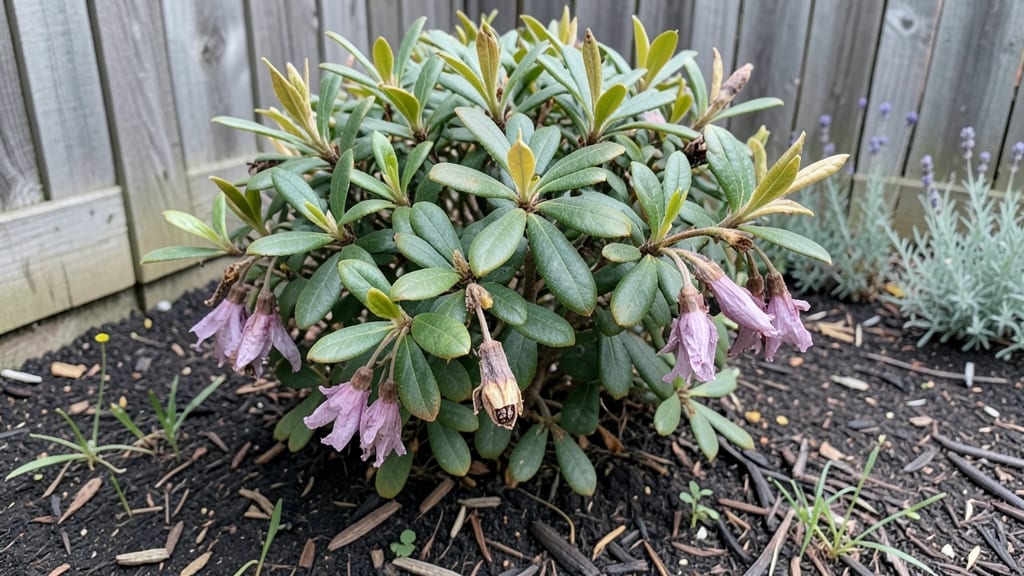
After azaleas finish flowering in the Pacific Northwest, the real work begins—and I’ve learned the hard way that skipping this step means fewer blooms next spring. 🌿 The secret isn’t just cutting back; it’s timing those snips right after the last bloom fades but before new growth gets too tender, plus feeding the plant just enough to fuel next year’s showstopper flowers.
Most gardeners rush in with pruners too early or too late, but the ideal window is 4-6 weeks after blooming, when seed pods form but haven’t hardened. Grab sharp bypass pruners, a pair of gloves, and a bucket for clippings—no fancy tools needed.
The goal is to shape the shrub while removing about one-third of the oldest wood to encourage fresh, vibrant growth from the center.
You’ll end up with azaleas that burst with richer blooms next season and fewer leggy branches crowding out sunlight. The key is patience: resist the urge to prune heavily now, and avoid fertilizing until after you’ve trimmed.
Instead, focus on even moisture—deep watering once a week keeps roots happy without drowning them.
This method works for both rhododendrons and azaleas in zones 7-9, though PNW’s mild winters mean you’ve got a little more flexibility. Once you master the timing, your azaleas will reward you with thicker foliage, brighter blooms, and years of effortless beauty. Let’s get those shears ready!
📚 In This Guide
- What you need
- Instructions
- Tips and common mistakes
- Wrapping up and next steps
What you need
- ● Pruning shears: Bypass pruners (sharp, clean, and not anvil-type to avoid crushing stems). Quantity: 1 pair (or 2 if you have multiple azaleas).
- ● Loppers: For thicker stems (½”–1½” diameter). Quantity: 1 pair.
- ○ Hand pruners: For precision work on smaller branches. Quantity: 1 pair (optional but handy).
- ● Disinfectant: 70% isopropyl alcohol or a 10% bleach solution (1 part bleach to 9 parts water) to sterilize tools between cuts.
- ● Garden gloves: Heavy-duty, cut-resistant gloves (e.g., Mechanix Wear or Felco brand). Quantity: 1 pair.
- ○ Pruning saw: Only if dealing with very thick branches (1½”+ diameter). Quantity: 1 (optional).
- ● Rag or paper towels: For wiping down tools and cleaning sap off blades.
- ● Sharpie or marker: To label branches if you’re doing major structural pruning.
- ● Compost bin or bag: For collecting pruned branches (great for mulch or compost!).
- ● Fertilizer: Acid-loving plant fertilizer (e.g., Miracle-Gro Azalea, Camellia & Rhododendron Food) to replenish nutrients post-prune.
- ● Mulch: Pine bark or wood chips (2–3 inches) to protect roots and retain moisture.
Instructions for pruning azaleas after flowering in the Pacific Northwest
Here’s the straightforward method I’ve used for years to keep my azaleas blooming beautifully season after season.
✂️ Step 1: Wait Until After the Bloom Fades
Don’t prune until 4-6 weeks after flowering—this gives the plant time to set next year’s buds. In the Pacific Northwest, azaleas typically bloom in late spring, so I wait until early summer before touching my shears. If you prune too early, you risk cutting off next year’s flowers before they form.
Look for the spent blooms to dry up completely and the new foliage to harden off. This is your signal that the plant has finished its flowering cycle and is ready for shaping. Skipping this wait can leave your azaleas looking bare the following spring.
✂️ Step 2: Remove Dead or Weak Growth
Start by inspecting the plant for dead, diseased, or crossing branches. Use sharp pruning shears to cut these back to the nearest healthy bud or branch junction. I always make cuts at a 45-degree angle just above a bud that’s facing outward—this encourages better airflow and future growth.
Don’t worry about being too precise here. Focus on removing anything that’s clearly not contributing to the plant’s health. Weak or leggy stems can be trimmed back to a strong lateral branch. This step keeps your azalea looking tidy and prevents future problems like fungal infections.
✂️ Step 3: Thin Out Overcrowded Branches
Azaleas bloom best when they have good airflow. Look for branches that are growing inward or rubbing against each other—these need to go. Cut these back to the main stem or a strong outward-facing branch. I aim to open up the center of the plant by removing about 20-30% of the oldest growth.
You’ll notice that azaleas naturally grow in a rounded shape. Let that guide your cuts—never remove more than a third of the plant in one season, or you’ll stress it. If your azalea looks too sparse after pruning, it’s a sign you’ve cut back too much. Real talk: I’ve done this before, and it takes a season or two to recover.
✂️ Step 4: Shape the Plant for Next Year’s Blooms
Now it’s time to give your azalea its signature shape. Azaleas respond well to a rounded, natural form, so I trim the outer branches to encourage fuller growth. Cut just above a leaf bud or branch junction, and always leave at least 3-4 strong branches per main stem to support next year’s blooms.
Step back occasionally to check your progress. The goal is to maintain the plant’s natural silhouette while keeping it compact. Avoid heavy pruning on young azaleas—they need all their energy to establish roots. For mature plants, a light shaping every year keeps them looking their best.
💧 Step 5: Clean Up and Fertilize for Recovery
After pruning, remove all the clippings from the area to prevent pests or diseases from taking hold. I like to sterilize my shears with rubbing alcohol between cuts to keep everything clean. Once the pruning is done, give your azalea a light application of acid-loving plant fertilizer to help it recover and prepare for next year’s blooms.
Water deeply after pruning to help the plant recover. The roots will need extra moisture as they adjust to the new shape. Keep an eye out for new growth in the following weeks—that’s your sign everything is working. In the Pacific Northwest’s mild climate, azaleas often bounce back quickly, but a little extra care goes a long way.
Tips & tricks for perfect azalea pruning in the Pacific Northwest
Here's what nobody tells you about keeping your azaleas thriving after that stunning spring display.
Timing Secret: The 4-6 week wait after flowering isn't just a suggestion—it's when your azalea is forming next year's buds. In our Pacific Northwest climate, this usually means early summer pruning. I've learned the hard way that pruning too early can leave you with sparse blooms next spring. Mark your calendar after your azaleas finish flowering to remember this critical window.
Pruning Technique: When making your 45-degree cuts in Step 2, always look for outward-facing buds. This simple detail makes all the difference in creating a fuller plant next season. I've ruined my share of azaleas by cutting too close to buds or at the wrong angle—just trust me on this. The goal is to encourage growth that opens up the plant rather than creating a dense center.
Pruning Strategy: That 20-30% removal target in Step 3 might seem vague, but it's actually a perfect guideline for azaleas. You want to open up the plant without stressing it. Think of it like giving your azalea a haircut—you want to shape it, not shave it. If you're unsure, err on the side of removing less rather than more, especially with young plants that need all their energy for root development.
Recovery Care: The deep watering and fertilizer application in Step 5 are your azalea's recovery team. After pruning, the roots are working overtime to support new growth. I've seen azaleas bounce back beautifully after pruning when given this extra care, but they can also look stressed if neglected. Keep an eye out for new growth in the weeks after pruning—that's your sign everything's working as it should.
Pro Tips for Azaleas After Flowering
- Here's what nobody tells you about keeping your azaleas thriving after that stunning spring display.
- Timing Secret: The 4-6 week wait after flowering isn't just a suggestion—it's when your azalea is forming next year's buds.
- Pruning Technique: When making your 45-degree cuts in Step 2, always look for outward-facing buds.
Frequently asked questions
Got questions about caring for your azaleas after they’ve put on their stunning floral show? You’re not alone!
Here are some of the most common concerns—and their solutions—to keep your Pacific Northwest azaleas thriving year after year.
When is the best time to prune azaleas after flowering?
Prune your azaleas right after they finish blooming—typically between late May and early July in the PNW. This timing ensures you don’t cut off next year’s flower buds, which form on old wood. Avoid heavy pruning in fall or winter, as it can stress the plant and invite disease.
Should I cut back azaleas all the way to the ground?
No! Azaleas never need drastic "haircut" pruning. Focus on light shaping—removing only dead, diseased, or crossing branches—and trimming back no more than 1/3 of the plant’s height. Over-pruning can weaken growth and reduce future blooms. Think "less is more" for these finicky shrubs!
Why are my azaleas losing leaves after flowering?
Leaf drop after blooming is often normal, especially in hot/dry PNW summers. However, if leaves turn yellow, brown, or fall prematurely, check for pests (like lace bugs or spider mites) or root rot from overwatering. Improve drainage, mulch well, and inspect foliage for tiny webs or holes—early signs of trouble!
Do azaleas need extra water after flowering?
Yes! Azaleas thrive in consistently moist (not soggy) soil. After flowering, water deeply 1–2 times per week if rainfall is scarce, focusing on the root zone. Mulch with 2–3 inches of organic material (like pine bark) to retain moisture and protect roots from temperature swings—critical in the PNW’s variable climate.
What if my azaleas don’t bloom next year?
No blooms? Don’t panic! Azaleas often skip a year if they’re over-fertilized (especially with high-nitrogen), under-pruned, or stressed by drought. Boost blooms by:
- Using an acidic, balanced fertilizer (like 10-10-10) in early spring.
- Avoiding heavy pruning—save it for post-bloom!
- Ensuring 6+ hours of sunlight daily (PNW shade-lovers still need light!).
Wrapping up and next steps
Caring for your azaleas after flowering doesn’t have to be a mystery—just a little patience and the right timing! By pruning after the blooms fade (but before new growth hardens), you’ll encourage lush foliage and stunning flowers next season.
The Pacific Northwest’s climate is perfect for azaleas, so with these pruning secrets, your shrubs will thrive for years to come. 🌸
Ready to give your azaleas the love they deserve? Grab your shears and start pruning today! For extra confidence, bookmark this guide or jot down a quick checklist before you begin. Happy gardening!