Blooming
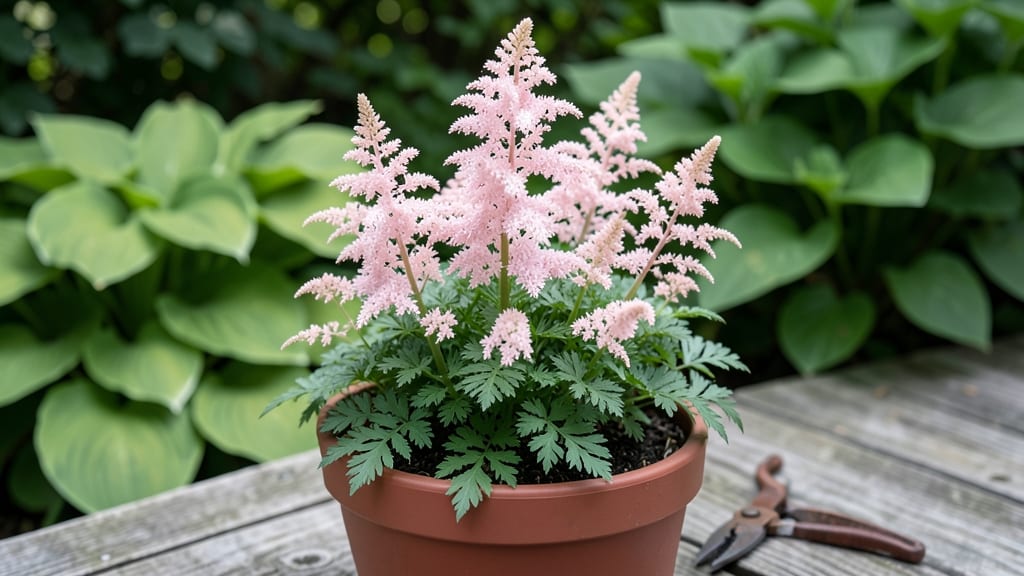
The astilbe flower season arrives just as the Pacific Northwest shakes off its spring rains—plumes of pink, purple, and white that bloom from late May through July in cooler zones. 🌿 I’ve watched them thrive in my own garden through early frosts and late-season heat, proving they’re the unsung hero of summer borders.
The secret lies in their love of moisture and partial shade, which makes them perfect for rainy climates where other flowers wilt.
These frost-resistant beauties do best in zones 3-8, where they handle damp soil and cooler temperatures better than most perennials. Plant them where morning sun warms the leaves but afternoon shade keeps them from drying out—think dappled woodland edges or the north side of your house.
The key to long-lasting blooms? Consistent moisture and well-draining soil rich in organic matter, which keeps those feathery plumes standing tall all season.
With the right care, your astilbes will reward you with 6-8 weeks of nonstop color, often reblooming if you deadhead spent flowers. In warmer climates, they may fade faster, but a mulch layer of compost keeps roots cool and extends their show.
The fragrance isn’t overpowering, but the texture—soft, feathery, and cloud-like—makes them irresistible for cutting or border plantings.
Whether you’re in Seattle’s misty summers or Portland’s dry spells, astilbes adapt beautifully. Just remember: they’re not drought-tolerant, so water deeply during dry spells, and they’ll keep blooming like they’re in their natural Pacific Northwest habitat. Ready to add some airy elegance to your garden?
📚 In This Guide
- What you need
- Instructions
- Tips and common mistakes
- Wrapping up and next steps
What you need
- ● Astilbe plants: Choose frost-hardy varieties like 'Fanal,' 'Glutball,' or 'Deutschland' (3–5 plants per cluster for full impact).
- ● Well-draining soil: Mix 1 part compost + 2 parts native soil (pH 6.0–6.5). Avoid heavy clay.
- ● Mulch: 2–3 inches of shredded bark or wood chips to retain moisture and protect roots.
- ● Slow-release fertilizer: 10-10-10 or 5-10-5 (1 tbsp per plant at planting time).
- ● Garden trowel (for transplanting).
- ● Garden fork (to loosen soil).
- ● Watering can or hose with gentle nozzle (astilbes love moisture!).
- ● Pruners (sterilized, for deadheading).
- ● Gloves (to protect hands from thorns on some varieties).
- ● Peat moss or coconut coir (to improve soil texture in heavy PNW clay).
- ● Epsom salt (1 tbsp dissolved in water monthly for magnesium boost).
- ● Drip irrigation kit (for consistent moisture in dry spells).
- ● Garden stakes or rings (to support tall varieties like 'Deutschland').
How to extend your astilbe flower season in the Pacific Northwest
Here’s how I keep my astilbes blooming longer—even through our region’s unpredictable frosts.
🌱 Step 1: Plant in Late Spring for Optimal Frost Hardiness
Astilbes thrive in the PNW’s cool summers, but timing matters. Plant your 4-6 astilbe plants in late May or early June when soil temperatures reach 55-65°F. This gives roots time to establish before summer heat arrives, making them more resilient to late frosts.
Choose a spot with partial shade—morning sun and afternoon shade protect delicate blooms from scorching. I dig holes twice as wide as the root ball but only as deep, then water deeply to settle the soil. The key is firming roots gently so they don’t float upward when watered.
☀️ Step 2: Mulch Heavily to Protect Roots Through Frost
Once planted, spread 3-4 inches of mulch (I use shredded bark) around the base, keeping it 2 inches away from stems. This insulates roots during our late spring/fall frosts (common in June and September). Check mulch monthly—top it off if it decomposes below 2 inches.
Mulch also retains moisture, which is critical in our dry summer months. You’ll notice fewer wilted leaves and more vibrant blooms when soil stays consistently damp but not soggy. Water deeply once a week during dry spells, aiming for 1 inch of water per week.
✂️ Step 3: Deadhead and Prune for Extended Blooming
After the first flush of blooms fades, cut spent flower stalks back by half using clean, sharp shears. This redirects energy to new growth, often triggering a second bloom in late summer. I prune in early July—just as the first flowers start wilting.
Wait until after the first frost (usually mid-October in the PNW) to cut back foliage completely. Leaving the stems provides winter protection for the crown. You’ll see fresh, lush growth emerge in spring if you skip this step until then.
💧 Step 4: Adjust Watering for Late-Season Frost Resistance
As temperatures drop in September and October, reduce watering to every 10-14 days unless we have a heatwave. Overwatering now can weaken roots before winter. Instead, focus on deep, infrequent watering to encourage deep root growth.
Watch for yellowing leaves—this is your cue to reduce water further. Astilbes are tough, but soggy soil invites rot. A light mulch layer (like straw) over the existing bark mulch adds extra insulation for our 30°F nights that sneak in early.
⏰ Step 5: Prepare for Winter to Ensure Next Year’s Blooms
Once hard frosts (below 25°F) arrive, stop watering entirely. The plants will go dormant, and excess moisture can cause crown rot. I leave the mulch in place through winter—it’s the best frost protection.
In early March, before new growth appears, remove old mulch and add fresh. You’ll see new shoots emerge in 2-3 weeks if you’ve protected the crown properly. This timing ensures a head start on the growing season.
Tips & tricks for extending your astilbe flower season
These simple strategies will help your astilbes thrive through the PNW's unpredictable weather patterns.
Soil Temperature Check: Before planting your 4-6 astilbe plants in late May or early June, test soil temperature with a simple thermometer. Aim for that 55-65°F sweet spot—cooler soils delay root establishment, making plants vulnerable to our late spring frosts. I've found that planting in raised beds warms up faster if your garden soil runs cool.
Mulch Layering Technique: For that crucial 3-4 inch mulch layer, I recommend using a combination of shredded bark and straw. The bark provides long-term insulation, while the straw adds extra frost protection during our 30°F nights that sneak in early. Just remember to keep mulch 2 inches away from stems to prevent rot.
Pruning Timing Secret: That early July pruning in Step 3 is your secret weapon for a second bloom. Look for just the right moment when the first flowers start wilting but haven't completely browned. This timing ensures you're redirecting energy to new growth without stressing the plant too early in the season.
Winter Preparation Insight: When hard frosts hit below 25°F, don't be tempted to remove mulch—it's your plant's best protection. I've seen astilbes survive our harsh winters with proper mulching, while unprotected plants often suffer crown rot. The mulch acts like a cozy blanket, keeping roots just warm enough to survive.
Pro Tips for Astilbe Flower Season
- These simple strategies will help your astilbes thrive through the PNW's unpredictable weather patterns.
- Soil Temperature Check: Before planting your 4-6 astilbe plants in late May or early June, test soil temperature with...
- Mulch Layering Technique: For that crucial 3-4 inch mulch layer, I recommend using a combination of shredded bark and...
Frequently asked questions
When is the best time to plant astilbes in the PNW?
Plant astilbes in early spring (March–April) or fall (September–October) for optimal root establishment. The PNW’s mild, moist climate lets them thrive year-round, but avoid extreme heat or frost when transplanting. Pro tip: Mulch after planting to protect roots during winter!
Why aren’t my astilbes blooming this season?
Common culprits include overcrowding, poor soil drainage, or lack of sunlight (they need partial shade). Deadhead spent blooms to encourage reblooming, and fertilize lightly in spring with balanced 10-10-10. Check: Are leaves yellowing? That could signal root rot!
Can astilbes survive PNW winters without extra care?
Yes! Astilbes are hardy to USDA Zones 3–8, making them perfect for the PNW’s frosty winters. They go dormant but rebound in spring. Bonus: Their feathery foliage adds winter interest if left standing (or trim in late winter for a fresh look).
What’s a great companion plant for astilbes in shady gardens?
Pair astilbes with hostas, heucheras, or ferns for a lush, layered look. For contrast, try bleeding hearts (Dicentra) or Japanese painted ferns. Design tip: Use taller astilbes (like ‘Deutschland’) as focal points!
Where’s the best place to buy PNW-hardy astilbe varieties?
Local nurseries (e.g., Proven Winners or White Flower Farm) offer region-tested varieties. Check gardening forums (like PNW Gardening) for crowd-sourced tips. Watch for: ‘Fanal’ (deep red) or ‘Glut’ (pink) for PNW humidity!
Wrapping up and next steps
Astilbe flowers bring a burst of vibrant color and texture to the Pacific Northwest’s summer gardens, thriving even in cooler climates. Their low-maintenance charm and frost-resistant nature make them a must-have for any gardener—whether you’re a seasoned pro or just starting out. 🌿✨
Now that you’re equipped with the best planting tips, care tricks, and answers to common questions, it’s time to roll up your sleeves! Visit your local nursery, grab a few astilbe plants, and let your garden flourish with these stunning blooms. Happy gardening! 🌸💚