Shrubs
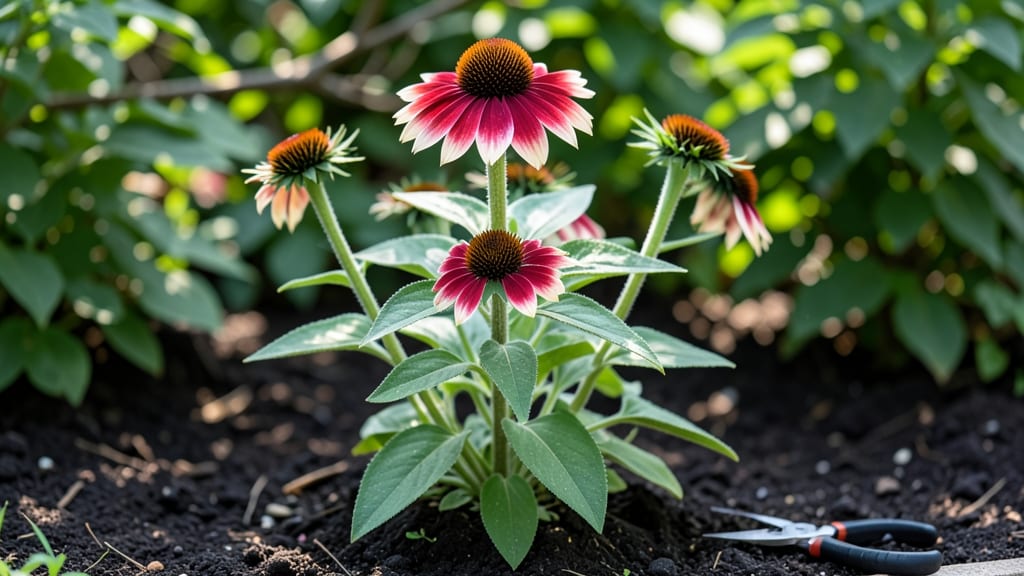
My artisan red ombre coneflower transforms Pacific Northwest gardens into living art—each bloom a masterpiece of deep pink fading to soft white. 🌸 I fell for it the first time I saw one in a misty Seattle garden, its petals catching the light like stained glass.
This isn't just another coneflower; it's a statement piece that thrives in our damp, cool summers while demanding minimal fuss.
The gradient effect makes it the star of borders, cottage-style beds, or pollinator-friendly meadows. Pair it with purple salvias for a dramatic contrast or let it mingle with ferns and hostas for a soft, woodland feel.
Its 3-4 foot height and late-summer-to-fall blooming season ensures color when many gardens fade into green.
You'll love how it doubles as a cut flower—stems last 10-14 days in vases—and dries beautifully for winter arrangements. The seed heads add winter interest, too. Plant it where it gets full sun to partial shade and watch bees, butterflies, and hummingbirds flock to its nectar-rich blooms.
Perfect for modern gardens, traditional cottage layouts, or even urban containers. Here's how to make it the centerpiece of your seasonal display—without sacrificing hardiness or ease of care.
📚 In This Guide
- What you need
- Instructions
- Tips and common mistakes
- Wrapping up and next steps
What you need
- ● Coneflower seeds: Echinacea purpurea (red ombre variety) – 1 packet (50-100 seeds) or 3-5 plants if buying starts.
- ● Well-draining potting mix: 5-gallon bag (look for organic or native plant blends).
- ● Garden soil (amended): Mix with 2-3 inches of compost per square foot for nutrient-rich beds.
- ● Containers or garden bed: For containers: 5-7 gallon pots with drainage holes (terracotta or fabric grow bags work well).
- ● For in-ground planting: Full sun spot (6+ hours/day) with loamy, slightly sandy soil (pH 6.0-7.0).
- ● Watering can or hose with gentle spray nozzle: 1 unit (coneflowers hate soggy roots!).
- ● Organic mulch: 2-3 cubic feet (straw, wood chips, or shredded leaves to retain moisture).
- ● Trowel or hand shovel: For transplanting seedlings.
- ● Gloves: To protect hands during soil prep.
- ● Pruning shears: For deadheading spent blooms (encourages more flowers!).
- ● Soil pH test kit: To ensure optimal growing conditions.
- ● Slow-release fertilizer: Balanced 10-10-10 (1 lb per 100 sq ft, applied in early spring).
- ● Patience: Coneflowers take 60-90 days to germinate and 1-2 years to reach full bloom potential.
- ● Drought tolerance prep: Once established, these plants thrive with minimal watering (1 inch per week).
- ● Wildlife-friendly mindset: Coneflowers attract pollinators—be ready for butterflies, bees, and birds! 🐝🐦
How to grow artisan red ombre coneflower with striking gradient blooms
Here's my foolproof method for cultivating these showstopping perennials in Pacific Northwest conditions.
🌱 Step 1: Select the Perfect Planting Site and Prepare Soil
Coneflowers thrive in full sun—choose a location receiving 6-8 hours of direct sunlight daily. In the Pacific Northwest, this means south- or west-facing spots where morning shade won't linger. I always test the soil first: dig a 6-inch hole, fill it with water, and wait 30 minutes. If water remains, amend with 2-3 inches of organic matter (like compost or aged manure) to improve drainage.
This plant tolerates slightly alkaline to neutral soil (pH 6.0-7.5), but the gradient blooms develop most vividly in well-draining, slightly rocky soil. Mix in 1 part perlite to 4 parts native soil if your garden holds moisture too long. The Pacific Northwest's damp winters can lead to root rot if drainage isn't addressed upfront.
☀️ Step 2: Plant at the Right Time and Depth for Strong Roots
Spring is ideal for planting coneflowers in the Pacific Northwest—late April to early May after the last frost. Dig a hole twice as wide as the root ball but only as deep as the container's base. This prevents burying the crown, which causes rot. Gently remove the plant, loosen the roots if pot-bound, and place it in the hole so the top of the root ball sits level with the surrounding soil. Real talk: I've buried plants too deep before, and they struggled for years.
Backfill with native soil mixed with 1 cup of slow-release fertilizer (10-10-10 ratio) per plant. Water deeply until moisture reaches 6 inches down, then let the soil settle for 24 hours before mulching. Apply 2-3 inches of wood chips or straw, keeping it 3 inches away from the stem to prevent moisture buildup at the base.
💧 Step 3: Water Strategically to Develop Vibrant Gradients
The gradient blooms of Artisan Red Ombre depend on consistent moisture without soggy soil. Water deeply once a week during the first growing season, delivering 1-1.5 gallons per plant until the top 4 inches of soil feel dry. In the Pacific Northwest's rainy climate, this often means skipping watering entirely during winter months—let nature do the work. You'll see the most dramatic color shifts when plants experience moderate drought stress in late summer.
Once established (after 2-3 years), coneflowers are drought-tolerant. Reduce watering to every 2-3 weeks unless your garden experiences extended dry spells. Overwatering in summer causes blossom rot and dulls the gradient effect. Watch for wilting leaves—this is your cue to water, but check soil moisture first. The roots need time to grow deep for that signature Pacific Northwest resilience.
✂️ Step 4: Prune and Deadhead for Continuous Blooms
After the first flush of blooms fades (usually late July), cut back spent stems to 2 inches above the base. This encourages a second bloom cycle in early fall—critical for extending the gradient display in the Pacific Northwest's shorter seasons. I use clean, sharp pruners dipped in rubbing alcohol between cuts to prevent disease spread. Avoid pruning in late summer; the plant needs foliage to photosynthesize for winter.
Leave some seed heads for winter interest, but remove no more than 30% of the plant's stems at once. The gradient blooms develop most vividly when the plant isn't over-pruned. In early spring, trim back any dead or damaged growth to 1/3 of the plant's height, shaping it into a rounded mound. This ensures the iconic cone-shaped blooms have room to develop their signature color transitions.
🌿 Step 5: Overwinter for Next Year's Bold Display
The Pacific Northwest's mild winters are perfect for coneflowers, but mulching is non-negotiable. In late fall, apply 4-6 inches of straw mulch, piling it 2 inches deep around the base. This insulates roots from freeze-thaw cycles while preventing soil compaction. I always mark planting locations with stakes so I don't disturb the mulch in spring—new growth emerges earlier than you'd expect.
Skip fertilizing in winter. The plant enters dormancy, and feeding now encourages weak, leggy growth that struggles with spring's cooler temperatures. Resume light feeding in early March with a balanced 10-10-10 fertilizer, applying 1/4 cup per plant. The gradient blooms will reward your patience with vibrant pink-to-red transitions that last from mid-July to October—long after most perennials have faded.
Tips & tricks for perfect artisan red ombre coneflower cultivation
A few strategic moves will help you coax those stunning gradient blooms from your Pacific Northwest garden.
Soil Test First: The 30-minute drainage test in Step 1 is non-negotiable—this prevents the root rot that plagues so many Pacific Northwest gardens. I've seen coneflowers struggle in soggy soil for years after planting. If your soil drains poorly, mix in that 1 part perlite to 4 parts native soil ratio religiously. The gradient blooms won't develop their full color intensity without proper drainage, especially in our damp climate. For extra insurance, consider planting on a slight mound if your yard tends to pool water.
Planting Depth Matters: In Step 2, that "level with the surrounding soil" rule is critical—burying the crown even an inch too deep will cause rot. I've planted dozens of coneflowers and learned this the hard way: use a small stake to mark the original soil line on the root ball before planting. The Pacific Northwest's mild winters mean plants stay active longer, so proper depth prevents winterkill. Also, loosen those pot-bound roots gently—don't tear them, just encourage them to spread outward in their new home.
Watering Strategy: The once-weekly watering in Step 3 needs adjustment for our rainy region. Most years, I skip supplemental watering entirely during winter months—let the natural rainfall do the work. What matters most is that moderate drought stress in late summer (when you might water every 2-3 weeks) actually intensifies those gradient colors. The wilting leaves cue is your friend, but always check soil moisture first—the Pacific Northwest's unpredictable weather can fool you.
Pruning Precision: When deadheading in late July (Step 4), cut back to exactly 2 inches above the base—no more, no less. This precise height encourages that second bloom cycle while maintaining plant health. I've seen gardeners get impatient and cut too aggressively, which can reduce next year's flower production. And that 30% stem removal limit is real: over-pruning stresses the plant and can dull those signature color transitions. Think of it as sculpting rather than hacking.
Pro Tips for Artisan Red Ombre Coneflower
- A few strategic moves will help you coax those stunning gradient blooms from your Pacific Northwest garden.
- Soil Test First: The 30-minute drainage test in Step 1 is non-negotiable—this prevents the root rot that plagues so m...
- Planting Depth Matters: In Step 2, that "level with the surrounding soil" rule is critical—burying the crown even an ...
Frequently asked questions
Got questions about growing artisan red ombre coneflower in your Pacific Northwest garden?
You’re not alone! Here are answers to the most common queries—from planting tips to troubleshooting—so you can cultivate stunning gradient blooms with confidence.
When is the best time to plant artisan red ombre coneflower?
Plant your coneflowers in early spring (March–April) or early fall (September–October) for the best root establishment. The Pacific Northwest’s mild winters make fall planting ideal—just ensure the soil isn’t frozen. Avoid summer planting, as the heat can stress young roots.
How much water does this coneflower need?
Water deeply once a week during the first growing season to encourage strong roots. Once established, these drought-tolerant beauties thrive with minimal watering—only during prolonged dry spells. Overwatering can lead to root rot, so well-draining soil is key!
Can I grow artisan red ombre coneflower in containers?
Choose a large container (at least 12–15 inches deep) with drainage holes and a high-quality potting mix. Opt for terracotta or fabric pots to prevent overheating. Just remember: container-grown coneflowers may need more frequent watering than in-ground plants.
What pests or diseases should I watch for?
Coneflowers are generally low-maintenance, but keep an eye out for aphids, Japanese beetles, or powdery mildew in humid conditions. Neem oil or a strong spray of water can deter pests, while improving airflow around plants prevents mildew. Healthy soil and spacing reduce most issues!
How do I extend the gradient effect in my garden?
Pair your artisan red ombre coneflower with purple or white coneflowers for a seamless gradient display. Add salvia, black-eyed Susans, or ornamental grasses to complement the bold colors. Plant in drift-like groupings (3–5 plants per cluster) for a natural, eye-catching transition.
Wrapping up and next steps
Transforming your Pacific Northwest garden with artisan red ombre coneflowers is a rewarding journey—one that brings bold color, resilience, and natural beauty to your outdoor space. 🌸 Their striking gradient blooms and low-maintenance nature make them a standout choice for any gardener, whether you're a seasoned pro or just starting.
Ready to elevate your landscape? Start by selecting your plants, prepping the soil, and planting with confidence—your garden will thank you!
Next steps:
- 🌱 Order your coneflowers from a trusted local nursery or online retailer.
- 📅 Mark your calendar for the best planting window in early spring or fall.
- 💬 Share your progress—tag us in your garden photos for inspiration!