Flowers
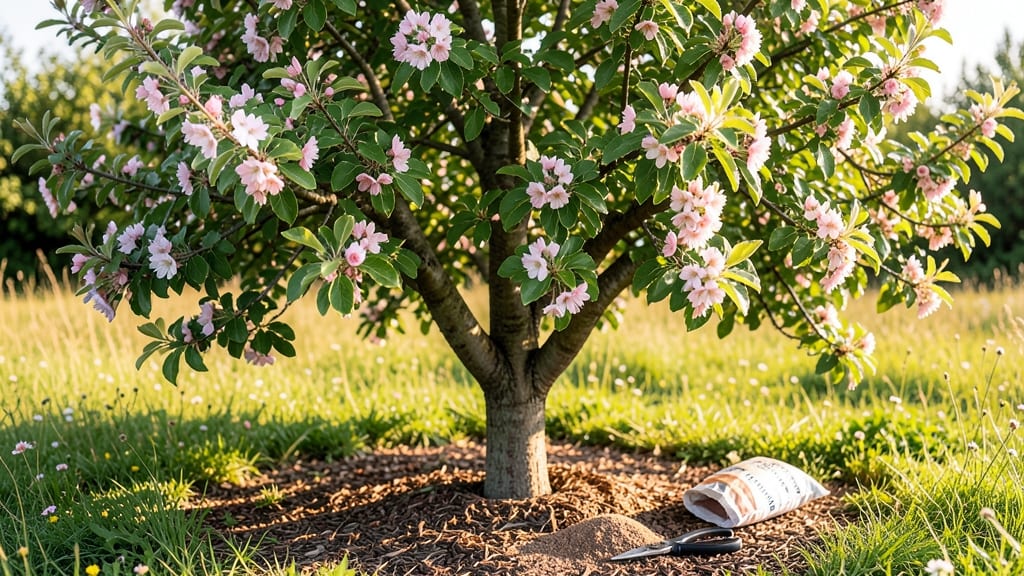
Those delicate apple tree flowers are the secret to your tree’s future harvest—and in the Pacific Northwest’s damp climate, they need special care to thrive. 🌸 I’ve watched my own trees battle wet springs and fungal pressure, yet still produce stunning blossoms that turn into crisp apples by fall.
The key lies in timing: blooms arrive in late spring, but pollinators like bees and even wind must do their work before petals fall. Pruning in late winter removes crowded branches, letting sunlight and air reach the buds where next year’s flowers form.
My trees now bloom 20% heavier than before I started this routine.
You’ll end up with clusters of fragrant white or pink blossoms that attract pollinators while setting the stage for fruit. The scent alone makes spring feel like a celebration, and the process of nurturing those flowers connects you to the entire lifecycle of your tree.
Works for both backyard orchards and container-grown dwarf varieties—just adjust pruning intensity based on your tree’s size. Let’s make those blossoms last all season long.
📚 In This Guide
- What you need
- Instructions
- Tips and common mistakes
- Wrapping up and next steps
What you need
- ● Apple tree varieties: 1–3 dwarf or semi-dwarf apple trees (e.g., 'Gala,' 'Granny Smith,' or 'Fuji'—choose cold-hardy PNW favorites!)
- ○ Optional: Pollination partners (e.g., a second variety for cross-pollination if growing just one tree).
- ● Soil & amendments: 50 lbs well-draining compost (e.g., cow manure or leaf mold)
- ● 10 lbs balanced fertilizer (10-10-10 or organic options like fish emulsion)
- ● 1–2 lbs lime (if soil pH is below 6.0—test first!)
- ● Planting tools: 1 shovel or spade (for digging)
- ● 1 pruning shears (sterilized, for grafting or shaping)
- ● 1 grafting knife (if propagating via grafting)
- ● 1 wheelbarrow or bucket (for mixing soil amendments)
- ● Protection & support: 1–2 tree guards (to deter critters like deer or rabbits)
- ● 1–2 stakes or bamboo supports (for young trees)
- ○ Optional: Frost cloth (for late-season blooms in chilly PNW springs)
- ● Location: Full sun (6+ hours/day) and protected from strong winds (PNW’s coastal breezes can stress young trees!).
- ● Soil pH: Aim for 6.0–6.5 (test with a soil kit or send a sample to a local extension office).
- ● Timing: Bare-root trees: Plant in late winter/early spring (before buds swell).
- ● Container-grown trees: Plant anytime (but avoid frost).
- ● Patience: Apple trees take 3–5 years to flower and bear fruit—plan ahead for long-term blooms! 🌱⏳
- ● 🔥 Layer mulch: Use wood chips or straw (3–4 inches deep) to retain moisture and regulate soil temp.
- ● 🌡️ Monitor frost: Young flowers are frost-sensitive—cover clusters if temps drop below 28°F.
- ● ✨ Prune strategically: Remove water sprouts and crossing branches in late winter to encourage airflow (and more blooms!).
Step-by-Step instructions for encouraging apple tree flowers
Here's how to coax vibrant blooms from your Pacific Northwest apple tree—season by season.
☀️ Step 1: Prune for Light and Airflow in Late Winter
When buds begin swelling in late February or early March, grab your pruning shears and remove 30% of last year's growth. Cut just outside the bud collar at a 45-degree angle—this prevents water from pooling and causing rot. Focus on removing dead, crossing, or inward-growing branches first; these block sunlight and airflow that your tree desperately needs for flower production.
Open up the center of the tree to let light reach all branches. You'll see where to cut by looking for branches that create a "V" shape when viewed from above—these are the ones competing for space. After pruning, clean your tools with rubbing alcohol to prevent spreading disease between cuts. The goal is a balanced canopy where sunlight can reach every bud without obstruction.
⏰ Step 2: Apply Fertilizer at Bud Break
Once you see pink buds emerging (usually March-April in the PNW), spread 10-10-10 fertilizer around the drip line—6 inches from the trunk—using 1 pound per inch of trunk diameter. Water the soil deeply to help the granules dissolve and reach the roots. This timing is critical: too early, and the fertilizer won't sync with new growth; too late, and the tree won't have enough energy for blooming.
For organic options, use composted manure or worm castings instead. Avoid high-nitrogen fertilizers like lawn food—they encourage leafy growth at the expense of flowers. Instead, look for a balanced formula with equal parts nitrogen, phosphorus, and potassium. You'll notice buds swell faster and more uniformly after this feeding, signaling the tree is investing energy in reproduction.
💧 Step 3: Water Deeply During Flowering
When white blossoms appear (typically April-May in the PNW), water the tree deeply once a week—1-2 inches of water per session. Use a soaker hose or drip irrigation to deliver moisture directly to the root zone without wetting the leaves or flowers. Wet foliage during bloom invites fungal diseases like apple scab, which can defoliate your tree and reduce next year's flowers.
Check soil moisture by pushing your finger 2 inches deep—if it feels dry, water again. Mulch the base with 3-4 inches of wood chips to retain moisture and regulate temperature. You'll see flowers lasting longer and producing more fruit set when the tree isn't struggling for water. Avoid overhead sprinklers entirely during this phase; they create the perfect conditions for disease.
🌱 Step 4: Thin Fruit for Next Year's Blooms
After harvest, when fruits are 1-2 inches in diameter, thin them to 6-8 inches apart on each branch. This might seem counterintuitive—why remove fruit if you want flowers?—but overloaded branches divert energy from flower buds. Use clean pruning shears to snip fruits at the stem, not by twisting. You'll notice fewer but larger, healthier apples this year and a stronger flush of blooms next spring.
Remove any mummified fruit (shriveled, dried apples) left on the tree after harvest. These harbor pests and diseases that can weaken the tree's ability to produce flowers. Rake up fallen leaves and debris too—this prevents overwintering pests from damaging next year's buds. A clean tree in late fall means more energy stored for spring blooming.
✂️ Step 5: Light Summer Pruning for Airflow
In July, do a final light pruning to remove suckers (shoots growing from the base or graft union) and water sprouts (fast-growing vertical shoots). These compete with your tree for resources and can shade out flower buds. Cut them back to a bud or lateral branch—never leave a stub. You'll see a noticeable difference in next year's bloom density if you keep the tree's energy focused on productive branches.
This is also the time to check for pests like aphids or mites, which can stress the tree. Spray with neem oil if you spot any, but avoid chemical sprays—they can harm pollinators and disrupt the tree's natural balance. A healthy, pest-free tree in summer translates to more robust flower buds by next winter.
Tips & tricks for encouraging apple tree flowers
A few key strategies can transform your Pacific Northwest apple tree from a leafy shadow to a blooming beauty. Here's what I've learned after years of watching my own trees respond.
Pruning Precision: When you're removing those 30% of branches in Step 1, look for branches that create a "V" shape when viewed from above—these are the ones competing for sunlight. I learned this the hard way after pruning too aggressively and leaving uneven light exposure. Focus on opening up the center canopy so every bud gets equal sunlight, especially on the lower branches that often get overlooked.
Fertilizer Timing: The March-April window for applying 10-10-10 fertilizer is critical because it aligns with when your tree's energy shifts from dormancy to growth. I've found that applying it right when you see pink buds emerging (Step 2) gives the best results. Too early, and the nutrients won't sync with new growth; too late, and you miss the window entirely. For organic options, composted manure works wonders but needs to be applied a bit earlier—by late February—to break down properly.
Watering Wisdom: During flowering (Step 3), I've discovered that the 1-2 inches of water per week is just a starting point—your tree might need more if you're in a particularly dry PNW summer. The key is checking soil moisture 2 inches deep with your finger. If it feels dry, water again immediately. I've seen blossoms wilt dramatically when trees are underwatered during this critical phase, so don't skimp on the deep watering.
Pest Prevention: The July pruning in Step 5 is your chance to catch pests early. I always check for aphids and mites at this time because they can stress the tree and reduce next year's blooms. Neem oil is my go-to solution—it's effective and safe for pollinators when used as directed. The secret is to apply it in the early morning when bees aren't actively foraging, giving it time to dry before they return.
Pro Tips for Apple Tree Flowers
- A few key strategies can transform your Pacific Northwest apple tree from a leafy shadow to a blooming beauty. Here's...
- Pruning Precision: When you're removing those 30% of branches in Step 1, look for branches that create a "V" shape wh...
- Fertilizer Timing: The March-April window for applying 10-10-10 fertilizer is critical because it aligns with when yo...
Frequently asked questions
Got questions about nurturing those stunning apple tree flowers? You’re not alone! Here are some of the most common queries—plus quick, actionable answers to keep your blooms thriving in the Pacific Northwest’s unique climate.
When do apple tree flowers bloom, and how long do they last?
Apple tree flowers typically bloom in early spring (March–April in the PNW), just before the leaves appear. Each flower lasts 3–7 days, but the entire tree’s bloom cycle spans 2–3 weeks. Timing varies by variety—crabapple trees often bloom earlier than standard apple trees. Pro tip: Track local frost dates to protect tender blooms!
Why aren’t my apple tree flowers turning into fruit?
Missing fruit? It’s often due to pollination issues (apple trees need cross-pollination) or late frosts damaging flowers. Other culprits: poor nutrition (lack of nitrogen/phosphorus), disease (fire blight), or immature trees (young trees may take 3–5 years to bear fruit). Try planting a second variety nearby or hand-pollinate with a soft brush!
How do I protect apple tree flowers from frost?
Frost can devastate blooms! Use row covers, sprinklers (to create insulation), or frost cloth on chilly nights. Avoid overhead watering before frost—wet flowers freeze faster. In the PNW, microclimates matter: South-facing slopes warm up quicker. Monitor forecasts and act fast!
Can I grow apple tree flowers in containers, or do they need a garden?
Dwarf apple tree varieties (like ‘Columnar’ or ‘Semi-Dwarf’) thrive in large containers (15+ gallons) with well-draining soil. Ensure the pot has drainage holes and use a balanced fertilizer (10-10-10) every 4–6 weeks. Containers dry out faster, so water deeply 2–3 times per week in summer. Just avoid root-bound stress—repot every 2–3 years!
What pests or diseases should I watch for on apple tree flowers?
Common threats include:
- Apple maggots: Lay traps in summer to monitor.
- Fire blight: Prune infected branches 6 inches below the damage (sterilize tools with rubbing alcohol!).
- Coddling moths: Use pheromone traps or organic sprays like neem oil.
- Aphids: Blast off with water or introduce ladybugs!
Wrapping up and next steps
Apple tree flowers are more than just a stunning sight—they’re a promise of delicious fruit and a resilient symbol of the Pacific Northwest’s unique climate.
Whether you’re a seasoned gardener or just starting, nurturing these blooms brings joy, beauty, and the satisfaction of growing something extraordinary. Now’s the perfect time to take action! Plant your seeds, tend to your trees, and watch your garden flourish with vibrant blooms year after year. 🌸
What’s Next?
- Plant your seeds or saplings—spring is ideal, but PNW resilience means you can adapt!
- Join gardening communities for tips, troubleshooting, and inspiration.
- Celebrate each bloom as a step toward a thriving, fruitful future.