Flowers
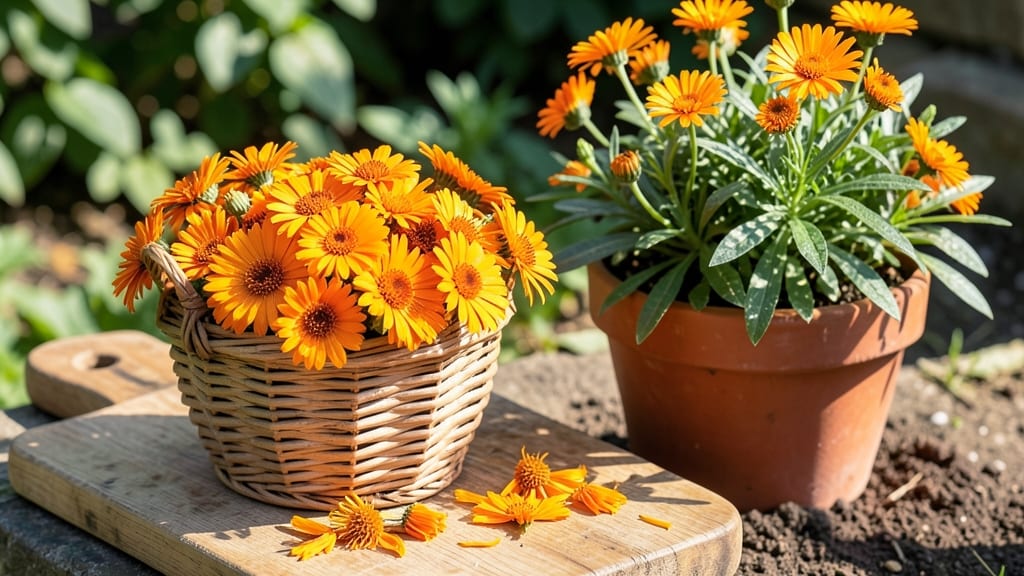
Calendula flowers are the secret weapon in my garden—bright orange petals that taste like sunshine, heal minor scrapes, and even keep pests at bay. 🌼 I used to toss them after the blooms faded, but now I harvest them for everything from fragrant teas to homemade skincare.
The best part? They thrive in poor soil and bloom all summer, so you’ll always have a fresh supply on hand.
Start with just a few basics: a clean pair of scissors, a basket for harvesting, and jars for drying or freezing. Pick petals in the morning after the dew dries but before the sun peaks—this preserves their vibrant color and potency.
You’ll need about a cup of fresh petals for a batch of tea or salve, and they keep their flavor and medicinal properties for months when stored properly.
Your harvest can transform into golden tea that soothes sore throats, peppery garnishes for salads, or homemade salves that heal cuts faster than store-bought ointments. The petals also make stunning dried bouquets or potpourri that smells like a summer meadow.
Every part of the plant has a purpose, so nothing goes to waste.
Whether you’re a first-time gardener or a seasoned green thumb, calendula’s versatility makes it a must-have. Try one new use this season—your kitchen, medicine cabinet, and garden will thank you. The possibilities start with a simple snip and a little creativity.
📚 In This Guide
- What you need
- Instructions
- Tips and common mistakes
- Wrapping up and next steps
What you need
- ● Fresh or dried calendula petals: At least ½ cup (60g) for tea or culinary uses (more for larger batches).
- ● Ensure they’re pesticide-free (organic is best!).
- ● For tea: 1 cup (240ml) boiling water.
- ○ Optional: Honey, lemon, or mint for flavor.
- ● For salads/dishes: 1–2 tbsp chopped petals (adjust to taste).
- ● Base ingredients (e.g., greens, cheese, nuts, or vinaigrette).
- ● For skincare (infused oil or salve): ½–1 cup carrier oil (e.g., jojoba, olive, or almond oil).
- ● Small glass jar with lid (sterilized).
- ○ Optional: Beeswax (2 tbsp) + coconut oil (2 tbsp) for salve.
- ● Tools: Chef’s knife or scissors (for trimming stems).
- ● Fine-mesh strainer or cheesecloth.
- ○ Mortar and pestle (optional, for crushing petals).
- ○ Blender or food processor (optional, for oil infusions).
- ● Dried calendula petals for potpourri or homemade bath salts.
- ● Glycerin (for homemade calendula glycerite).
- ● Vitamin E oil (preservative for DIY balms).
- ● Essential oils (e.g., lavender) to enhance skincare blends.
Creative ways to use calendula flowers beyond the garden
Once you've grown these cheerful blooms, don't let them go to waste—calendula's versatility makes it a gardener's secret weapon.
🌿 Step 1: Harvest and Prepare Petals for Culinary Use
Pick flowers in the morning after dew has dried, choosing fully open blossoms with vibrant petals. Use clean, sharp scissors to snip stems just above the first set of leaves—this encourages more blooms. Gently pull apart petals from the center, discarding any green or discolored parts. You'll need about 1 cup of petals for most recipes.
For best flavor, store petals in an airtight container in the fridge for up to 2 weeks or dry them completely by spreading on a screen in a warm, dark place for 3-5 days. I like to dry mine in single layers so they crisp up evenly. Once fully dry, they'll keep for months in a sealed jar.
💧 Step 2: Make Calendula-Infused Tea or Vinegar
For tea, steep 1 tablespoon of dried petals in 1 cup of hot water for 5-10 minutes—the longer it steeps, the more bitter it becomes. Strain through a fine mesh sieve or cheesecloth. I add a touch of honey to balance the earthy flavor. This tea soothes sore throats and has anti-inflammatory properties.
For vinegar, fill a clean glass jar with fresh petals and cover completely with apple cider vinegar. Seal tightly and let sit in a sunny window for 2-4 weeks, shaking occasionally. Strain and store in a dark bottle. This vibrant vinegar adds color and a gentle tang to salad dressings or marinades.
☀️ Step 3: Create Natural Skincare Remedies
Make a simple calendula salve by melting ½ cup of beeswax and 1 cup of coconut oil together in a double boiler. Remove from heat and stir in ¼ cup of calendula-infused oil (made by steeping petals in oil for 2 weeks). Pour into small jars and let cool. This soothing balm helps with minor cuts, burns, or dry skin.
For a facial toner, blend ½ cup of dried petals with 1 cup of witch hazel in a jar. Let it sit for 1 week, shaking daily, then strain. Store in a spray bottle. Spritz on skin after cleansing—it tightens pores and reduces redness. I keep mine in the fridge for an extra calming effect.
✂️ Step 4: Preserve for Long-Term Use
For dried flower arrangements, hang small bunches upside down in a dry, dark place for 1-2 weeks**. The petals will crisp and maintain their color beautifully. I often weave these into wreaths or scatter them in potpourri mixes. Their cheerful orange hue brightens any space.
To make calendula powder, pulse dried petals in a food processor until finely ground. Store in an airtight container. This powder adds color to homemade granola, sprinkles for baked goods, or even as a natural food coloring. I've used it to tint homemade soap and candles too—just a pinch goes a long way.
🪴 Step 5: Share the Harvest with Others
Bundle fresh stems with rubber bands and attach a handwritten tag with care instructions. Calendula makes wonderful gifts for friends who enjoy gardening or natural remedies. I've given bundles to neighbors with notes about how to use the petals—it's always a conversation starter.
For those who prefer dried goods, package petals in small muslin bags or decorative jars. Include a recipe card with one of the ideas from this guide. People love receiving something they can both enjoy and use creatively. The key is presentation—even simple packages feel special when they're thoughtful.
Tips & tricks for perfect calendula flower uses
Here's what nobody tells you about getting the most out of your calendula harvest—these little tricks make all the difference.
Harvesting Timing: Always pick calendula petals in the morning after the dew has dried, but before the heat of the day sets in. The petals will be at their most vibrant and flavorful. I've learned this the hard way after harvesting wilted petals that lost their bright color and flavor within hours.
Storage Wisdom: When storing fresh petals in the fridge, place them in a paper towel-lined container to absorb any excess moisture. This prevents sogginess and keeps them fresh for the full 2 weeks. For drying, I use a dehydrator set to 95°F for 3-4 hours—it's faster than air drying and preserves the color better. Once completely dry, store in airtight containers away from light to maintain their potency.
Infusion Technique: For the calendula-infused oil used in salves, I like to use a slow cooker on low heat for 2 weeks instead of just steeping at room temperature. This method extracts more of the beneficial compounds while keeping the oil stable. Just make sure to keep the jar tightly sealed and out of direct sunlight during the process.
Gifting Presentation: When sharing your harvest, consider adding a small wooden spoon or a mini mortar and pestle with your calendula bundles. These little extras make the gift feel more complete and give recipients ideas for how to use their new calendula. I've found that people appreciate the thoughtfulness more than the actual calendula itself!
Pro Tips for What To Do With Calendula Flowers
- Here's what nobody tells you about getting the most out of your calendula harvest—these little tricks make all the difference.
- Harvesting Timing: Always pick calendula petals in the morning after the dew has dried, but before the heat of the day sets in.
- Storage Wisdom: When storing fresh petals in the fridge, place them in a paper towel-lined container to absorb any excess moisture.
Frequently asked questions
Got questions about calendula flowers? You’re not alone! Here are some of the most common queries—and straightforward answers to help you make the most of these versatile petals.
Can I eat calendula petals raw, or do I need to cook them?
You can absolutely eat calendula petals raw! They’re mild, slightly peppery, and add a pop of color to salads, garnishes, or fruit salads. For a more concentrated flavor, lightly sauté them in butter or blend into pestos. Just ensure they’re pesticide-free if harvesting from your garden.
How long do calendula petals stay fresh for culinary or skincare use?
Fresh calendula petals last about 3–5 days in the fridge, wrapped in a damp paper towel. For longer storage, dry them in a cool, dark place (1–2 weeks) or freeze them for up to 3 months. Dried petals are perfect for teas, infusions, and skincare blends!
What’s the best way to dry calendula petals for tea or remedies?
Hang petals in small bundles or lay them on a screen in a warm, dark spot for 1–2 weeks. Avoid direct sunlight to prevent fading. Once fully dry (crispy to the touch), store in airtight jars. For faster drying, use a dehydrator at 95°F (35°C) for 2–3 hours.
Are there non-edible alternatives if I can’t find calendula?
Yes! Try nasturtiums (edible, peppery), rose petals (mild, floral), or hibiscus (tart, great for teas). Just avoid toxic flowers like daffodils or lilies. Always research before substituting!
Why does my homemade calendula salve turn out greasy or runny?
Greasy salves often mean too much oil or wax. For a firmer texture, use a 1:5 ratio of dried petals to oil (e.g., olive or coconut oil) and add 1 part beeswax per 4 parts oil during infusion. Cool slowly to set properly.
Wrapping up and next steps
Calendula flowers are a versatile treasure—whether you're sipping their soothing tea, brightening up salads, or crafting natural skincare remedies, these golden petals bring beauty and wellness to your life. 🌼 From culinary delights to DIY projects, there’s no shortage of ways to enjoy their vibrant charm.
So, why not start small? Try infusing a batch of calendula-infused oil or whipping up a simple petal salad this weekend. Your kitchen—and skin—will thank you!
Ready to dive deeper? Explore our guide to growing calendula at home or browse more herbal recipes to keep the creativity flowing!