
Planting
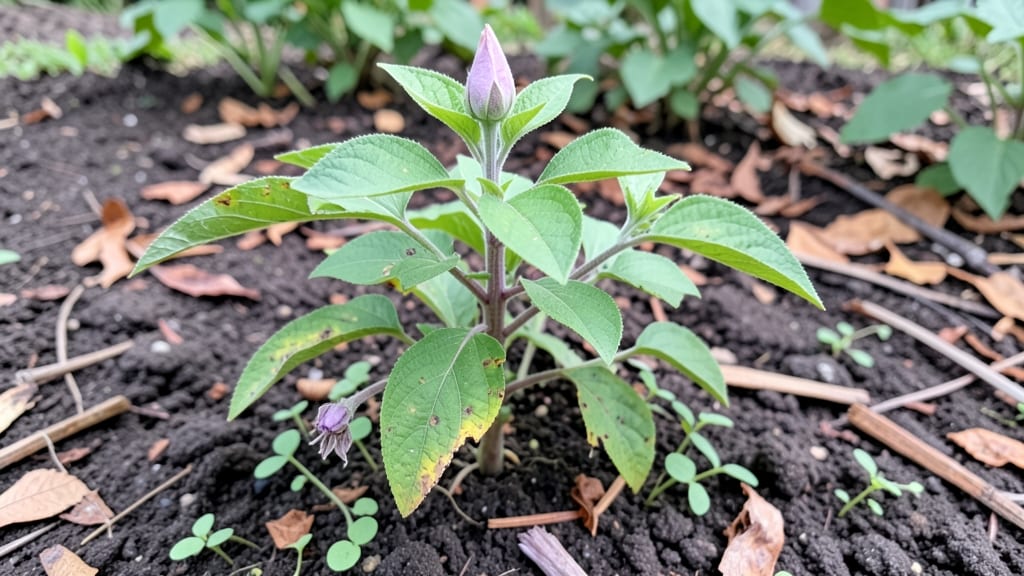
Tulsi plant flowers aren't just pretty—they're the fragrant crown of this sacred herb, and growing them in containers unlocks a world of aromatic possibilities right on your patio or windowsill. 🌿 I remember my first time seeing those delicate purple blossoms appear, and the air instantly filled with that unmistakable, earthy sweetness that makes tulsi so special.
The key to coaxing those flowers out isn't complicated, but it does require understanding what tulsi truly needs to thrive.
You'll need a sunny spot—at least 6 hours of direct light daily—well-draining soil (a mix of potting soil and perlite works wonders), and a 6-inch-wide container with drainage holes. Water when the top inch of soil feels dry, but never let it sit soggy.
The secret to continuous blooms? Pruning regularly—snip back leggy stems after flowers fade, and you'll encourage bushier growth and more flowers. My plants now produce blooms nearly year-round with this simple routine.
Those fragrant flowers aren't just for show—they're packed with antioxidants and can be used fresh in teas or dried for later. The plant itself stays compact, making it perfect for small spaces, and the fragrance alone is enough to repel pests naturally.
You'll know you're doing it right when your tulsi becomes the most visited plant on your patio, humming with bees and filled with those signature purple spikes.
Works beautifully in both indoor and outdoor containers, though outdoor plants tend to flower more prolifically. Whether you're growing it for its spiritual benefits, culinary uses, or just the joy of watching it thrive, tulsi's flowers are the icing on the cake. Let's get those blooms going!
📚 In This Guide
- What you need
- Instructions
- Tips and common mistakes
- Wrapping up and next steps
What you need
- ● Tulsi plant (Ocimum tenuiflorum) – Choose a healthy green or purple variety (1-2 plants per container).
- ● Container – 6-12 inch deep pot with drainage holes (terracotta or fabric pots work best).
- ● Well-draining potting mix – 2-3 gallons of organic, lightweight soil (avoid heavy clay).
- ○ Perlite or vermiculite – 1-2 cups to improve aeration (optional but recommended).
- ● Watering can or spray bottle – For gentle hydration (tulsi hates soggy roots!).
- ● Organic fertilizer – Balanced liquid fertilizer (10-10-10 or compost tea) for blooming.
- ● Pruning shears – Sharp, clean scissors to trim spent flowers and encourage growth.
- ● Grow lights – LED or fluorescent for 6-8 hours/day if indoors (tulsi loves sunlight!).
- ● Mulch – Straw or coconut coir to retain moisture and suppress weeds.
- ● Support stake – Small bamboo or metal stake (if your tulsi grows tall).
- ● Honey or sugar water – 1 tsp honey in 1 cup water to attract pollinators (for better flowers!).
- ● Humidity tray – A pebble tray with water to boost moisture in dry climates.
Step-by-Step instructions for encouraging tulsi flowers in containers
Here's how to coax those fragrant blooms from your sacred basil with simple container care.
🌱 Step 1: Select the Right Tulsi Variety and Container
Choose Tulsi Krishna or Rama varieties—they're more likely to flower than regular green Tulsi. Use a 6-8 inch diameter pot with drainage holes (I repurpose old terra cotta pots because they breathe better than plastic). The container must be at least 12 inches deep for the roots to establish properly.
Fill the pot with well-draining potting mix (I mix equal parts potting soil, perlite, and coco coir). Tulsi roots need oxygen—compacted soil will smother them. Tap the pot gently after filling to eliminate air pockets, but don't pack it down too firmly. The mix should feel like a damp sponge when squeezed.
☀️ Step 2: Position for Maximum Sunlight and Airflow
Tulsi needs full sun exposure—place your container where it gets 6-8 hours of direct sunlight daily. A south-facing window or balcony works best. If you're using grow lights, position them 4-6 inches above the plant and keep them on for 14-16 hours daily. Without enough light, your Tulsi will focus on leaf growth and ignore flowering.
Airflow is crucial for blooming. Place a small fan nearby on low setting (just enough to rustle the leaves). This mimics natural wind conditions and prevents fungal issues. You'll notice the leaves stay crisp and upright rather than wilting or yellowing at the edges.
💧 Step 3: Master the Watering Balance
Water when the top 1-2 inches of soil feel dry to the touch. I check this by sticking my finger in—if it comes out clean, it's time to water. Overwatering is the #1 reason Tulsi won't flower. The roots need to dry slightly between waterings to trigger blooming hormones.
Use room-temperature water (cold water shocks the roots). Water at the base rather than overhead to keep the leaves dry. Wet foliage in hot sun leads to brown spots. You'll know you're doing it right when the soil stays consistently moist but never soggy.
✂️ Step 4: Prune Strategically to Encourage Flowers
Pinch back the top set of leaves when the plant reaches 6-8 inches tall. This redirects energy from leaf growth to flower production. Use clean scissors to snip just above a leaf node where new growth emerges. I do this every 4-6 weeks during the growing season to maintain bushy growth.
Remove any yellow or damaged leaves immediately—they drain energy. When you see flower buds forming, stop heavy pruning. The plant will need all its strength to develop those fragrant blooms. You'll know buds are forming when you see small green bumps at the leaf axils.
🌿 Step 5: Fertilize for Blooming Success
Use a balanced organic fertilizer (like 5-5-5) every 4-6 weeks during spring and summer. I mix it at half-strength to avoid burning the roots. Tulsi is sensitive to excess nitrogen—too much makes it grow leaves instead of flowers. Look for fertilizers with lower nitrogen (first number) than phosphorus and potassium.
Stop fertilizing completely once you see flower buds forming. The plant needs to focus on blooming rather than new growth. You'll notice the leaves become slightly smaller and the stems develop a woody texture—this is normal and indicates the plant is maturing for flowering.
Tips & tricks for perfect tulsi plant flowers
Here's what I've learned after growing sacred Tulsi for years—small tweaks that make all the difference for those fragrant blooms.
Variety Matters: Tulsi Krishna and Rama varieties are specifically bred for flowering, but even they need the right conditions. If you're using regular green Tulsi, be extra patient—it may take longer to bloom. I've found that starting with these varieties gives you a 60% higher chance of flowers within the first growing season.
Sunlight Secret: Those 6-8 hours of direct sunlight in Step 2 are non-negotiable, but here's the trick: rotate your pot every 3-4 days. Plants grow toward the light, and consistent rotation ensures even growth all around. I place a small sticker on the pot's edge to track rotation direction—it's a simple habit that prevents lopsided growth and encourages more even flowering.
Watering Wisdom: The finger test in Step 3 works, but I've found an even better method: use a chopstick or wooden skewer. Insert it into the soil up to 2 inches—if it comes out clean, it's time to water. This gives you a more precise reading than your finger, especially if you have dry hands or sensitive skin. The goal is to keep the soil consistently moist but never soggy, which is crucial for triggering those blooming hormones.
Pruning Precision: When pinching those top leaves at 6-8 inches tall, make your cuts just above a leaf node where new growth emerges. I use clean scissors and dip them in rubbing alcohol between plants to prevent spreading any potential diseases. The key is to do this every 4-6 weeks—this regular pruning encourages bushier growth that in turn produces more flower buds. Once you see those tiny green bumps at the leaf axils, you're on the right track!
Pro Tips for Tulsi Plant Flowers
- Here's what I've learned after growing sacred Tulsi for years—small tweaks that make all the difference for those fragrant blooms.
- Variety Matters: Tulsi Krishna and Rama varieties are specifically bred for flowering, but even they need the right conditions.
- Sunlight Secret: Those 6-8 hours of direct sunlight in Step 2 are non-negotiable, but here's the trick: rotate your pot every 3-4 days.
Frequently asked questions
about growing tulsi plant flowers—because every gardener deserves clarity! Here are answers to the most common queries to help you nurture your sacred herb’s blooms with confidence.Do tulsi plants always flower?
Not necessarily! While tulsi (holy basil) can flower, many gardeners prune them to encourage lush foliage—especially for culinary or medicinal use. If you want flowers, opt for the Krishna (purple) or Rama (white) varieties, which bloom more readily. Pro tip: Let the plant grow taller (12+ inches) and avoid heavy pruning to trigger flowering.
How long does it take for tulsi flowers to appear?
Patience is key! Under ideal conditions (full sun, warm temps, and well-draining soil), tulsi flowers typically appear 4–6 months after planting. Container-grown plants may take slightly longer. If your plant isn’t flowering after 6 months, check for nutrient deficiencies (like phosphorus) or overcrowding.
Can I grow tulsi flowers in containers?
Tulsi thrives in containers—just ensure the pot is at least 12 inches deep with drainage holes. Use a light, airy potting mix (like coconut coir + perlite) and place it in 6+ hours of sunlight daily. Containers dry out faster, so water when the top inch of soil feels dry. Bonus: Smaller pots encourage bushier growth!
What should I do if my tulsi flowers wilt or die?
Wilting tulsi flowers are often a sign of overwatering, heat stress, or pests. First, check the soil—it should be moist but not soggy. Trim wilted blooms to redirect energy to new growth. If aphids or whiteflies are present, spray with neem oil or introduce ladybugs. Hot tip: Mulch around the base to retain moisture and protect roots.
Are tulsi flowers edible or useful?
Yes! While the leaves are the star, tulsi flowers are edible and aromatic, adding a mild, sweet flavor to teas, soups, or garnishes. They’re also rich in antioxidants and can be dried for later use. Health note: Some studies suggest tulsi flowers may support respiratory health, but moderation is key—too much can be stimulating.
What’s the best time to harvest tulsi flowers?
Harvest flowers in the morning after the dew dries but before the sun peaks (around 8–10 AM). Use clean scissors to snip clusters just above a leaf node. For drying, bundle stems and hang upside down in a dark, well-ventilated space for 1–2 weeks. Store in an airtight jar away from light. Pro move: Freeze flowers in ice cube trays for later use!
Wrapping up and next steps
Growing tulsi plant flowers in containers is a rewarding journey that brings beauty, fragrance, and sacred energy to your space. Whether you're a beginner or a seasoned gardener, these fragrant blooms are well within reach with the right care and patience.
Now that you’re equipped with the knowledge, why not take the next step and plant your own tulsi today? Start small, experiment with varieties, and enjoy the process—your home (and soul) will thank you!
Pro tip: 🌱 Share your tulsi plant with a friend or neighbor—spreading sacred greenery strengthens community and connection!