
Size
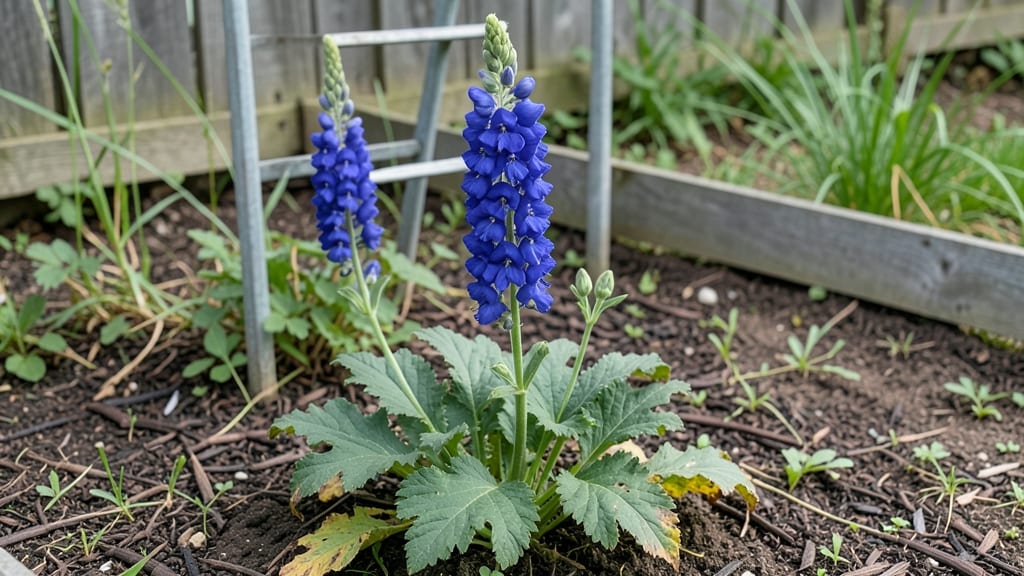
Creating a tall flower bed that steals the show all year takes more than just tall plants—it’s about layering drama, structure, and seasonal interest. I’ve designed mine to rise like a living sculpture, with delphiniums reaching 6 feet by midsummer and ornamental grasses swaying through winter.
The key isn’t just height; it’s how those plants move—whether rustling in the breeze or catching the light at dawn.
Start with a sturdy frame: tiered planters, a raised bed with built-in shelves, or even a repurposed wooden ladder wrapped in lattice. Fill the back with sun-loving stalwarts like hollyhocks and sunflowers, then tuck shorter perennials—like catmint or Russian sage—in the front for color contrast.
A 3-foot depth gives roots room to anchor, while adding a trellis for climbing roses or clematis turns it into a vertical masterpiece.
By late summer, your bed will be a riot of jewel-toned blooms and velvety foliage, but the magic continues through frost. Evergreen shrubs like boxwood or heuchera add winter structure, while seed heads from grasses and coneflowers catch snowflakes like nature’s chandeliers.
Maintenance stays simple: mulch annually, prune spent blooms, and feed in early spring—no hidden surprises.
This design works for city balconies (with lightweight planters) or sprawling backyards. The only rule? Let plants grow tall enough to block the view of what’s behind—because the goal isn’t just a garden, it’s a backdrop for your entire landscape.
Ready to make your yard the talk of the neighborhood?
📚 In This Guide
- What you need
- Instructions
- Tips and common mistakes
- Wrapping up and next steps
What you need
- ● Frame or Structure: Wooden planks (2x4s or cedar) – 2–4 pieces, 6–8 ft long (depending on height)
- ● OR pre-made vertical planter kit (e.g., blank">IKEA Kallax or blank">DIY pallet planter)
- ● Growing Medium: High-quality potting soil (1–2 cubic feet per tier)
- ● Perlite or vermiculite (1–2 cups for drainage)
- ● Plants: Tall perennials (e.g., Delphinium, Foxglove, or Hollyhock) – 3–5 plants
- ● Trailing plants (e.g., Fuchsia, Lobelia, or Petunias) – 2–4 plants
- ○ Dwarf shrubs (e.g., Dwarf Boxwood or Abelia) – 1–2 plants (optional)
- ● Hardware: Screws or nails (deck screws recommended for durability)
- ● Wood glue (for extra reinforcement)
- ● Landscape fabric (to line tiers and prevent soil spillage)
- ● Extras for Stability: Stakes or brackets (if attaching to a wall or fence)
- ● Waterproof sealant (for outdoor wood protection)
- ● Drip irrigation kit (for hassle-free watering)
- ● Solar-powered LED lights (to highlight your vertical garden at night)
- ● Decorative edging (e.g., metal or stone trim for a polished look)
- ● Self-watering reservoir (for drought-prone plants)
- ● Paint or stain (to match your outdoor decor)
Step-by-step guide to designing a stunning tall flower bed
Here’s how to create a vertical garden that adds drama and year-round interest to any space.
Assess Site Conditions and Plan Your Layout
First, scout your chosen area for sunlight exposure—most tall flowers thrive in full sun (6+ hours daily), but some varieties like asters or hydrangeas tolerate partial shade. Measure the space: a 4-foot-tall bed needs at least 3 feet of width for proper airflow and maintenance access. Sketch a rough layout, placing taller plants (like delphiniums or hollyhocks) at the back and shorter bloomers (like black-eyed Susans or salvia) toward the front.
Consider the mature height of each plant—6-foot giants need their own dedicated space, while 3-foot shrubs can layer behind perennials. I always include a mix of spring bulbs (tulips, daffodils), summer perennials (coneflowers, bee balm), and fall/winter interest (ornamental grasses, hellebores) to ensure year-round visual appeal. Use a stake or dowel to mark planting spots and avoid overcrowding.
Prepare the Soil for Optimal Drainage and Nutrition
Dig the bed area to a depth of 12-18 inches, breaking up compacted soil with a garden fork. Amend the native soil with 3 inches of compost and 1 inch of perlite or coarse sand to improve drainage—tall flowers hate soggy roots. For nutrient-rich soil, mix in 1 cup of 5-10-10 fertilizer per square foot and work it into the top 6 inches of soil. Test the pH: most tall perennials prefer a neutral to slightly acidic range (6.0-7.0).
If your soil is heavy clay, create raised sections or use container planters to prevent waterlogging. I like to add a layer of organic mulch (2-3 inches) after planting to retain moisture and suppress weeds. Avoid piling mulch against plant stems—keep it 2-3 inches away to prevent rot.
Plant in Layers for Maximum Height and Seasonal Interest
Start with the back row: plant tall perennials like hollyhocks (6-8 feet), foxgloves (4-5 feet), or delphiniums (4-6 feet) spaced 18-24 inches apart. These anchor the design and provide vertical structure. Next, add mid-height plants (3-4 feet), such as black-eyed Susans, coneflowers, or Russian sage, spacing them 12-18 inches apart. Finally, fill the front with shorter perennials (1-2 feet), like catmint, lavender, or sedum, spaced 8-12 inches apart.
Dig holes twice as wide as the root ball but no deeper—planting too deep can suffocate roots. Water each plant deeply before backfilling to eliminate air pockets. Press soil gently around the base but avoid compacting it. Water again after planting to settle the soil and encourage root spread.
Install Support Structures for Tall, Top-Heavy Plants
For plants prone to flopping (like hollyhocks, foxgloves, or sunflowers), install bamboo stakes or metal cages at planting time. Drive stakes 6-12 inches deep beside each plant and tie stems loosely with soft plant ties or garden twine—tightening too soon restricts growth. Alternatively, use ornamental trellises or obelisks for climbing flowers like clematis or morning glories to add architectural interest.
Check supports every 2-3 weeks during the growing season and adjust ties as stems thicken. Avoid plastic ties—they can cut into stems as plants grow. If you notice a plant leaning, gently guide it upright and secure it to the stake before it becomes permanent.
Maintain Year-Round with Pruning and Seasonal Care
Start with spring cleanup: remove dead foliage and cut back last year’s stems to 2-3 inches above the ground for perennials like coneflowers or black-eyed Susans. Apply a 1-inch layer of mulch to retain moisture and suppress weeds. Fertilize lightly in early spring and mid-summer with a balanced, slow-release fertilizer to encourage blooms without excessive leafy growth.
Deadhead spent blooms regularly to prolong flowering and redirect energy to new growth. In late summer, reduce watering slightly to harden off plants for fall. Divide overcrowded perennials every 3-4 years in early spring or early fall to maintain vigor. Winter protection for tender plants (like hellebores) includes a thick layer of mulch (4-6 inches) to insulate roots from freezing temperatures.
Tips & tricks for perfect vertical flower bed design
Creating a stunning vertical flower bed isn't just about planting—it's about strategic layering and thoughtful maintenance that keeps your garden thriving year-round.
Layering Strategy: When planning your back row of 6-foot giants like hollyhocks, leave at least 18-24 inches between plants to prevent crowding as they mature. I've learned the hard way that packing them too closely leads to competition for sunlight and nutrients, which stunts growth. For mid-height plants (3-4 feet), maintain 12-18 inches spacing—they'll fill out nicely without overshadowing your front-row perennials. Think of it like building a stage: taller plants anchor the back, mid-height creates depth, and shorter flowers frame the front like a natural curtain.
Support System: Don't wait until plants are flopping to install supports! For foxgloves and sunflowers, I recommend installing bamboo stakes or metal cages at planting time, driving them 6-12 inches deep beside each plant. The key is to tie stems loosely with soft plant ties or garden twine—tightening too soon restricts growth. I've seen beginners use plastic ties that cut into stems as plants grow, so avoid those at all costs. Check supports every 2-3 weeks during the growing season to ensure plants aren't outgrowing their ties.
Soil Preparation: The 12-18 inch deep soil preparation isn't just about depth—it's about creating the perfect environment for roots. For heavy clay soils, consider raised sections or container planters to prevent waterlogging, which tall flowers absolutely hate. When amending with 3 inches of compost and 1 inch of perlite, mix thoroughly to ensure even distribution. I always test the pH first—most tall perennials prefer a neutral to slightly acidic range (6.0-7.0), and adjusting this can make all the difference in plant health and bloom production.
Seasonal Maintenance: The 1-inch layer of mulch you apply after planting isn't just for aesthetics—it's a year-round workhorse. In spring, it retains moisture and suppresses weeds, while in winter, a 4-6 inch thick layer protects tender roots from freezing. Remember to keep mulch 2-3 inches away from plant stems to prevent rot. And when you're deadheading spent blooms, redirect that energy to new growth by trimming stems to just above a set of leaves or buds. This simple technique can extend your flowering season by weeks!
Pro Tips for Tall Flower Bed
- Creating a stunning vertical flower bed isn't just about planting—it's about strategic layering and thoughtful maintenance that keeps your garden thriving year-round.
- Layering Strategy: When planning your back row of 6-foot giants like hollyhocks, leave at least 18-24 inches between plants to prevent crowding as they mature.
- Support System: Don't wait until plants are flopping to install supports!
Frequently asked questions
What’s the best height for a tall flower bed?
Aim for 4 to 6 feet—tall enough to add drama but not so high it becomes unwieldy. If you’re DIY-ing, consider 3-foot sections stacked or layered for stability. For built-in beds, 5–6 feet is ideal for privacy or focal points. Just ensure proper drainage and reinforcement!
When is the best time to plant in a tall flower bed?
Plant in early spring or fall when temperatures are mild and rain is plentiful. For perennials, late winter (before new growth starts) works too. Avoid planting in peak summer heat—transplanting shock is worse in extreme temps. Cool-season annuals (like pansies) can handle fall planting for winter color!
How do I keep a tall flower bed from toppling over?
Stability starts with weight and structure. Use heavy materials like bricks, cinder blocks, or stacked stones for the base. For wood frames, anchor them to a fence or wall with screws or brackets. Fill with lightweight but dense soil mixes (add perlite or compost for fluff). Tall, leafy plants (like ornamental grasses or cannas) at the back add natural support.
Can I use a tall flower bed in small spaces?
Vertical gardens are perfect for small yards or patios
. Opt for narrow, freestanding planters (2–3 feet wide) or wall-mounted systems. Choose compact perennials, trailing vines (like sweet potato vine), or dwarf shrubs to maximize height without bulk. Even a 6-foot-tall trellis with climbing roses can transform a tiny space!
How do I fix a tall flower bed that’s leaning or sinking?
If your bed is tilting, dig out the soil around the base and level the foundation with gravel or sand. For sinking planters, reinforce the edges with metal edging or additional supports (like stakes driven into the ground). If the soil is too heavy, replace it with a lighter mix (50% compost, 30% topsoil, 20% perlite). For wooden frames, check for rot and replace damaged sections.
What are some low-maintenance tall flower bed ideas?
Go for drought-tolerant perennials like Lavender, Russian Sage, or Black-Eyed Susan. Add ornamental grasses (Feather Reed Grass, Fountain Grass) for movement with minimal care. Succulents and sedums thrive in tall beds with well-draining soil. Mulch heavily to retain moisture and suppress weeds—3–4 inches of wood chips or bark works wonders!
Wrapping up and next steps
A tall flower bed isn’t just a design statement—it’s a game-changer for small spaces, pollinators, and your gardening joy! 🌿 Whether you’re maximizing vertical space, adding drama to your yard, or creating a low-maintenance haven, this project proves that height equals impact.
With the right materials, a little creativity, and seasonal planning, you’ll enjoy year-round color and texture without sacrificing square footage.
Ready to transform your outdoor space? Start small—sketch a design, gather your supplies, and dive in! Your future self (and bees!) will thank you. 🌸