
Flowers
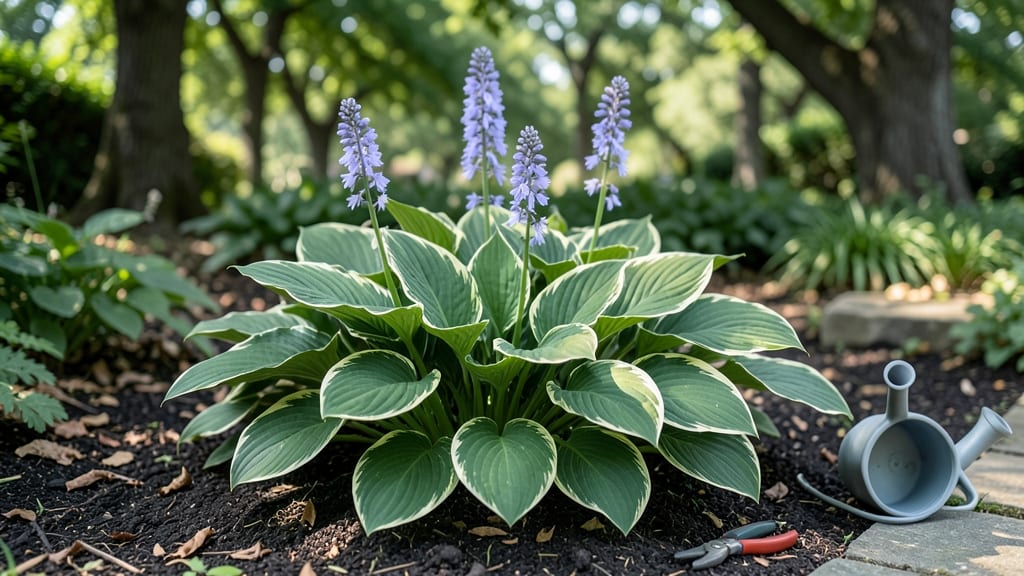
Shade low-maintenance perennial flowers transform dark corners into lush, vibrant spaces—without the constant fuss of deadheading or fertilizing. 🌿 I’ve spent years testing perennials that thrive under trees and along north-facing walls, and these are the ones that never disappoint: hostas with their velvety leaves, heucheras that glow like stained glass, and astilbes that flutter in the breeze like pink feathers.
These plants demand almost nothing: water only when the soil feels dry to the touch, well-draining soil (even amended with compost), and a spot where they won’t compete with aggressive roots.
Most bloom for 6-8 weeks in spring or summer, then return year after year with zero division—unless you want to share them. The key? Plant them in groups of 3-5 for instant impact, and let their foliage shine when flowers fade.
Imagine a border where bleeding hearts spill over banks in spring, ligularia lights up fall with golden leaves, and coral bells add texture all season. You’ll spend less than an hour per year on maintenance—just a quick trim in early spring and maybe a mulch top-up.
These perennials handle drought, deer, and even shade from encroaching branches better than anything I’ve tried.
Perfect for beginners, busy gardeners, or anyone tired of fighting for color in shady spots. Let’s dive into the top 10 that’ll make your garden look intentional—with almost no effort from you.
📚 In This Guide
- What you need
- Instructions
- Tips and common mistakes
- Wrapping up and next steps
What you need
- ● Shade-tolerant perennial flowers: 5–10 plants of Heuchera (Coral Bells) – 1–2 gallon pots each
- ● 3–5 plants of Astilbe (False Spirea) – quart-size pots each
- ● 2–3 plants of Hosta (for foliage + occasional blooms) – 1-gallon pots each
- ● 1–2 plants of Lungwort (Pulmonaria) – quart-size pots each
- ● 1–2 plants of Bleeding Heart (Dicentra spectabilis) – 1-gallon pots each
- ○ Soil amendments (optional but helpful): 2–3 bags of peat moss or coconut coir (for moisture retention)
- ● 1 bag of compost (to enrich soil)
- ○ 1 lb. of slow-release fertilizer (10-10-10) (optional for extra vigor)
- ● Basic gardening tools: 1 garden trowel (for planting)
- ● 1 hand pruners (for trimming dead foliage)
- ● 1 garden hose or watering can (with a rose nozzle for gentle watering)
- ● 1 gloves (to protect your hands)
- ● Location: A spot with partial to full shade (dappled sunlight to deep shade, depending on the plant). Avoid areas with standing water.
- ● Soil prep: Well-draining, moist (but not soggy) soil. Test your soil’s pH—most shade perennials prefer slightly acidic to neutral (6.0–7.0).
- ● Timing: Plant in early spring or fall for best root establishment.
- ● Water source: Easy access to water for the first 2–3 weeks after planting.
Step-by-step guide to planting shade-loving perennial flowers
Here's how to create a lush, carefree perennial garden that thrives under trees and thrives year-round.
🌱 Step 1: Prepare the Planting Site
Choose a location that receives 2-6 hours of filtered light daily, avoiding spots where dense shade blocks all sunlight. Test the soil by digging a 6-inch hole—ideal soil should drain well but retain moisture. If your soil is heavy clay, amend it with 3 inches of compost mixed into the top 12 inches of soil to improve drainage and fertility.
I like to mark the planting area with stakes to visualize the layout before digging. For 4 plants, space them 18-24 inches apart to allow room for mature growth. Loosen the soil around each planting spot with a garden fork to encourage root penetration without compacting it further.
🪴 Step 2: Select and Plant the Right Perennials
Pick shade-tolerant perennials like hostas, astilbes, ferns, and bleeding hearts—they thrive with minimal care. Dig a hole twice as wide as the root ball but only as deep as the container's base. Gently remove the plant from its container and loosen any circling roots with your fingers to encourage outward growth.
Place the plant in the hole so the top of the root ball sits level with the surrounding soil. Fill the hole with native soil, pressing lightly to eliminate air pockets. Water deeply to settle the soil and remove any air gaps around the roots. Mulch with 2-3 inches of shredded bark to retain moisture and suppress weeds.
☀️ Step 3: Water and Maintain Through the First Season
Water newly planted perennials once a week for the first 4 weeks, providing 1 inch of water each time. Check soil moisture by sticking your finger 2 inches deep—if it feels dry, water again. Avoid overhead watering, which can spread disease; instead, use a soaker hose or water at the base of the plants.
Fertilize lightly in early spring with a balanced, slow-release fertilizer (10-10-10) to encourage healthy growth. Avoid high-nitrogen fertilizers, which promote leafy growth at the expense of flowers. Once established, these perennials will need little to no additional fertilizer—just consistent moisture and occasional deadheading to encourage blooms.
✂️ Step 4: Prune and Divide as Needed
In early spring, trim back any dead or damaged foliage to make room for new growth. For perennials like hostas, cut back the previous year’s growth to 2-3 inches above the ground to prevent disease and encourage fresh shoots. Avoid pruning in fall, as it can leave plants vulnerable to winter damage.
Divide clumps every 3-5 years in early spring to maintain vigor. Dig up the plant, separate the root ball into smaller sections with a clean knife, and replant the divisions immediately. This prevents overcrowding and rejuvenates the plant. Water thoroughly after dividing to help the roots establish.
Tips & tricks for perfect shade-loving perennial gardens
Creating a thriving shade garden takes more than just planting—it's about understanding the subtle details that make these perennials truly low-maintenance.
Light Matters: That 2-6 hour daily light range is crucial for shade perennials. If your spot gets less than 2 hours of light, consider adding plants like heucheras or foamflower, which tolerate even less light. For areas with partial sun, mix in astilbes or coral bells—they'll handle the brighter conditions better than pure shade plants. The key is matching plant needs to your specific light conditions.
Soil Preparation Secret: When amending heavy clay soil with compost, don't just top-dress—mix that 3 inches of compost into the top 12 inches of soil as instructed. This creates a proper root zone that prevents waterlogging while still retaining moisture. For sandy soils, add a bit of peat moss to help hold water. The goal is to mimic the rich, well-draining conditions these perennials prefer in their native woodlands.
Planting Depth Tip: That level-with-the-soil placement is more important than you might think. If you bury the root ball too deeply, stems can rot; if too shallow, roots will dry out. For container-grown plants, check the root flare—the point where roots meet the stem—should be visible above the soil line after planting. This ensures proper stability and air circulation at the base.
Watering Wisdom: The once-weekly watering for the first 4 weeks is perfect, but here's the pro move: water in the morning so foliage has time to dry before evening. This prevents fungal issues that plague many shade plants. For the 1-inch measurement, use a rain gauge or tuna can—it's the most accurate way to track water amounts without guesswork.
Pro Tips for Shade Low Maintenance Perennial Flowers
- Creating a thriving shade garden takes more than just planting—it's about understanding the subtle details that make these perennials truly low-maintenance.
- Light Matters: That 2-6 hour daily light range is crucial for shade perennials.
- Soil Preparation Secret: When amending heavy clay soil with compost, don't just top-dress—mix that 3 inches of compost into the top 12 inches of soil as instructed.
Frequently asked questions
Got questions about keeping your shade garden blooming beautifully with minimal effort? Here are answers to the most common queries about shade-loving, low-maintenance perennials—so you can relax and enjoy the view!
What are the easiest shade perennials for beginners?
Start with hostas, heucheras, astilbes, or bleeding hearts—they thrive in shade, resist pests, and rarely need deadheading. For bold color, try coral bells (Heuchera) or Japanese painted ferns. These tough beauties handle neglect while delivering year-round interest!
How often should I water shade perennials?
Water deeply but infrequently—about once a week in dry spells (adjust for clay soil). Mulch with shredded bark to retain moisture. Once established (after 1–2 years), most shade perennials tolerate drought better than sun-lovers. Pro tip: Water in the morning to prevent fungal issues.
Do shade perennials need winter care?
Most are hardy, but protect tender varieties (like Hellebores) with a 3-inch layer of mulch in late fall. Evergreens like hostas may benefit from a light frost cloth if your winters are harsh. Avoid pruning until spring—wait until new growth appears to avoid cutting back blooms or foliage.
Can I mix shade perennials with ground covers?
Pair ajuga (bugleweed) or foamflower (Tiarella) between perennials to suppress weeds and add texture. For height contrast, plant ligularia or tiarella near shorter varieties. Just ensure ground covers don’t outcompete your perennials for light or nutrients.
How do I keep pests away without chemicals?
Prevent slugs/snails with copper tape or diatomaceous earth. For aphids, spray with soapy water. Healthy plants resist pests! Improve airflow by spacing perennials 12–18 inches apart, and remove debris where pests hide. Heucheras and hostas rarely need intervention if grown in well-draining soil.
What if my shade perennials aren’t blooming?
Check light levels—partial shade (3–6 hours of sun) is ideal for most. Over-fertilizing can reduce blooms, so use a balanced, slow-release fertilizer in early spring. Deadhead spent blooms (like on astilbes) to encourage reblooming. If growth is leggy, it may need more light or division every 3–4 years.
Wrapping up and next steps
Transforming your shady spots into vibrant, low-maintenance gardens is easier than you think! With hardy perennials like hostas, astilbes, and heucheras, you can enjoy year-round beauty without the fuss—just plant, water occasionally, and let nature do the rest. 🌿✨
Ready to elevate your outdoor space? Start by picking 2-3 shade-tolerant varieties that suit your climate and soil, then dive into planting. Your future self—and your garden—will thank you!
👉 Next step: Grab your gloves and visit your local nursery to pick out your perennials today!