
Flowers
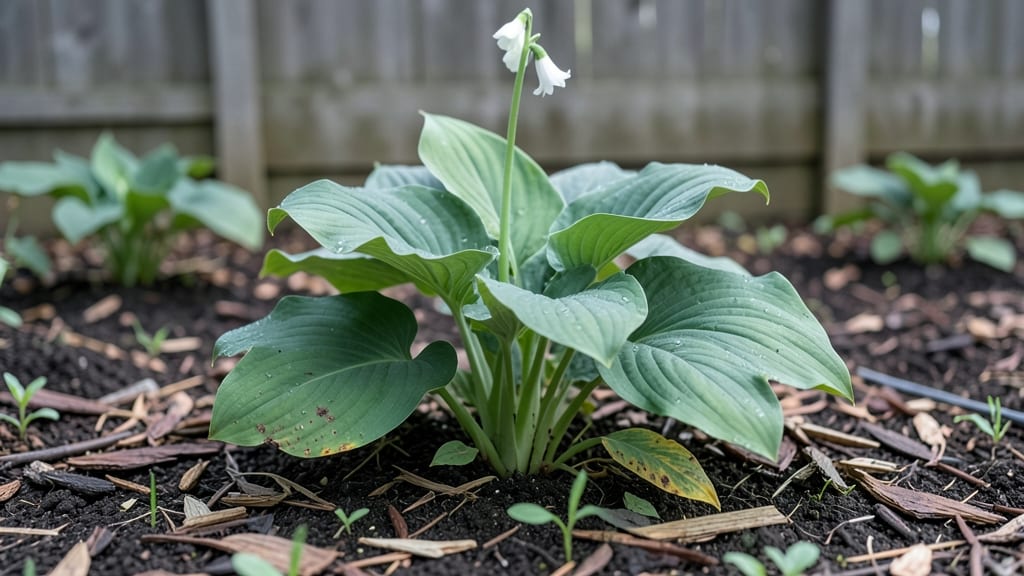
The plantain lily flower’s velvety blooms and sweet vanilla scent transform any shady corner into a fragrant retreat. 🌿 I’ve grown these for years, and they’ve become my go-to for adding drama to dark garden spots—once you get the light and moisture balance right, they’re shockingly low-maintenance.
The secret lies in mimicking their native woodland floors: rich, moist soil and dappled shade that keeps roots cool but leaves enough light for those signature white trumpets to unfurl.
You’ll need a spot with 4-6 hours of morning sun at most, well-draining but consistently moist soil, and a little patience—these plants reward slow growth with summer-to-fall blooms that last weeks.
The foliage alone is a statement, with broad, textured leaves that develop golden edges in cooler months, but it’s the fragrant nighttime flowers that make them irresistible to hummingbirds and gardeners alike. Even in humid climates, they thrive when given proper airflow and protection from afternoon sun.
By late summer, you’ll be pinching back spent blooms to encourage a second flush and watching new growth emerge even in winter’s chill. The plants multiply over time, creating lush clumps that outperform many showier (but fussier) perennials.
With just a little attention to their moisture needs and a spot that mimics their natural habitat, you’ll have a year-round focal point that smells like a tropical evening.
Perfect for woodland gardens, shady patios, or even large containers—just avoid full sun or dry soil, and these will outperform most bloomers. Let’s get yours established for a show that starts in summer and lingers into fall.
📚 In This Guide
- What you need
- Instructions
- Tips and common mistakes
- Wrapping up and next steps
What you need
- ● Plantain Lily Bulbs: 3–5 bulbs (depending on desired cluster size; choose Hosta plantaginea or Canna × generalis for true plantain lilies).
- ● Well-Draining Potting Mix: 2–3 gallons (use a blend of peat, perlite, and compost for optimal aeration).
- ● Container or Garden Bed: Outdoor: 12–18" deep planting hole with loose, fertile soil.
- ● Indoor/Container: Pot with drainage holes (10–12" diameter per bulb).
- ● Organic Mulch: 1–2 inches (shredded bark or coconut coir to retain moisture).
- ● Watering Can or Hose: With a gentle spray nozzle for hydration.
- ● Garden Trowel or Spade: For digging and transplanting.
- ● Pruning Shears: To trim dead foliage or overgrown stems.
- ○ pH Test Kit (Optional): Ideal soil pH: 6.0–7.0.
- ○ Slow-Release Fertilizer (Optional): Balanced 10-10-10 or compost tea for a nutrient boost.
- ● Humidity Tray (Indoor Only): Pebble tray + water to mimic tropical conditions.
Step-by-Step instructions for planting and caring for plantain lilies
Here's how to coax those bold, tropical blooms into your garden year after year.
🌱 Step 1: Choose the Perfect Planting Location
Plantain lilies thrive where humidity lingers and roots stay cool. Pick a spot with partial to full shade—they'll tolerate morning sun but avoid harsh afternoon rays that scorch their broad leaves. I always test the soil first by digging a 6-inch hole and checking for moisture retention; if it dries out too fast, you'll need to amend with 3 inches of organic compost mixed into the top 12 inches of soil.
These plants love company, so group them with other humidity-lovers like ferns or calatheas. The key is creating a microclimate where moisture stays trapped near the soil surface. If your garden is particularly dry, consider planting near a water feature or in a spot where morning dew lingers.
💧 Step 2: Plant at the Right Depth and Water Thoroughly
Dig a hole twice as wide as the plant's root ball but no deeper than 4 inches—plantain lilies hate having their crowns buried too deeply. Gently remove the plant from its container and loosen any circling roots with your fingers. Place it in the hole so the top of the root ball sits just below soil level. This prevents rot while keeping the plant stable.
Water immediately after planting with 1 gallon of water per plant, letting it soak in slowly. You'll know you've done it right when the soil surface looks slightly damp but not soggy. Mulch around the base with 2-3 inches of shredded bark to help retain moisture and keep roots cool. I always water again in 3-4 days to encourage root establishment.
☀️ Step 3: Maintain Consistent Moisture and Humidity
Plantain lilies demand consistent moisture—never let the soil dry out completely. Water 2-3 times per week in summer, checking the soil 1 inch below the surface with your finger. If it feels dry, it's time to water. In winter, reduce to once a week unless your home stays very dry. I like to water in the early morning so leaves have time to dry before evening, which prevents fungal issues.
Boost humidity by misting leaves 2-3 times weekly or placing a pebble tray with water beneath the pot if growing indoors. You'll notice the plant's leaves stay plump and vibrant when humidity is perfect—wilting or crispy edges mean it's too dry. Grouping plants together also creates a natural humidity pocket.
✂️ Step 4: Fertilize and Prune for Continuous Blooms
Feed plantain lilies with a balanced liquid fertilizer (10-10-10) every 4-6 weeks during the growing season. I mix it at half-strength to avoid burning their sensitive roots. Stop fertilizing in late summer to let the plant prepare for dormancy. Deadhead spent blooms by snipping the stem just above the next set of leaves—this encourages new flowers and keeps the plant tidy.
In late winter or early spring, cut back any yellow or damaged leaves to 1/3 of their height. This makes room for fresh growth and prevents energy drain. The plant will reward you with bold new foliage and flower spikes within 4-6 weeks. I always prune on a dry, overcast day to reduce stress on the plant.
🪴 Step 5: Overwinter Care for Year-Round Growth
Plantain lilies are evergreen in warm climates but may need winter protection in colder zones. If temperatures drop below 20°F, move potted plants to a bright, cool indoor spot (like a garage or sunroom) where temps stay between 50-60°F. Reduce watering to once every 2-3 weeks and avoid fertilizing until spring.
For in-ground plants, mulch heavily with 4-6 inches of straw or leaves to insulate roots. Check soil moisture every 2 weeks—overwatering in winter can lead to rot. You'll see new growth in early spring as temperatures rise, signaling it's time to resume regular care and fertilizing.
Tips & tricks for perfect plantain lily care
These little-known tricks will help you keep your plantain lilies thriving and blooming beautifully all year long.
Soil Prep Secret: Before planting, I always mix in a handful of perlite or coarse sand with the 3 inches of organic compost in the top 12 inches of soil. This improves drainage while still holding moisture—plantain lilies hate soggy roots but need consistent dampness. The 6-inch hole test is your best friend here; if water drains too fast, add more compost.
Planting Depth Visual: To get the depth just right in Step 2, I use a simple trick: after placing the plant in the hole, the top of the root ball should sit at the same level as the surrounding soil. Think of it like a pancake—you want it flat, not buried under syrup (which would be too deep) or floating on top (which would dry out). This ensures stability without risking rot.
Watering Routine: The 2-3 times weekly summer watering schedule in Step 3 works best if you water deeply each time. I use the "finger test" at 1 inch below the surface—if it's dry, water thoroughly until you see moisture seep out from the bottom of the pot (for container plants). For in-ground plants, aim for 1 gallon per watering session to reach the roots properly.
Fertilizer Timing: When fertilizing every 4-6 weeks in Step 4, I always apply it after a good watering session. This prevents burning the sensitive roots. I also dilute the 10-10-10 fertilizer to half-strength and water it in immediately—this gives your plantain lilies a gentle nutrient boost without shocking them.
Pro Tips for Plantain Lily Flower
- These little-known tricks will help you keep your plantain lilies thriving and blooming beautifully all year long.
- Soil Prep Secret: Before planting, I always mix in a handful of perlite or coarse sand with the 3 inches of organic compost in the top 12 inches of soil.
- Planting Depth Visual: To get the depth just right in Step 2, I use a simple trick: after placing the plant in the hole, the top of the root ball should sit at the same level as the surrounding soil.
Frequently asked questions
Got questions about keeping your plantain lily flower (Hosta plantaginea) thriving? You’re in the right place! Here are answers to the most common queries—from care tips to troubleshooting—so you can enjoy those fragrant blooms year-round.
How do I encourage my plantain lily to rebloom after the first flush?
Plantain lilies often bloom in summer but may fade by fall. To coax reblooms, prune spent flowers and fertilize lightly with a balanced, phosphorus-rich formula (like 10-10-10) every 4–6 weeks. Keep soil moist but well-draining, and plant in partial shade—too much sun can stress the plant. Patience is key; some varieties rebloom in late summer or early fall!
Can plantain lilies survive winter in cold climates?
Yes! These hardy perennials tolerate USDA Zones 5–9. In colder areas (below Zone 6), mulch heavily with 3–4 inches of straw or shredded leaves after the first frost to insulate roots. Avoid heavy mulch in mild winters—it can cause rot. In containers, move pots to a garage or unheated shed and wrap them in burlap for extra protection.
Why are my plantain lily leaves turning yellow?
Yellowing leaves usually signal overwatering, poor drainage, or nutrient deficiency. Check the soil—it should feel damp but not soggy. If roots smell rotten, your plant may have root rot (common in heavy clay soil). Amend soil with compost or perlite and reduce watering. Yellow edges? It could be salt buildup from tap water—try rainwater or distilled water instead.
Are plantain lilies toxic to pets or children?
Plantain lilies are non-toxic to both pets and humans, making them a safe choice for families with curious kids or furry friends. However, like many plants, ingestion in large quantities might cause mild stomach upset. Always supervise pets around new plants, and wash hands after handling to avoid skin irritation (though it’s rare).
What’s the best alternative if my plantain lily isn’t thriving?
If your plantain lily struggles with your climate or soil, try these humidity-loving, shade-tolerant alternatives with similar fragrant blooms:
- Hosta (e.g., ‘Halcyon’ or ‘Blue Angel’): Hardy, low-maintenance, and great for shade.
- Astilbe: Feathery plumes in soft pinks/whites; loves moisture.
- Hellebore (Lenten Rose): Early bloomer, deer-resistant, and thrives in shade.
- Caladium: Stunning foliage (not flowers), but perfect for humid, shady spots.
Wrapping up and next steps
The plantain lily flower is a stunning, low-maintenance gem that thrives in humidity and brings year-round beauty to your garden or home. With the right care—like well-draining soil, bright indirect light, and occasional misting—you’ll enjoy its lush foliage and striking blooms for seasons to come. 🌿
Ready to transform your space? Start by gathering your supplies, then follow the steps to nurture your plantain lily with confidence. Your green thumb is closer than you think—give it a try today! 🌸